
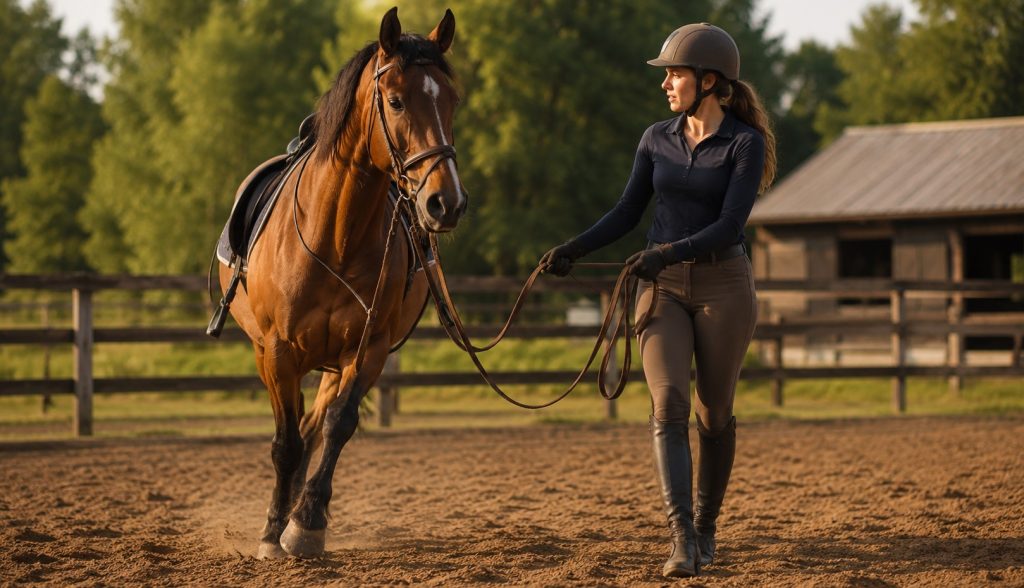
A typical break-in takes 4 to 12 weeks, though individual horses and goals vary widely.
I have started and ridden dozens of horses over two decades. In this guide I explain exactly how long does it take to break in a horse, why timelines vary, and how to plan a safe, effective program. Read on for clear timelines, step-by-step methods, real-world lessons, and quick answers to common concerns so you can set realistic expectations and train with confidence.
How long does it take to break in a horse?
Breaking a young or unstarted horse means teaching basic ground manners, saddle acceptance, and initial ridden work. For many horses, a basic beginner-safe foundation can be built in 4 to 12 weeks. More commonly, expect 8 to 12 weeks for a steady, reliable start under saddle that a novice rider could handle.
Some horses need only a few weeks of consistent, calm training. Others take months or longer when they are nervous, inexperienced, older, or physically immature. The phrase how long does it take to break in a horse depends on three things: the horse, the trainer, and the planned outcome. Be clear about whether you want a finish for a trail rider, a competition prospect, or simply a safe riding mount.
Factors that affect how long it takes to break in a horse
- Age and physical maturity. Young horses under 3 years often lack balance and bone strength, which lengthens training.
- Temperament. Calm, curious horses usually learn faster than anxious or reactive ones.
- Prior handling. Horses handled well as foals adapt quicker to tack and riders.
- Health and fitness. Soundness issues and poor conditioning slow progress.
- Training goals. Breaking for basic trail use takes less time than preparing for competition.
- Trainer experience. Skilled trainers compress time with efficient, safe progressions.
- Environment and consistency. Daily, quiet practice in varied settings accelerates learning.
- Method used. Gentle, systematic methods often take longer initially but build more trust and reliability.

Source: reddit.com
Step-by-step progressive timeline for breaking a horse
Below is a realistic timeline you can adapt. Each horse is different, so adjust based on behavior and soundness.
- Foundation groundwork (1–2 weeks)
- Teach haltering, leading, standing tied, and yielding to pressure.
- Desensitize to clippers, ropes, and feet handling.
- Respect and lunging (1–3 weeks)
- Teach voice cues, walk-trot transitions on the lunge line.
- Build balance, acceptance of contact, and responsiveness.
- Introducing tack and weight (1–2 weeks)
- Familiarize with saddle pad, saddle, and girth tightening.
- Use gradual weight steps: bags, a person over the saddle, then a mounted rider.
- First rides and short sessions (2–4 weeks)
- Begin with short, quiet rides at walk and trot.
- Emphasize calm stops, steering, and simple transitions.
- Solidifying basics and exposure (2–6 weeks)
- Add varied terrain, obstacles, and longer sessions.
- Work on canter, balance, and rider cues.
- Ongoing refinement (continuous)
- Regular schooling, conditioning, and problem-solving continue for months.
- For competitive goals expect many additional months of specialized training.
Common training methods and how they affect time
- Traditional backing. This method uses systematic steps and usually takes the moderate timeline above.
- Natural horsemanship. Focuses on groundwork and psychology; it can slow initial mounted time but often improves long-term reliability.
- Start under saddle quickly. Some programs accelerate mounted work; this can shorten calendar time but risks long-term issues if rushed.
- Long-reining and side-reins. Useful to teach balance before a rider sits; slightly lengthens schedule but improves posture.
Each method influences how long does it take to break in a horse. Faster is not always better. Rushed starts increase injury and behavioral risk. Choose methods that match the horse’s temperament and the rider’s goals.
My experience: lessons learned, mistakes to avoid, and practical tips
I once rushed a calm gelding into canter rides within two weeks. He learned quickly but developed sourness when asked to perform in new settings. Lesson: quick gains can hide weak foundations.
What worked best for me: consistent short sessions, varied exposure, and honest pauses when the horse showed confusion. Keep sessions to 10–20 minutes for young horses. Praise small wins and end on calm notes. Use simple equipment and check fit constantly.
Practical tips
- Prioritize soundness checks before mounting.
- Keep training consistent—daily work beats sporadic long sessions.
- Record progress and setbacks to track how long does it take to break in a horse for that individual.
- Bring in a second set of eyes (trainer or vet) early if you hit a plateau.
PAA-style quick questions
How long should first rides be?
First rides should be short—10 to 15 minutes of calm walking and a few trot steps, then stop while the horse is still relaxed.
Can you break a horse faster with more sessions?
More frequent, short sessions help; marathon sessions do not speed safe learning and often backfire.
Does breed change how long it takes to break in a horse?
Yes. Drafts and some warmbloods mature slower and need longer time than many light breeds.
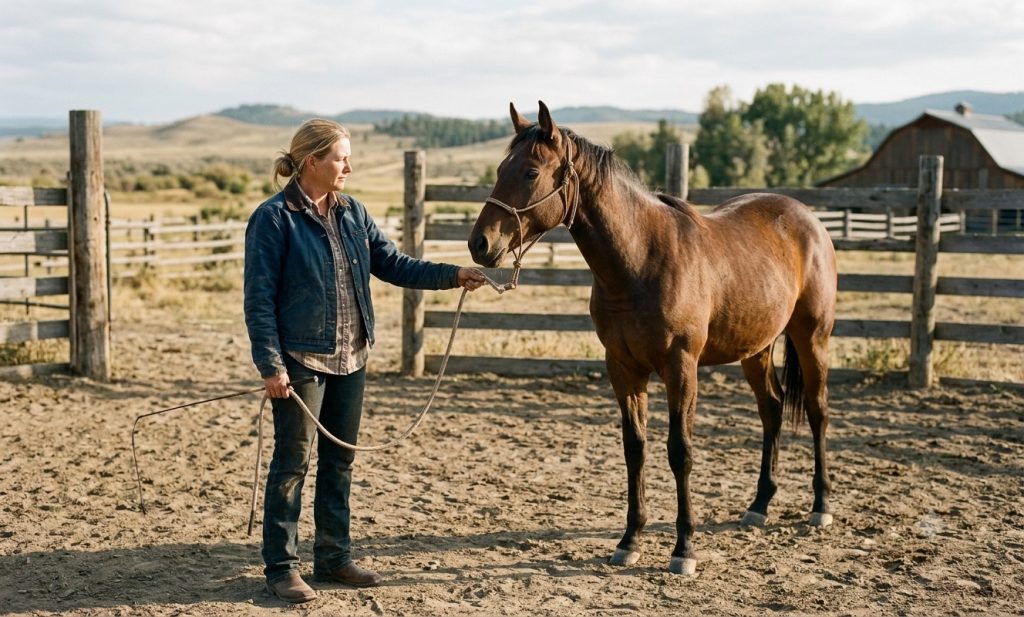
Frequently Asked Questions of how long does it take to break in a horse
What is the average time to break in a young horse?
Most young horses reach basic ridden readiness in 4 to 12 weeks with consistent daily work. Full training for performance takes many more months.
Can an older horse be broken in faster than a young one?
Older horses may learn cues quickly but often need more time for trust and physical conditioning; speed depends on prior handling.
How often should I ride during the break-in period?
Ride or work the horse daily or every other day with short, purposeful sessions to build fitness and confidence.
When should I call a professional trainer?
Call a trainer if the horse shows persistent fear, dangerous behavior, or if you lack experience to progress safely.
How do I know when the horse is truly “broken in”?
A horse is ready when it responds calmly to basic aids, stops and turns under saddle, and handles new situations without panic.
Conclusion
Breaking a horse is a careful balance between patience, consistency, and clear goals. Most horses reach a safe beginner-ready level within 4 to 12 weeks, but temperament, health, and training aims change that timeline. Start with solid groundwork, move slowly through saddling and first rides, and prioritize the horse’s physical and mental well-being. Takeaway: set realistic expectations, track progress, and get help early when needed to shorten setbacks. If you found this guide useful, subscribe for more training plans, share your experiences, or leave a question below.