Yes, some birds can host fleas, but fleas are more often linked to mammals than to birds.
I have studied and worked with wildlife and domestic birds for years, and I can confidently explain whether do birds get fleas, why it happens, and what it means for your bird, your pets, and your home. This guide covers flea biology, which bird species are affected, clear signs to watch for, prevention and safe treatment options, plus real-world tips from field and clinic experience. Read on to learn practical, evidence-based answers to the common question do birds get fleas and how to manage the issue if it arises.

Source: birdfy.com
How fleas and birds interact
Fleas are small, wingless insects. They feed on blood. Not all flea species bite birds. Many flea species prefer mammals. A few flea species target birds or will use birds as temporary hosts.
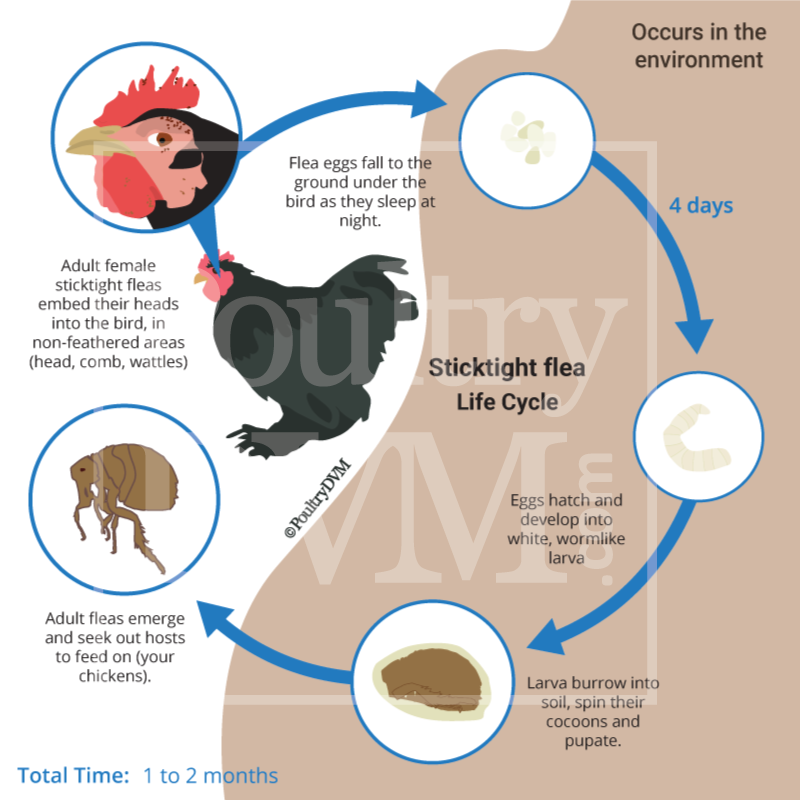
Bird fleas live in nests. They feed on nestlings and adult birds. They can thrive where birds roost or nest in large numbers. Fleas also jump easily between hosts and nest material.
Understanding how fleas behave helps answer do birds get fleas. Fleas breed quickly in warm, sheltered places. Bird nests are ideal sites. This makes nests hotspots for flea life cycles. Studies and field work show nesting colonies often have higher flea loads than solitary nests.

Source: entomologytoday.org
Which bird species get fleas
Some bird groups are more likely to have fleas. These include:
- Ground-nesting birds. They nest near soil, where flea larvae thrive.
- Colonial nesters. Birds in groups create dense, warm nests that support fleas.
- Birds nesting in cavities. Old nests in cavities can hold flea populations for seasons.
Examples of birds that can carry fleas are pigeons, doves, starlings, swallows, and some seabirds. Wild songbirds and raptors can also pick up fleas, especially where nests are reused. Domestic poultry like chickens and quail can get bird-specific fleas too.
Do birds get fleas equally? No. Species, nesting habits, and habitat matter. Birds that are alone and that change nests often face lower flea risk.
Signs that a bird has fleas
Detecting fleas on birds is straightforward if you know what to look for.
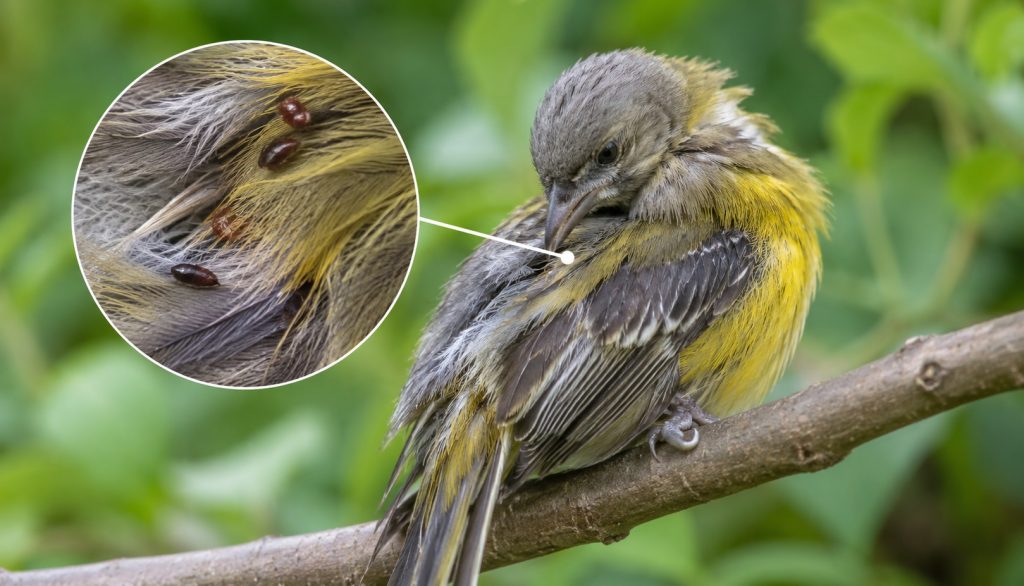
- Visible fleas or flea dirt. Flea dirt looks like small black specks on feathers or skin.
- Excessive preening. Birds may scratch and preen more if bitten.
- Pale or weak chicks. Heavy flea loads can cause anemia in nestlings.
- Irritated skin or feather loss. Severe infestations can affect feather condition.
A careful nest check is often needed. Handle birds only if trained or under veterinary advice. For backyard poultry, inspect under wings and around vents. For wild birds, consult a rehabilitator or vet before intervening.
Risks to pets and humans
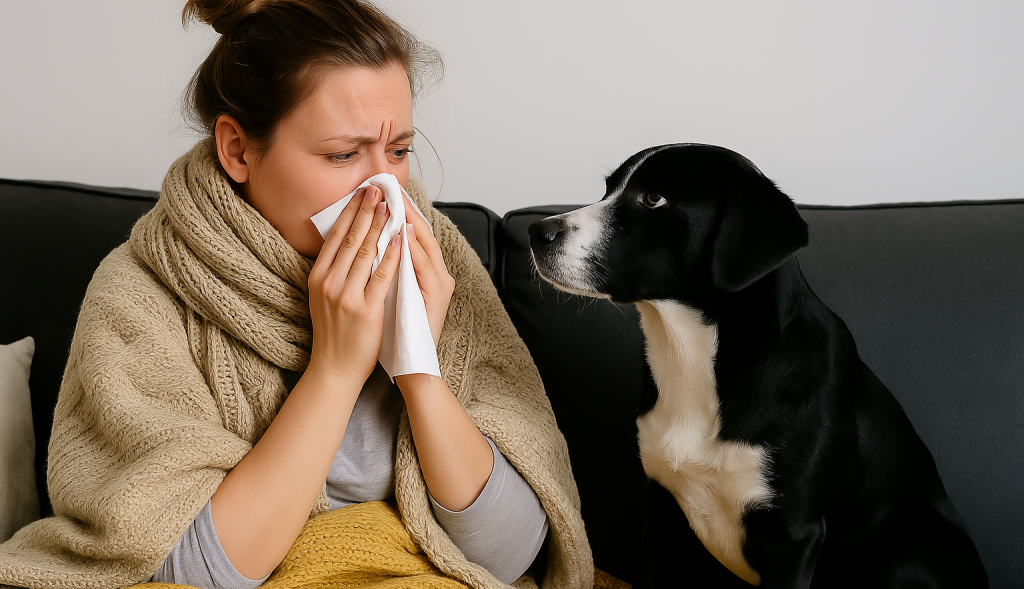
Do birds get fleas that bite humans or pets? Sometimes. Most bird fleas prefer birds, but they may jump onto nearby mammals if hungry. This can lead to temporary bites on pets or people.
- Pets may bring fleas indoors. Dogs and cats can pick up fleas near nests or from birds.
- Fleas can act as disease vectors. Some fleas carry pathogens that affect both animals and people.
- Cross-infestation is typically short-lived. Many bird flea species do not establish long-term populations on mammals.
Protective measures for pets are wise. Keep pet flea control current. Clean areas where birds roost near living spaces.
PAA-style question: Will bird fleas live on my cat or dog?
Answer: Bird fleas may bite pets but often fail to reproduce on them. Pets can carry fleas into the home, so treat pets if you see flea activity.
PAA-style question: Can bird fleas transmit disease to humans?
Answer: Some fleas can carry pathogens, but bird-specific fleas rarely cause serious human disease. Still, bites and secondary infections can occur, so avoid exposure.
Source: poultrydvm.com
Prevention and treatment for birds
Prevention reduces the chance that birds bring fleas close to people or pets. Treatment must be careful. Many insecticides that work for mammals can harm birds.
Prevention tips:
- Remove old nests near buildings. Clean eaves, vents, and chimneys.
- Block access to roosting sites on homes. Use netting or deterrents where allowed.
- Maintain poultry coops. Clean bedding and shelters often and use safe treatments.
Treatment options for nest-infested birds:
- Consult a vet or wildlife rehabilitator before treating wild or pet birds.
- Use bird-safe insecticides only under professional guidance.
- Wash or replace nest material for domestic birds. Heat and sunlight can kill flea eggs and larvae.
For pets exposed to bird fleas:
- Use veterinarian-recommended flea control on dogs and cats.
- Vacuum carpets and furniture to remove fleas and eggs.
- Wash bedding and soft items in hot water.
PAA-style question: How do I get fleas out of a bird’s nest?
Answer: Remove and dispose of old nests if safe and legal. Clean the area and treat surrounding spaces, but do not treat active nests without expert guidance.
Common misconceptions about birds and fleas
Clear myths help readers make better choices.
- Myth: Birds never get fleas. False. Some birds host fleas, especially in nests.
- Myth: Bird fleas are the same as cat fleas. Not always. Different flea species prefer different hosts.
- Myth: Any flea bite means disease. Most flea bites are a nuisance and not serious, but some carry pathogens.
Be honest about limits. Data on flea species and their disease role vary by region. Local vector studies provide the best guidance for human and pet risk.
Source: bugco.org
Personal experience and practical tips
From my work with rehabilitators and backyard poultry keepers, I have a few clear lessons.
- Inspect nests during routine checks. I once removed an old swallow nest that had dozens of fleas. The young birds were weak, but they recovered after careful intervention.
- Use simple hygiene. Regular coop cleaning cut flea problems in half for one client.
- Avoid DIY pesticides on wild birds. I have seen well-meaning people harm birds with household sprays.
Practical tips I recommend:
- Keep pet flea treatments up to date if you have birds nesting nearby.
- Wear gloves when handling nest material.
- If in doubt, photograph the problem and seek expert advice before acting.
These real-world steps make dealing with the question do birds get fleas manageable and safe.
Frequently Asked Questions of do birds get fleas
Do fleas that live on birds bite humans?
Yes. Bird fleas may bite humans, but bites are usually temporary and not permanent infestations. Seek medical help if you have severe reactions or signs of infection.
Can pet fleas and bird fleas interbreed?
No. Most flea species are host-specific and do not interbreed across distant host groups. Cross-species transfer can happen, but hybridization is rare.
Are bird fleas common in urban areas?
They can be common where birds nest near buildings and in colonies. Urban pigeons and starlings often host fleas that accumulate in eaves and vents.
How do I safely remove fleas from my backyard coop?
Clean bedding and nests regularly. Use vet-approved products for poultry and follow label directions. Consult a vet before using insecticides.
Will vacuuming stop a bird flea problem in my home?
Vacuuming reduces adult fleas, eggs, and larvae. It helps control fleas but works best combined with pet treatment and cleaning of nesting sites.
Conclusion
Birds can and do get fleas, especially in nests and dense colonies. The risk to humans and pets exists but is usually manageable with hygiene, habitat control, and proper pet flea prevention. If you find fleas linked to birds, document the situation, avoid using unapproved chemicals on birds, and consult a vet or wildlife expert when needed. Take action by cleaning roosting sites, protecting pets, and seeking professional guidance for treatment. If you found this useful, share your experience, subscribe for more wildlife health guides, or leave a comment with questions.