
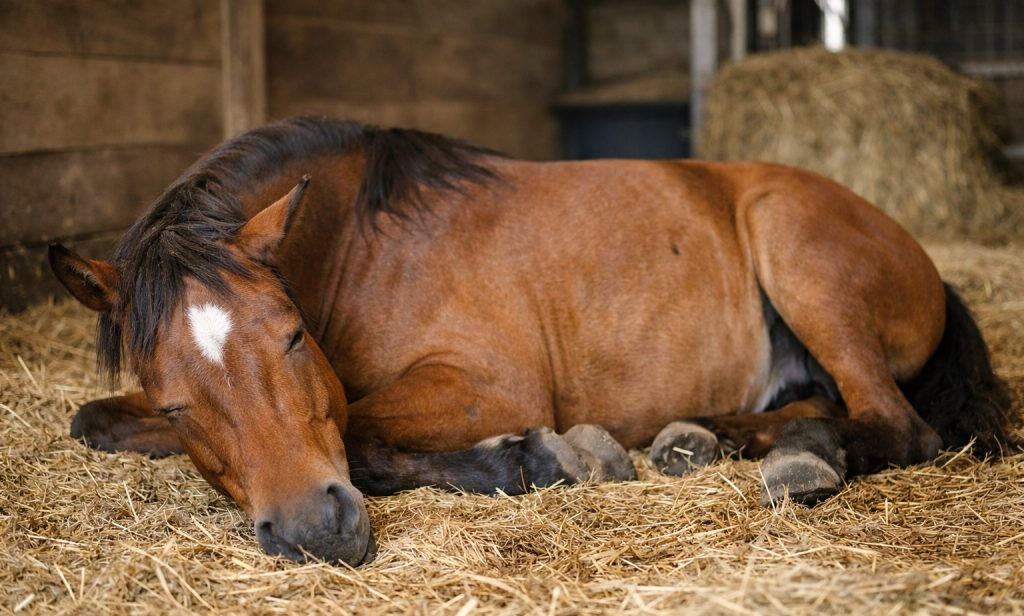
Yes. Horses do lie down for short periods of deep sleep, but most sleep while standing.
I have worked with horses for years as a trainer and stable manager. I will explain clearly why do horses sleep lying down, how often they do it, and what owners should watch for. This guide combines research, hands-on experience, and practical tips to help you understand equine sleep patterns. Read on to learn when lying down matters for horse health and safety.
How horses sleep: standing vs. lying down
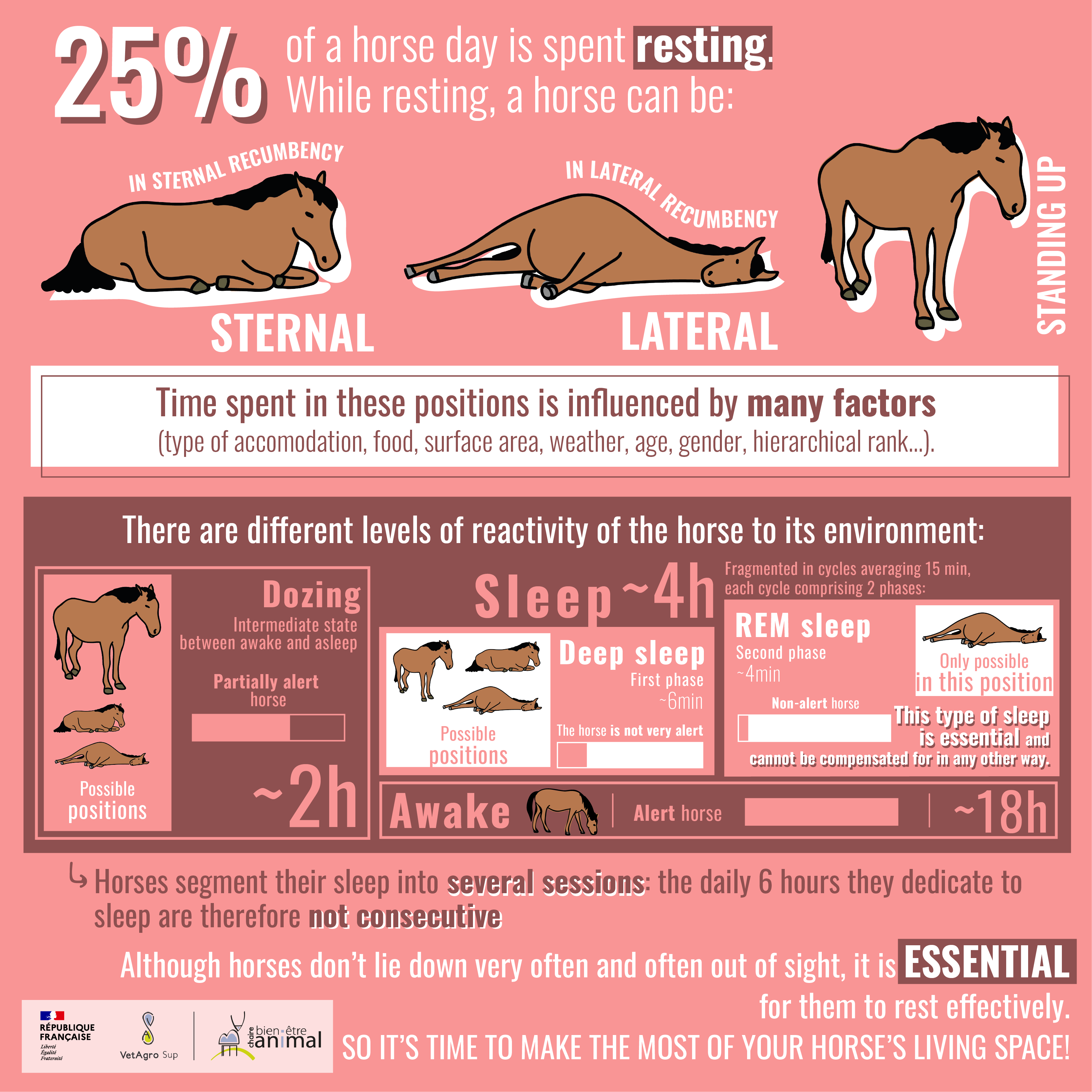
Horses have two main sleep types. Light sleep happens while standing. Deep, restorative sleep occurs lying down. The standing sleep uses a special tendon and ligament system. This system is often called the stay apparatus. It lets a horse rest without falling.
Horses only lie down for short REM sleep. They need that rest for memory and brain repair. Domestic horses may lie down more if they feel safe. Wild or nervous horses lie down less. Understanding both modes answers the question do horses sleep lying down.
Anatomy and physiology behind equine sleep
The stay apparatus locks joints in the legs. This reduces muscle use during standing sleep. It prevents collapse and conserves energy. Other body systems control sleep cycles. The brain alternates between light and deep sleep.
REM sleep is short in horses. It lasts a few minutes per bout. Several REM bouts add up over 24 hours. Without lying down, horses cannot reach full REM sleep. That explains why do horses sleep lying down even if briefly.
Why horses lie down: the need for REM sleep
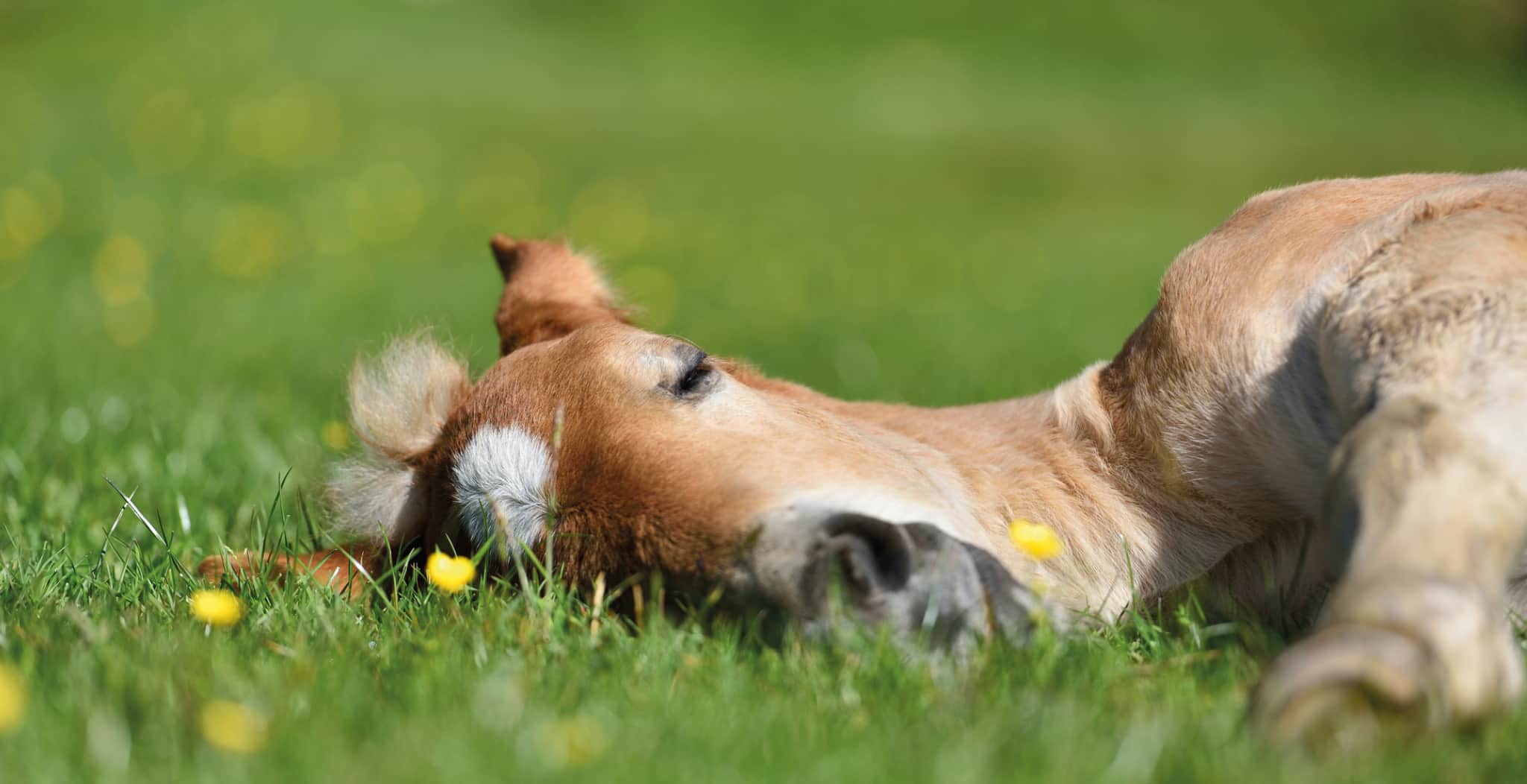
REM sleep supports learning and healing. Horses need REM for memory consolidation. They also need it for immune function. Lying down lets their brains enter REM.
If a horse never lies down, problems can develop. Mood, performance, and health may suffer. Owners should note if a horse refuses to lie down. It can indicate pain, anxiety, or poor housing. This ties back to the central question do horses sleep lying down and why it matters.
How long and how often horses lie down
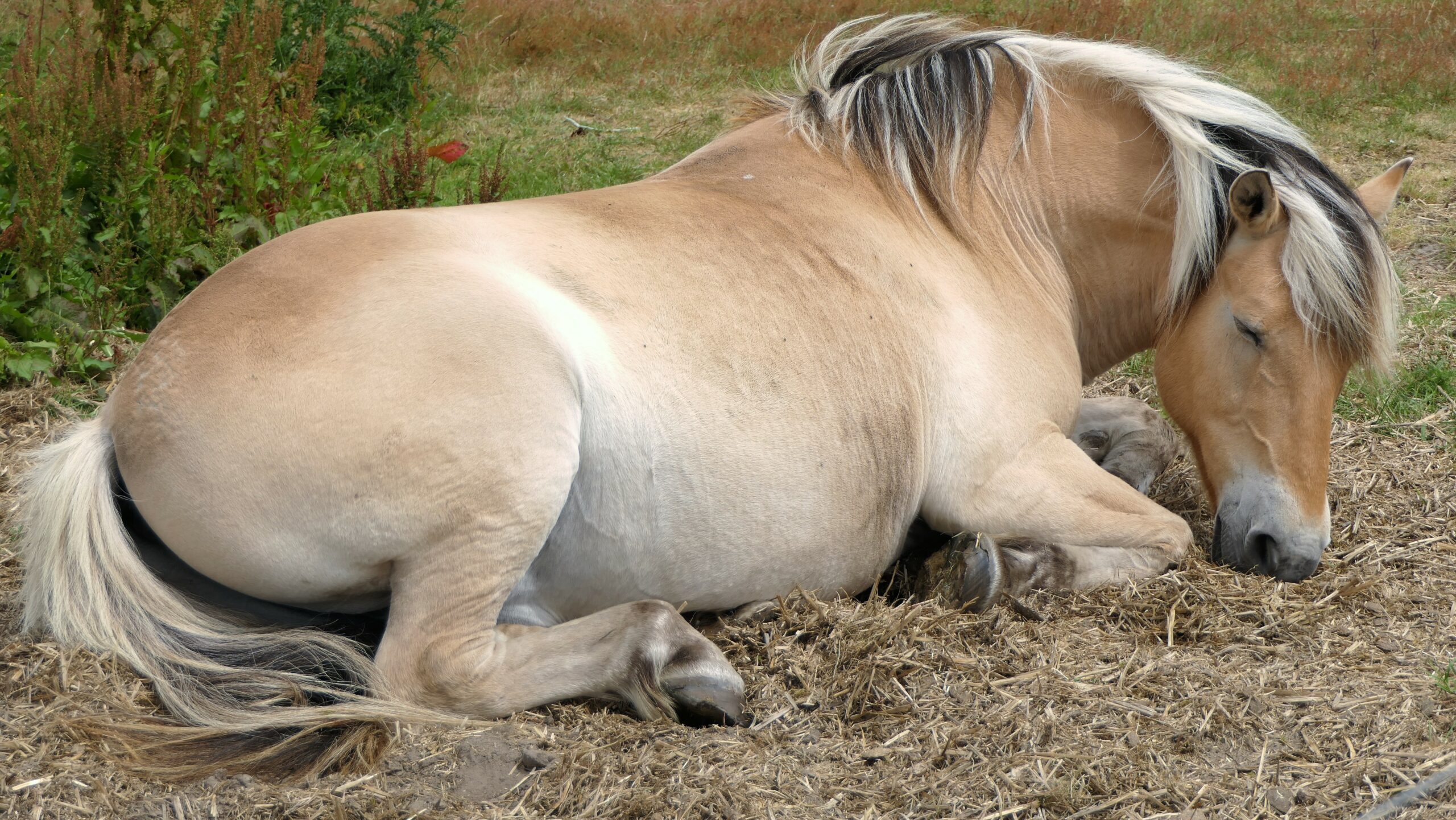
Typical patterns are brief and frequent. Most horses lie down for 20 to 60 minutes total per day. Individual bouts often last just a few minutes. Age, health, and environment change this pattern.
Foals lie down much more than adults. Sick or older horses may also rest more. Domestic comfort can increase lying time. When you ask do horses sleep lying down, remember that quantity varies widely by the horse.

Safety, environment, and social factors
Horses are prey animals. Safety shapes sleep behavior. Herds create watch systems. One horse may stand guard while others lie down. Stable design and turnout affect lying behavior.
Good bedding encourages lying down. Deep, clean bedding is inviting. Crowded stalls or loud neighbors discourage it. If a horse avoids lying down, check shelter, herd dynamics, and footing. These factors explain why do horses sleep lying down less in stressful settings.
Signs of normal and abnormal lying behavior
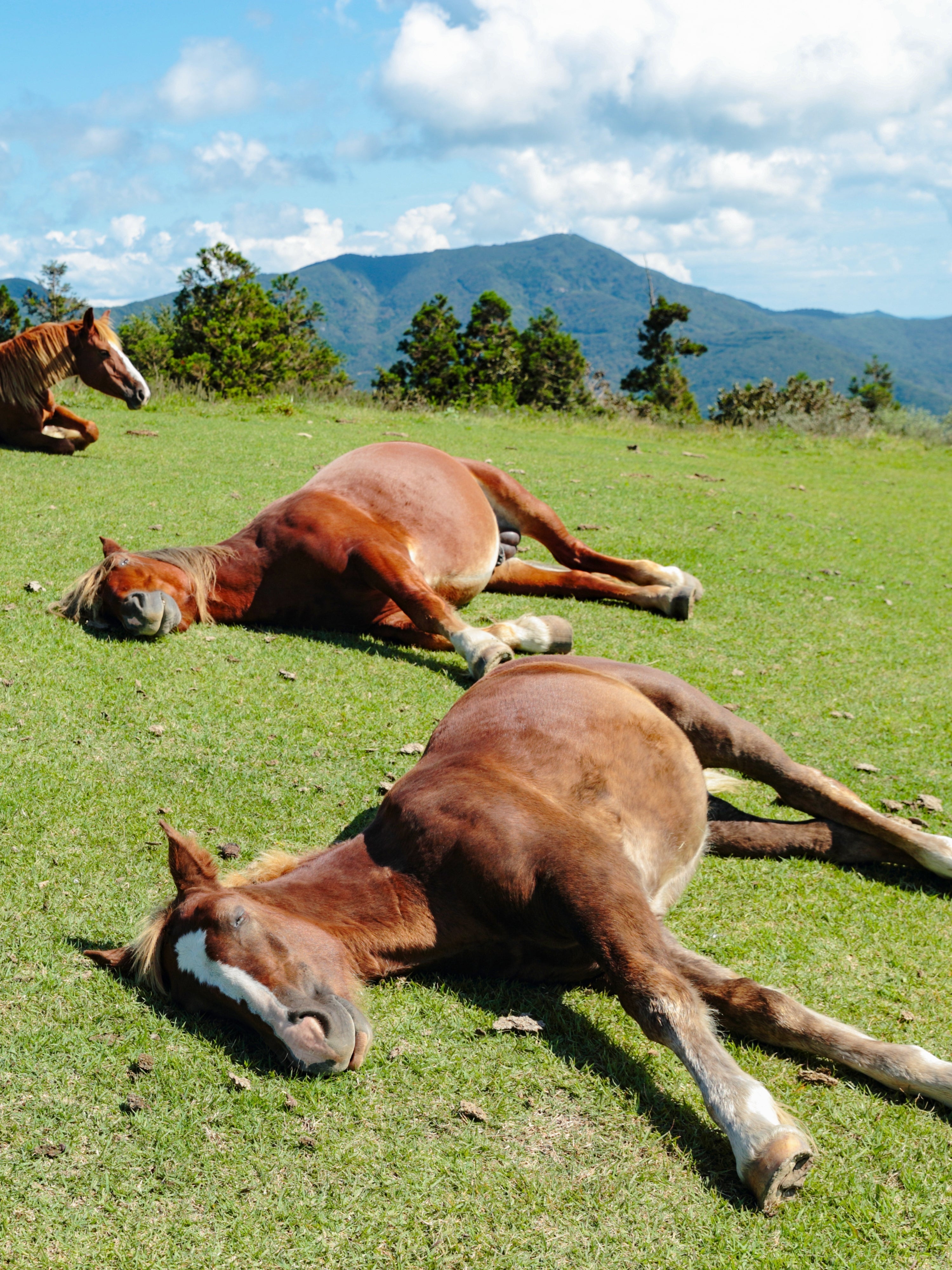
Normal signs include short, peaceful naps and easy rising. Abnormal signs include long recumbency, rolling repeatedly, or refusal to rise. Colic and musculoskeletal pain may cause unusual lying patterns.
Monitor appetite, stool, and mood with lying changes. Sudden increases or decreases in lying time require a vet check. Remember that occasional long naps can be normal after hard work or illness. Use context to judge whether do horses sleep lying down more or less than usual.

Caring for horses to encourage healthy sleep
Create a safe, calm environment. Provide soft, deep bedding. Allow turnout and social contact. Maintain a consistent routine and adequate feed.
Check for pain sources like ulcers, lameness, or respiratory issues. Address stable hazards that could cause injury when a horse lies down. Train horses to lie down safely only if needed. These steps help ensure healthy patterns and answer practical concerns about do horses sleep lying down.
Common myths and misconceptions
Horses must lie down for hours every day — false. They need short REM bouts, not long recumbency. Lying down always indicates colic — false. Sometimes colic causes long recumbency, but so can relaxation. Horses that never lie down are doomed — false. Prolonged refusal to lie down is a red flag but not an automatic death sentence.
Clear the confusion by observing patterns, not single events. Knowing facts reduces panic over whether do horses sleep lying down and how long they should.
:strip_icc()/low-angle-view-of-foal-sleeping-on-field-919871888-5c43b5c146e0fb00016c40c1.jpg)
Personal experience and practical lessons
I once managed a mare that refused to lie down after an injury. Tracking rest times and comfort helped us find the problem. A soft paddock and pain management restored normal lying behavior. I learned to watch small changes in sleep first. Quick fixes often miss underlying issues.
From years in barns, I advise gentle observation. Count short naps and note who lies down in a herd. These small habits reveal a lot about a horse’s health and answer day-to-day questions about do horses sleep lying down.
Practical tips for owners
- Observe daily: Note how often your horse lies down and for how long. Short changes can signal issues.
- Improve comfort: Use deep bedding and dry stalls to invite safe lying.
- Watch herd dynamics: Let horses have space and a trusted companion to reduce anxiety.
- Address pain: Get a vet check for persistent refusal to lie down or excessive recumbency.
- Routine: Keep feeding and turnout consistent to promote normal sleep cycles.
These steps help owners support healthy lying behavior and respond to concerns about do horses sleep lying down.
Frequently Asked Questions of do horses sleep lying down
Do horses need to lie down to get good sleep?
Yes. Horses need to lie down for brief REM sleep. Standing rest gives light sleep, but REM requires recumbency.
How long do horses sleep lying down each day?
Most adult horses get 20 to 60 minutes of lying-down sleep per day. That time is split into short bouts.
Can a horse die from not lying down?
Rarely. Chronic refusal to lie down can harm health but does not instantly cause death. Seek veterinary care if a horse never lies down.
Why do some horses lie down more than others?
Age, health, environment, and herd safety affect lying time. Foals and sick horses typically lie down more.
Should I force my horse to lie down for training?
No. Forcing can cause stress and injury. Train lying down only with expert guidance and positive reinforcement.
Conclusion
Horses do sleep lying down, but only briefly to reach REM sleep. Most rest happens while standing, aided by the stay apparatus. Safe stalls, good bedding, and calm herd dynamics encourage healthy lying behavior. Watch for sudden changes in lying time, and consult a vet when needed. Use daily observation and small adjustments to improve your horse’s sleep and overall health. Explore more resources, share your experiences in the comments, or subscribe for practical equine care tips.