
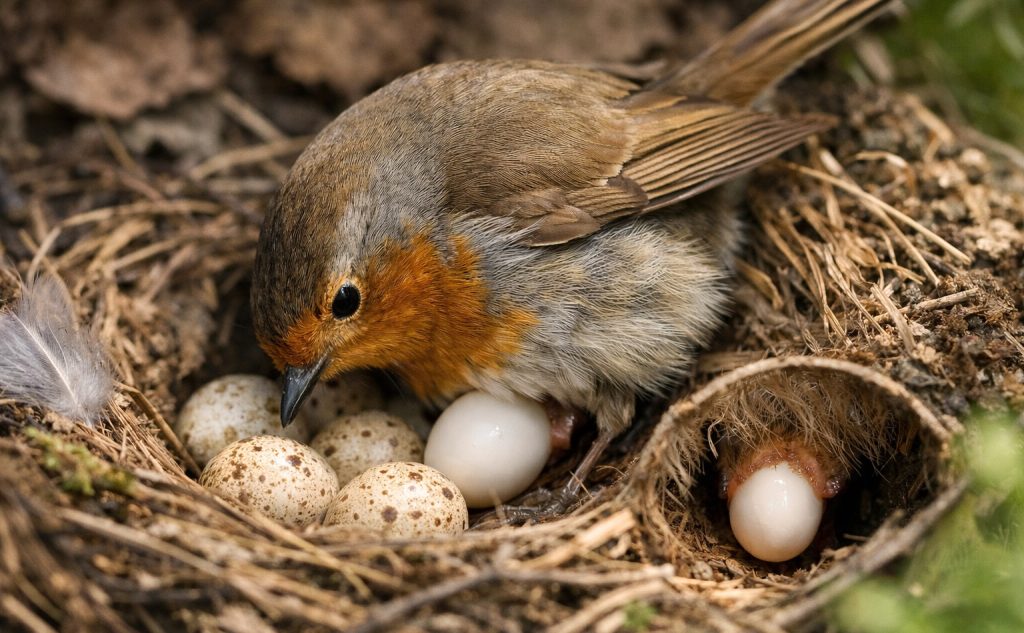
Birds lay eggs after the female ovulates, forms a shell, and passes the egg through the cloaca.
Birds lay eggs through a precise reproductive process that blends biology, timing, and instinct. If you have ever wondered how do birds lay eggs, this guide breaks it down in a clear, expert way, from egg formation inside the body to nesting, incubation, and hatching.
How Bird Egg Laying Works
Birds do not “make” eggs all at once. The egg starts as a yolk inside the ovary, then moves through the reproductive tract where the albumen, membranes, and shell are added one layer at a time. This process is highly efficient and usually follows a daily or near-daily cycle in healthy adult females.
In simple terms, how do birds lay eggs? A female bird releases a yolk, wraps it in egg white and membranes, then forms a hard shell before laying it. The whole system is built for survival, so the egg can protect and nourish the developing chick outside the mother’s body.
From my experience observing backyard hens and wild songbirds, the timing is often more delicate than people expect. Small stressors, poor diet, or low daylight can slow egg production fast, which is why bird egg laying is both a biological process and an environmental one.
The Female Bird Reproductive System
The female bird reproductive system is specialized for laying eggs. Most bird species have only one working ovary and one working oviduct, usually on the left side. This keeps the bird lighter, which helps with flight.
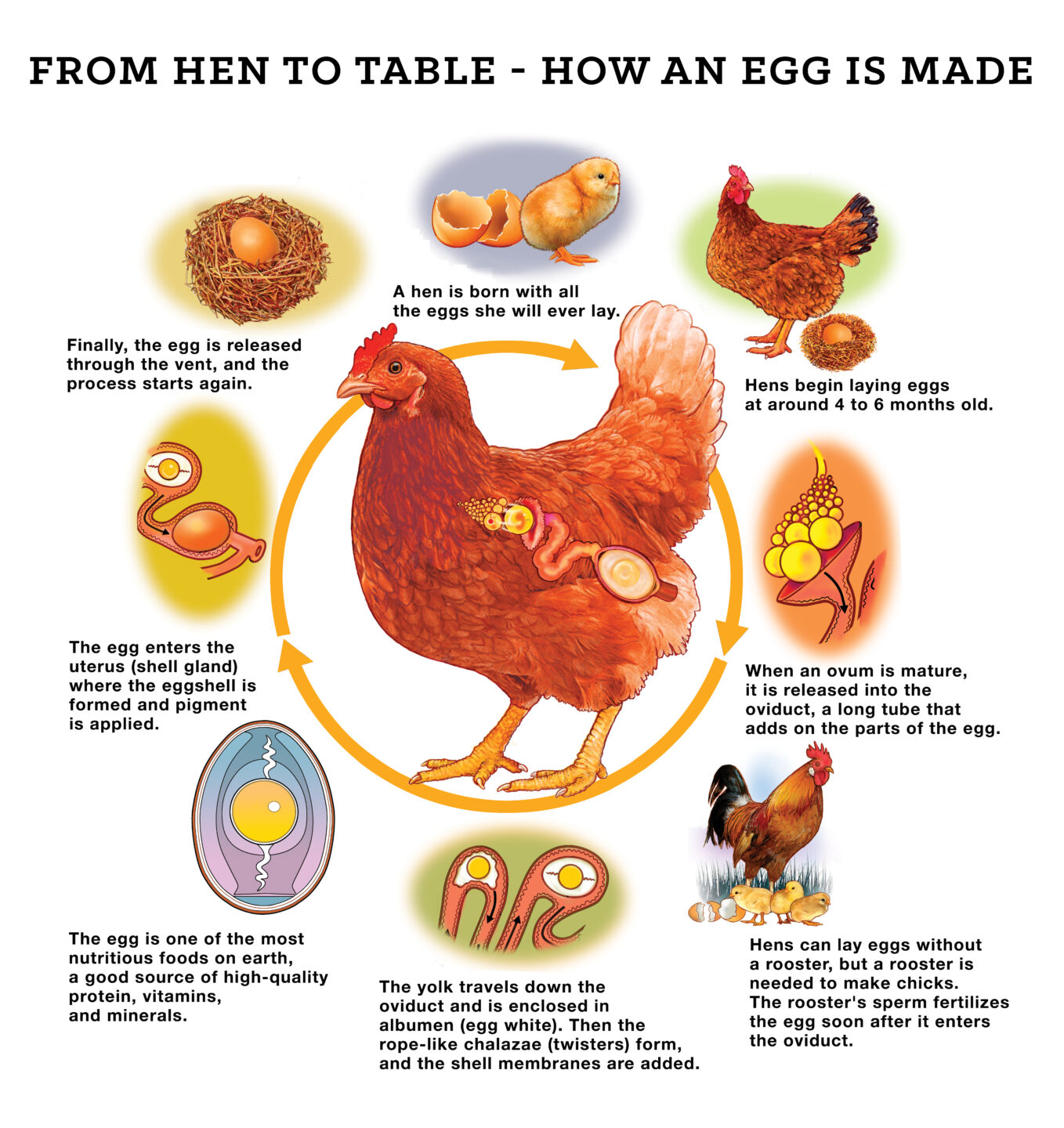
The ovary produces yolks, which are the nutrient-rich parts of the egg. The oviduct is the tube where the rest of the egg forms. Each section of the oviduct has a job, much like an assembly line.
Main parts involved
• Ovary: Releases the yolk, also called the ovum
• Infundibulum: Catches the yolk and is where fertilization can happen
• Magnum: Adds the egg white, also called albumen
• Isthmus: Adds the inner and outer shell membranes
• Uterus or shell gland: Forms the hard shell and pigment
• Vagina and cloaca: Help the egg move out of the body
This system is one reason how do birds lay eggs is so efficient. Nature has streamlined the process to support both survival and flight.
Source: nutrenaworld.com
Step by Step: How Do Birds Lay Eggs?
Understanding how do birds lay eggs becomes easier when you look at each stage in order. The egg usually takes about 24 to 26 hours to fully form in many birds, though the exact timing depends on species, age, health, and daylight.
1. The yolk is released
The process begins when the ovary releases a yolk. A healthy bird may have several yolks developing at different stages before one is released. This is why some birds can lay eggs in a regular sequence.
2. Fertilization happens, if mating occurred
If the bird has mated, sperm may be stored in the reproductive tract and fertilize the yolk in the infundibulum. If not, the egg still forms, but it will be unfertilized. Many pet hens and farm birds lay unfertilized eggs every day or so.
3. Egg white is added
The yolk moves into the magnum, where thick and thin layers of albumen form around it. The egg white cushions the embryo and helps protect it from germs. It also provides water and protein.
4. Shell membranes form
Next, the isthmus adds two thin membranes beneath the shell. These membranes act like a safety net. They help shape the egg and provide an extra barrier against bacteria.
5. The shell is built
In the shell gland, calcium carbonate forms the hard shell. This is one of the most demanding parts of egg laying because it uses a lot of calcium. The shell may also get color or spots here, depending on the species.
6. The egg is laid
The fully formed egg moves through the vagina and exits through the cloaca. The cloaca is a shared opening used for digestion, reproduction, and waste removal. Once the egg is laid, the cycle can begin again.
Why Birds Lay Eggs
Birds lay eggs because it helps their young develop safely outside the mother’s body while still giving them protection and nourishment. For flying animals, this is a major advantage. Carrying a developing baby inside the body for a long time would make flight harder and energy use much greater.
Egg laying also allows birds to reproduce in many environments. Nesting, incubation, and parental care can happen in trees, grass, cliffs, burrows, or even city spaces. That flexibility is one reason birds are so successful worldwide.
What Makes Bird Eggs Form Properly
A bird needs the right conditions to lay healthy eggs. Good egg formation depends on nutrition, hormones, daylight, age, and overall health. If one part is off, the egg may be weak, soft-shelled, or delayed.
Important factors
• Calcium: Essential for shell strength
• Protein: Supports yolk and tissue development
• Vitamin D3: Helps the body use calcium
• Light exposure: Helps regulate hormones
• Water: Needed for all stages of egg formation
• Stress level: High stress can interrupt laying
I have seen birds stop laying after sudden changes like moving to a new coop or loud construction nearby. That is a good reminder that how do birds lay eggs is not just about anatomy. It is also about comfort and stability.
Fertilized vs Unfertilized Eggs
Not every egg a bird lays is fertilized. A fertilized egg forms when sperm meets the yolk early in the reproductive tract. An unfertilized egg forms the same way, but no embryo begins to grow.
This is why chickens can lay eggs without a rooster. The egg still develops and is safe to eat if handled properly. In the wild, many birds lay fertilized eggs only during breeding season, when nesting and parenting are most likely to succeed.
How Birds Incubate Eggs
Once eggs are laid, many birds begin incubation. Incubation means keeping the eggs warm so the embryo can grow. Parents often sit on the eggs and turn them gently to keep heat even and help the chick develop correctly.
Some birds share incubation duties between both parents. Others rely mostly on one parent, usually the female. In species like ducks, geese, and many songbirds, the incubation style matches the bird’s nesting habits and habitat.
:strip_icc()/my-bird-laid-egg-will-hatch-390491_final-5eddfdd698ab4c068814947dcba973e0.png) Source: thesprucepets.com
Source: thesprucepets.com
Common incubation behaviors
• Sitting on eggs to maintain warmth
• Turning eggs several times a day
• Leaving briefly to eat or drink
• Protecting the nest from predators
• Keeping the nest dry and stable
This stage shows how do birds lay eggs is only part of the story. Laying the egg is the start, not the finish.
Common Problems With Egg Laying
Egg laying can fail when a bird is unhealthy or under stress. Some problems are mild, while others are serious and need veterinary care. Learning the warning signs helps bird owners act early.
Common issues
• Soft-shelled eggs: Often linked to low calcium or vitamin D
• Egg binding: The egg gets stuck and can become life-threatening
• Thin shells: May result from poor diet or aging
• Broken eggs: Can happen if the shell is weak or nesting is poor
• Irregular laying: Can be caused by stress, illness, or seasonal changes
In backyard flocks, I have noticed that shell quality often drops first. That is usually the earliest clue that diet or lighting needs attention. Small corrections can prevent bigger problems later.
How Humans Can Support Healthy Egg Laying
If you keep birds, the best support is simple and steady care. Birds do best with balanced food, clean water, secure housing, and low stress. The goal is to make egg laying as natural and safe as possible.
Practical tips
• Feed a species-appropriate diet with enough protein and calcium
• Offer fresh water every day
• Keep the nesting area clean, quiet, and dry
• Provide enough light during breeding season for domestic birds
• Avoid sudden changes in handling, noise, or housing
• Watch for signs of distress, straining, or reduced appetite
I always tell bird owners not to overcomplicate it. Most laying problems improve when the basics are fixed first. How do birds lay eggs well? With consistency, comfort, and nutrition.
Interesting Facts About Bird Eggs
Bird eggs vary more than most people realize. Some are tiny and speckled. Others are large, plain, or bright blue. Shape, color, and shell thickness often reflect nesting style and survival needs.
• Small birds often lay small eggs with high energy density
• Ground nesters may use camouflaged eggs for protection
• Cliff nesters may lay more pointed eggs to reduce rolling
• Some species lay one egg per day until the clutch is complete
• Egg color can help with camouflage, heat control, or identification
These differences show that how do birds lay eggs is shaped by evolution, not just anatomy.
Frequently Asked Questions
How long does it take a bird to lay an egg?
In many birds, one egg forms in about 24 to 26 hours. The exact time depends on species, age, health, and environmental conditions.
Do all birds lay eggs the same way?
No, the basic process is similar, but the timing and nesting behavior vary by species. Large birds, small songbirds, and seabirds each have different egg-laying patterns and incubation styles.
Can a bird lay eggs without mating?
Yes, many birds can lay unfertilized eggs without mating. These eggs will not develop into chicks, but they are still formed through the normal reproductive process.
Why do some bird eggs have different colors?
Egg color and pattern depend on species, genetics, and nesting needs. In many cases, color helps with camouflage or shell strength, while in others it is simply part of the bird’s biology.
What should I do if a pet bird is having trouble laying an egg?
If a bird is straining, weak, or sitting on the cage floor, seek a vet right away. Egg binding can become an emergency fast, so prompt care matters.
Conclusion
Birds lay eggs through a finely tuned process that begins with the yolk and ends with a fully formed shell passing through the cloaca. The details matter, from calcium and light to nesting and incubation, and each step helps explain how do birds lay eggs so successfully across so many species.
If you remember one thing, make it this: healthy egg laying depends on a bird’s body and its environment working together. Keep learning, stay observant, and use what you know to better support birds in the wild or in your care. If this guide helped you, explore more bird care topics or leave a comment with your own questions.