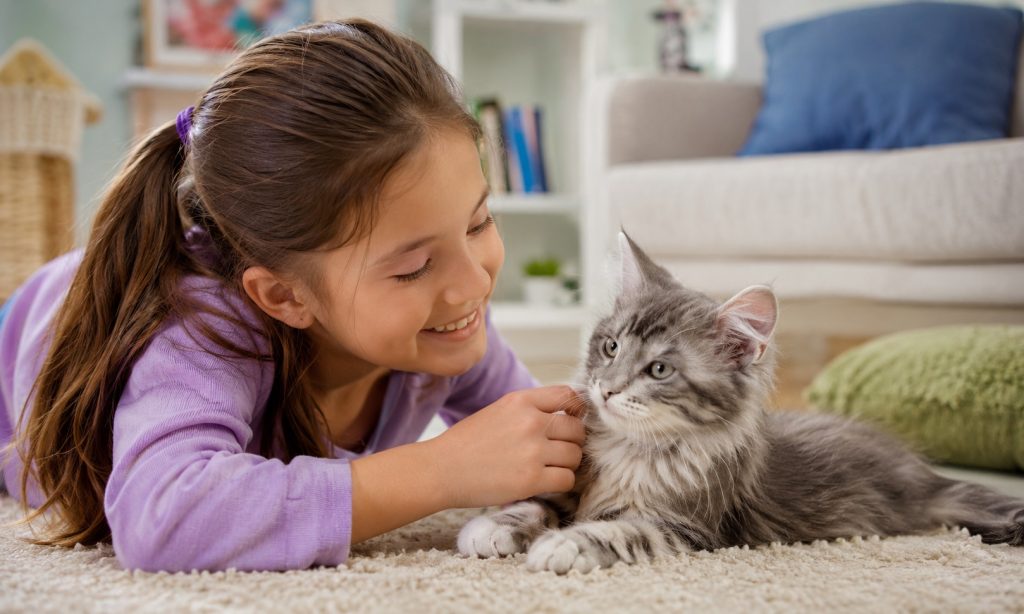
Affectionate, patient breeds like Ragdolls, Maine Coons, and Burmese are often the best cats for kids.
As a long-time shelter volunteer and cat foster who has matched dozens of families with pets, I know how important temperament, size, and care needs are when choosing the best cats for kids. This guide draws on hands-on experience, breed traits, and practical tips to help you pick a cat that fits your family’s energy, lifestyle, and safety needs. Read on to learn which breeds and behaviors to prioritize, how to prepare your home, and how to create a safe, loving bond between children and their new cat.
Why choose a kid-friendly cat?
Choosing one of the best cats for kids improves safety and quality of life for both the child and the cat. Kid-friendly cats tolerate handling, enjoy social interaction, and are less likely to lash out when stressed.
A good match reduces stress for parents and lowers the chance of bites or scratches that can scare children away from pets. I’ve seen shy cats thrive when families choose a calm, patient breed and follow basic training and supervision rules.

Source: thepioneerwoman.com
Top breeds that are the best cats for kids
Below are breeds that consistently show patient, tolerant temperaments. Each breed has unique care needs, so read the short profile to match personality to your household.
Ragdoll
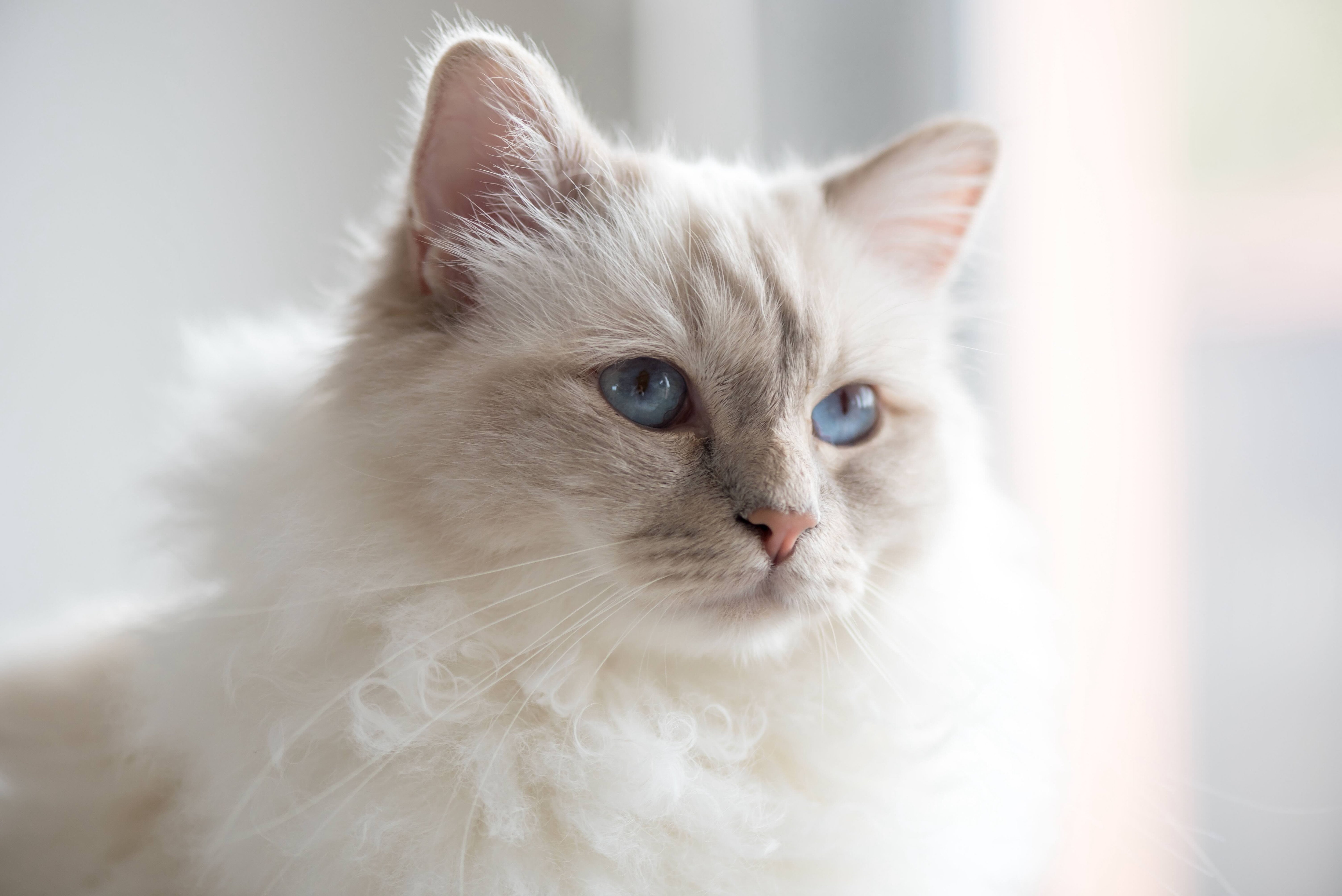
Ragdolls are calm and affectionate. They often go limp when held, which makes them very tolerant with kids. These cats thrive on human attention and are usually gentle around small hands.
Maine Coon
Maine Coons are large, sturdy, and playful. Their patient nature and sociable personality make them excellent family cats. They love interactive play and adapt well to busy households.
Burmese
Burmese cats are lively and people-oriented. They form strong bonds with family members and enjoy being in the center of activity. Burmese are vocal but gentle, which helps them communicate with kids.
Birman
Birmans are sweet-natured and quiet. They are less demanding than some breeds and are known for their steady temperament. This makes them a safe choice for homes with young children.
American Shorthair
American Shorthairs are adaptable and low-maintenance. They handle changes in routine well and are tolerant of handling, making them a reliable option for families.
Scottish Fold
Scottish Folds are calm and affectionate, though some have health concerns related to cartilage. If you choose one, work with a reputable breeder and prioritize health screening.
Exotic Shorthair
Exotic Shorthairs are gentle and low-energy. They enjoy cuddles and short play sessions, making them suitable for families that want a mellow companion.
:strip_icc()/GettyImages-937791390-e86d913eda9d444aa42be3cf1ea3c015.jpg)
Source: nokomisadvisory.com
Traits to look for in the best cats for kids
Focus on temperament and resilience more than looks. Here are traits that indicate a cat will do well with children:
- Steady temperament: The cat recovers quickly from stress and doesn’t freeze or bite.
- High tolerance for handling: Enjoys gentle petting and being held occasionally.
- Sociability: Seeks or accepts attention from different household members.
- Adaptability: Handles new sounds and routines without becoming anxious.
- Playfulness at appropriate levels: Engages in play without overstimulation.
Avoid cats that are overly skittish, highly territorial, or have a history of biting. I once matched a fearful adult cat with a toddler; despite the family’s good intentions, the cat regressed and needed rehoming. Learning from that, I now recommend trial visits and realistic expectations.
Source: litter-robot.com
Age, energy, and matching to your family
Matching a cat’s age and energy level to your family prevents mismatches that cause stress for kids and pets alike.
- Kittens: Energetic and playful, kittens can be a lot for young kids. They require training and supervision. Kittens are great for families ready to invest time in play, training, and early socialization.
- Young adults (1–4 years): Often have high social needs but slightly more control than kittens. They can be a sweet compromise for active families.
- Adults (4–8 years): More settled, predictable energy. Ideal for families with small children who need a calm companion.
- Senior cats: Low-energy and often very tolerant. Seniors can be perfect if kids understand slower movement and gentler handling.
Personal tip: I recommend adopting a young adult or adult cat for first-time families with kids. These cats often have established temperaments you can evaluate during a meet-and-greet.
Source: fearfreehappyhomes.com
Preparing your home and teaching kids to interact safely
Preparation is as important as the breed you choose. Teach children proper cat manners and create safe spaces for the cat.
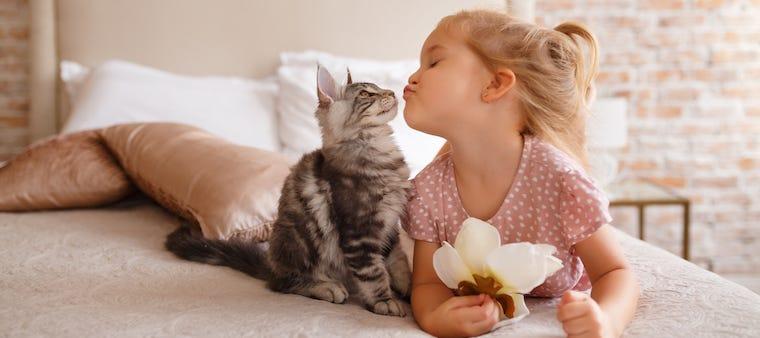
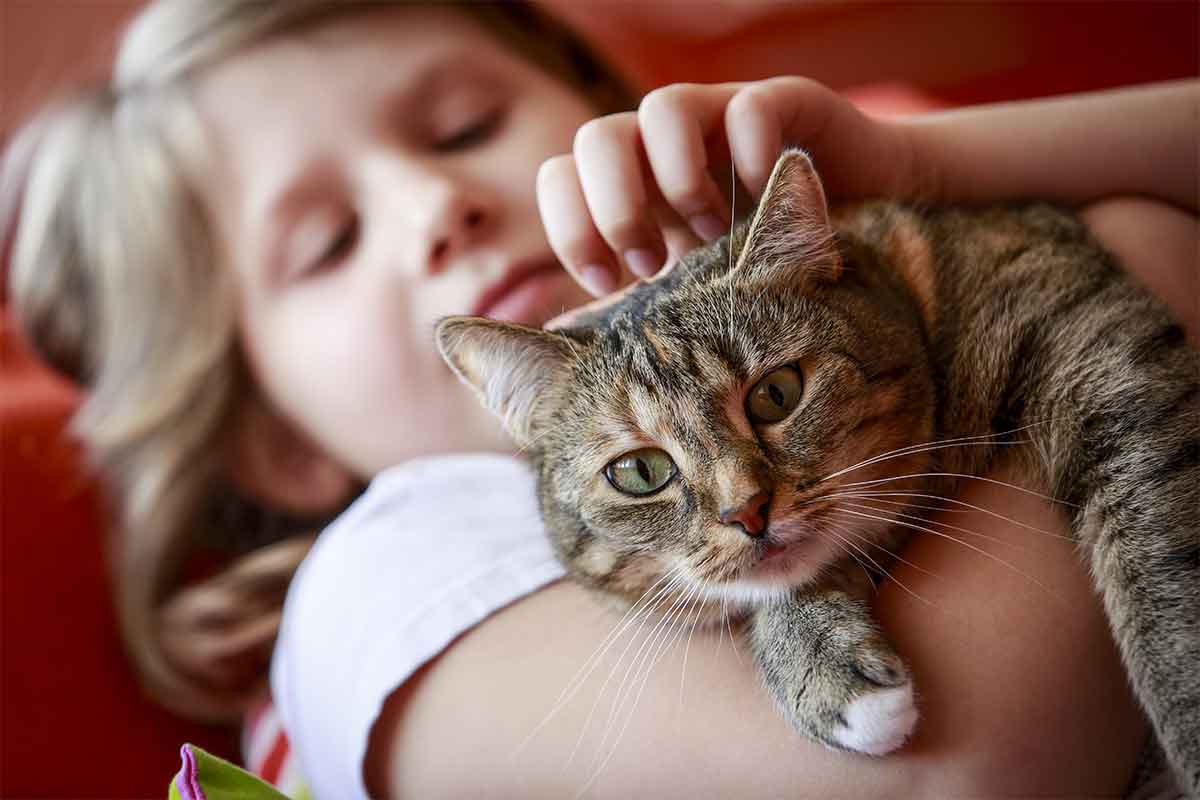
- Teach gentle handling: Show kids how to pet the cat’s back, side, and head gently. Avoid pulling tails or ears.
- Supervise interactions: Always supervise children under 8 with a cat. Intervene if the cat shows stress signals like flattened ears or hissing.
- Create escape routes: Cats need high perches and quiet rooms where they can retreat.
- Set boundaries for play: Use toys, not hands, for rough play. Teach kids to stop play if the cat walks away.
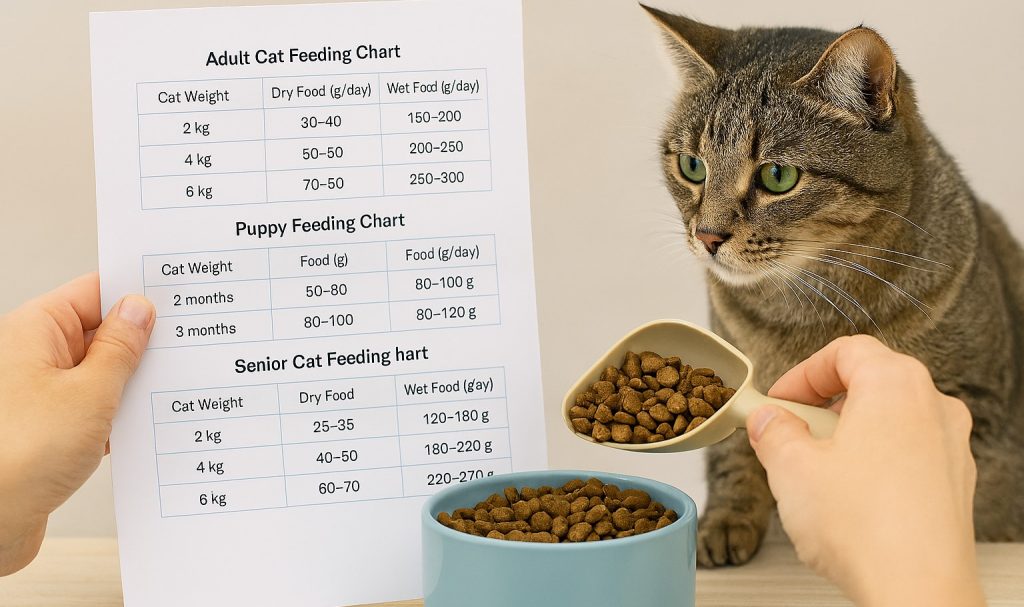
- Routine and feeding: Keep consistent meal and play times. Consistency reduces stress for the cat.
From experience, role-playing calm interactions with kids before bringing the cat home reduces accidental rough handling. Use reward-based praise for kids who follow pet rules.
Source: alisonodey.com
Health, grooming, and care for kid-friendly cats
Good health and grooming routines support a positive relationship between kids and cats. These routines also teach kids responsibility.
- Regular vet care: Keep vaccinations, parasite control, and wellness checks current.
- Grooming: Brush long-haired breeds regularly to reduce matting and shedding. Brushing can be a calming activity kids can help with under supervision.
- Nail care: Trim nails or provide scratching posts to minimize damage and reduce scratch risk.
- Litter box maintenance: Place boxes in quiet areas and scoop daily. Teach older kids to check and report issues.
- Diet and allergies: Discuss allergies before adopting. Some families find certain breeds shed less, but no cat is truly hypoallergenic.
I once cared for a family where daily brushing became a bonding routine between a child and their Ragdoll. It reinforced respect for the cat’s space while teaching responsibility.

Source: omlet.us
Adopting vs buying: tips for finding the best cats for kids
Consider adoption first. Shelters and rescues have many affectionate cats that make excellent family pets. When buying, prioritize reputable breeders who screen for health and temperament.
- Adoption advantages: Many adult cats in shelters are already socialized and have known behavior traits.
- Working with breeders: Ask about health checks and early socialization. Meet parents if possible.
- Trial visits: Arrange short, supervised meet-and-greets with your children to evaluate fit.
- Ask questions: Inquire about the cat’s history, reactions to kids, and daily habits.
- Contracts and support: Choose places that offer post-adoption support and a return policy if the match fails.
From my shelter work, a careful adoption process paired with a trial period greatly reduces rehoming. Families who invest time in proper introductions report higher long-term success.
Frequently Asked Questions of best cats for kids
What are the easiest cat breeds for families with children?
Breeds like Ragdoll, Maine Coon, and American Shorthair are often easygoing and tolerant, which suits families. Look for cats with steady temperaments and proven socialization.
Are kittens or adult cats better for homes with kids?
Adult cats or young adults usually make better matches because their temperament is predictable. Kittens demand more supervision, training, and patience from children and parents.
How do I teach my child to handle a cat safely?
Model gentle petting, use short supervised sessions, and teach kids to watch the cat’s body language. Praise calm behavior and use toys for active play to keep hands safe.
Can kids be allergic to cats, and what can we do?
Yes, cat allergies are common and caused by dander and proteins in saliva. Consider allergy testing, frequent grooming, HEPA filters, and choosing lower-shedding breeds to reduce symptoms.
What signs show a cat is stressed around kids?
Look for flattened ears, hiding, hissing, swatting, or sudden urination outside the litter box. If you see these signs, separate the child and cat and give the cat a calm space to recover.
Conclusion
Choosing one of the best cats for kids means balancing temperament, energy, and care needs with your family’s routine. Prioritize steady, social breeds or adopt an adult cat whose behavior you can observe. Teach children gentle handling, supervise interactions, and create a safe environment that respects the cat’s needs.
Take action by scheduling meet-and-greets, preparing a calm space for your new pet, and involving your children in responsible care. Share your experiences or ask questions below to get tailored advice and next steps for finding the right family cat.