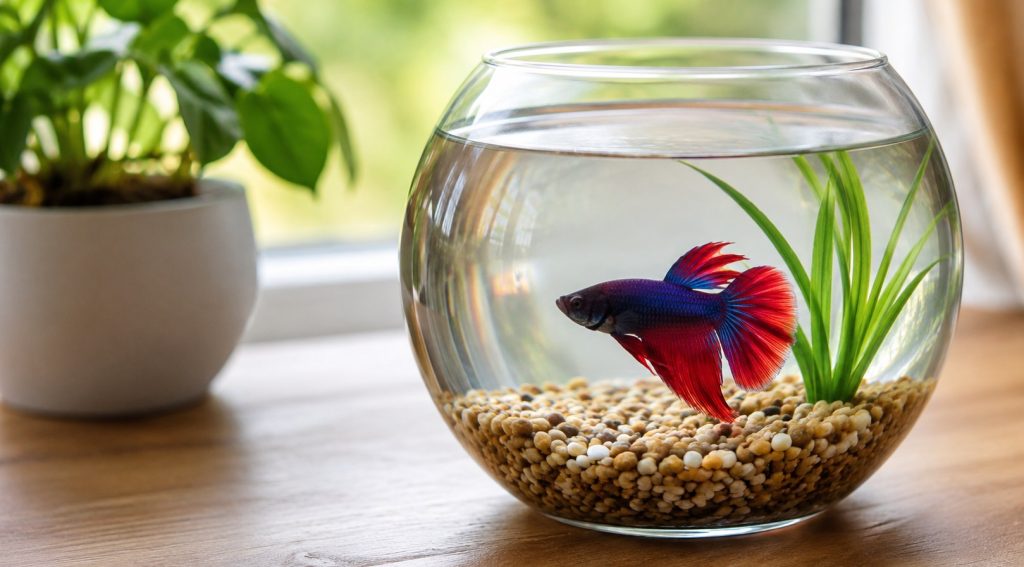
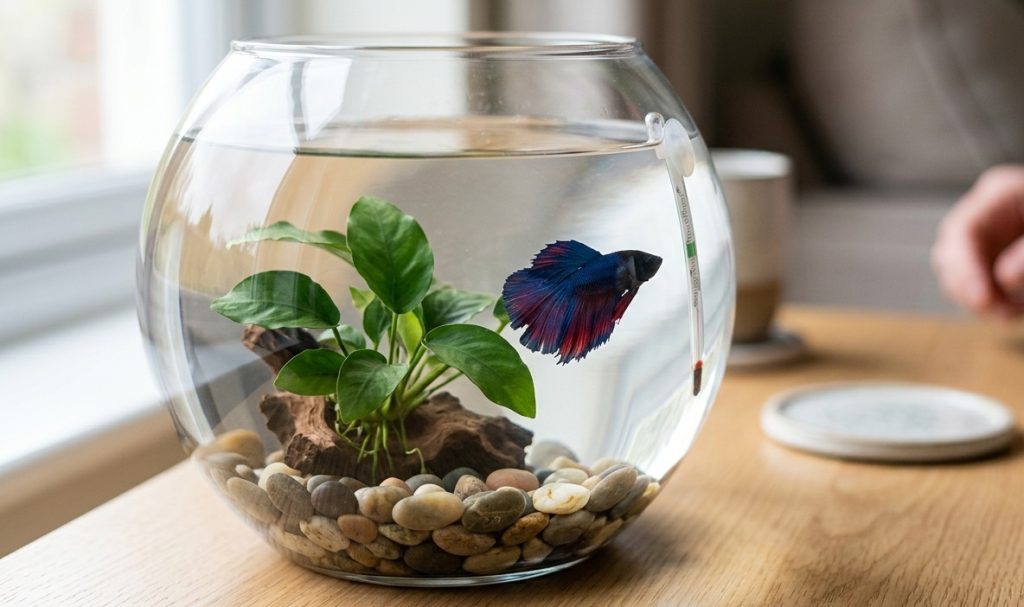
Clean a betta bowl by doing weekly partial water changes and monthly gentle scrubs.
I have kept and cared for bettas for years and have cleaned dozens of bowls and tanks. This guide explains exactly how to clean a betta fish bowl safely and simply. You will find clear steps, tips on water care, mistakes to avoid, and quick answers to common questions. Read on to keep your betta healthy and the bowl sparkling.
Why regular cleaning matters for your betta
Bettas live in small water volumes. Waste, uneaten food, and algae can build up quickly. Poor water quality causes stress, illness, and a shorter life span. Knowing how to clean a betta fish bowl helps you prevent ammonia spikes, low oxygen, and harmful bacteria growth. Clean water keeps colors bright and fins healthy.
Source: youtube.com
How often to clean a betta fish bowl
You should do small water changes weekly and a deeper clean monthly. For bowls under 2 gallons, change 30% to 50% of the water every 3 to 7 days. For larger bowls or tanks, a 20% to 30% weekly change often works. A full, careful cleaning of the bowl and decor is best every 3 to 4 weeks, unless the bowl gets very dirty sooner.
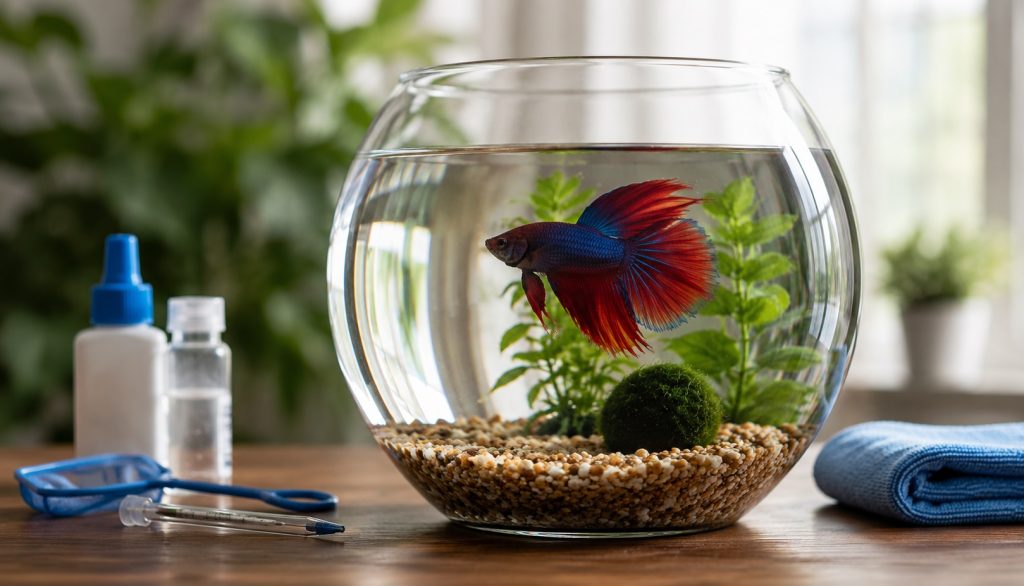
What you need before you start
Gather these items for a safe, effective clean:
- Clean bucket reserved for aquarium use only. Do not use household cleaners.
- Water conditioner to remove chlorine and chloramines.
- Aquarium-safe sponge or soft cloth. Avoid soap or detergents.
- Gravel vacuum or siphon for partial water changes.
- Small net and soft brush for hard-to-reach glass spots.
- Thermometer to match water temperature.
- Optional: water test kit for ammonia, nitrite, nitrate, and pH.

Source: wikihow.com
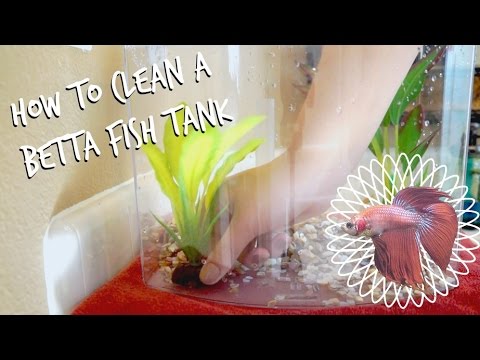
Step-by-step: how to clean a betta fish bowl safely
- Prepare replacement water
- Fill a clean bucket with tap water and let it reach room temperature. Add water conditioner according to label. Test temperature with a thermometer and match the bowl water as closely as possible.
- Remove the betta and decor
- Gently net your betta and place it in a temporary container with some bowl water. Remove plants and decorations and set them aside in a small container of bowl water to avoid shocking beneficial bacteria.
- Do a partial water change (weekly maintenance)
- Use the siphon or gravel vacuum to remove 30% to 50% of the bowl water and debris. Vacuum the substrate lightly to remove waste without removing all beneficial bacteria.
- Clean the glass and decor
- Wipe the inside glass with the aquarium-safe sponge. Clean decor and plants with warm water only; scrub algae off with a soft brush if needed. Never use soap or bleach.
- Refill with conditioned water
- Slowly add the prepared conditioned water to the bowl. Ensure the temperature matches the bowl within a couple degrees. This avoids thermal shock.
- Return the betta
- Acclimate your fish by floating the temporary container for several minutes, then slowly add small amounts of bowl water to the container before returning the betta to the bowl.
- Final checks
- Test water parameters if possible. Watch your betta for normal breathing and activity for the next hour.
This routine teaches you how to clean a betta fish bowl without harming the fish or the life-supporting bacteria.
Source: rochvalleydental.com
Deep cleaning vs partial clean: when to do each
Partial clean (weekly)
- Purpose: Remove waste and refresh water.
- When: Every 3–7 days for small bowls.
- Benefit: Keeps ammonia low and reduces stress.
Deep clean (monthly or as needed)
- Purpose: Remove stubborn algae, heavy debris, and clean all decor.
- When: Every 3–4 weeks or when algae and muck build up.
- How: Remove fish temporarily, clean bowl and decorations with warm water, then refill with conditioned water.
Use deep cleaning sparingly. Too frequent full cleans can strip beneficial bacteria and cause toxic spikes. Learn to judge the bowl by water clarity and test results.

Source: wikihow.com
Water conditioning and safe chemicals
Tap water often contains chlorine or chloramine. Use a water conditioner every time you add tap water. Avoid soaps and household cleaners. If you must use a stronger disinfectant for severe contamination, rinse thoroughly and let the bowl air-dry to remove residues before refilling.
Use only aquarium-approved treatments for:
- Removing chlorine and chloramines.
- Neutralizing heavy metals.
- Treating bacterial or fungal infections.
Follow product instructions carefully. Overdosing treatments can harm your betta.
Common mistakes to avoid when you clean a betta fish bowl
- Cleaning with soap or household detergents. Even tiny residues can kill fish.
- Doing frequent full water changes. This removes helpful bacteria.
- Using cold or very hot water. Temperature shock stresses fish.
- Overcleaning live plants and gravel. You remove beneficial bacteria.
- Skipping water conditioning. Chlorine harms gill function.
These errors are common. Avoid them to keep your betta safe and healthy.

Source: wikihow.com
Personal experience and practical tips
I once cleaned a 1-gallon bowl too thoroughly and lost the beneficial bacteria. My betta showed stress the next day. After that, I switched to weekly 40% changes and monthly decor scrubs. Here are lessons I learned:
- Keep a dedicated bucket for aquarium work only.
- Use a small aquarium thermometer to match temperatures.
- Feed sparingly; less waste means less cleaning.
- If algae returns quickly, reduce light or cut feedings before resorting to chemicals.
These tips made my routine easy and my betta more active and colorful.

Source: reddit.com
How to handle algae and stubborn stains
- Reduce light exposure by shifting the bowl away from direct sun.
- Use an algae scraper or soft brush to clean glass.
- Remove hard-to-clean decor and soak in warm water, then scrub gently.
- For mineral stains, a paste of baking soda and water can help; rinse thoroughly and air-dry before returning to the bowl.
Avoid chemical algaecides unless necessary, and use them under guidance.
Setting up a low-maintenance betta bowl
- Choose a bowl 2 gallons or larger if space allows; bigger water volume is more stable.
- Add live or silk plants to help filter water and hide waste.
- Use a gentle filter if possible to reduce maintenance while ensuring water movement.
- Keep a consistent feeding schedule and remove uneaten food after a few minutes.
A stable setup reduces how often you need to deep clean and makes the task of how to clean a betta fish bowl simpler.
Frequently Asked Questions of how to clean a betta fish bowl
How often should I do a full clean of my betta bowl?
Do a full, careful clean every 3 to 4 weeks. Weekly partial water changes are more important to keep water safe.
Can I use vinegar to clean aquarium glass?
Yes, dilute white vinegar works for mineral stains on empty glass. Rinse and air-dry the bowl thoroughly before refilling and returning the fish.
Is it safe to move my betta during cleaning?
Yes, move your betta to a temporary container with some original water and cover it to reduce stress. Keep temperatures matched and minimize the time out of the bowl.
How much water should I change each week?
Change 30% to 50% for small bowls weekly. For larger bowls, 20% to 30% weekly is often enough.
Will cleaning remove beneficial bacteria?
A full sterilizing clean will remove beneficial bacteria. Avoid removing all substrate and biofilm; partial changes preserve helpful bacteria and keep water stable.
Conclusion
Keeping a betta bowl clean is simple when you follow safe steps. Do weekly partial water changes, condition new water, and perform a gentle monthly deep clean to protect your fish. Use the right tools and avoid soaps or sudden temperature shifts. Start this routine now to see a happier, healthier betta and clearer water. Try one of the tips above, subscribe for more fish care guides, or share your own cleaning wins and questions below.