Build a safe, attractive fish bowl using simple materials and proper water care.
As an experienced aquarist and content creator, I will walk you through exactly how do you make a fish bowl that is safe, healthy, and beautiful. This guide blends hands-on experience, clear steps, and practical tips so you can set up, stock, and maintain a fish bowl with confidence. Read on to learn materials, step-by-step assembly, water treatment, fish choices, ongoing care, and common pitfalls to avoid while making your fish bowl thrive.
Materials and tools you need to make a fish bowl
Before you begin, gather these essential items. Knowing what to buy saves time and protects fish health when you ask how do you make a fish bowl.
- Glass or acrylic bowl sized for your intended fish and space.
- Clean gravel or substrate sized for bowls.
- Small sponge filter or low-flow filtration suited to bowls.
- Aquarium-safe decorations and live or silk plants.
- Water conditioner to remove chlorine and chloramine.
- Test kit for ammonia, nitrite, nitrate, and pH.
- Dechlorinator and, if needed, an aquarium heater.
- Net, small siphon for water changes, and a thermometer.
Choose materials labeled aquarium-safe. When people ask how do you make a fish bowl, choosing proper filtration and testing gear is often the difference between success and repeated problems. Bowls lack surface area and volume; prioritize oxygen and water quality tools accordingly.
Step-by-step: how do you make a fish bowl that’s ready for fish
Follow these clear steps to build your bowl from empty glass to a stable environment. Each step explains why it matters and how to do it right.
- Clean the bowl
- Rinse new bowl with warm water only. Avoid soap, which can harm fish.
- Wipe with a clean cloth and let air-dry.
- Add substrate and decorations
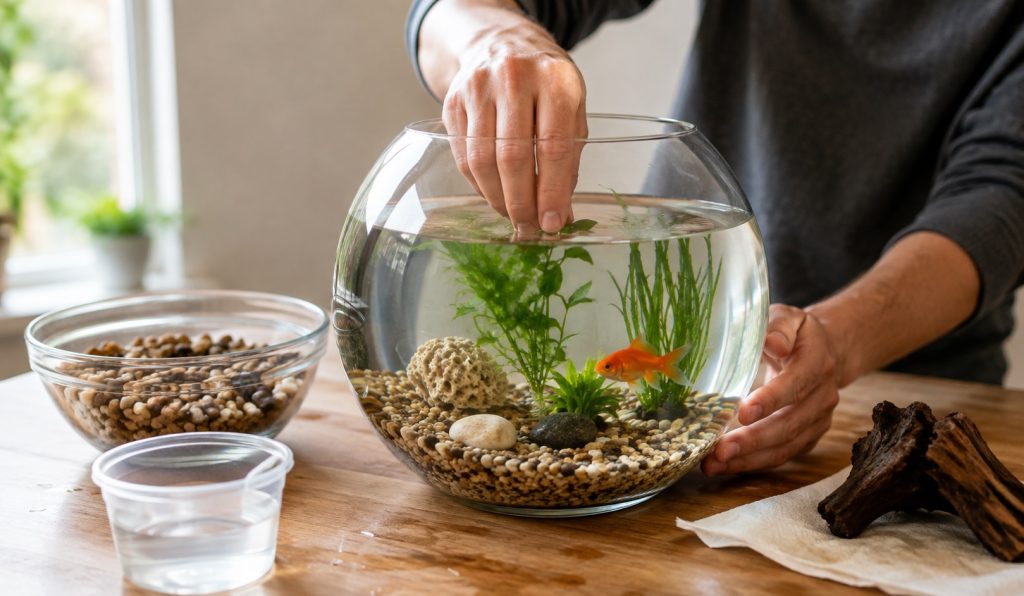
- Place a 1–2 inch layer of aquarium gravel or sand.
- Rinse substrate first to remove dust.
- Arrange plants and decorations to create hiding spots and visual appeal.
- Install filtration and heater (if required)
- Place a sponge filter or micro-filter suitable for small volumes.
- If housing tropical fish, install a small heater with a visible thermostat.
- Fill and treat water
- Fill bowl with tap water adjusted to room temperature.
- Add water conditioner per instructions to neutralize chlorine and chloramine.
- Cycle the bowl
- Begin a nitrogen cycle before adding fish by seeding with beneficial bacteria or using established filter media.
- Monitor ammonia, nitrite, and nitrate until levels stabilize.
- Add fish slowly
- Introduce one fish at a time over several weeks.
- Acclimate fish to the bowl water by floating their bag and gradually mixing small amounts of bowl water.
Answering how do you make a fish bowl well requires patience during cycling. Rushing this step often leads to stress and illness in fish.
Water chemistry, cycling, and maintenance for a healthy fish bowl
Water quality is the most important factor when you consider how do you make a fish bowl that lasts. Small bowls change chemistry quickly, so frequent testing and small adjustments are key.
- Understand nitrogen cycle basics
- Ammonia comes from waste and food breakdown.
- Beneficial bacteria convert ammonia to nitrite, then nitrate.
- Only low, stable nitrate is acceptable; use regular water changes to control it.
Maintenance routine
- Test water twice weekly for ammonia and nitrite until stable, then weekly.
- Change 20–30% of water twice weekly in very small bowls; larger mini-aquaria may need weekly changes.
- Clean filter sponge in removed tank water to preserve beneficial bacteria.
- Remove uneaten food and visible waste daily.
When readers ask how do you make a fish bowl safe, emphasize water testing and small, consistent maintenance tasks rather than grand one-time fixes. My experience shows steady micro-maintenance prevents most common problems.
Choosing fish and stocking levels for a fish bowl
Picking the right fish answers the practical side of how do you make a fish bowl work. Many species suffer in small volumes; choose carefully.
- Best choices for small bowls
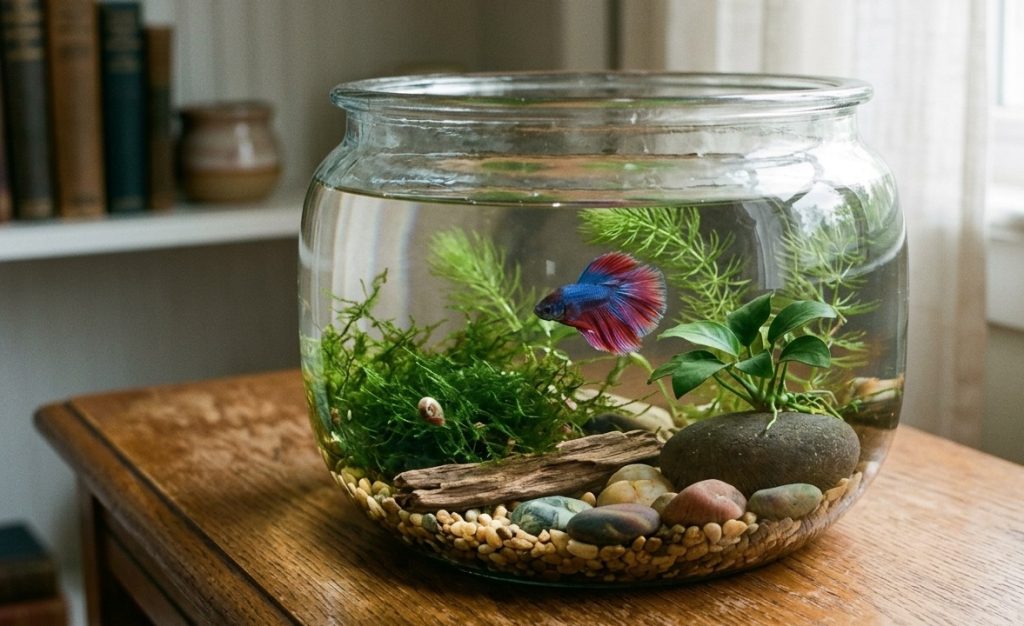
- Small bettas in properly sized bowls with filtration and heater.
- Certain small livebearers or microfish in larger mini-aquariums.
- Snails and shrimp as cleanup crew options.
Stocking rules
- Follow conservative stocking: one small fish per several gallons rather than cramming.
- Research each species’ adult size and oxygen needs.
- Avoid common mistakes like adding multiple fish to a tiny bowl because it looks empty.
I once tried to stock a 2-gallon bowl with three small fish and learned the hard way; oxygen and waste built up fast. After downsizing to one healthy betta and adding live plants, the bowl stabilized and looked much better.
Source: myturnforus.com
Common mistakes, troubleshooting, and how do you make a fish bowl resilient
Knowing typical errors helps you avoid them. Here are problems and clear fixes to ensure your bowl stays resilient.
- Overfeeding
- Symptom: cloudy water and high ammonia.
- Fix: feed tiny portions once daily and remove uneaten food after a minute.
- Skipping cycle
- Symptom: sudden fish stress, ammonia spikes.
- Fix: cycle the bowl first or add beneficial bacteria and perform more frequent water changes.
- Poor aeration and oxygen
- Symptom: gasping fish at the surface.
- Fix: add surface agitation with a small filter or air-driven sponge filter.
- Overstocking
- Symptom: chronic water quality issues and disease.
- Fix: reduce fish numbers and increase water changes.
When people ask how do you make a fish bowl last, focus on prevention. Small changes early prevent big problems later.
Personal tips and lessons learned from setting up fish bowls
My hands-on experience informs practical tips that save time and fish lives. These are the lessons that make setting up your bowl easier.
- Start with a stable plan: choose fish species first then choose bowl size.
- Use live plants: they consume nitrates and add oxygen.
- Keep a simple maintenance log: date tests, levels, and water changes.
- Expect trial and error: mimic nature slowly and avoid shortcuts.
A memorable lesson: patience during the cycling phase paid off. Waiting two weeks to add fish transformed the bowl from cloudy and unstable to clear and lively.
Related equipment and upgrade options
If you want to scale up or improve your setup, these upgrades are valuable when you explore how do you make a fish bowl that evolves over time.
- Better filtration: small canister or hang-on-back units scaled to tank size.
- CO2-free plants: houseplants or low-light aquatic plants that are easy to maintain.
- Automated feeders for consistent feeding on busy days.
- LED lights with timers for plant health and predictable day-night cycles.
Upgrading thoughtfully helps your bowl age into a stable ecosystem without sudden changes that stress fish.
Frequently Asked Questions of how do you make a fish bowl
What size bowl is best for a fish?
A larger bowl or small aquarium (5 gallons or more) is best. Bigger volume stabilizes water chemistry and supports health.
Can I keep a betta in a fish bowl?
You can keep a betta in a properly cycled and filtered bowl that provides at least 2.5 to 5 gallons and stable temperature. Avoid tiny unheated bowls because bettas need oxygen and warmth.
How often should I change the water in a fish bowl?
Perform partial water changes 20–30% two times weekly for small bowls, or weekly for larger mini-aquaria. Adjust frequency based on test results and fish load.
How do I cycle a fish bowl safely?
Cycle by adding beneficial bacteria, using seeded filter media, or doing fishless cycling with ammonia until tests show zero ammonia and nitrite. Monitor with test kits and be patient.
What fish should I avoid in a bowl?
Avoid large, active, or schooling fish like goldfish or tetras in small bowls because they need more space and filtration. These fish produce more waste than a bowl can handle.
Conclusion
Making a fish bowl that thrives means planning, patience, and consistent care. Follow step-by-step setup, prioritize water quality, choose suitable species, and perform steady maintenance to succeed. Start small, test often, and learn from each setup—your confidence will grow with experience. Try these steps this week, subscribe for more guides, and share your results or questions in the comments to keep improving your bowl-making skills.