Siberian, Balinese, Sphynx, Devon Rex, and Russian Blue often suit people with cat allergies.
As a long-time cat owner and writer who has tested multiple breeds and managed allergy reactions firsthand, I’ll guide you through the best cats for people with allergies. This article explains why some cats trigger fewer symptoms, which breeds tend to suit allergy sufferers, how to test compatibility, and practical steps to live comfortably with a cat. Read on for clear, research-backed advice and real-life tips to help you choose the best cats for people with allergies.
How cat allergies work and what to expect
Most people allergic to cats react to proteins in saliva, skin cells (dander), and urine. The main culprit is a protein called Fel d 1. That protein sticks to hair and surfaces. It becomes airborne and causes sneezing, itchy eyes, and wheeze.
Allergy severity differs by person and environment. Some breeds produce less Fel d 1 or shed less dander. However, no cat is truly hypoallergenic. The best cats for people with allergies simply tend to lower exposure to allergens. Small changes at home can make a big difference in symptoms.
What “hypoallergenic” really means for cats
Hypoallergenic is a marketing label, not a medical guarantee. It means a breed may trigger fewer reactions for some people. Factors that matter include coat type, grooming habits, and behavior. Male cats often produce more Fel d 1 than females, and intact males may produce the most.
Methods like frequent bathing, air filtration, and cleaning reduce allergens. Still, individual response varies. The best approach is trial adoption and careful testing.
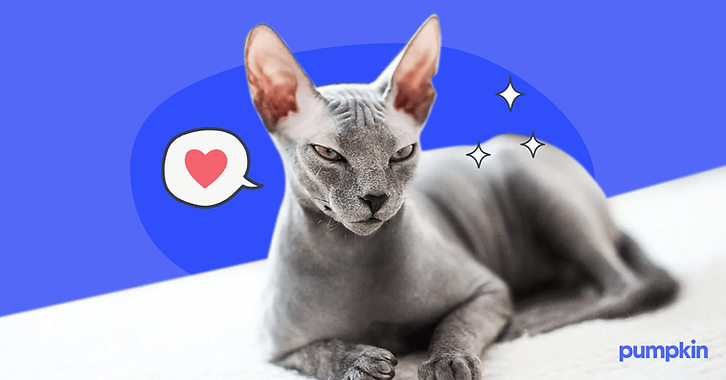
Source: pumpkin.care
Top breeds often recommended as the best cats for people with allergies
Below are breeds commonly cited as better fits for allergy sufferers. Each breed has traits that can lower allergen exposure. Remember: breed matters less than the individual cat and household routine.
- Siberian: Known for lower Fel d 1 levels in many individuals. They have a thick coat but often trigger fewer symptoms for some people.
- Balinese: Long-haired but linked to lower allergen production. They are social and vocal.
- Sphynx: Hairless, so less fur to trap dander. They need regular baths to remove oil and dander from skin.
- Devon Rex: Short, curly coat that sheds less. Their texture helps keep dander close to the skin.
- Cornish Rex: Very short, wavy coat with less shedding. They often work well for sensitive owners.
- Russian Blue: Dense double coat that traps dander, and many owners report milder reactions.
- Oriental and Siamese types: Short coats and lower shedding for many individuals.
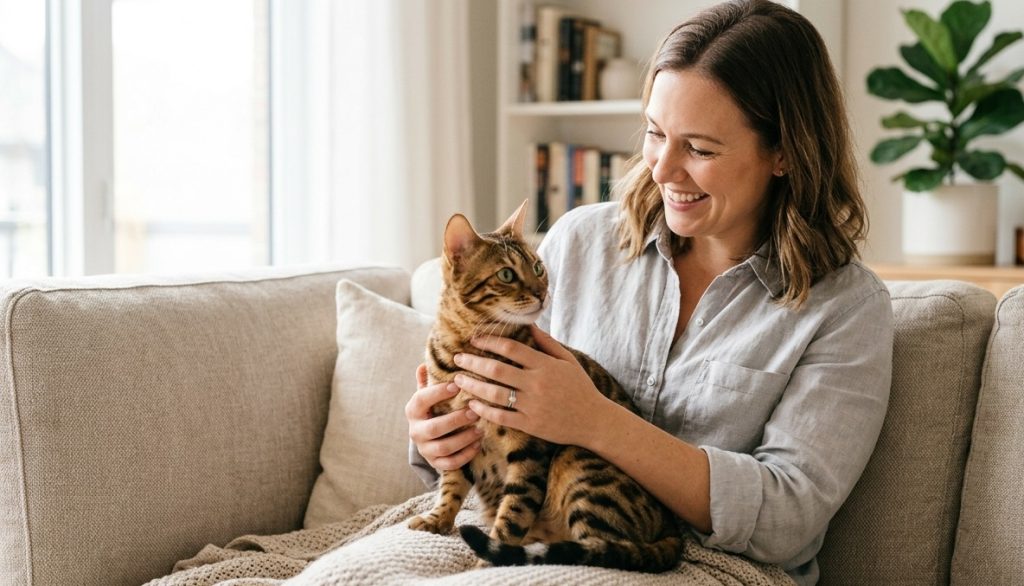
- Bengal: Short coat and minimal shedding for some. Activity levels are high, so they groom often.
- Javanese and Egyptian Mau: Lower shedding and may produce less allergen in some cases.
Each breed has exceptions. Some individuals of these breeds may still cause strong reactions. Adopt or foster first when possible to test tolerance.
How to choose and test a cat safely if you have allergies
Follow a stepwise, low-risk plan to find the best cats for people with allergies:
- Visit and stay: Spend several hours with the cat in a closed room. Note symptoms over 24–72 hours.
- Short-term foster: Arrange a temporary foster to test reactions at home. This gives a real-world picture.
- Allergy testing: See an allergist for skin or blood tests. Tests identify sensitivity but not exact tolerance to a particular cat.
- Consider sex and neuter status: Neutered males may produce less Fel d 1 than intact males. Female cats often cause fewer issues for some people.
- Clean-up trial: Run a HEPA filter, do deep cleaning, and bathe a trial cat if permitted to see if symptoms drop.
Testing reduces surprises. Prioritize comfort and safety. If severe asthma or anaphylaxis is a risk, consult your doctor before exposure.

Source: womansday.com
Practical tips to live with a cat when you have allergies
Living with a cat can work well with the right routine. These steps help lower allergens and improve comfort.
- Create cat-free zones: Keep bedrooms and especially the bed off-limits to reduce nighttime exposure.
- Use HEPA filters: Run air purifiers in main living areas and the bedroom to catch airborne dander.
- Clean often: Vacuum with a HEPA vacuum, dust with damp cloths, and wash bedding weekly.
- Groom regularly: Brush outside if possible and bathe cats as recommended to reduce loose dander.
- Wash hands after handling: This limits transfer of allergens to your face.
- Flooring choices: Hard floors are easier to clean than carpet and help reduce trapped dander.
- Soft furnishings: Use washable covers for sofas and pillows to remove allergens easily.
These methods help make many of the best cats for people with allergies practical housemates. Results vary, so keep a symptom diary to know what works for you.
:max_bytes(150000):strip_icc()/balinese-cat-getty-0420-c8bfb7a2dbf348ad853ead8e037d54d2.jpg)
Source: marthastewart.com
My experience, lessons learned, and common mistakes to avoid
I have lived with two different breeds while managing seasonal and pet allergies. I tested each cat by fostering before committing. Short visits did not predict full-time exposure. Long testing periods are essential.
Common mistakes I saw and made:
- Assuming “hairless” equals no allergy: Sphynx cats still carry Fel d 1 on their skin.
- Skipping an allergist visit: Testing helps set realistic expectations.
- Neglecting cleaning routines: Even low-shedding breeds need regular care.
- Buying without a trial: Rehoming or trial fostering prevented regrets.
My best lesson: preparation and patience matter more than breed. With routine care, several breeds I mentioned worked well for me and for others I know.
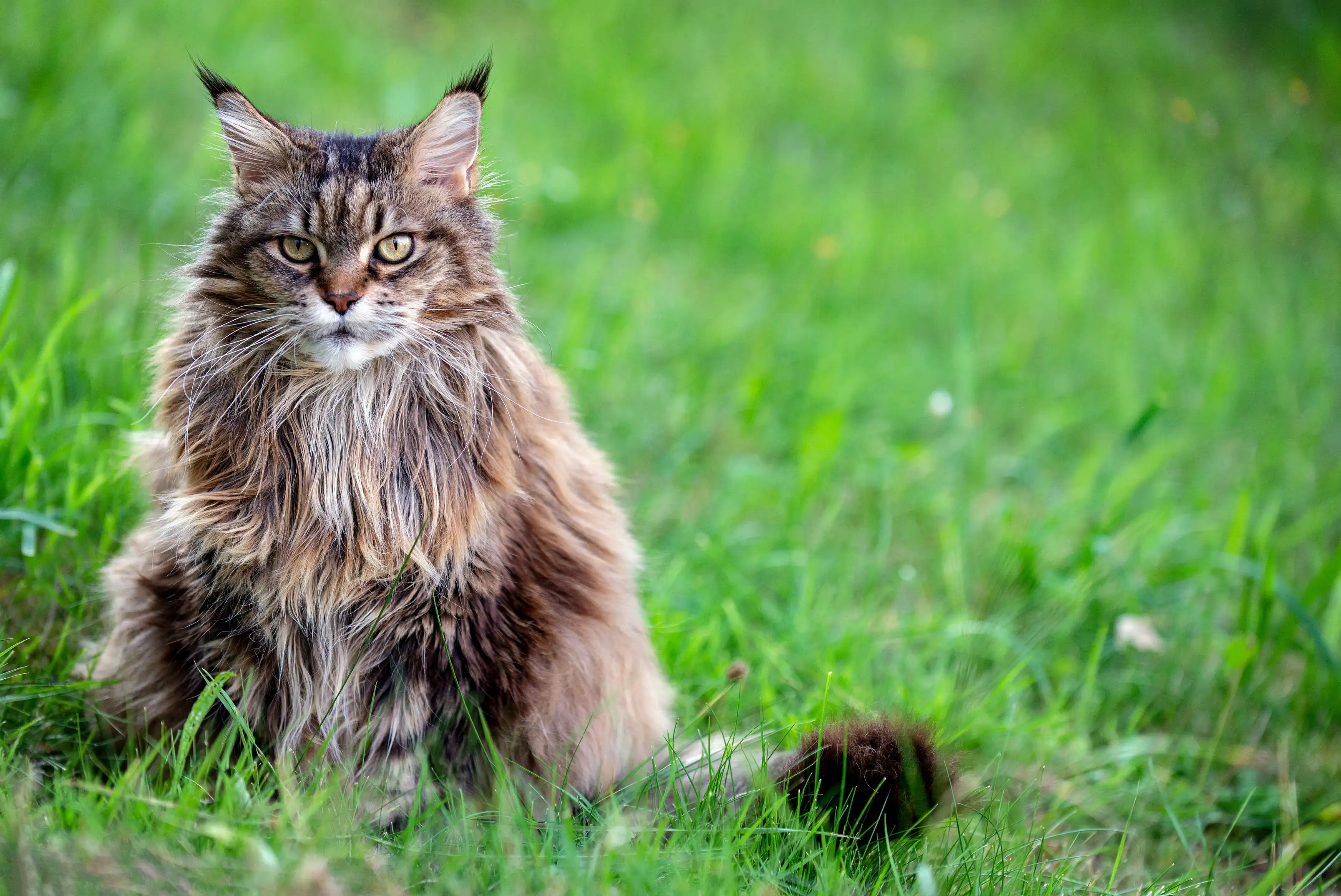
Source: money.com
Frequently Asked Questions of best cats for people with allergies
What is the single best cat breed for people with allergies?
There is no single best breed for everyone. Many people find Siberian, Balinese, Sphynx, or Rex breeds easier, but individual tolerance varies. Try fostering before adoption to be sure.
Are hypoallergenic cats truly allergy-free?
No. Hypoallergenic cats are not allergy-free. They may produce fewer allergens or shed less, which can help some people but not all.
Can cleaning and air filters make any cat suitable for allergy sufferers?
Yes. Regular cleaning and HEPA filtration lower airborne allergens and can make living with many cats possible for sensitive people. These measures reduce, but do not eliminate, exposure.
Should I get allergy tests before adopting a cat?
It is wise to see an allergist before adopting if you have known allergies. Tests show sensitivity but a home trial is still important for real-world response.
Do male and female cats differ in allergen levels?
Often, yes. Male cats, especially intact males, can produce more Fel d 1. Neutering usually reduces allergen levels over time.
Conclusion
Choosing the best cats for people with allergies means balancing breed traits, personal sensitivity, and home routines. Test first, clean often, and use tools like HEPA filters to reduce exposure. With careful planning, many allergy sufferers enjoy long, healthy relationships with cats. Take action by arranging a foster or visit, consult an allergist if needed, and share your experience in the comments or subscribe for more practical pet guides.