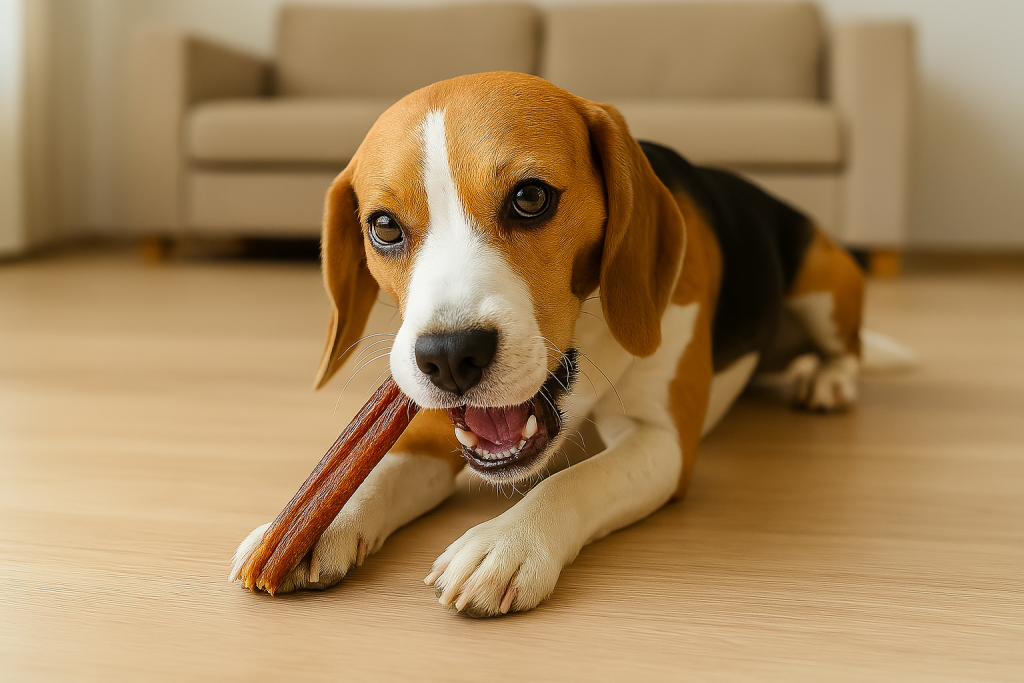
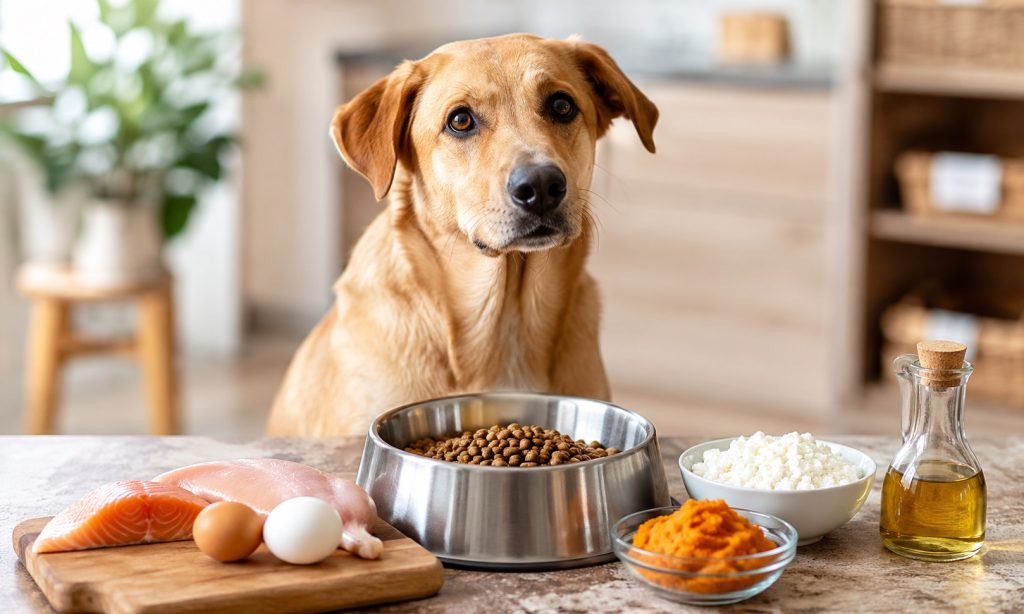
Feed a balanced, calorie-dense diet, increase meal frequency, rule out illness, and work with your vet.
I’ve helped dozens of dogs safely gain healthy weight by combining veterinary checks, targeted nutrition, and simple daily routines. This guide explains the best way for a dog to gain weight, step by step: how to assess causes, design a calorie-forward feeding plan, add muscle-building activity, choose safe supplements, and monitor progress. You’ll get practical, vet-aligned strategies and real-world tips so you can restore your dog’s body condition without risking health problems.
Why dogs lose weight and why it matters
Dogs can lose weight for many reasons. Some causes are medical and urgent, while others are behavioral or nutritional. Understanding why your dog is underweight is the first step to choosing the best way for a dog to gain weight.
Common causes
- Parasites and infections can reduce appetite and nutrient absorption.
- Dental pain can make eating uncomfortable.
- Chronic disease such as kidney, liver, or thyroid problems often causes weight loss.
- Poor-quality diet or incorrect calorie intake prevents weight maintenance.
- Stress, changes in household routine, or picky eating behavior can reduce food intake.
Why addressing underweight status is important
- Low body fat and muscle reduce immune function and cold tolerance.
- Underweight dogs heal slower and have less energy for normal activity.
- Restoring a healthy weight improves quality of life and longevity.
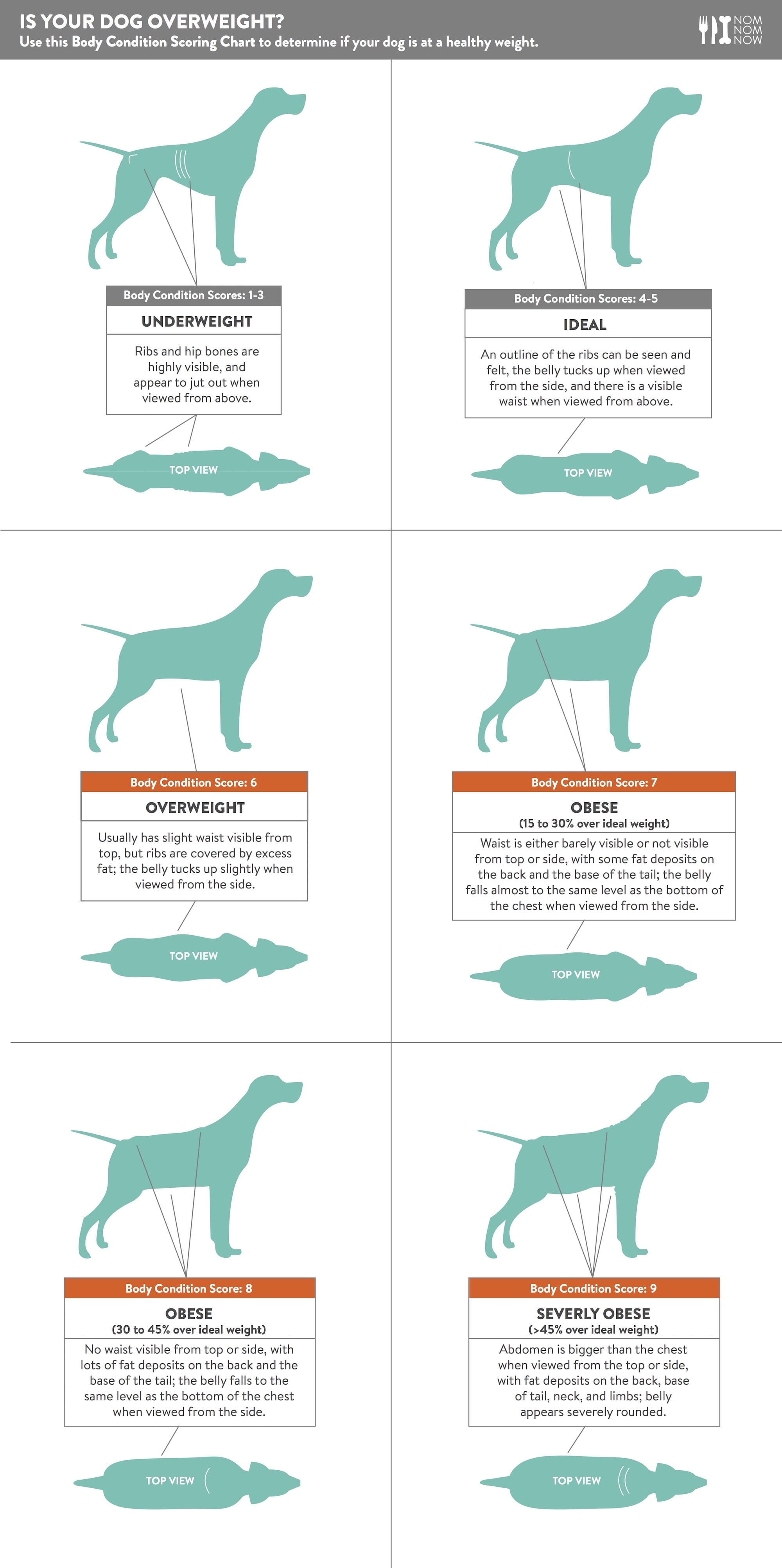
Source: nomnomnow.com
Assessing your dog: tests, measurements, and goals
Before changing food, get a clear baseline. The best way for a dog to gain weight starts with assessment.
Steps to assess
- Schedule a veterinary exam for a physical and basic bloodwork to rule out disease.
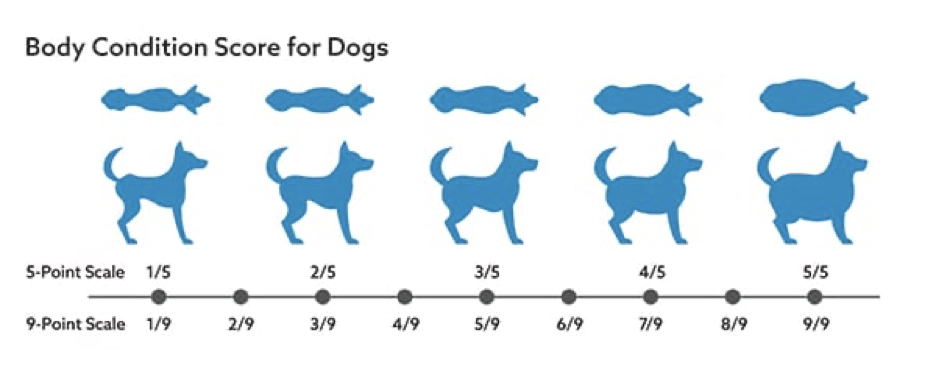
- Use a Body Condition Score (BCS) chart to rate fat coverage and muscle mass. Aim for a moderate BCS target set with your vet.
- Weigh your dog weekly and record measurements to track progress.
- Note appetite, stool quality, energy, and any vomiting or diarrhea.
What to expect from diagnostics
- Blood tests check organ function, parasites, and inflammation.
- Dental exam assesses chewing pain as a cause of poor intake.
- Fecal checks and parasite tests look for worms that cause weight loss.

Source: reddit.com
Nutrition strategies: foods, calories, and practical plans
Nutrition is the core of how the best way for a dog to gain weight works. The goal is safe, steady weight gain focused on muscle as well as fat.
Principles to follow
- Increase calorie intake by 10–20% to start, adjusting based on weekly weight changes.
- Prioritize calorie-dense, high-quality proteins and healthy fats.
- Avoid empty calories that lack protein or micronutrients.
Food options and tips
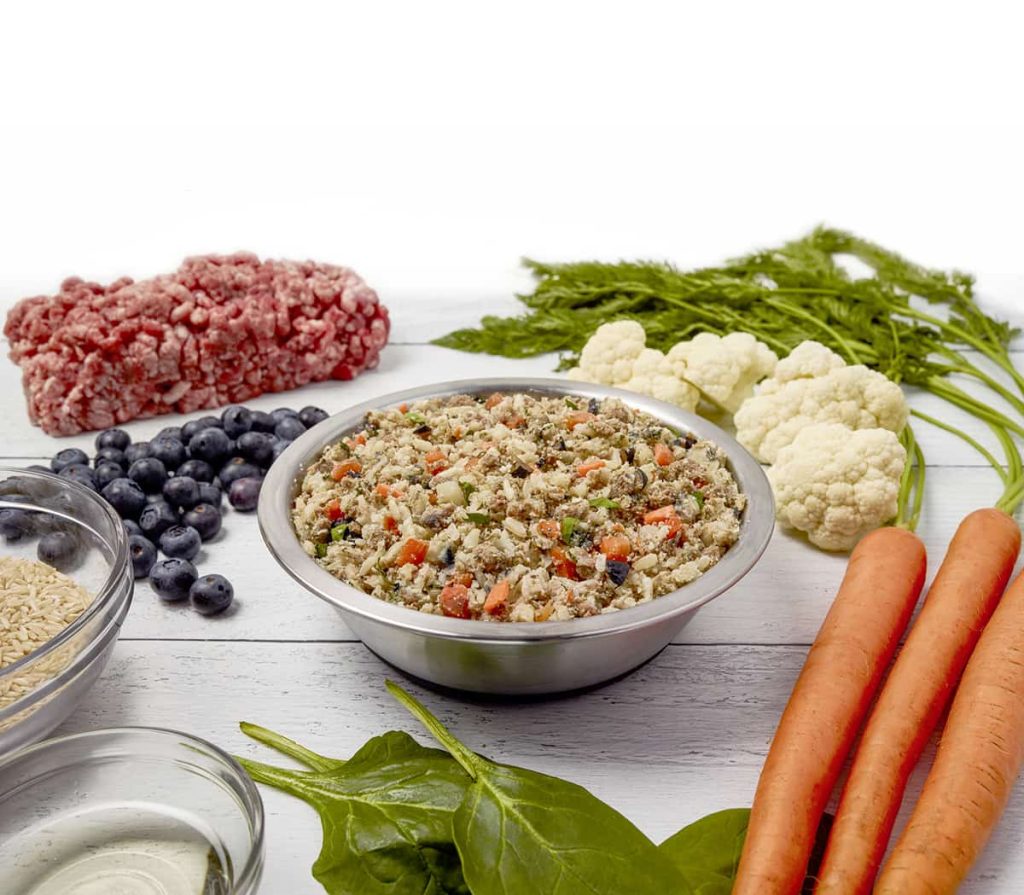
- Choose a high-calorie adult or puppy formula from reputable brands to increase calories per cup.
- Rotate in canned food or mix wet with dry to boost palatability and calories.
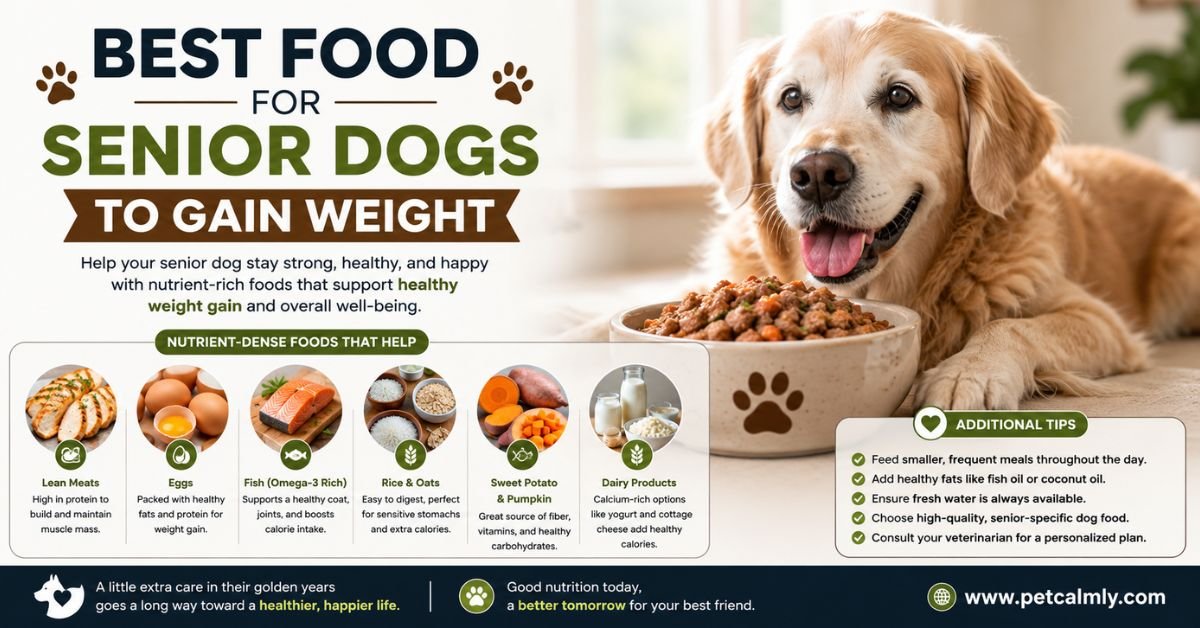
- Add healthy toppers such as plain canned pumpkin, cooked sweet potato, or unsweetened yogurt in small amounts.
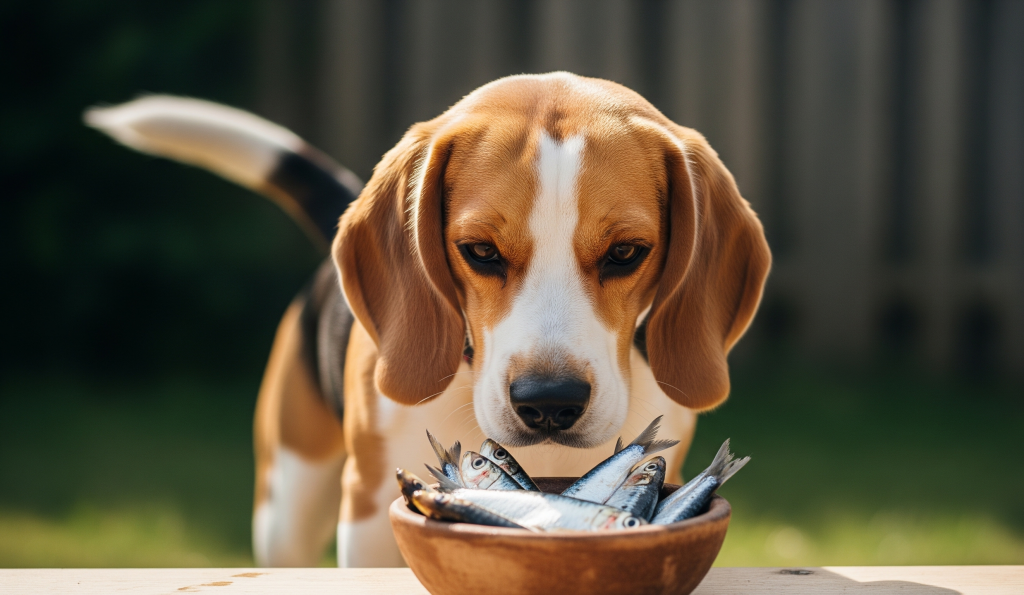
- Include healthy fats like fish oil or olive oil (1 tsp per 10 lbs, adjust with vet guidance) for extra calories and omega fats.
Meal frequency and portioning
- Offer 3–4 smaller meals daily rather than 1–2 large meals to increase total intake.
- Use measured portions and adjust based on weekly weight targets.
- Keep feeding consistent and avoid skipping meals to build routine and appetite.
Transition plan
- Switch foods gradually over 7–10 days to avoid digestive upset.
- Increase caloric density first, then frequency if appetite remains low.
- Monitor stool and energy; reduce changes if diarrhea or vomiting appears.
Source: itumgrapes.com
Exercise, muscle building, and feeding routines
Gaining weight should focus on lean mass as well as fat. Appropriate exercise encourages muscle development and healthy appetite.
Safe exercise recommendations
- Use low-impact strength-building activities like short walks, incline walks, and controlled play.
- Add light resistance or hill work gradually to stimulate muscle growth.
- Avoid long endurance cardio that burns too many calories during the initial weight-gain phase.
Feeding around activity
- Feed a small, calorie-dense meal 30–60 minutes after moderate activity to aid muscle recovery.
- Reserve treats for training and enrichment; choose calorie-dense training bites when gaining weight.
Daily routine example
- Morning: small high-calorie meal, brief walk.
- Midday: snack or small meal, gentle play.
- Evening: main calorie-dense meal, moderate walk, post-walk snack.

Source: houndsy.com
Safe supplements and appetite stimulants
Supplements can help when used correctly and under veterinary guidance. They are not a substitute for a medical check or balanced diet.
Helpful options
- Omega-3 fish oil supports skin, coat, and overall calories.
- Probiotics can improve digestion and nutrient absorption.
- Veterinarian-prescribed appetite stimulants may be necessary for disease-related anorexia.
- Meal toppers with added protein and calories—such as cooked lean meats or formulated toppers—boost palatability.
- Always consult your vet before starting supplements to avoid interactions.
- Avoid human foods that are toxic to dogs (chocolate, xylitol, grapes, onions).
- Watch for gastrointestinal upset when adding fats or new supplements.
Source: volharddognutrition.com
Monitoring progress: timeline and realistic expectations
Track progress with measurable goals. The best way for a dog to gain weight safely is gradually and consistently.
Timeline and milestones
- Aim for 0.5–2% body weight gain per week depending on size and condition.
- Smaller dogs often gain faster percentage-wise than large breeds.
- Re-evaluate feeding and activity if no weight change after 2–3 weeks.
Monitoring checklist
- Weekly weigh-ins at the same time of day.
- Monthly body condition score reassessment.
- Note changes in energy, coat quality, and digestion.
When to call the vet
- Sudden weight loss or persistent poor appetite.
- New vomiting, diarrhea, or changes in drinking or urination.
- Rapid weight gain with lethargy or breathing changes.
Source: petcalmly.com
Common mistakes to avoid
Avoid quick fixes that create other health problems. These pitfalls are common when owners try to fatten a dog too fast.
Mistakes to avoid
- Adding only carbohydrates or sugars for calories; prioritize protein and healthy fats.
- Rapidly increasing calories without veterinary oversight.
- Ignoring underlying disease when appetite or weight remains low.
- Overfeeding treats while neglecting balanced nutrition.
Personal experience and practical tips
From working with rescue dogs and client cases, I’ve learned practical lessons about the best way for a dog to gain weight.
What worked for me
- A four-meal schedule helped a shy eater reach targets without stress.
- Switching to a high-calorie wet-food topper changed appetite in picky dogs.
- Small daily goals kept owners motivated: a tenth of a pound per week for small breeds, a half-pound for larger ones.
Lessons learned
- Patience beats speed—slow gains reduce metabolic stress.
- Communication with the vet saved time and prevented unnecessary tests.
- Tracking in a simple notebook made it easy to spot trends and adjust.
PAA-style quick questions
How quickly should a dog gain weight?
A safe pace is roughly 0.5–2% of body weight per week, adjusted by size and health. Rapid gains can stress organs and should be avoided.
Can I use puppy food to help my adult dog gain weight?
Puppy formulas are calorie-dense and higher in protein, so they can help short-term under vet guidance. Long-term use should be monitored to avoid nutrient imbalances.
Are human foods safe to add for extra calories?
Some human foods like plain cooked chicken, rice, and sweet potato are safe in moderation. Always avoid toxic foods and check portions with your vet.
Frequently Asked Questions of best way for a dog to gain weight
What is the fastest safe way for a dog to gain weight?
The fastest safe approach is a vet-supervised plan: diagnose any illness, increase calories by 10–20%, use calorie-dense food, and add frequent meals. Rapid changes without vet input risk digestive or metabolic issues.
How many calories should I add for my underweight dog?
Start by increasing daily calories by about 10–20% and adjust based on weekly weight checks. Your veterinarian can calculate a precise target based on age, size, and activity level.
Can treats help my dog gain weight?
Treats can add calories but should be nutritious and part of total daily calories. Prioritize high-protein, high-fat treats and avoid over-reliance on sugary or low-nutrient snacks.
Should I switch to canned food to help my dog gain weight?
Canned food can increase palatability and calories per meal, making it a useful tool for weight gain. Blend wet and dry food gradually to prevent digestive upset.
When should I seek emergency care for a underweight dog?
Seek immediate veterinary care if your dog is rapidly losing weight, vomiting frequently, collapsing, or showing severe lethargy. Sudden weight loss can indicate a serious underlying condition.
Conclusion
Restoring your dog to a healthy weight requires a clear plan: rule out medical causes, increase calories safely with nutrient-rich foods, add modest muscle-building activity, and monitor progress with your veterinarian. Start small, measure weekly, and stay patient—steady gains are healthier and more sustainable than fast fixes. Take the first step today by scheduling a vet check and creating a simple feeding and activity plan; leave a comment or subscribe to learn more tips and celebrate your dog’s progress.