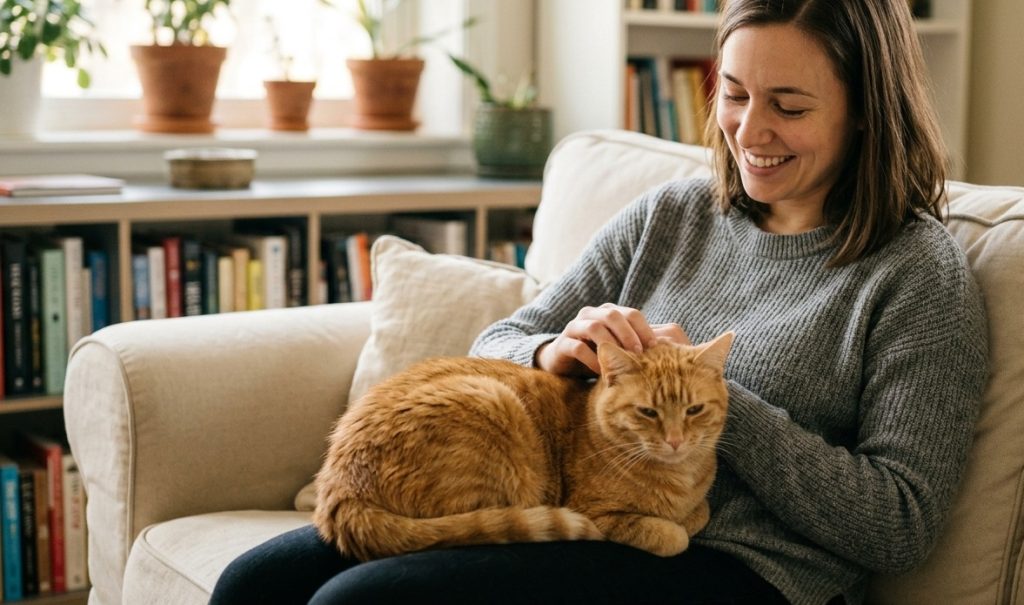
Most gentle, low-maintenance breeds—Ragdoll, British Shorthair, and Domestic Shorthair—are ideal for first-time owners.
As a veterinarian and longtime cat owner who has placed dozens of cats into loving homes, I know how important the right match is. This guide on best cats for first time owners draws on clinical experience, shelter work, and real-life testing to help you pick a calm, healthy, and easy-care feline. Read on for clear comparisons, practical tips, and simple steps to make your first cat a success.
Why breed, temperament, and lifestyle matter
Choosing the best cats for first time owners starts with temperament more than looks. A cat that is calm, adaptable, and sociable will reduce stress for a new owner. Breeds vary in energy, vocality, and grooming needs, and these traits shape daily care.
Matching your schedule and home to a cat’s needs prevents behavior problems. For example, an active, vocal breed in a quiet apartment can lead to frustration on both sides. Focus on steady temperaments, low grooming needs, and good health history to find the best cats for first time owners.
Top cat breeds for first-time owners
These breeds and types are frequently recommended for first-time adopters. Each listing explains why they make good pets and what to expect.
- Ragdoll
- Temperament: Extremely calm and affectionate. Often goes limp when picked up.
- Care: Moderate grooming. Low to moderate activity.
- Why good for first-timers: Very relaxed, easy to handle, friendly with families.
- British Shorthair
- Temperament: Steady, reserved but affectionate. Good with children and other pets.
- Care: Short coat, low grooming. Moderate play needs.
- Why good for first-timers: Low-maintenance coat and a balanced personality.
- Domestic Shorthair (mixed-breed)
- Temperament: Highly variable but many are adaptable and healthy.
- Care: Minimal grooming, often robust health.
- Why good for first-timers: Readily available in shelters and often cost-effective to adopt.
- Burmese
- Temperament: People-oriented and affectionate. Less independent than some breeds.
- Care: Short coat, regular play needed.
- Why good for first-timers: Loving companion for someone who wants a social cat.
- Exotic Shorthair
- Temperament: Gentle and quiet, similar to Persian but less grooming.
- Care: Short coat and calm demeanor.
- Why good for first-timers: Sweet nature and low activity level.
- American Shorthair
- Temperament: Friendly, adaptable, and moderately active.
- Care: Short coat, hardy health.
- Why good for first-timers: Balanced energy and easy care.
- Cornish Rex or Devon Rex (for people who want playful but still easy)
- Temperament: Playful, curious, and people-focused.
- Care: Low-shedding coats but needs warmth.
- Why good for first-timers: Active and affectionate if you can provide stimulation.
Notes on temperament: Individual cats differ. The best cats for first time owners are those with a calm history, good socialization, and a stable health record.
:upscale()/2020/04/26/811/n/47093560/13f7cccef3da8f1e_russian_blue.jpg)
Source: popsugar.com
Adoption vs. breeder: choosing where to get your cat
Adopt from a shelter
- Pros: Saves a life, lower cost, many adult cats with known temperaments, often vaccinated and spayed/neutered.
- Cons: Unknown background for some cats, variable pedigree.
Buy from a reputable breeder
- Pros: Predictable traits and health screening when you choose a well-regarded breeder.
- Cons: Higher cost, risk of poor breeders if you do not vet them carefully.
My experience: I placed three kittens from a trusted rescue and one from a breeder. Rescues gave me calmer adult cats and fewer unknown genetics. If you choose a breeder, get health clearances and meet the parents.

Source: manypets.com
How to prepare your home for a first cat
Create a safe, welcoming space before you bring a cat home. A calm arrival reduces stress and helps bonding.
- Essentials to buy
- Litter box, scoop, and unscented clumping litter
- Sturdy food and water dishes
- Balanced cat food appropriate for age
- Scratching posts and safe toys
- Comfortable bedding and hiding places
- Home prep tips
- Cat-proof cords and small objects
- Secure windows and screens
- Start with a single small room for 3–7 days to let your cat acclimate
- Set up a vet appointment within one to two weeks
From personal experience, giving a new cat a quiet room for the first week cuts hiding and fear. Keep visits short and calm. Let the cat approach you on its terms.
Daily care basics for new owners
A consistent routine makes life easier for both you and your cat. Daily care is simple when you split tasks into small steps.
- Feeding
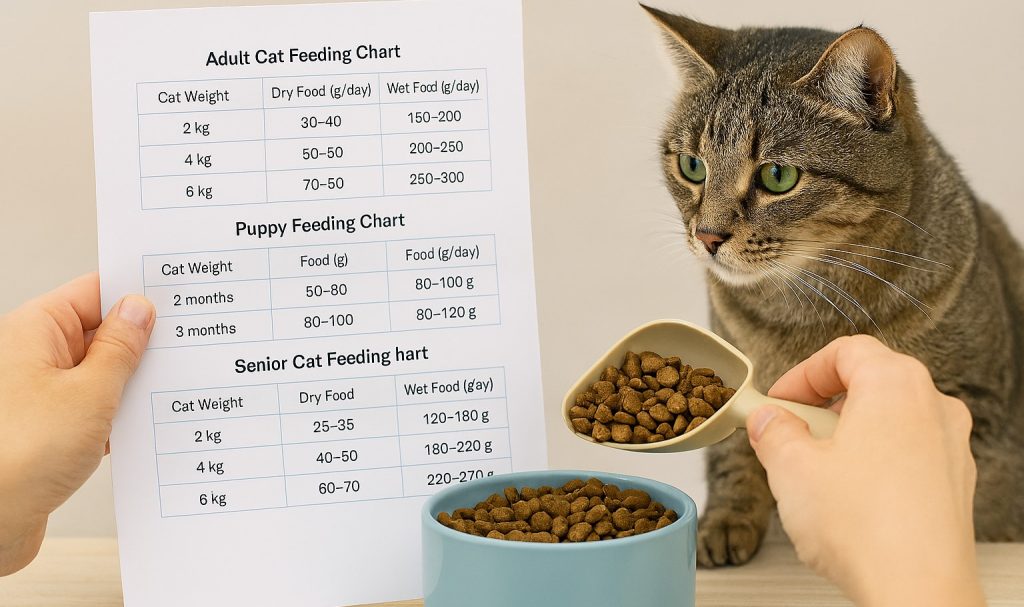
- Feed measured portions twice daily for adults. Follow vet guidance for kittens.
- Choose a high-quality food labeled for the cat’s life stage.
- Litter
- Scoop daily. Replace litter per product guidelines.
- Keep one box per cat plus one extra.
- Play and enrichment
- Aim for two 10–15 minute play sessions daily.
- Use interactive toys and vertical space like shelves or cat trees.
- Grooming
- Brush short-haired cats weekly. Brush long-haired cats daily.
- Check ears, eyes, and teeth regularly.
- Training basics
- Use positive reinforcement for desired behaviors.
- Redirect scratching to posts rather than punishing.
Personal tip: A short play session before bedtime can cut late-night activity and build a bond.

Source: a-z-animals.com
Common health concerns and preventive care
Preventive care prevents big problems later. Budget for basic veterinary costs and routine care.
- Vaccinations and wellness
- Core vaccines protect against common illnesses. Follow your vet’s schedule.
- Annual or semi-annual checkups help catch issues early.
- Parasite control
- Use flea and tick prevention and regular deworming if advised by your vet.
- Spay/neuter and dental health
- Spay or neuter to reduce unwanted behaviors and disease risk.
- Brush teeth or use dental treats to lower dental disease risk.
- When to see a vet
- Loss of appetite, lethargy, vomiting, diarrhea, or changes in litter box habits require prompt care.
From clinic work, early detection of dental and urinary issues is common in first-time cats, so ask your vet about routine screenings.

Source: youtube.com
Choosing the right cat for your lifestyle
Match needs and expectations to find the best cats for first time owners in your situation. Think about time, space, and family dynamics.
- For busy people
- Choose a calm, independent cat or consider adopting an adult with a known temperament.
- For families with kids
- Look for tolerant, patient breeds and supervise initial interactions.
- For apartment dwellers
- Choose a quieter breed or an adult cat that accepts indoor life and is less active.
- For allergy sufferers
- No cat is truly hypoallergenic, but some breeds may trigger fewer reactions; spend time with the cat before committing.
PAA-style questions
- Which cat breed is best for first-time owners?
- Calm and adaptable breeds like Ragdoll, British Shorthair, and domestic shorthairs are top picks.
- Is it better to get a kitten or an adult cat as a first-timer?
- Adults often have settled personalities and can be easier for beginners. Kittens require more time and training.
- How long does it take for a cat to settle in?
- Most cats adjust within 2–6 weeks, though some need longer depending on background and personality.
:quality(85):upscale()/2020/05/21/919/n/47093560/6dd476715ec6ecc0bc2728.78566623_.jpg)
Source: popsugar.com
Frequently Asked Questions of best cats for first time owners
What is the gentlest cat breed for beginners?
Many find Ragdolls and British Shorthairs to be very gentle. These breeds tend to be calm, tolerant, and affectionate.
Are mixed-breed cats a good choice for first-time owners?
Yes. Mixed-breed cats often have robust health and varied temperaments, and many make excellent companions for new owners.
How much does it cost to care for a cat in the first year?
Expect initial costs for adoption, spay/neuter, vaccinations, and supplies to total several hundred dollars, with annual costs for food and vet care afterward.
Can children and cats get along in a first-time owner household?
Yes, with supervision and teaching children how to handle cats gently. A patient, tolerant cat is best for homes with young kids.
How do I know if a cat will fit my lifestyle?
Ask the shelter or breeder about the cat’s temperament, energy level, and history. Spend time interacting before you adopt.
Conclusion
Choosing from the best cats for first time owners means prioritizing temperament, health, and fit with your routine. Calm, adaptable breeds and many shelter mixes offer low-stress starts for new owners. Prepare your home, commit to daily care, and choose a cat whose needs match your life.
Take action: visit local shelters, meet several cats, and set up a vet appointment for your chosen pet. Share your adoption story or ask questions in the comments to help others on the same journey.