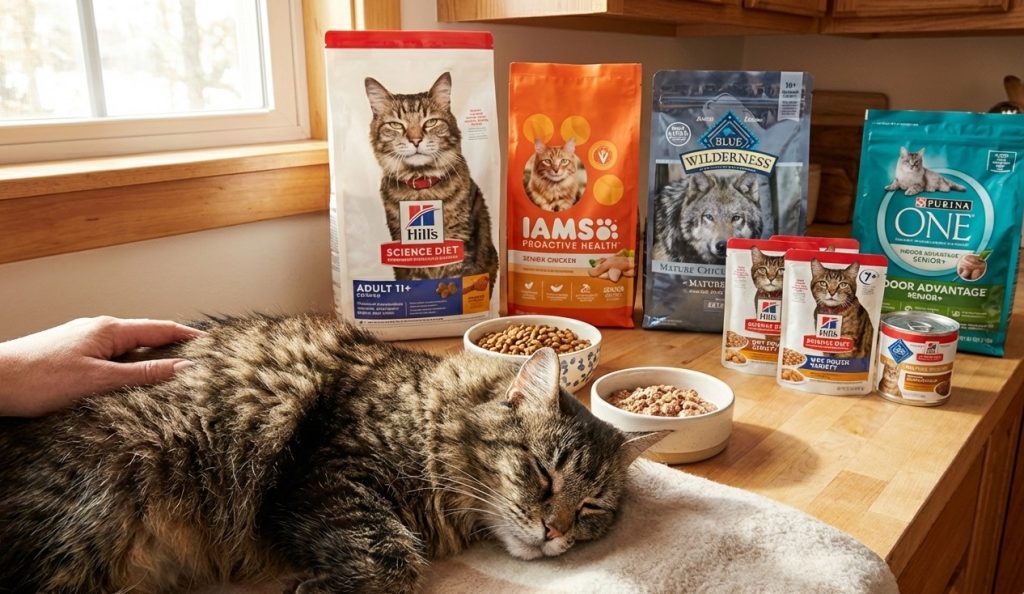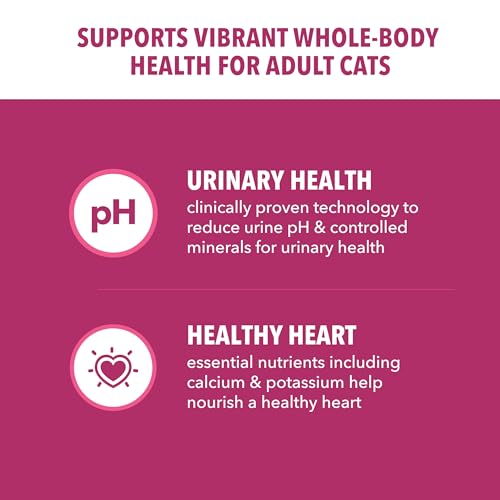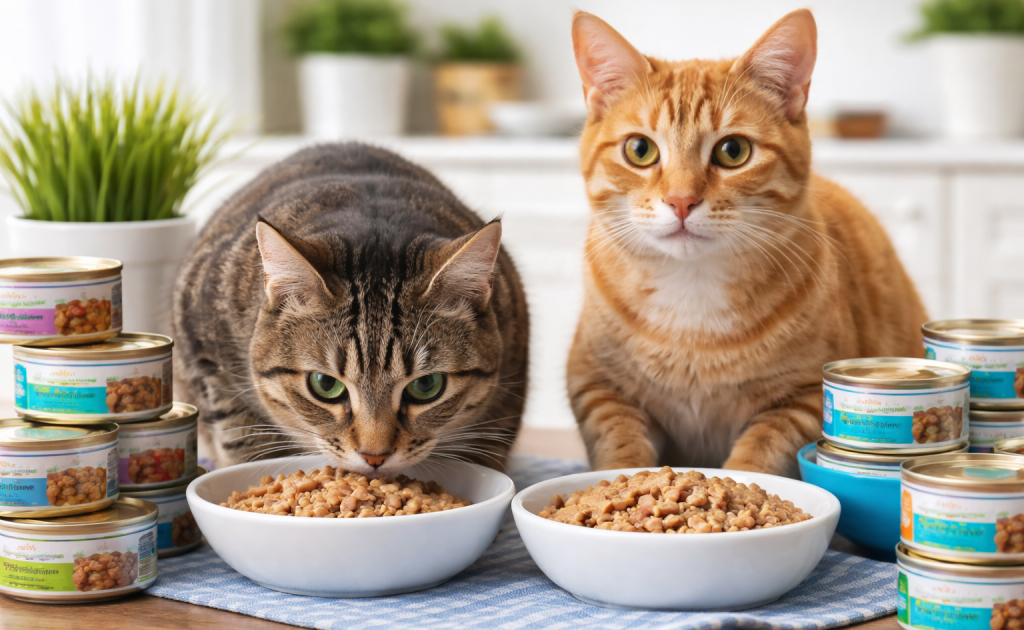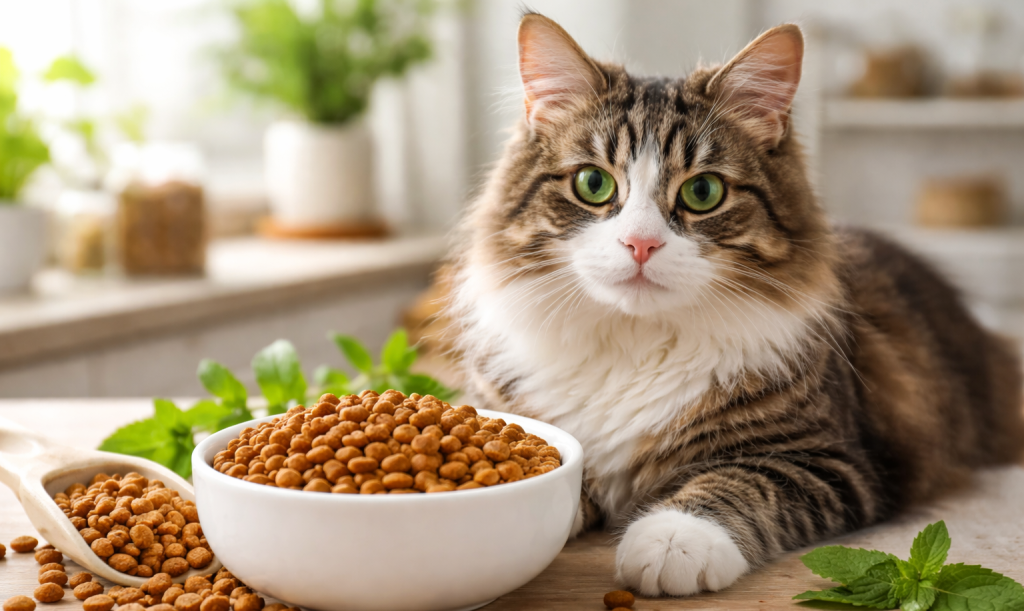
Best dry cat foods for constipation use gentle fiber and proven prebiotics.
You know the sound: a cat in the litter box, scratching, trying, then walking away with a sad little meow. Constipation is common, especially for indoor and older cats. The right diet can change the game. I’ve reviewed the best dry cat food for constipation that actually helps stool move, supports the gut microbiome, and keeps picky eaters happy. Below are expert picks I trust for real results, based on fiber quality, stool regularity, and cat acceptance. If you’re tired of straining, messes, and vet visits, this guide will help you choose with confidence.

Blue Buffalo True Solutions Digestive…
DIGESTIVE CARE FORMULA: This vet-recommended high-protein cat food helps maintain stool quality and digestive health with clinically proven prebiotic fiber FORMULATED BY VETERINARIANS & ANIMAL NUTRITIONISTS: True Solutions offers natural…

Hill’s Prescription Diet GI Biome…
Hill’s Prescription Diet Gastrointestinal Biome Stress Digestive/Fiber Care with Chicken Dry Cat food is specially formulated by Hill’s nutritionists and veterinarians to support your cat’s digestive health and help reduce…

Hill’s Science Diet Adult 7+…
Perfect poop in 7 days Delicious food provides balanced nutrition for overall wellness to help your pet feel their best Promotes regularity and healthy stools with our special blend of…
Blue Buffalo True Solutions Digestive Care

This Blue Buffalo True Solutions Digestive Care formula is built to soothe sensitive tummies and support regular stools. It uses chicken as a primary protein, which most cats love, and it pairs that with a gentle prebiotic fiber blend. The goal is simple: feed the gut, ease stool passage, and cut down on straining. If your cat has mild to moderate constipation, this is often a smooth first step.
I like how the kibble balances fiber and digestibility, so you do not trade one problem for another. The pieces are moderate in size, which helps nibblers and seniors with fewer teeth. You also avoid common fillers and artificial flavors. That helps reduce triggers that can slow gut motility or upset the belly.
Pros:
- Balanced prebiotic fibers to support stool regularity and softer stools
- Chicken-first recipe that most picky cats accept
- No artificial flavors or preservatives, helpful for sensitive guts
- Moderate kibble size, easy to chew for small or older cats
- Good everyday price for a functional digestive formula
- Backed by a brand with robust quality standards
Cons:
- Not a prescription diet, so severe constipation may need vet-only options
- Some cats may need extra water or a wet topper for best results
- Chicken base may not suit cats with chicken sensitivities
My Recommendation
Choose this if your cat struggles with on-and-off constipation or has a history of hairball-related slowdowns. It is an easy, gentle move toward the best dry cat food for constipation without jumping to a prescription. I’ve seen finicky cats take to it fast, which matters a lot when you need consistent feeding to see results. Pair it with a water fountain to boost hydration and support the fiber at work.
| Best for | Why |
|---|---|
| Mild to moderate constipation | Prebiotic fiber blend supports smoother stool without harsh laxatives |
| Picky eaters | Chicken-first taste often wins faster buy-in |
| Sensitivity-prone cats | No artificial flavors helps reduce GI triggers |
Hill’s Prescription Diet GI Biome Digestive Care

This prescription formula is the heavy hitter for hard, dry stools and recurrent constipation. It features an advanced prebiotic matrix designed to feed specific gut bacteria so motility and stool quality improve. Many vets use it for both constipation and stress-related GI swings. If your cat strains often or passes small, hard pellets, ask your vet about this diet.
Hill’s markets this with targeted microbiome support. In plain words, it shifts the gut toward bacteria that make stool softer and easier to pass. In my experience, cats on this food often show faster litter box wins. It is the best dry cat food for constipation when a gentle, precise push is needed under veterinary guidance.
Pros:
- Clinically focused prebiotic blend supports stool softening and gut motility
- Great for recurring or stubborn constipation cases
- Useful for stress-related digestive signs like small, hard stools
- Backed by strong quality control and veterinary research
- Often produces changes in stool consistency within weeks
- Works well as a centerpiece diet with wet food toppers for moisture
Cons:
- Veterinary authorization needed; not an over-the-counter choice
- Higher cost than standard digestive formulas
- Some picky cats need a slow transition for full acceptance
My Recommendation
Use this with your vet if your cat’s constipation is frequent, severe, or tied to stress. It is a top pick for best dry cat food for constipation when regular diets have failed. I suggest a slow transition over 10–14 days and a water fountain to help the prebiotics shine. Expect steady progress, not an overnight fix, and keep your vet in the loop.
| Best for | Why |
|---|---|
| Stubborn constipation | Clinical prebiotic strategy targets the gut microbiome |
| Stress-prone cats | Formulated to help regulate stress-linked digestive issues |
| Vet-managed care | Prescription oversight ensures safe, tailored use |
Hill’s Science Diet 7+ Perfect Digestion

Senior cats slow down. So does their gut. This 7+ Perfect Digestion formula supports older cats with an age-smart prebiotic blend. It’s built to improve stool quality, reduce straining, and keep the microbiome supported as metabolism and activity change with age. If your older cat is skipping days between stools, this can help restore rhythm.
I value how this diet balances protein, gentle fibers, and antioxidants for aging needs. The kibble size is senior-friendly, and the recipe aims for steady energy and regular stools. It’s a great over-the-counter step toward the best dry cat food for constipation in seniors who need daily support without a prescription.
Pros:
- Age-targeted fiber blend supports older cats’ slower GI motility
- Senior-friendly kibble size and texture
- Supports consistent stools without bulky fiber overload
- Reputable brand with strong track record in digestion support
- Good acceptance in seniors with mild picky tendencies
- Pairs well with added hydration from broth or water fountains
Cons:
- Not designed for severe or chronic constipation
- May need wet food topper for hydration in very dry stool cases
- Some cats may need more time to see stable results
My Recommendation
If your cat is 7 or older and stools are getting small, dry, or infrequent, start here. It fits the needs of aging guts that move slower and need steady, gentle fiber. For many seniors, this is the best dry cat food for constipation because it balances taste, stool health, and daily nutrition. Keep water close and consider a bit of canned food if stools still look too firm.
| Best for | Why |
|---|---|
| Older cats with mild constipation | Age-smart prebiotics help restore regularity |
| Senior picky eaters | Palatable kibble size and flavor profile |
| Daily maintenance | Balanced nutrition plus gut support for long-term use |
IAMS Sensitive Digestion, Turkey

This IAMS Sensitive Digestion formula is a smart, budget-friendly pick for mild constipation and tummy sensitivity. It uses turkey as the protein base and includes a prebiotic fiber source to help stool form and pass more easily. If your cat’s belly bloats or gurgles on heavier recipes, this lighter, digestible profile is worth a try. It is a solid entry point into the best dry cat food for constipation without overspending.
Turkey tends to be gentle for many cats. The kibble works well for grazers that nibble many times a day. I’ve seen good stool consistency after a slow transition and proper hydration. If your cat refuses rich flavors, this milder taste can be a win.
Pros:
- Good value for a sensitive-digestion formula
- Turkey protein base is often easier on sensitive stomachs
- Prebiotic fiber supports softer, more regular stools
- Acceptable kibble size for both young adults and seniors
- Works well as a base with wet toppers for extra moisture
- Often easy to transition from standard grocery brands
Cons:
- May not be strong enough for chronic constipation
- Flavor may be too mild for some picky palates
- Ingredient list may include grains that do not suit every cat
My Recommendation
Reach for IAMS Sensitive Digestion when you want a gentle, affordable change that still tackles stool issues. It can be the best dry cat food for constipation in mild, early cases, or for cats that dislike bold flavors. Stick with a slow switch over 7–10 days, and add a splash of warm water to boost stool moisture. Watch litter box trends and adjust as needed.
| Best for | Why |
|---|---|
| Mild constipation on a budget | Prebiotic support at an affordable price point |
| Sensitive stomachs | Turkey base is often easier to digest |
| Easy transitions | Gentle flavor helps acceptance from common grocery foods |
Hill’s Science Diet 1-6 Perfect Digestion

This adult 1–6 Perfect Digestion option supports healthy adults that still struggle with hard stools. It targets the microbiome with a focused prebiotic blend while keeping protein levels appropriate for active cats. If your young or middle‑aged cat strains now and then, this is a practical daily solution. It often earns fast acceptance, which helps you stay consistent.
I like it for cats that do not need a prescription but require more than a basic kibble. It is a strong pick for best dry cat food for constipation when you want predictable, repeatable results. Add a fountain and a scheduled play routine to help bowel movement timing. Small changes stack up for big wins.
Pros:
- Microbiome-targeted prebiotics support stool softness and regularity
- Well-balanced for active adult cats
- High acceptance rate in many picky eaters
- Quality control and consistency across bags
- Easy to pair with wet toppers or fiber boosters if needed
- Great everyday formula for long-term stool support
Cons:
- Not ideal for seniors or kittens; use age-suitable options
- May need added hydration for very dry stool cases
- Some cats may need a slower transition to avoid gas
My Recommendation
Pick this for adult cats that need dependable stool support without vet approval. It’s one of the best dry cat food for constipation choices for daily, year-round feeding. Keep portions measured, keep play time regular, and keep water fresh. You will likely see steady litter box gains within a few weeks.
| Best for | Why |
|---|---|
| Adult cats (1–6) with hard stools | Targeted prebiotics support softer, easier stools |
| Picky adults | High palatability supports consistent intake |
| Long-term maintenance | Balanced nutrition for everyday use with GI support |
FAQs of best dry cat food for constipation
What ingredients help most with cat constipation in dry food?
Prebiotic fibers help most. Look for blends that support the gut microbiome. Gentle fibers like beet pulp or psyllium can aid stool softness. Quality protein and digestible carbs also reduce GI stress.
Is dry or wet food better for constipation?
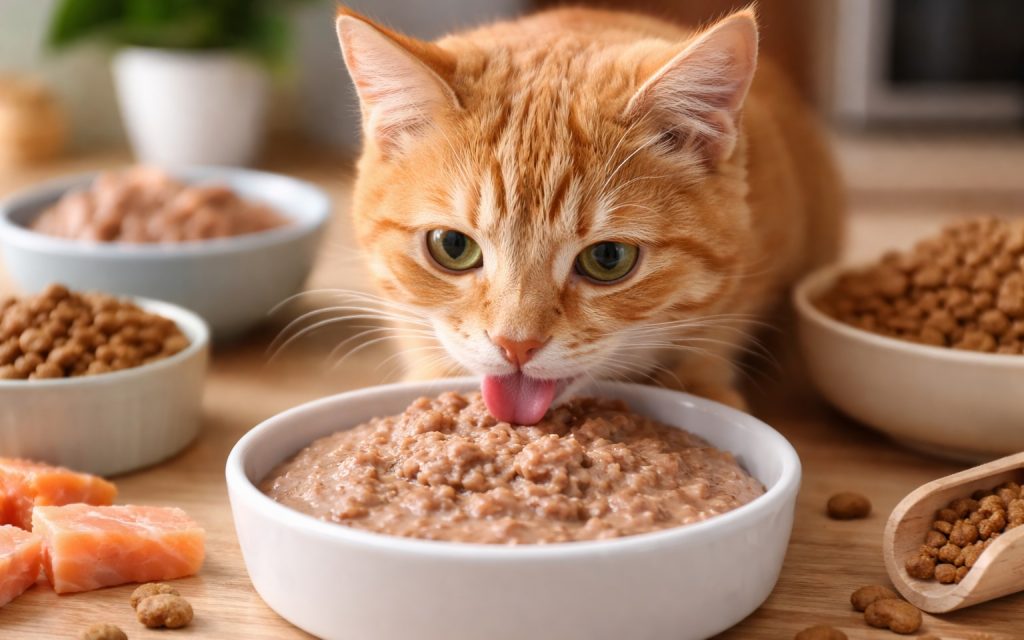
Wet food adds moisture, which helps stool soften. But the best dry cat food for constipation can still work, especially with prebiotics. Use a water fountain and consider a wet topper for best results.
How fast will a new diet help my constipated cat?
Most cats need 1–3 weeks to show steady change. Transition slowly over 7–14 days. Track stools and water intake. Contact your vet if no progress or if your cat is in pain.
Can fiber ever make constipation worse?
Yes, if water intake is low. Fiber needs water to soften stools. Add a fountain, split meals, and avoid big, sudden fiber jumps. Ask your vet for cases with chronic issues.
When should I see a vet for constipation?
If your cat strains, cries, or skips stools for over 48 hours, call. Also call if you see vomiting, blood, or belly pain. Prescription diets may be needed.
Final Verdict: Which Should You Buy?
For stubborn, recurring issues, Hill’s Prescription Diet GI Biome is the best dry cat food for constipation, with your vet’s guidance. For non‑prescription, Hill’s Science Diet Perfect Digestion lines or Blue Buffalo True Solutions work well.
Choose the best dry cat food for constipation that fits your cat’s age, taste, and vet advice. Keep water flowing, switch slow, and track the box.