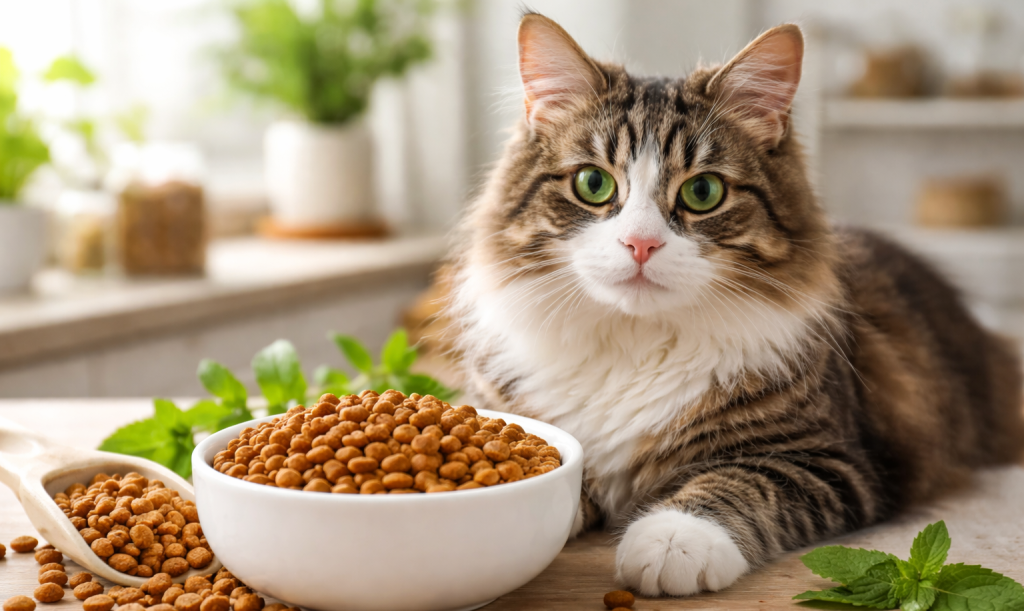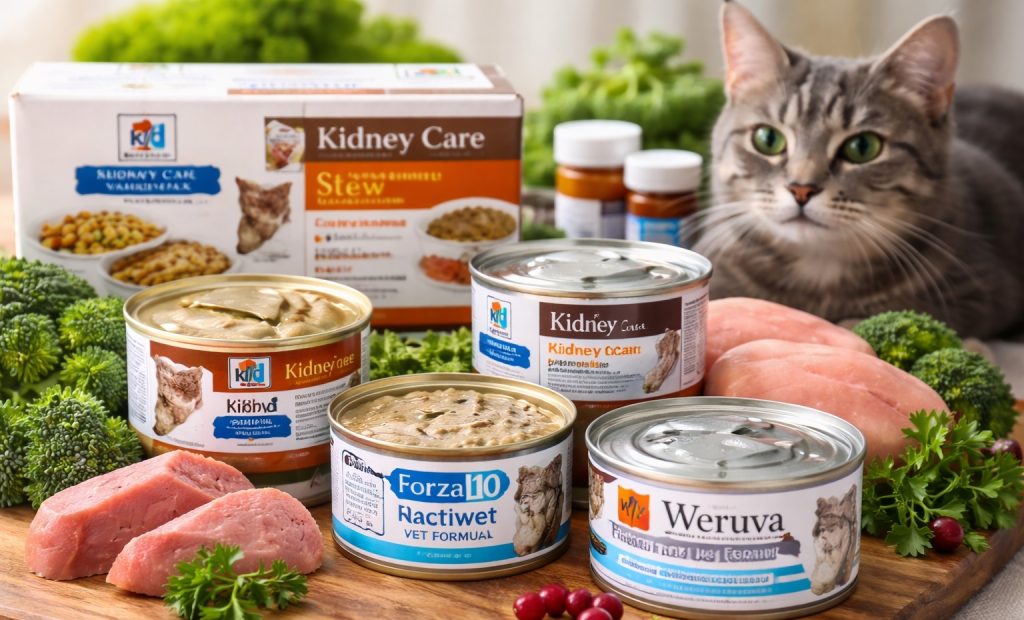
Choosing the best dry cat food for sensitive stomach vomiting starts with one distinction: vomiting is a symptom, not a diagnosis. A new kibble may not address parasites, hairballs, food intolerance, or another medical cause. If vomiting happens repeatedly, continues, or comes with weakness, blood, appetite loss, or diarrhea, call your veterinarian promptly. This guide compares adult dry foods marketed for digestive support and one veterinary diet. Do not delay care while testing foods, and ask your clinic before changing a cat’s diet or starting a prescription formula. The seven products include conventional over-the-counter recipes and one prescription diet; these categories are not interchangeable. Track any diet change with your veterinarian, especially when the cat has repeated vomiting or another medical condition.
Quick Picks
| Product | Best For | Key Advantage | Buy | |
|---|---|---|---|---|
| Blue Buffalo True Solutions Digestive Care Chicken Cat Food | prebiotic fiber | Chicken-first recipe with prebiotic fiber | View on Amazon | Jump to Review |
| Royal Canin Digestive Care Adult Cat Food | sensitive-stomach formula | Ring-shaped kibble and prebiotic fiber blend | View on Amazon | Jump to Review |
| Purina Cat Chow Gentle Sensitive Stomach & Skin Cat Food | large-bag option | Turkey recipe with prebiotic fiber and omega-6 | View on Amazon | Jump to Review |
| Solid Gold Indoor Quail Sensitive Stomach Cat Food | quail and pumpkin | Quail and pumpkin with prebiotic, probiotic, and omega ingredients | View on Amazon | Jump to Review |
| Hill’s Science Diet Sensitive Stomach Salmon Cat Food | salmon recipe | Salmon recipe with prebiotic fiber | View on Amazon | Jump to Review |
| Purina Pro Plan AdvantEDGE Digestive Support Salmon Cat Food | multi-biotic blend | Salmon-and-rice formula with pre-, pro-, and postbiotics | View on Amazon | Jump to Review |
| Hill’s Prescription Diet i/d Digestive Care Cat Food | vet-directed therapeutic diet | Veterinary therapeutic digestive-care formula | View on Amazon | Jump to Review |
Blue Buffalo True Solutions Digestive Care Chicken Cat Food

- Clear adult nutrition positioning
- Digestive-support ingredient or formula focus
- Several recipe or bag-size options
- Easy to compare with veterinary advice
- Not a treatment for unexplained vomiting
- May not suit every cat or sensitivity
Blue Buffalo True Solutions Digestive Care is an adult dry food with chicken listed first and prebiotic fiber highlighted for digestive support. Its 3.5-pound listing describes a high-protein formula and notes that packaging may vary. It is conventional retail nutrition rather than a therapeutic diet, so compare the current ingredient label against your cat’s known tolerances and your veterinarian’s advice.
Compare its protein source and complete ingredient list with what the cat currently eats. If a veterinarian recommends a food trial, ask how to handle treats and flavored medicines so the result can be interpreted. Plan a gradual change with your clinic, especially if the cat has another condition or a history of refusing food. A digestive-support label is still not a promise of symptom relief.
Make any change with a measured transition and keep treats consistent. Cats can refuse abrupt changes, and a food switch cannot identify vomiting’s cause on its own. Note meal timing, appetite, stool, and episodes for your veterinarian. For recurring symptoms, diagnosis comes first; choose a diet with professional guidance. Follow veterinary advice and review the package label for feeding directions, ingredients, and life-stage suitability before choosing a food. Follow veterinary advice and review the package label for feeding directions, ingredients, and life-stage suitability before choosing a food. Follow veterinary advice and review the package label for feeding directions, ingredients, and life-stage suitability before choosing a food.
My Recommendation
Make any change with a measured transition and keep treats consistent. Cats can refuse abrupt changes, and a food switch cannot identify vomiting’s cause on its own. Note meal timing, appetite, stool, and episodes for your veterinarian. For recurring symptoms, diagnosis comes first; choose a diet with professional guidance. Compare the ingredient panel with the current food and ask your veterinarian whether a gradual change is appropriate. Contact the clinic if vomiting continues.
Royal Canin Digestive Care Adult Cat Food

- Clear adult nutrition positioning
- Digestive-support ingredient or formula focus
- Several recipe or bag-size options
- Easy to compare with veterinary advice
- Not a treatment for unexplained vomiting
- May not suit every cat or sensitivity
Royal Canin Digestive Care is an adult dry formula marketed for sensitive stomachs. Its listing highlights prebiotics, dietary fiber, and ring-shaped kibble intended to encourage slower eating. The six-pound bag can suit a household that wants a larger pack. The product page reports an internal stool-quality study, but that brand claim is not a guarantee that it will stop vomiting or work for every cat.
The kibble shape is distinctive, but a cat that gulps food may also need smaller measured meals or a slow feeder; ask the veterinarian. Check the bag’s life-stage statement and feeding directions, then transition gradually if the clinic agrees. A sensitive-stomach label does not diagnose the reason for vomiting, and a food switch should not replace veterinary evaluation when episodes recur.
This is a reasonable comparison for an adult cat that eats dry food and needs a digestive-care formula. Interpret product claims as descriptions, not guarantees against vomiting. If episodes continue or appear with lethargy, appetite changes, blood, or diarrhea, seek veterinary advice promptly. Plan any food trial so there is one clear change to assess. Follow veterinary advice and review the package label for feeding directions, ingredients, and life-stage suitability before choosing a food. Follow veterinary advice and review the package label for feeding directions, ingredients, and life-stage suitability before choosing a food. Follow veterinary advice and review the package label for feeding directions, ingredients, and life-stage suitability before choosing a food.
My Recommendation
This is a reasonable comparison for an adult cat that eats dry food and needs a digestive-care formula. Interpret product claims as descriptions, not guarantees against vomiting. If episodes continue or appear with lethargy, appetite changes, blood, or diarrhea, seek veterinary advice promptly. Plan any food trial so there is one clear change to assess. Compare the ingredient panel with the current food and ask your veterinarian whether a gradual change is appropriate. Contact the clinic if vomiting continues.
Purina Cat Chow Gentle Sensitive Stomach & Skin Cat Food

- Clear adult nutrition positioning
- Digestive-support ingredient or formula focus
- Several recipe or bag-size options
- Easy to compare with veterinary advice
- Not a treatment for unexplained vomiting
- May not suit every cat or sensitivity
Purina Cat Chow Gentle combines adult dry food with farm-raised turkey, prebiotic fiber, and omega-6 fatty acids. The 13-pound bag is a larger-size option, and the formula is described as easily digestible for cats with sensitive systems. It is not a veterinary prescription diet. Turkey may be worth comparing for cats that tolerate poultry, but diagnosed food allergies call for a veterinarian-guided plan.
The larger bag may suit a multi-cat household only if it fits each cat and stays fresh after opening. Turkey is one possible protein, not a universally gentle ingredient. Keep the food sealed, measure portions, and observe appetite, stool, and any vomiting during a planned transition. If the cat vomits repeatedly, do not wait for a diet change to work; call the clinic.
This is a large-bag comparison for homes considering adult dry food with digestive-support features. Bag size may be inconvenient if the cat dislikes the food or a vet recommends another plan. Store it according to package guidance and avoid abrupt changes. Persistent vomiting deserves an exam rather than a cycle of buying another food. Follow veterinary advice and review the package label for feeding directions, ingredients, and life-stage suitability before choosing a food. Follow veterinary advice and review the package label for feeding directions, ingredients, and life-stage suitability before choosing a food. Follow veterinary advice and review the package label for feeding directions, ingredients, and life-stage suitability before choosing a food.
My Recommendation
This is a large-bag comparison for homes considering adult dry food with digestive-support features. Bag size may be inconvenient if the cat dislikes the food or a vet recommends another plan. Store it according to package guidance and avoid abrupt changes. Persistent vomiting deserves an exam rather than a cycle of buying another food. Compare the ingredient panel with the current food and ask your veterinarian whether a gradual change is appropriate. Contact the clinic if vomiting continues.
Solid Gold Indoor Quail Sensitive Stomach Cat Food

- Clear adult nutrition positioning
- Digestive-support ingredient or formula focus
- Several recipe or bag-size options
- Easy to compare with veterinary advice
- Not a treatment for unexplained vomiting
- May not suit every cat or sensitivity
Solid Gold’s indoor adult formula uses quail and pumpkin and is marketed with probiotics, prebiotics, omega-3 fatty acids, and fiber. The six-pound bag targets indoor cats and digestive support, with a grain-free recipe. Grain-free does not automatically mean easier to digest or better for an individual cat, so compare the full ingredient panel. This is routine food, not treatment for illness-related vomiting.
Quail may provide a different protein from common chicken or fish recipes, but whether it is novel depends on the cat’s prior diet. Review food sensitivities with a veterinarian and avoid adding several new foods at once. Transition slowly if advised, and track appetite and symptoms. A grain-free label is not evidence that a diet is appropriate for a particular digestive problem.
Consider this recipe only if your cat has tolerated quail or the veterinarian approves the protein choice; grain-free alone is not a reason to select it. Check portions and calorie guidance on the current package. Contact the clinic when vomiting recurs rather than waiting for a food to cure it. Follow veterinary advice and review the package label for feeding directions, ingredients, and life-stage suitability before choosing a food. Follow veterinary advice and review the package label for feeding directions, ingredients, and life-stage suitability before choosing a food. Follow veterinary advice and review the package label for feeding directions, ingredients, and life-stage suitability before choosing a food.
My Recommendation
Consider this recipe only if your cat has tolerated quail or the veterinarian approves the protein choice; grain-free alone is not a reason to select it. Check portions and calorie guidance on the current package. Contact the clinic when vomiting recurs rather than waiting for a food to cure it. Compare the ingredient panel with the current food and ask your veterinarian whether a gradual change is appropriate. Contact the clinic if vomiting continues.
Hill’s Science Diet Sensitive Stomach Salmon Cat Food

- Clear adult nutrition positioning
- Digestive-support ingredient or formula focus
- Several recipe or bag-size options
- Easy to compare with veterinary advice
- Not a treatment for unexplained vomiting
- May not suit every cat or sensitivity
Hill’s Science Diet Sensitive Stomach & Skin is an adult salmon dry food with prebiotic fiber and a highly digestible formula, according to its listing. Product details also mention vitamins and omega fatty acids for skin and coat support. A small bag can be useful if a veterinarian agrees with a diet change, but it is intended for routine feeding, not urgent management of vomiting.
A smaller bag limits how much you buy before you know whether the cat accepts the recipe, but it is not a diagnostic trial by itself. Review the current label and feeding guide, and introduce changes gradually under veterinary direction. If your cat stops eating or keeps vomiting, contact a clinic rather than switching foods repeatedly. Match any food to the cat’s life stage.
Hill’s can be considered for routine feeding when a veterinarian agrees a sensitive-stomach formula makes sense. Salmon may not suit every cat, and no ingredient guarantees tolerance. Watch appetite during a gradual change. If signs persist or the cat seems unwell, contact your veterinarian instead of cycling through retail foods. Follow veterinary advice and review the package label for feeding directions, ingredients, and life-stage suitability before choosing a food. Follow veterinary advice and review the package label for feeding directions, ingredients, and life-stage suitability before choosing a food. Follow veterinary advice and review the package label for feeding directions, ingredients, and life-stage suitability before choosing a food.
My Recommendation
Hill’s can be considered for routine feeding when a veterinarian agrees a sensitive-stomach formula makes sense. Salmon may not suit every cat, and no ingredient guarantees tolerance. Watch appetite during a gradual change. If signs persist or the cat seems unwell, contact your veterinarian instead of cycling through retail foods. Compare the ingredient panel with the current food and ask your veterinarian whether a gradual change is appropriate. Contact the clinic if vomiting continues.
Purina Pro Plan AdvantEDGE Digestive Support Salmon Cat Food
- Clear adult nutrition positioning
- Digestive-support ingredient or formula focus
- Several recipe or bag-size options
- Easy to compare with veterinary advice
- Not a treatment for unexplained vomiting
- May not suit every cat or sensitivity
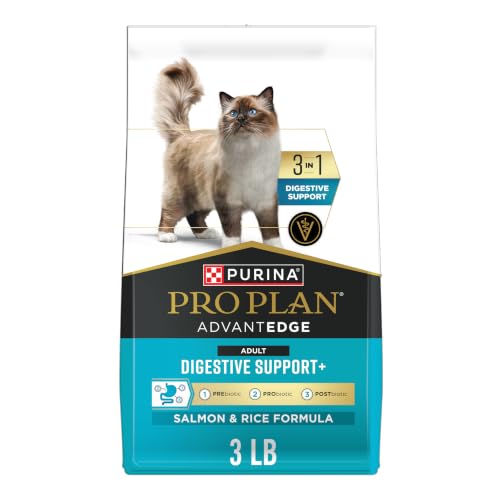
Purina Pro Plan AdvantEDGE Digestive Support is an adult salmon-and-rice dry formula with prebiotics, probiotics, and postbiotics featured in its listing. It is positioned for digestive and immune support and described as complete and balanced adult nutrition. The three-pound bag can make a transition easier to manage, but functional ingredient claims do not establish that it will resolve recurring vomiting.
Prebiotic, probiotic, and postbiotic terms describe gut-support ingredients, but response varies by cat and formula. Compare the protein source with known tolerances and ask whether this food fits any medical plan. A gradual transition is easier to monitor than changing foods overnight. If vomiting continues, record timing, appearance, meal size, and other signs for the veterinarian instead of relying on a product claim.
This is a useful option to discuss when you want adult kibble with multiple digestive-support ingredients. Keep transition and treats steady so changes are easier to interpret. There is no single best food for every cause of vomiting, and repeated episodes warrant veterinary attention. Store the bag properly and follow its feeding directions. Follow veterinary advice and review the package label for feeding directions, ingredients, and life-stage suitability before choosing a food. Follow veterinary advice and review the package label for feeding directions, ingredients, and life-stage suitability before choosing a food. Follow veterinary advice and review the package label for feeding directions, ingredients, and life-stage suitability before choosing a food.
My Recommendation
This is a useful option to discuss when you want adult kibble with multiple digestive-support ingredients. Keep transition and treats steady so changes are easier to interpret. There is no single best food for every cause of vomiting, and repeated episodes warrant veterinary attention. Store the bag properly and follow its feeding directions. Compare the ingredient panel with the current food and ask your veterinarian whether a gradual change is appropriate. Contact the clinic if vomiting continues.
Hill’s Prescription Diet i/d Digestive Care Cat Food

- Clear adult nutrition positioning
- Digestive-support ingredient or formula focus
- Several recipe or bag-size options
- Easy to compare with veterinary advice
- Not a treatment for unexplained vomiting
- May not suit every cat or sensitivity
Hill’s Prescription Diet i/d is a veterinary therapeutic dry food for digestive care. Its listing describes a highly digestible chicken recipe and prebiotic fiber blend and identifies it as a prescription diet. It should be selected with a veterinarian, who can decide whether it suits the cat’s signs and health history. It is not a self-directed substitute for diagnosing recurrent vomiting.
Prescription diets belong in a veterinarian-led plan. Ask whether i/d is appropriate, how long to feed it, and whether it should be used alone or with other care. Discuss transition instructions and what to do if the cat refuses it. Do not use prescription food to delay care when vomiting is recurrent, severe, or accompanied by other concerning signs.
i/d belongs in a veterinarian-led plan, not a casual shopping experiment. It may be relevant when a clinician recommends digestive support, but the right diet depends on diagnosis and broader health. Follow clinic instructions and report persistent signs or poor appetite. Seek prompt veterinary care for sudden severe vomiting, blood, or weakness. If the veterinarian approves a trial, ask how to introduce the food and when to check in. Confirm the current package is labeled for your cat’s life stage and use the prescription formula only as directed. Record vomiting episodes and appetite changes so the clinic can judge the response at follow-up. Do not substitute a retail sensitive-stomach recipe without checking with the clinic.
My Recommendation
i/d belongs in a veterinarian-led plan, not a casual shopping experiment. It may be relevant when a clinician recommends digestive support, but the right diet depends on diagnosis and broader health. Follow clinic instructions and report persistent signs or poor appetite. Seek prompt veterinary care for sudden severe vomiting, blood, or weakness. Compare the ingredient panel with the current food and ask your veterinarian whether a gradual change is appropriate. Contact the clinic if vomiting continues.
How to choose best dry cat food for sensitive stomach vomiting
Decide whether a food change is appropriate
Repeated vomiting should prompt a veterinary conversation before you shop. Record when it happens, what it looks like, recent food changes, appetite, stool, and other signs. If vomiting occurs frequently or with lethargy, weakness, blood, reduced appetite, or diarrhea, arrange prompt care. Sudden or severe symptoms need urgent advice. A food described as gentle may be useful in a clinician-approved plan, but cannot identify every cause.
Compare recipe and life stage
Check the complete ingredient list, protein source, life-stage statement, and feeding directions on the current package. If a veterinarian suspects a food reaction, ask whether a specific diet trial is needed and how to keep treats and flavored products from interfering. A “grain-free,” “sensitive,” or “digestive” label is not proof of a medical benefit for your cat. Avoid switching among several recipes at once, since that makes it harder to understand what changed.
Transition and monitor with your veterinarian
When your veterinarian agrees to a new food, ask how to transition and what to do if your cat refuses it. Cats should not be left without eating while you try to force a diet change. Measure portions, keep fresh water available, and track appetite and symptoms. Prescription diets such as Hill’s i/d require veterinary guidance. ${psafe}
A food label may mention digestive health, but it cannot confirm whether vomiting is caused by diet. Cats can vomit for many reasons, and the right response differs. Before buying, ask the clinic whether to keep the current food until an appointment, what signs need urgent care, and whether a food trial is appropriate. If the vet recommends a trial, ask how long to run it and which treats or supplements to avoid.
Compare package size and storage requirements with the amount your cat can use while the food stays fresh. A large bag may be less convenient if the cat refuses it or the veterinarian recommends another formula. Do not let a food search delay an appointment when vomiting is frequent or accompanied by weakness, blood, appetite loss, or diarrhea. Keep notes about meal timing and symptoms so the clinic can distinguish a pattern from a one-time episode.
Frequently Asked Questions
Can dry cat food stop vomiting?
A diet change may be part of a veterinarian’s plan, but vomiting has many possible causes. Food alone should not be relied on to treat repeated episodes.
When should I call a veterinarian?
Call promptly for frequent or persistent vomiting, or if it occurs with weakness, lethargy, appetite loss, blood, or diarrhea. Sudden severe signs need urgent advice.
Should I switch foods immediately?
Ask your veterinarian first, especially if vomiting is ongoing or your cat has another condition. Abrupt changes can complicate assessment.
Is grain-free food better?
Not automatically. The full recipe and your cat’s individual history matter more than a grain-free label. Follow veterinary guidance for suspected food reactions.
Can I buy prescription digestive food without a veterinarian?
Prescription diets should be selected with a veterinarian, who can decide whether the diet suits your cat and how to use it safely.
Final Verdict
For adult cats with mild digestive sensitivity, Royal Canin Digestive Care, Hill’s Sensitive Stomach & Skin, and Purina Pro Plan AdvantEDGE are retail formulas to compare by ingredients, acceptance, and veterinary advice. Hill’s i/d is clinician directed. None is a cure for vomiting. Contact a veterinarian before trying another food if your cat vomits repeatedly or has other concerning signs.
Affiliate disclosure: This article contains Amazon affiliate links. If you purchase through them, PetAdvisorPro may earn a commission. As an Amazon Associate I earn from qualifying purchases.