
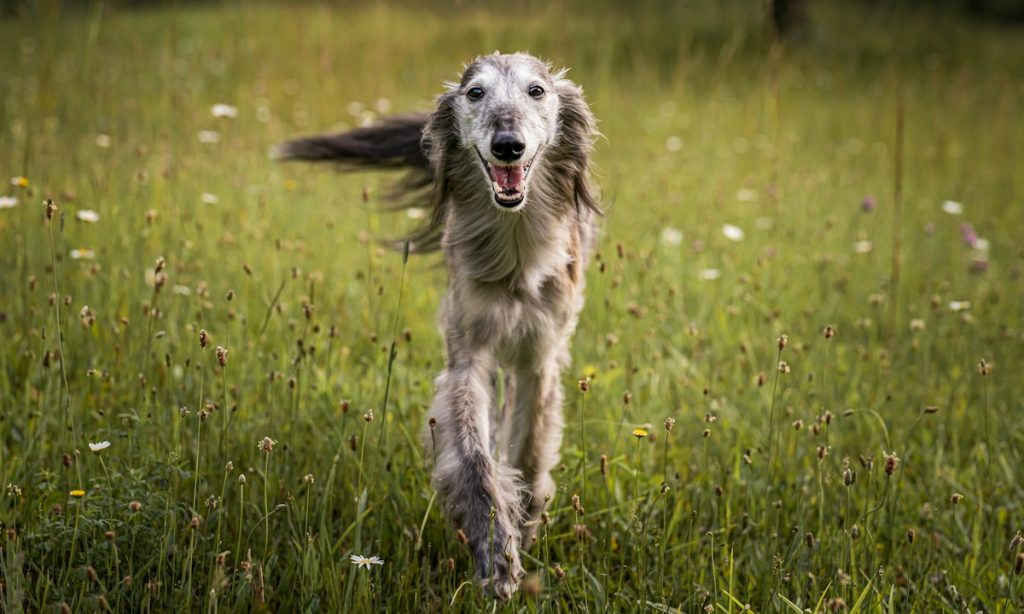
A dog-friendly lawn can look great until the same paws race across it every morning. Choosing the best grass for high traffic dogs is less about finding an indestructible seed and more about matching turf species to climate, sunlight, and how your dog uses the yard. Tall fescue, perennial ryegrass, Kentucky bluegrass, and warm-season bermudagrass behave differently under wear. Grass seed also needs time to establish before play resumes. This roundup compares seven verified seed products for common US lawn situations, including shade, summer stress, and fast-moving dogs. It focuses on what each product actually contains, where it makes sense, and what could go wrong. If your yard cannot support living turf at all, our guide to artificial turf for dogs explains a different approach. No seed will replace drainage repairs or a better plan for a heavily used dog run.
Quick Picks
| Product | Best For | Key Advantage | Buy | |
|---|---|---|---|---|
| Kentucky Bluegrass & Turf-Type Tall Fescue Dark Blend | Sunny cool-season dog yards | Bluegrass recovery with fescue durability | View on Amazon | Jump to Review |
| Pennington Smart Seed Kentucky Bluegrass Blend | Moderately sunny patch restoration | Bluegrass seed with starter fertilizer | View on Amazon | Jump to Review |
| Pennington Smart Seed Dense Shade Mix | Shady runs under trees | Fescue, bluegrass and ryegrass mix | View on Amazon | Jump to Review |
| Outsidepride Combat Extreme Northern Mix | Northern-climate high-use lawns | Uncoated raw turf seed mix | View on Amazon | Jump to Review |
| Jonathan Green Black Beauty Heat & Drought | Hotter cool-season exposures | Tall fescue with Texas bluegrass | View on Amazon | Jump to Review |
| Jonathan Green Black Beauty Heavy Traffic | Repeated running and paw wear | Tall fescue with perennial ryegrass | View on Amazon | Jump to Review |
| Scotts Heat-Tolerant Blue Mix | Tall-fescue lawn renovation | Seed, fertilizer and soil improver | View on Amazon | Jump to Review |
1. Kentucky Bluegrass & Turf-Type Tall Fescue Dark Blend

What We Like
- Kentucky bluegrass and tall fescue blend
- Formulated for moderate-to-heavy traffic
- Dark green turf appearance
- Drought-tolerant fescue component
What We Don’t Like
- Cool-season climate suitability
- Large bag for small patch repairs
This Kentucky bluegrass and turf-type tall fescue mix takes a blended approach to a busy dog yard. Kentucky bluegrass can spread and repair some wear, while tall fescue contributes deeper roots and useful tolerance of drought and everyday foot traffic. That combination matters when dogs repeatedly follow the same route between a door and a fence. The manufacturer positions this blend for moderate-to-heavy activity rather than for a decorative lawn that nobody touches. It is a seed blend, not pre-grown sod, so the yard needs an establishment period.
For a home in a suitable cool-season region, the appeal is balance rather than a dramatic claim that grass can withstand unlimited running. A dense stand can cushion normal play, but a dog that brakes or pivots at one favorite corner may still expose soil. The 10-pound package better suits a meaningful renovation than a tiny spot behind a gate. Before ordering, measure the actual area, check your local planting calendar, and compare the bag’s seeding instructions with the condition of your soil.
The main limitation is regional fit. Kentucky bluegrass and tall fescue behave differently during hot summers, and this blend is not a universal replacement for bermudagrass in a warm southern yard. Successful seeding also means temporary dog exclusion, appropriate watering, and sufficient time for roots to anchor before vigorous play resumes. Check the seed label for any coatings or other added materials, and follow all instructions on pet access. A grass blend helps only when drainage, shade, irrigation, and traffic patterns are managed together.
My Recommendation
Choose this blend for a larger cool-season yard where you want a mix of self-repair potential and fescue durability. I would pass if the lawn is heavily shaded or in a hot warm-season region. Plan for a dog-free establishment period and verify the bag’s current seed analysis before planting.
2. Pennington Smart Seed Kentucky Bluegrass Blend

What We Like
- Kentucky bluegrass-focused seed
- Designed for 4–6 hours of sun
- Seed and fertilizer in one bag
- Suitable for traffic-prone lawns
What We Don’t Like
- Fertilizer requires pet-access precautions
- Not a deep-shade specialty mix
Pennington’s Smart Seed Kentucky Bluegrass Blend is a practical option when a dog has thinned a moderately sunny stretch of lawn and you want a bluegrass-centered repair. The listed package contains grass seed and fertilizer, and the manufacturer identifies areas receiving roughly four to six hours of sunlight as an intended setting. Bluegrass is useful because established plants can spread into small worn spaces. That benefit is gradual, however; it does not make freshly seeded ground safe for running, digging, or repeated urine exposure.
Consider the shape of your yard before choosing it. A relatively open run along a fence may be easier to restore than a narrow muddy track shaded by trees. The 3-pound size suits people who need to address smaller areas without buying a large renovation bag. I would still calculate square footage and follow the specific establishment and overseeding rates on the current package. Manufacturer coverage statements are based on particular application conditions, and dog activity can make real-world recovery slower.
Because the product includes fertilizer, pet safety involves more than scattering seed and closing the bag. Read the current precautions, keep dogs away for the period specified on the label, store leftovers securely, and do not allow pets to eat treated seed. If the affected zone receives very little direct light, a true shade-oriented blend may be a better match. This is most persuasive as part of repairing an existing lawn with reasonable sunlight, soil preparation, and a realistic recovery window.
My Recommendation
This is a sensible bluegrass option for smaller, moderately sunny dog-yard repairs. The built-in fertilizer is convenient but makes label-based pet exclusion especially important. Choose another mix for dense shade, and never expect new grass to survive the same high-speed dog route before it is established.
3. Pennington Smart Seed Dense Shade Mix

What We Like
- Mix includes perennial ryegrass
- Tall fescue and bluegrass components
- Made for limited-sun areas
- Seed and fertilizer combination
What We Don’t Like
- Still needs some daily sunlight
- Fertilized seed needs controlled access
Dog owners with shaded yards face two challenges at once: plants receive less light, and paws keep wearing away tender growth. Pennington Smart Seed Dense Shade Mix addresses the first issue with a mixture of perennial ryegrass, Kentucky bluegrass, and tall fescue. The stated growing range is about two to six hours of sunlight, depending on conditions. The species mixture offers a different approach from an all-bluegrass lawn, making it worth considering for a side yard with trees or buildings nearby.
Perennial ryegrass is valued for comparatively quick establishment, while fescue is often selected for its performance where light and water are less than ideal. These characteristics help explain the blend’s fit, but they do not cancel the need for healthy soil and enough growing light. The seven-pound bag can cover a more substantial renovation according to its directions. Identify the dog’s busiest paths first; some high-wear strips may need stepping stones or a designated run rather than endless reseeding.
This product also contains fertilizer, so the instructions concerning application, watering, storage, and the return of animals to the area deserve close attention. Shade alone does not guarantee success, especially under trees that compete aggressively for moisture and nutrients. If the site is almost permanently dark, even shade mixes can thin out. Separate the highest-traffic zone while grass establishes, and evaluate water movement after rain. A shaded lawn that stays muddy may need drainage work before any seed choice can help.
My Recommendation
For an area with limited but meaningful sunlight, this is a more logical starting point than a full-sun sports blend. It is less attractive for a completely shaded, constantly muddy dog run. Follow the fertilizer label closely and protect seedlings from repeated paw traffic until they can withstand use.
4. Outsidepride Combat Extreme Northern Mix

What We Like
- Turf-type tall fescue blend
- Kentucky bluegrass component
- Raw seed without coating
- Positioned for northern climates
What We Don’t Like
- Less suitable for warm-season lawns
- Needs careful establishment timing
Outsidepride Combat Extreme Northern brings a different selling point to this roundup: its listing describes a raw, uncoated seed blend rather than a seed-and-fertilizer package. Turf-type tall fescue is paired with Kentucky bluegrass for dense northern turf with useful resistance to wear. That makes sense for an owner managing a dog that frequently crosses the same backyard. The product is marketed particularly toward colder northern growing conditions, so geography should drive the purchase more than the word extreme on the package.
The raw-seed format gives experienced lawn renovators flexibility to evaluate soil needs separately rather than automatically applying a bundled fertilizer. That is not a reason to skip soil preparation or assume the seed is harmless for pets to ingest. A healthy stand still depends on suitable temperature, planting depth, watering, and protected germination. The five-pound quantity is substantial enough to consider for a worn section without immediately committing to the largest grass-seed bag available.
One tradeoff is that this blend is not a good answer for every southern dog yard. Bermuda or another regionally appropriate warm-season turf may outperform a northern cool-season mix in persistent summer heat. Compare the exact cultivar information and local extension recommendations before you buy, and check the current seed label for weed-seed percentages or treatments. If a dog continuously digs at one location, change the environment or create a protected activity area while establishing grass. Seed selection cannot correct that behavior by itself.
My Recommendation
I would shortlist this for a northern yard when you prefer to manage fertilizer separately. Its raw-seed approach is a practical distinction, not a guarantee of pet safety or instant toughness. Use a locally recommended warm-season variety instead where summers are too demanding for the chosen cool-season grass.
5. Jonathan Green Black Beauty Heat & Drought

What We Like
- Tall fescue and Texas bluegrass
- Designed for sun and light shade
- Drought-focused turf blend
- Small 3-pound option
What We Don’t Like
- Not a warm-season grass substitute
- Heat tolerance depends on site care
Jonathan Green Black Beauty Heat & Drought is aimed at yards that face summer heat and limited moisture while still being suited to cool-season turf. The listed mix combines tall fescue with Texas bluegrass, giving shoppers a different species combination from ordinary Kentucky-bluegrass-heavy bags. Dogs intensify the problem because traffic can compact dry soil and stress plants already short on water. The manufacturer’s heat- and drought-focused positioning is relevant, although actual survival will depend heavily on irrigation, soil, and the local climate.
A 3-pound package may appeal when your toughest problem is a defined run beside the house instead of an entire acre. Tall fescue’s rooting habit can be useful where summer moisture is inconsistent. But remember that a newly germinated lawn has very shallow roots: its mature drought tolerance does not apply immediately after sowing. Where a dog returns repeatedly to the same patch, use temporary barriers and redirect activity to an established surface until new grass can survive ordinary footfall.
Do not confuse heat tolerance with permission to stop caring for the lawn. Irrigation during establishment, sensible mowing height, and soil compaction management can matter as much as the blend itself. Check current packaging for application instructions and any seed treatment information before the dog reenters the area. I would also look at your local extension’s guidance on turf species; a hot coastal southern yard and an inland northern yard have different needs even when both reach uncomfortable summer temperatures. This product is most credible within its intended growing region.
My Recommendation
This is worth considering where cool-season lawns endure intense summer conditions and an active dog. The 3-pound size keeps a targeted renovation manageable. For consistently hot southern climates, compare established bermudagrass or other regional alternatives before ordering a cool-season seed blend.
6. Jonathan Green Black Beauty Heavy Traffic

What We Like
- Heavy-traffic-specific formulation
- Tall fescue and ryegrass mixture
- Intended for sun or partial shade
- Useful for dog and family play areas
What We Don’t Like
- Recovery still requires dog-free time
- Not intended for dense shade
The Black Beauty Heavy Traffic blend is the most directly named option for a yard that functions as a canine running track. Its listing identifies tall fescues and perennial rye turfgrass varieties, the same broad species groups used for many active recreational spaces. The mix is intended for sun or partial shade and for repeated foot traffic from people and pets. That does not mean the grass can recover from a dog sprinting over the same bare corner before seedlings have produced a reliable root system.
Perennial ryegrass can establish relatively quickly in appropriate conditions, which is helpful when worn lawn areas cannot remain closed forever. Tall fescue brings its own wear and drought-resistance characteristics once mature. In a busy household, the practical strategy is to divide repairs into sections, keep the animal off newly seeded areas, and reopen one portion only when the plants are strong enough. The 3-pound bag makes it easier to begin with a specific path or play zone.
The potential drawback is that a highly concentrated traffic pattern may exceed what even resilient turf can tolerate. If dogs leap from a step and pivot sharply in one spot, a path, mulch zone, or other durable surface may be a more honest fix than endless seed. Check regional growing conditions and follow the producer’s instructions for watering, seeding, and any added materials. This seed remains a sensible comparison point because traffic tolerance is central to its design, rather than an incidental marketing detail.
My Recommendation
For a cool-season yard where paw traffic is the primary concern, this is one of the clearest fits in the group. Choose it over a shade-specialty mix when the area gets adequate sunlight. Protect the repair zone during establishment and redesign any single point that suffers continuous impact.
7. Scotts Heat-Tolerant Blue Mix

What We Like
- Kentucky bluegrass and tall fescue
- Includes root-building nutrition
- Intended for full sun or partial shade
- Suitable for overseeding tall fescue lawns
What We Don’t Like
- Added fertilizer needs pet precautions
- May not match other turf species
Scotts Turf Builder Heat-Tolerant Blue Mix is designed for yards already built around tall fescue, particularly where high temperatures and variable moisture create stress. The listing combines Kentucky bluegrass and tall fescue seed with fertilizer and a soil improver in one package. For a dog owner, the appeal is a single lawn-renovation product rather than three separate materials to source. It is not automatically right for every grass type, though, and successful overseeding starts by identifying what is already growing in the yard.
The product is described for full sun and partial shade, so placement matters. A sunny play area with fescue may be a reasonable candidate, while a perpetually shadowed corridor may struggle regardless of the added nutrition. The included materials are intended to support root development, not to create instant wear resistance. Measure the space, distinguish establishment from overseeding coverage, and avoid choosing a bag size only by the largest square-footage number in the promotional listing.
Because fertilizer and soil improvement material are included, read all current safety directions before handling the bag or letting a dog onto treated ground. Prevent pets from licking or eating applied material, and follow label restrictions rather than relying on a generic waiting period. If lawn damage is mostly urine burn, grass seed alone will not fix the nitrogen and moisture issues responsible. This is best considered a targeted fescue-lawn recovery tool with convenient bundled ingredients, not a universal pet-proof surface.
My Recommendation
Consider this when renovating an existing tall-fescue lawn in sun or partial shade and you prefer an all-in-one product. The combined fertilizer demands extra attention to dog access. If your yard contains a different grass species or a dog constantly damages one spot, address that first.
How to Choose the Best Grass for High Traffic Dogs
Match the species to your climate
The toughest seed is the wrong purchase when it cannot thrive in your region. Northern and transition-zone yards commonly use tall fescue, Kentucky bluegrass, or perennial ryegrass. In warmer southern areas, established bermudagrass can tolerate substantial wear and recover quickly when it has adequate sunlight. A lawn that survives summer may still go dormant or show winter damage. Ask your local university extension office which varieties perform well in your county, then compare the seed mixture on the bag. The best grass for high traffic dogs should match local conditions first and your dog’s activity patterns second.
Study sunlight, soil and the running route
Walk through the backyard during the day and note how many hours of sun reach each area. Shade mixtures cannot thrive in complete darkness, and sun-loving turf struggles beneath dense trees. Check compacted ground where paws repeatedly land; aeration or drainage improvements may matter more than another purchase. For severe urine damage, avoid assuming that additional fertilizer is helpful. If you are considering artificial grass designed for dog potty areas, weigh cleaning and drainage needs separately from natural turf management. Sometimes one hard-wearing path and a living play lawn make a more workable combination.
Read seed, treatment and pet-access directions
Coverage rates differ for a completely new lawn and for overseeding thin spots. Calculate the actual square footage before ordering. Review the seed-tag analysis, any coating, fertilizer, weed-control components, planting season, irrigation schedule, and restrictions on pet access. Dogs should not be allowed to consume seeds, fertilizer, or lawn-treatment materials. Keep animals away from vulnerable seedlings until the roots and leaf cover are established enough for the intended activity. You may have to fence off a section or temporarily change walk routines. No product on this list has been independently tested by us against a specific dog’s weight, running speed, or digging habits. Treat manufacturer descriptions as starting points, not guaranteed outcomes.
Frequently Asked Questions
Which natural grass handles dog traffic best?
There is no universal winner. Bermudagrass is often strong in sunny warm regions, while tall fescue and suitable bluegrass or ryegrass mixes are useful in cool-season climates.
Can I let dogs onto grass seed immediately?
No. Protect the seeded area, follow the label’s safety directions, and allow seedlings to establish before regular play.
Is tall fescue a good dog-yard choice?
Turf-type tall fescue is often a durable cool-season choice, but its performance depends on sun, climate, compaction, and care.
Will seed fix urine-burned patches?
Seed can restore dead turf after underlying conditions are corrected; it cannot prevent repeated concentrated urine damage by itself.
What if the same dog path stays bare?
Consider changing the route or using an appropriate durable surface. A repeatedly damaged turning point may be unsuitable for living grass.
Final Verdict
For a sunny cool-season yard dominated by running and play, Jonathan Green Black Beauty Heavy Traffic is a strong category match. For shade, compare Pennington Dense Shade; for northern renovations with separately managed fertilizer, consider Outsidepride Combat Extreme Northern. The best grass for high traffic dogs is ultimately the species that fits the local growing conditions and a realistic plan for keeping paws away while new roots form. When traffic is too concentrated for turf, a designed path or the right dog-friendly artificial turf alternative may be more practical.
Affiliate disclosure: As an Amazon Associate, PetAdvisorPro earns from qualifying purchases. If you buy a product through an eligible Amazon link in this article, we may receive a commission at no additional cost to you. Product selection and recommendations are based on available product information and editorial judgment, not on paid placement or claims of personal product testing.









