Top picks: Labrador Retriever, Golden Retriever, Standard Poodle, Cavalier King Charles Spaniel, and Labradoodle.
I have worked with service dogs and clients coping with anxiety and depression for years. This article distills clinical insight, real-world experience, and breed science to help you choose the best service dog breeds for anxiety and depression. You will find clear comparisons, task suggestions, training tips, and practical steps so you can match temperament, size, and skill to your needs. Read on to make an informed choice that improves daily life and long-term resilience.
Why choose a service dog for anxiety and depression?
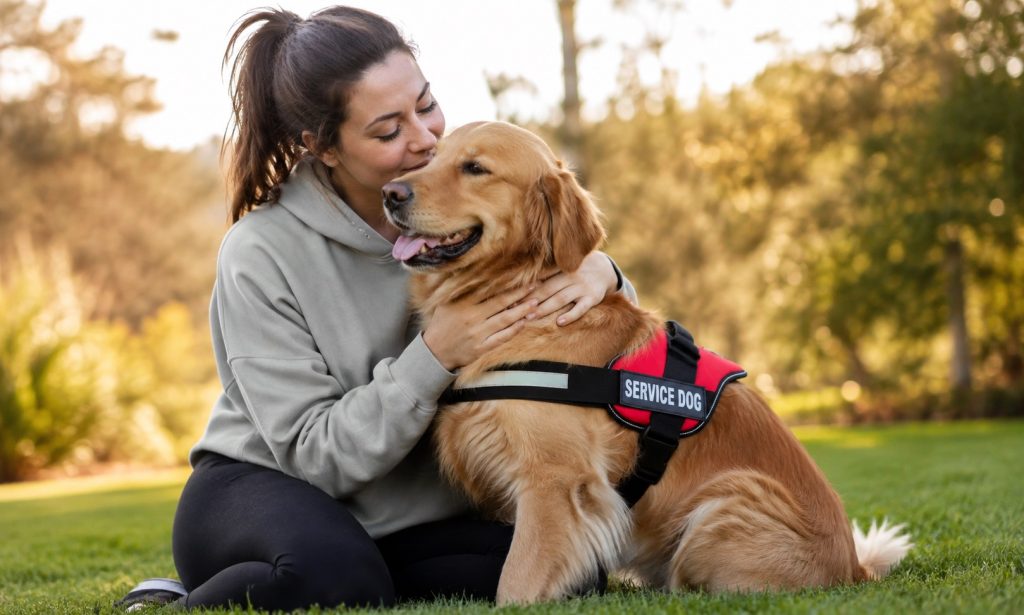
Service dogs can perform concrete tasks that reduce symptoms of anxiety and depression. They offer grounding, interrupt panic, provide deep pressure therapy, and create predictable routines. Choosing one of the best service dog breeds for anxiety and depression means selecting a dog with steady temperament, high trainability, and emotional attunement.
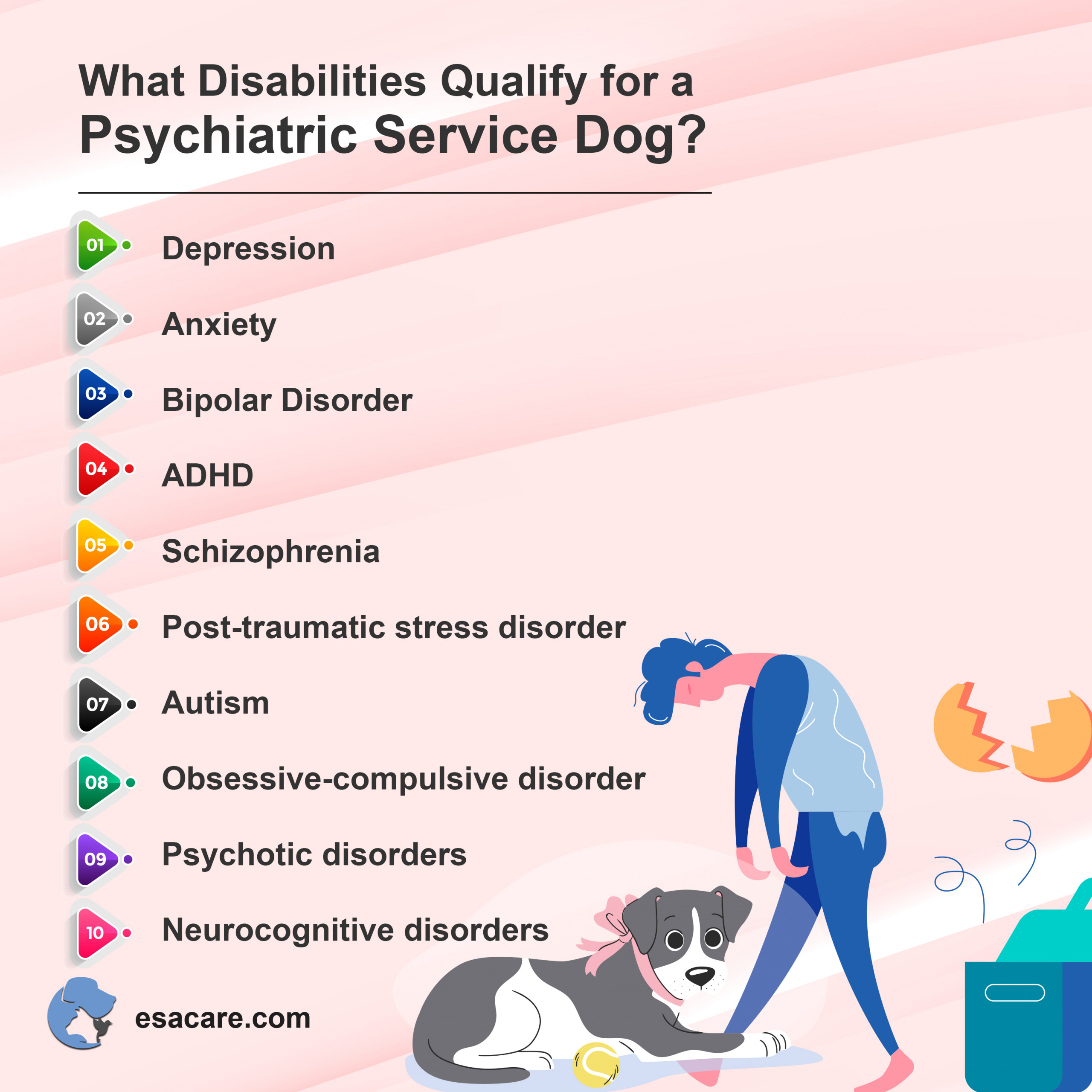
Service dogs are distinct from emotional support animals. A trained service dog performs specific tasks for a diagnosed disability. For anxiety and depression, tasks may include:
- Deep pressure or weighted leaning to reduce panic.
- Interrupting repetitive behaviors or dissociative episodes.
- Guiding a person to a safe space or out of crowds.
- Reminding to take medication or practice grounding techniques.
Benefits include more independence, fewer panic incidents, improved social engagement, and daily structure. Limitations include training time, cost, public access responsibilities, and the need to maintain dog welfare. When you focus on the best service dog breeds for anxiety and depression, you prioritize steady, service-minded dogs that are reliable in public and at home.
Top service dog breeds for anxiety and depression
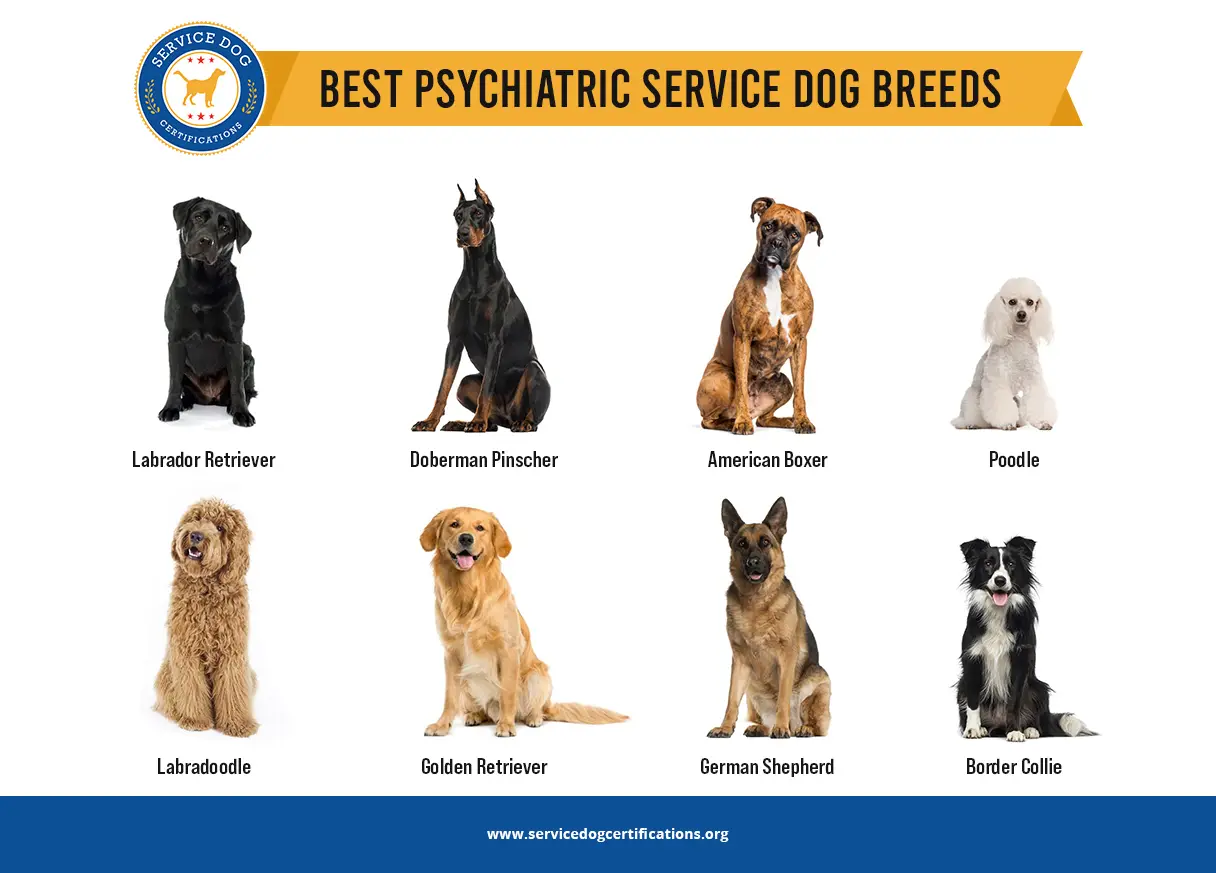
Below are breeds that consistently perform well for anxiety and depression work. Each breed summary includes temperament, strengths, common tasks they excel at, and suitability for different lifestyles. These picks are based on training success, temperament research, and hands-on experience.
Labrador Retriever
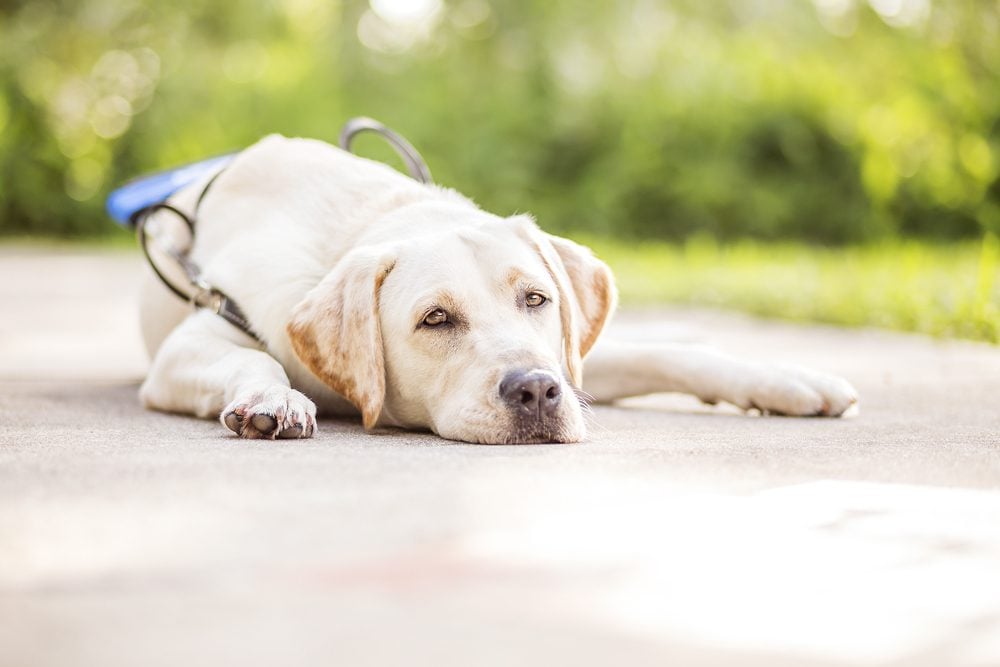
Labradors are calm, friendly, and highly trainable. They are excellent at deep pressure work, visitor interruption, and retrieving items. Labradors handle busy public settings well and bond deeply with handlers. Best for active people who want a dependable, medium-to-large dog.
Golden Retriever
Goldens are affectionate and intuitive. They excel at emotional support, task switching, and public access. Their people-focused nature makes them strong choices for those needing grounding and social support. Best for families or individuals wanting a warm, patient partner.
Standard Poodle
Poodles are intelligent, eager to learn, and low-shedding. Their high trainability and sensitivity make them great at specialized tasks like medication reminders and wound-of-mind grounding cues. Standard poodles are suitable for allergy-sensitive handlers.
Labradoodle or Goldendoodle
Doodle mixes combine calm retriever temperaments with poodle intelligence and lower shedding. Many labs and goldens crossed with poodles inherit steady temperaments and adaptability. They work well for handlers seeking a friendly, low-shed service dog.
 Source: isigny-sur-mer.fr
Cavalier King Charles Spaniel
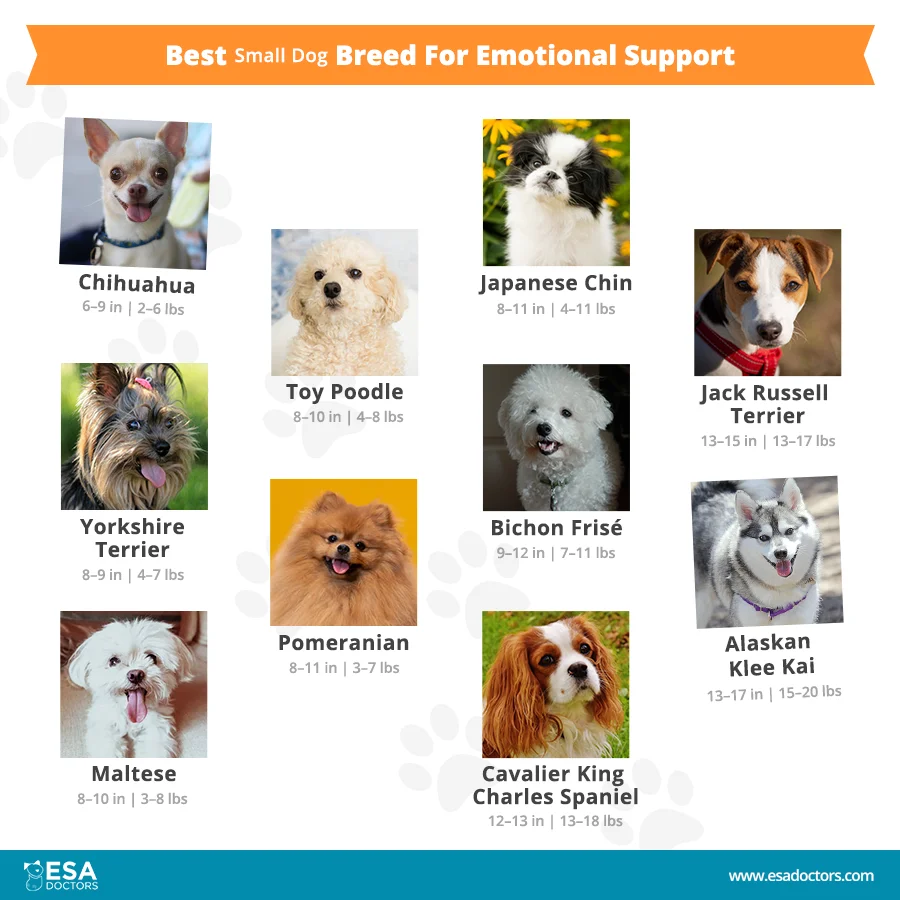
Cavaliers are small, gentle, and very attuned to human emotion. They excel at close-contact tasks such as deep pressure therapy and lap work. Ideal for apartment living or people who prefer a small-sized service dog.
German Shepherd
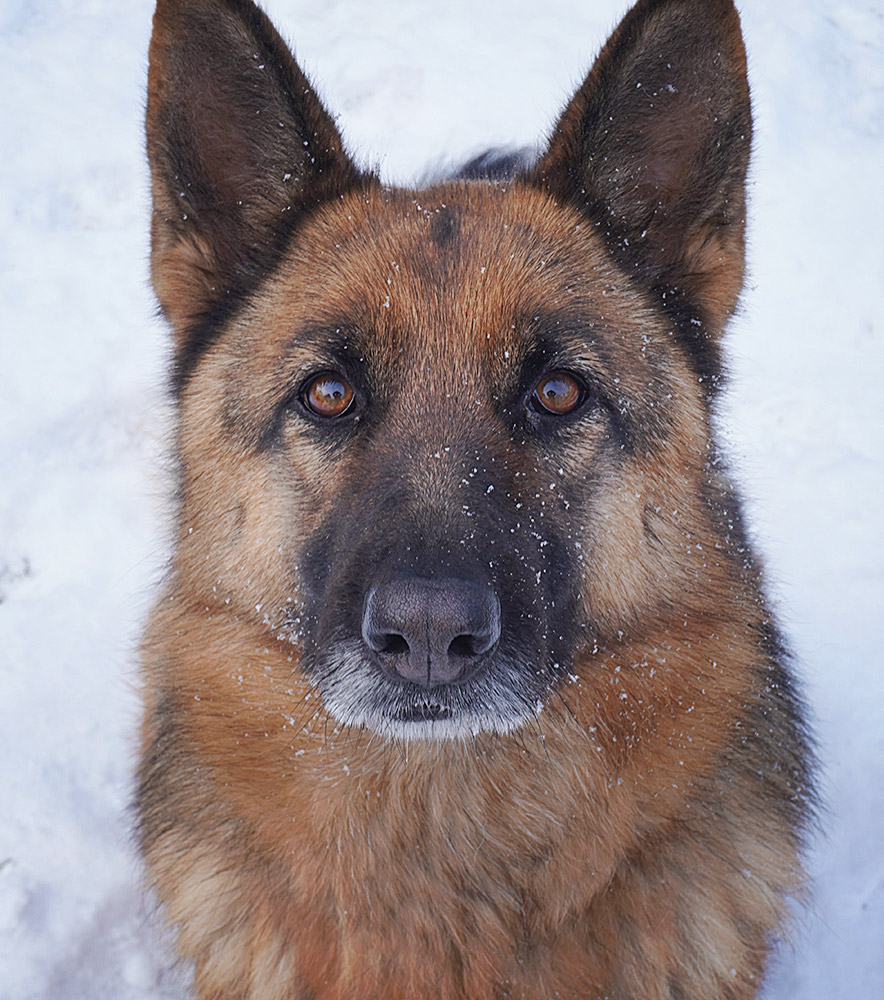
German Shepherds are loyal and focused. They are highly trainable for public access tasks, safety-related responses, and complex routines. Best for handlers who need a very reliable, task-oriented partner and can provide firm leadership and exercise.
Bernese Mountain Dog
Bernese are calm giants with a soft demeanor. They are excellent at grounding by leaning and providing a comforting presence. Their large size can be an advantage for deep pressure tasks at home.
Greyhound
Surprisingly calm, retired racing greyhounds are gentle and low-energy. They can be excellent for handlers needing a calm, quiet companion that is less demanding on exercise routines.
Choosing one of the best service dog breeds for anxiety and depression depends on your living situation, allergy needs, and activity level. Each breed brings different strengths to task work and daily living.

How to choose the right breed and match with your needs
Choosing a breed is more than picking a popular dog. Consider these factors to match a breed to your life and clinical needs.
- Energy level and exercise needs: Match breed activity to your daily routine.
- Size and living space: Small dogs suit tight apartments; larger dogs need room.
- Shedding and allergies: Poodles and some doodles are better for allergy concerns.
- Trainability and focus: Highly trainable breeds learn tasks faster and generalize better.
- Temperament: Look for calm, people-oriented, and non-reactive temperaments.
- Age and health: Middle-aged dogs can be steady; check breed health risks before selection.
Practical steps:
- Work with a mental health provider to identify needed tasks.
- Consult experienced trainers who specialize in psychiatric service dog work.
- Arrange meet-and-greets with candidate dogs to assess calmness and initiation of eye contact.
- Start basic obedience with a trainer and assess adaptability.
Selecting from the best service dog breeds for anxiety and depression involves balancing temperament, health, and your daily needs. Prioritize steady temperaments and proven training histories.
Training and certification considerations
Training a service dog for anxiety and depression requires clear task training, public access training, and legal awareness. Certification is not legally required in many places, but documentation of training and a handler’s plan can help in public settings.
Key training tasks:
- Deep pressure/leaning on cue
- Interrupting repetitive behaviors or panic
- Guiding to exit or safe space during overwhelm
- Alerting to rising anxiety signs
- Medication or routine reminders
Professional training options:
- Full-service professional training with public access training
- Owner-trainer with a certified trainer’s guidance
- Breed-specific training programs focused on psychiatric tasks
Costs and timelines:
- Basic public access training takes months of consistent work.
- Full professional service dog training ranges widely in cost depending on program and tasks.
- Ongoing maintenance training is essential to retain skills.
Legal note: Service dog laws vary. Always be transparent about tasks your dog performs for a diagnosed condition and carry supporting documentation if needed. Training quality matters more than breed, but choosing one of the best service dog breeds for anxiety and depression makes training smoother and outcomes more reliable.
Caring for your service dog
A well-cared-for service dog performs better and lives longer. Caring for a service dog includes routine health care, predictable schedules, and mental enrichment.
Daily care checklist:
- Regular exercise appropriate for breed
- Balanced diet and weight management
- Routine vet checks and vaccinations
- Grooming and allergy management
- Mental stimulation and task refresh sessions
- Clear rest and downtime to prevent burnout
Balance handler needs and dog welfare. Service dogs need predictable routines and time off duty. Provide a safe space where the dog can relax away from tasks. This protects both dog welfare and service quality.
My experience: lessons learned and practical tips
I have trained and coordinated service dog placements for clients with anxiety and depression. A few lessons stand out from hands-on work.
- Start with clear tasks tied to clinical goals. Dogs respond best to specific cues.
- Prioritize temperament over looks. A friendly coat is nice, but calm focus matters more.
- Avoid rushing public access work. Exposure in small steps beats sudden immersion.
- Expect and plan for setbacks. Health issues or life changes can delay training.
- Partner with a trainer who understands psychiatric tasks. This saves time and reduces stress.
A practical tip: trial a foster or trainer-matched dog for several months before committing. This reduces mismatch risk and helps you test how well a dog reduces your symptoms.
Common short questions (PAA-style)
What tasks can a service dog do for anxiety and depression?
Service dogs can ground during panic, interrupt harmful behaviors, remind for medications, and guide to safety. They learn cues tied to rising anxiety.
Is breed more important than training?
Training is crucial, but breed matters for temperament and health. The best service dog breeds for anxiety and depression make training easier and outcomes more predictable.
Can small dogs be effective service dogs for anxiety?
Yes. Small dogs like Cavalier King Charles Spaniels can offer close-contact deep pressure and excel in tight living spaces. Task suitability matters more than size.
Frequently Asked Questions of best service dog breeds for anxiety and depression
What makes a breed suitable as a psychiatric service dog?
A suitable breed is calm, people-focused, and trainable. Health, size, and energy level must fit your lifestyle and the tasks you need.
How long does it take to train a service dog for anxiety?
Basic public access and task training often take 6 to 12 months with consistent work. Complex tasks or owner-trained programs may take longer.
Can I train my own service dog or must I use a professional?
You can train your own dog with guidance from a qualified trainer, but professional programs offer structured public access and task proficiency. Choose the path that fits your skills and needs.
Are there legal protections for psychiatric service dogs?
Many places extend public access protections to properly trained service dogs. Laws vary by jurisdiction, so carry documentation and know local rules.
How often should I refresh my service dog’s training?
Short daily refreshes and weekly focused sessions keep skills sharp. Formal refresh training every 1 to 3 months helps maintain reliability.
Are mixed breeds like doodles good choices?
Yes. Many doodles combine retriever calm with poodle intelligence and are low-shedding. Evaluate individual temperament rather than assuming all mixes are identical.
Conclusion
Choosing one of the best service dog breeds for anxiety and depression can change daily life. Match temperament, size, and training needs to your clinical goals. Invest in quality training, protect your dog’s welfare, and test compatibility before committing. Take one practical step today: consult a trainer or mental health provider about tasks you need, then meet candidate dogs to find the right fit. Share your experience or questions below — your path to better support could help others find the right partner.