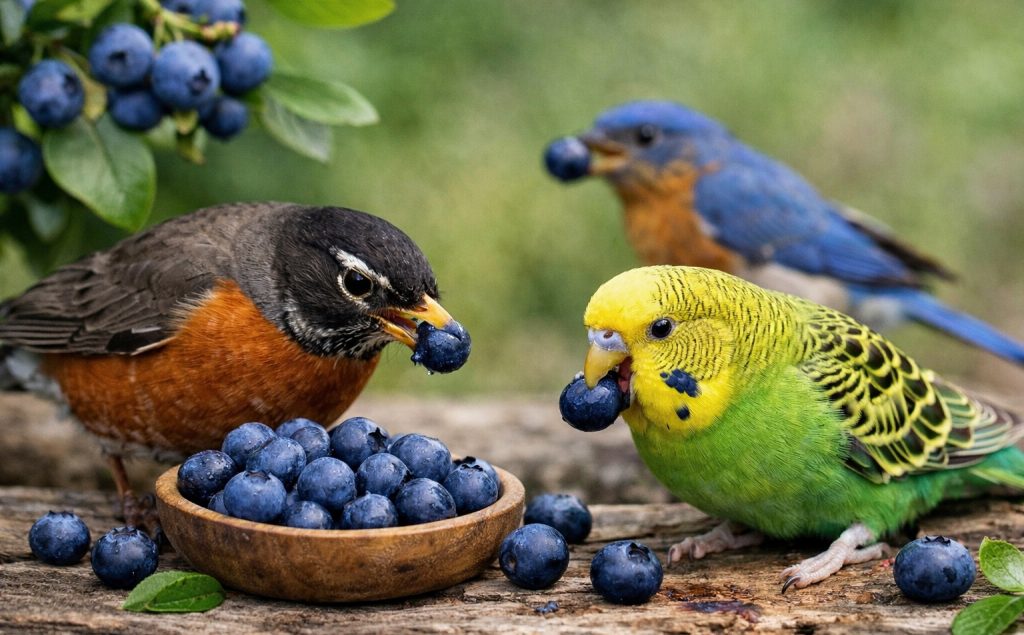
Yes, birds can eat blueberries; they’re safe, nutrient-rich, and many species love them.
I’ve spent years caring for pet parrots and building bird-friendly yards. Here, I answer can birds eat blueberries with clear, tested steps, pro tips, and honest risks. You will learn how to serve them right, what to avoid, and how to use blueberries to attract more birds while keeping them healthy.
Can birds eat blueberries? Nutrition and key benefits
People often ask, can birds eat blueberries? Yes, they can. Blueberries offer water, fiber, and a mix of vitamins and plant antioxidants. They are a clean fruit choice for many wild birds and pet birds.
A 100-gram serving has about 57 calories and is mostly water. It has vitamin K, vitamin C, manganese, and fiber. Birds make some vitamin C on their own, but the fruit still brings helpful antioxidants.
The deep blue color comes from anthocyanins. These compounds help reduce oxidative stress. In simple terms, they help the body handle everyday wear and tear.
So, can birds eat blueberries for health gains? Yes. They are gentle on the gut and easy to digest. Many birds accept them fast because they are sweet but light.
Source: goodlifeinc.com
Birds that love blueberries (wild and pet species)
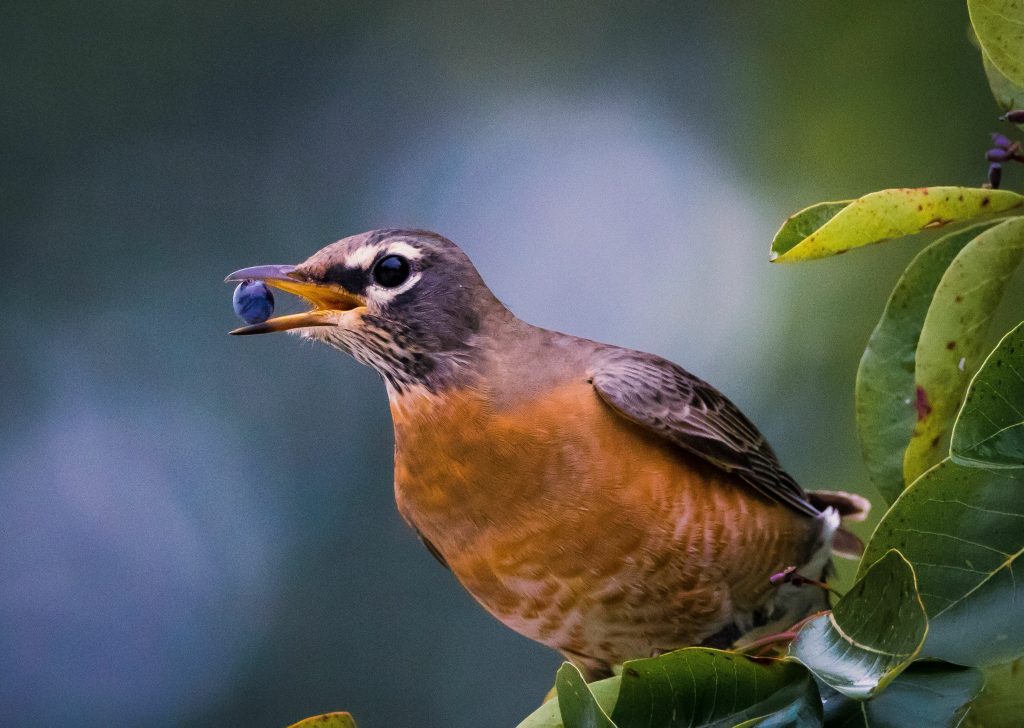
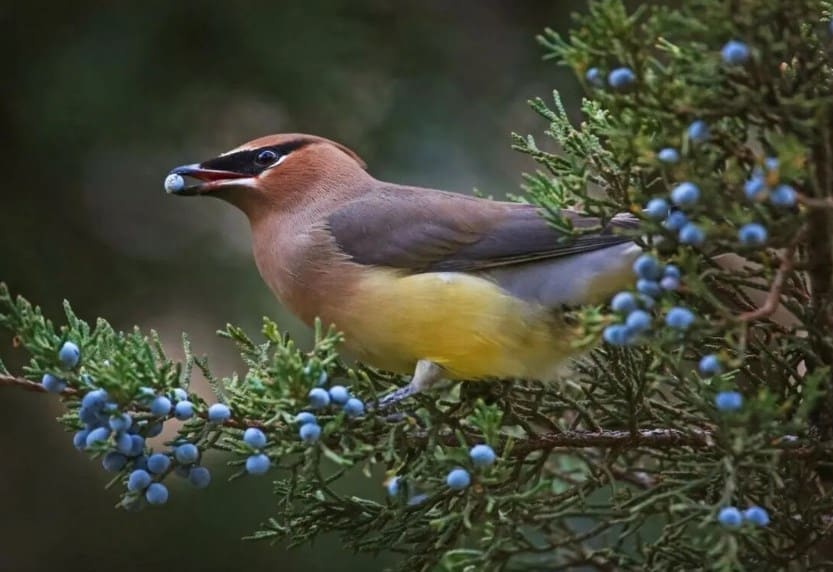
If you wonder can birds eat blueberries in the wild, the list is long. American robins, bluebirds, catbirds, thrushes, waxwings, orioles, and mockingbirds eat them. Tanagers, towhees, jays, and even some woodpeckers will sample fruit trays.
Backyard poultry enjoy them too. Chickens, ducks, and turkeys will pick up whole berries from the ground. Offer small amounts at first to avoid messy runs.
Pet parrots also do well with blueberries. Budgies, cockatiels, conures, caiques, ringnecks, amazons, and greys love them. In my care, shy birds try blueberries sooner than other fruits.
Safe serving guidelines: how to feed blueberries to birds
Many caretakers ask, can birds eat blueberries every day? They can eat them often, but keep it in balance. Fruit should be part of a varied diet, not the whole menu.
Follow these steps for safe feeding:
- Wash well. Rinse under cool water to remove dirt and any spray.
- Choose plain fruit. Skip sugar, honey, chocolate, salt, or syrups.
- Size to fit the beak. Halve or quarter for small birds and finches.
- Start small. Offer a few pieces, then watch droppings and energy.
- Rotate foods. Pair with leafy greens, pellets, seeds, or insects.
- Serve fresh. Remove leftovers after an hour in hot weather.
Simple portion ideas I use:
- Finches and canaries: one to two small pieces, a few times a week.
- Budgies and cockatiels: two to four pieces, a few times a week.
- Conures to amazons: one to three whole berries per session.
- Chickens: a small handful per flock as a treat.
If you ask, can birds eat blueberries as a main food, the answer is no. Use them as a snack or part of a balanced plate.
Source: ysnetting.com
Risks and considerations
Blueberries are safe for most species. Still, there are limits. Overfeeding fruit can crowd out protein, greens, or pellets.
Common issues to watch:
- Pesticides. Wash well. Choose organic when you can.
- Mold or ferment. Discard soft, fuzzy, or sour fruit at once.
- Choking. Cut fruit for small beaks and young birds.
- Sticky surfaces. Clean trays to avoid ants, bees, and wasps.
- Staining. Blue droppings may look odd but are normal after berries.
Health notes from practice:
- Birds with liver issues should not binge on sweet fruit. Keep treats modest.
- Softbills that need low iron diets, like toucans and mynahs, still need variety. Blueberries are low in iron but treat them as part of a plan set by a vet.
- If you wonder can birds eat blueberries with skins, yes. The skin holds many antioxidants.
Fresh vs frozen vs dried vs cooked
Can birds eat blueberries if they are frozen? Yes. I use frozen berries often. Thaw and rinse to remove frost and chill.
Pick the best form for your goal:
- Fresh: highest water content, crisp texture, easy for wild feeders.
- Frozen and thawed: great in all seasons; soft and easy for small beaks.
- Freeze‑dried, no additives: light, clean, shelf-stable; add water before serving to parrots.
- Dried, sweetened: avoid extra sugar, oils, and sulfites.
- Jams, pies, syrups: avoid due to sugar and additives.
When in doubt, ask yourself, can birds eat blueberries when they are plain and simple? If yes, you are on the right track.
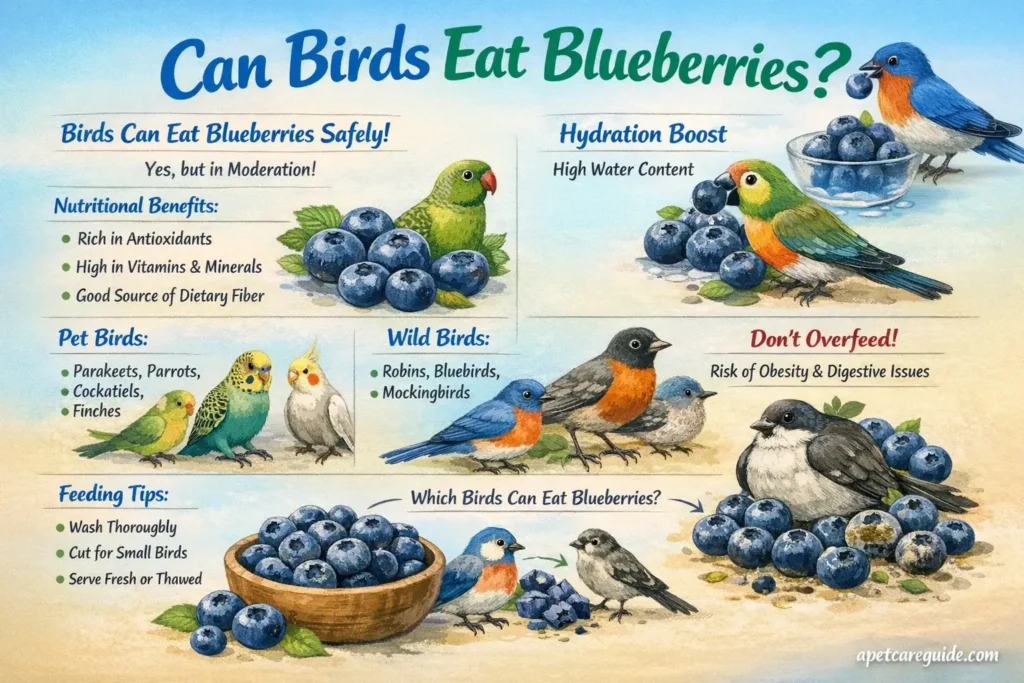
Source: apetcareguide.com
Grow and offer blueberries in your yard
Blueberries help birds and people. You can share the crop and still protect your harvest. This also answers a common ask: can birds eat blueberries straight from the bush? Yes, and they will if you invite them.
Yard tips I use:
- Plant more than one bush for good pollination.
- Net only part of the patch to save a share for you.
- Add a platform feeder near shrubs for fallen or soft berries.
- Keep water nearby. A birdbath doubles the draw.
- Clean feeding spots often to prevent disease.
Two easy serving ideas:
- Fruit tray: mix rinsed blueberries with sliced oranges and grapes.
- Berry suet: stir thawed blueberries into soft suet and chill until firm.
Related foods and smart swaps
Can birds eat blueberries along with other fruit? Yes. Rotating fruit keeps diets broad and interesting. It also cuts waste.
Good partners:
- Strawberries, raspberries, and blackberries
- Grapes cut in halves or quarters
- Apples without seeds, pears without cores
- Pitted cherries and pitted stone fruits
- Melon cubes and kiwi slices
Foods to avoid:
- Avocado, chocolate, caffeine, and alcohol
- Xylitol sweetener, salt, and onions
- Apple seeds and stone fruit pits due to cyanide compounds
If you ask can birds eat blueberries when other fruit is rare, they make a solid stand‑in.
What research says and expert perspective
Field work and nutrition texts agree that wild birds digest ripe fruit well. Blueberries add water, fiber, and phytonutrients without heavy calories. There is no evidence they are toxic to birds.
Antioxidants in blueberries may support cell health. That is useful during molt, migration, or stress. Still, variety beats any one fruit, no matter how healthy.
In my records, birds that get fruit plus greens show better weight stability. They also preen more and visit feeders longer. This matches what many rehabbers and vets report in practice.
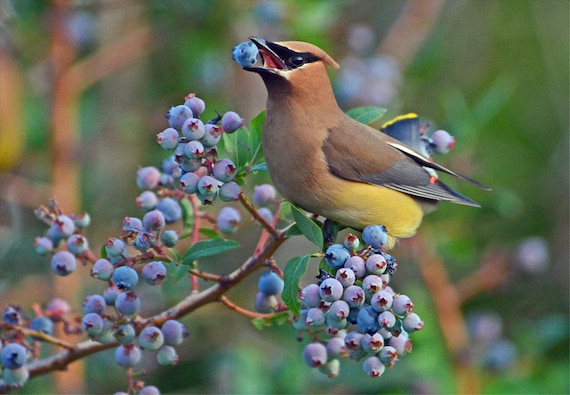
Source: etsy.com
Frequently Asked Questions of can birds eat blueberries
Can birds eat blueberries?
Yes. They are safe for most species when washed and served plain. Keep portions modest.
Can birds eat blueberries every day?
Offer them several times a week rather than daily. Balance them with pellets, seeds, insects, and greens.
Can baby birds eat blueberries?
Not in the nest. Nestlings need soft, species‑specific food. Offer small pieces only to self‑feeding juveniles.
Can birds eat blueberries with the skin on?
Yes. The skin holds many antioxidants and fiber. Cut berries for tiny beaks.
Can parrots eat blueberries?
Yes. Most parrots love them. Serve two to three berries for medium parrots and adjust by size.
Do blueberries make bird droppings blue or loose?
Yes, color can change for a day. Very loose stools that last may signal too much fruit or another issue.
Conclusion
Blueberries are a safe, simple, and bird‑approved treat. They add water, fiber, and antioxidants, and they fit well into a varied menu. Keep servings modest, wash them well, and rotate with greens, proteins, and other fruits.
Try a small tray of rinsed blueberries this week and watch who shows up. If you found this guide helpful, subscribe for more bird‑care tips or share your feeder results in the comments.