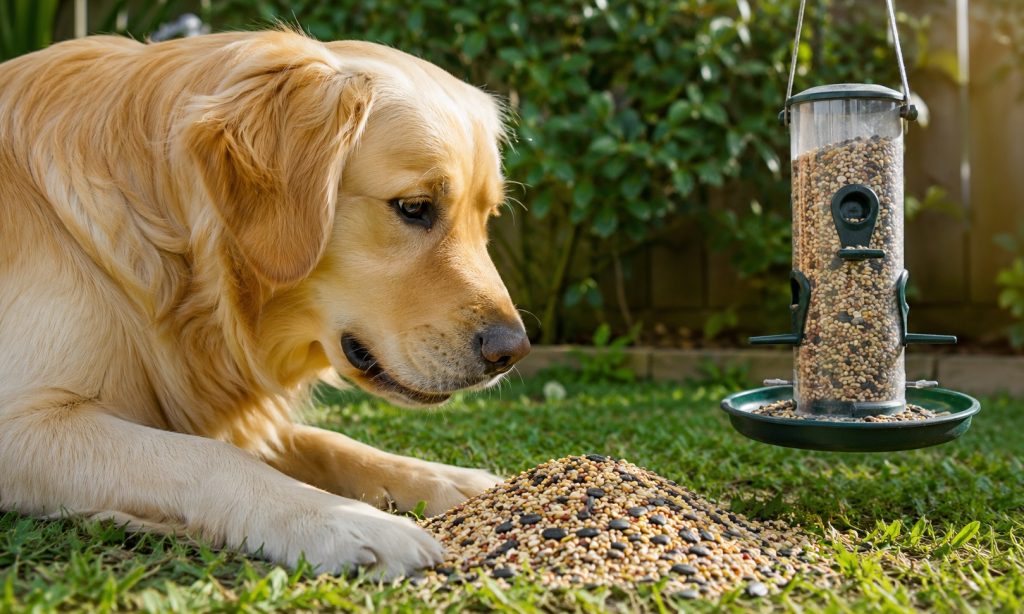
Dogs should not eat bird seed; tiny tastes are usually okay, but risky.
If you have ever asked can dogs eat bird seed, you are not alone. I work with pet owners who face this daily. I will explain when a small nibble is fine, and when it is not. I will show you real cases, vet-backed facts, and simple steps you can use today. Stay with me as we dig into can dogs eat bird seed with clear, calm, and practical advice.

Source: reddit.com
What bird seed actually includes
Bird seed is not one thing. It is a mix. Common parts include:
- Sunflower, safflower, millet, and nyjer. These are high in fat and calories.
- Cracked corn and oats. These are cheap fillers and can mold fast.
- Peanuts and other nuts. They add fat and sometimes salt.
- Suet cakes and peanut butter blends. These are pure fat and very tasty.
- Fruit bits like raisins or currants. Grapes and raisins are toxic to dogs.
- Shells and hulls. These can be sharp and hard to digest.
Bird seed can get wet. Wet seed can grow mold. Mold can make aflatoxin, which can harm the liver. Feeders and ground trays can also hold bacteria like Salmonella. Rodents visit seed piles too. They can spread germs and drop bait if poison is used nearby.
Before we ask can dogs eat bird seed, we need to know what is in it. The answer changes with each mix. Some parts are far riskier than others.
Can dogs eat bird seed? Risks and when to worry
People ask, can dogs eat bird seed? A lick or a few kernels of clean, plain seed is unlikely to cause harm. But there are real risks, and they add up fast with volume or fat.
Key risks include:
- Stomach upset. Vomiting, diarrhea, and gas are common after a binge.
- Pancreatitis. High-fat seed, nuts, or suet can inflame the pancreas. This can be severe.
- Blockage or choking. Hulls and shells can clump or lodge in the gut.
- Mold toxins. Damp seed can carry aflatoxin and other mycotoxins.
- Salt or spice. Salted or seasoned nuts can cause thirst, tremors, or worse.
- Raisins and grapes. Even small amounts can cause kidney issues.
- Bacteria. Old seed piles can carry Salmonella.
- Secondary hazards. Twine, netting, and mesh from feeders can be swallowed.
If you wonder, can dogs eat bird seed often without issues, the answer is no. Even if your dog seems fine once, the next binge can be a problem. Small dogs face higher risk from the same dose.

Source: amazon.com
Nutrition: why bird seed is not dog food
From a diet view, can dogs eat bird seed daily? No. Bird seed is made for birds, not for dogs. It is heavy in fat and light in key nutrients for canines.
Here is what it lacks:
- Complete protein balance. Seeds miss some amino acids dogs need.
- Minerals and vitamins in the right ratios. Calcium and phosphorus are off.
- Fiber that suits dogs. Hulls are harsh and not helpful.
Here is what it has too much of:
- Fat. Sunflower and suet are very calorie-dense.
- Calories. Fast weight gain is easy with seed binges.
A complete and balanced dog food meets known standards. Bird seed does not. Using seed as a snack can unbalance the diet over time.
Source: chewy.com
What to do if your dog ate bird seed
If you ask can dogs eat bird seed after a binge, focus on calm steps and facts. Here is a quick, safe plan:
- Remove access. Pick up spilled seed and block the feeder area.
- Check what and how much was eaten. Note fat content, nuts, raisins, or suet.
- Offer fresh water. Do not force large drinks.
- Do not induce vomiting unless a vet tells you to do so.
- Monitor for 24–48 hours. Note vomiting, diarrhea, pain, or bloating.
Call your vet now if:
- Your dog ate suet, raisins, moldy seed, or a very large amount.
- Your dog is very small, old, has pancreatitis history, or has other illness.
- You see nonstop vomiting, blood, belly pain, shaky steps, or a swollen belly.
Keep the seed bag or a photo of the mix for your vet. This helps guide care.
Symptoms to watch for
One reason people ask can dogs eat bird seed is fear of delayed signs. Timing can guide you.
Watch for:
- In 0–6 hours: Vomiting, gas, diarrhea, restlessness, or drooling.
- In 6–48 hours: Belly pain, hunching, fever, or no appetite. These can mean pancreatitis.
- In 1–3 days: Straining, no stool, or repeated vomiting. These can suggest a blockage.
- Any time: Jaundice, seizures, or collapse. These are emergencies and rare but serious.
Keep notes. If signs are getting worse, seek vet care at once.
Prevention and safe alternatives
The best answer to can dogs eat bird seed is to prevent access. Simple steps work well.
Try these tips:
- Place feeders high and away from decks and dog runs.
- Use seed catchers or trays to limit ground spill.
- Sweep or rake under feeders daily.
- Store seed in sealed bins. Keep it dry and off the floor.
- Skip suet in warm months. It melts and drops fat globs.
- Train leave-it and drop-it. Reward calm moves away from the seed zone.
- Offer safe chews and food puzzles during bird feeding time.
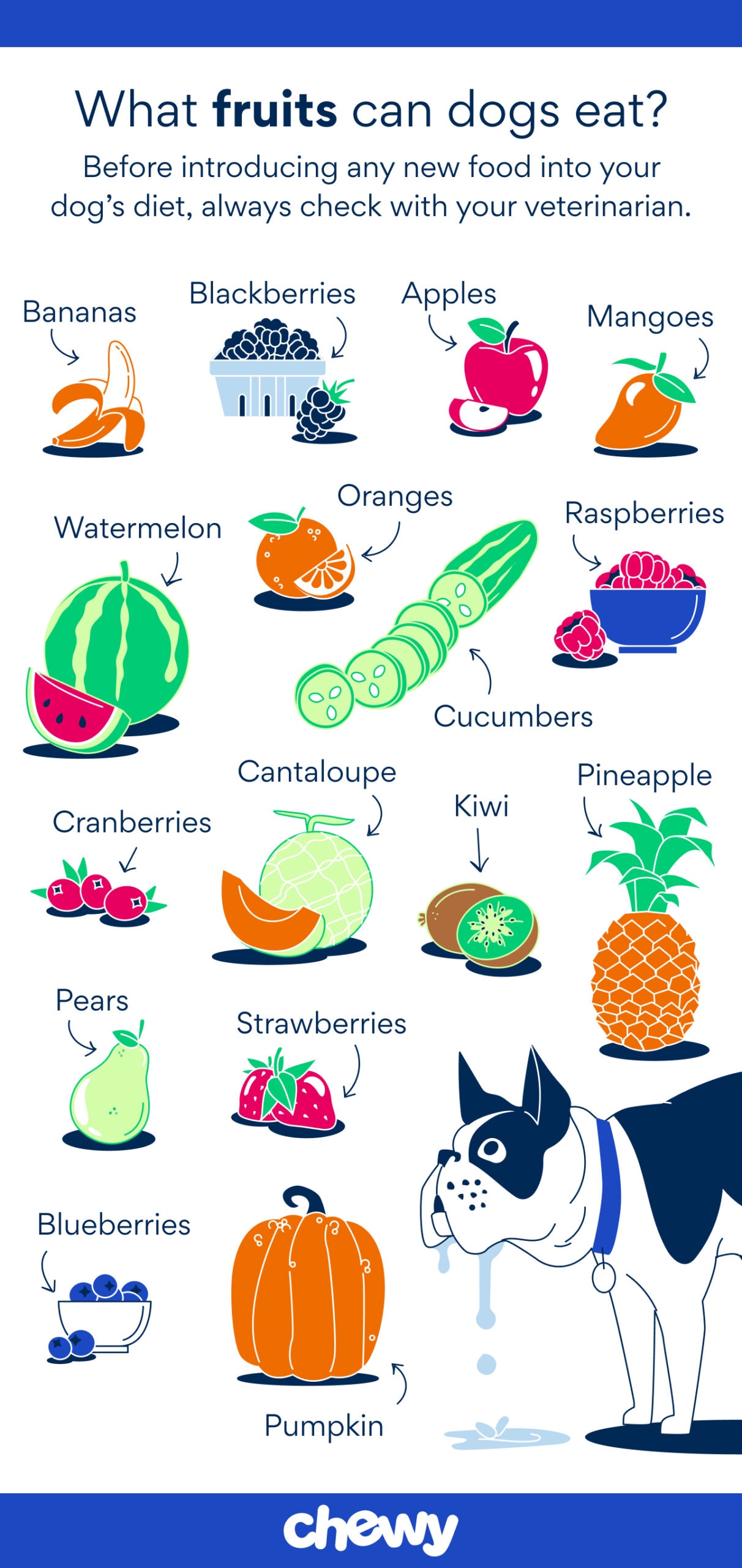
- Choose dog-safe treats. Use carrots, apple slices without seeds, or vet-approved snacks.
This plan protects your dog and keeps your yard cleaner too.
Special cases around bird feeders
So, can dogs eat bird seed mixes with extra add-ins? Be careful. Some extras are far more dangerous than plain seed.
High-risk items:
- Suet and peanut butter blends. Very high fat. Big risk for pancreatitis.
- Raisins or currants. Grapes and related fruits are toxic to dogs.
- Salted or spiced nuts. Can cause thirst, tremors, or sodium issues.
- Moldy or clumped seed. Aflatoxin and other toxins can harm the liver.
- Rodent bait near feeders. Dogs may eat tainted seed or bait blocks.
- Mesh bags, netting, and string. These can cause gut cuts or blockages.
Safer choices for bird lovers with dogs:
- Clean, plain mixes with low spill. Safflower can reduce squirrel mess.
- Hopper or tube feeders with trays. Less ground waste.
- Regular cleaning of feeders and ground areas. Less bacteria.
I have seen eager dogs dive for fallen suet like it is gold. One foster beagle I worked with gorged on a suet cake and needed vet care for pancreatitis. Since then, I skip suet in warm weather and keep a tight sweep schedule. Small changes prevent big scares.
Frequently Asked Questions of can dogs eat bird seed
Can dogs eat bird seed at all?
A few clean seeds are usually not a big deal. The real risk comes from large amounts, fat, mold, or toxic add-ins.
What if my dog ate a lot of bird seed?
Call your vet if it was a large binge, suet, moldy seed, or a tiny dog. Watch for vomiting, belly pain, or lethargy over the next 48 hours.
Are sunflower seeds safe for dogs?
Plain, unsalted, shelled sunflower seeds in tiny amounts are usually okay. With shells, salt, or in large doses, they can cause stomach issues or pancreatitis.
Can dogs get sick from moldy bird seed?
Yes. Mold can make aflatoxin and other toxins that harm the liver. Do not let dogs near damp or clumped seed.
Is peanut butter bird suet dangerous for dogs?
Yes, due to very high fat and sometimes salt or sweeteners. Some peanut butters contain xylitol, which is extremely toxic to dogs.
Will eating seed shells cause a blockage?
It can. Hulls do not break down well and can clump. Small dogs are at higher risk.
Can dogs catch Salmonella from bird feeders?
They can if they eat old, soiled seed or droppings. Clean feeders and the ground often to cut this risk.
What should I feed my dog instead of seeds?
Use complete dog food and safe treats like carrot sticks or apple slices without seeds. Food puzzles also help with enrichment.
Conclusion
Can dogs eat bird seed? Small, clean nibbles are often fine, but the risks rise fast with fat, mold, shells, or toxic extras. Bird seed is not dog food, and repeat binges can lead to real harm.
Keep feeders tidy, store seed well, and train solid leave-it cues. Offer safe dog treats and puzzles to redirect that foraging drive. Take action today: clean under your feeder, move it out of reach, and set a reminder to sweep. Want more pet safety guides? Subscribe or leave a question, and I will help you keep your best friend safe.