A hazy or blue-white eye can be alarming, especially when the change appears quickly. Some cloudiness develops slowly with age, while other causes may be painful or threaten vision. When should a dog with cloudy eyes see a vet? A new or changing cloudiness deserves veterinary advice. Sudden cloudiness with squinting, redness, swelling, injury, or vision problems is urgent. This guide explains what to watch for, what details to share with the clinic, and what to do while arranging care. If you are searching for the best eye drops for dogs with cloudy eyes, wait for a veterinarian to identify the cause. Do not choose drops first. Timely veterinary advice helps protect your dog’s comfort and vision. Call if the timing or severity is unclear.
When should a dog with cloudy eyes see a vet?
Contact your veterinarian when you first notice a cloudy appearance, even if your dog seems comfortable. A cloudiness can come from changes in the lens, cornea, or other structures. Aging-related lens changes may be less urgent than a painful corneal injury, but appearance alone cannot reliably tell them apart. An exam is the safest way to determine what is happening.
Seek same-day care if cloudiness appeared suddenly, is worsening, or followed trauma to one eye. Redness, squinting, tearing, thick discharge, rubbing, light sensitivity, or vision changes also need prompt attention. When should a dog with cloudy eyes see a vet on an emergency basis? Call an emergency veterinary clinic if your dog seems painful or cannot open the eye. A puncture, chemical exposure, or sudden collisions with objects also require urgent help.
Do not wait for the next routine appointment when symptoms are acute. The eye has delicate structures, and some conditions can worsen quickly. Your veterinarian can advise whether your dog should be seen immediately or at a scheduled urgent visit.
Signs that cloudy eyes may be an emergency
- Sudden cloudiness, a blue or white film, or a rapidly changing appearance.
- Squinting, holding the eye shut, rubbing, or obvious discomfort.
- Marked redness, swelling, blood, thick discharge, or a change in pupil size.
- Known impact, scratch, bite, foreign object, or chemical splash near the eye.
- Sudden vision changes, disorientation, or bumping into familiar objects.
- A bulging eye or an eye that appears displaced from its normal position.
If any of these signs appear, call a veterinary clinic and describe what you see. Whether cloudy eyes are an emergency depends on timing and other symptoms. Never ignore sudden changes or pain. If a chemical has entered the eye, call a veterinarian or poison service for immediate instructions while preparing to travel. Do not put other products into the eye unless the clinic directs you.
Why can a dog’s eye look cloudy?
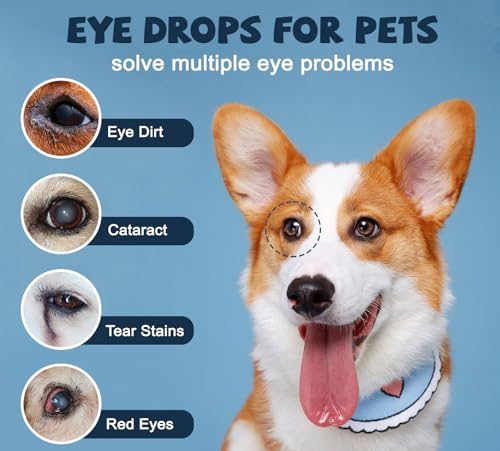
Cloudiness can arise from more than one eye structure. A cataract affects the lens. Nuclear sclerosis is an age-associated lens change that can give the pupil a gray-blue appearance. Corneal edema, dry eye, inflammation, injury, an ulcer, glaucoma, and other disorders can also make the eye look cloudy. Some are painful or time-sensitive, and some affect vision.
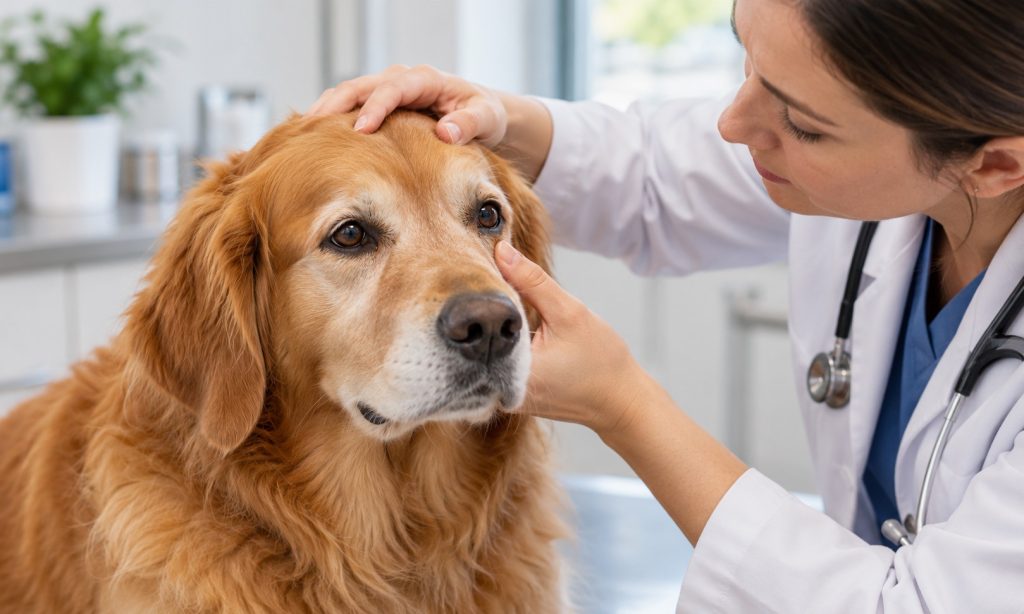
When should a dog with cloudy eyes see a vet if the change is gradual? Arrange an appointment rather than assuming it is a normal aging change. Your veterinarian may check tear production, stain the cornea, measure eye pressure, examine the lens, and assess vision. The tests depend on the findings and may lead to a referral to a veterinary ophthalmologist.
For more background, read why a dog’s eyes may look cloudy and how cataracts differ from other causes. These guides can help you understand terms, but they cannot identify your dog’s diagnosis.
What to do before the appointment
Keep your dog calm and prevent rubbing or pawing at the eye. If you already have a properly fitted cone from a veterinarian, ask whether it is appropriate to use. Avoid handling a painful eye more than necessary. Do not press on the eyelids, try to remove an embedded object, or use leftover medication.
Take a clear photo if it can be done without delaying urgent care. Note when you first saw the change, whether it appeared suddenly, and any behaviors such as squinting or bumping into things. Bring a list of medications, recent injuries, and known health conditions. When should a dog with cloudy eyes see a vet if transportation takes time? Call the clinic first so staff can advise you and prepare for arrival.
Why eye drops should wait for a diagnosis
The best eye drops for dogs with cloudy eyes depend on the underlying problem, and some drops can worsen certain conditions. Lubricating drops may help dryness when recommended, but they do not treat a cataract, glaucoma, ulcer, or infection. Steroid-containing products can be harmful when a corneal ulcer is present. Human redness-relief drops may also be unsuitable.
Do not share medication between pets or restart a prescription from a past eye problem without veterinary guidance. If your dog has previously been diagnosed with dry eye, call the prescribing clinic to discuss a new cloudiness rather than assuming it is the same issue. Follow the dose and duration provided for the current episode. If a medication causes more irritation or your dog’s eye worsens, contact the veterinarian promptly.
When should a dog with cloudy eyes see a vet before trying any eye drops? In every new episode, especially if the eye looks different, painful, red, or suddenly cloudy. A short phone call can prevent delay and reduce the chance of using the wrong medication.
How quickly should you act?
When should a dog with cloudy eyes see a vet? Call the same day for a sudden change, pain, redness, swelling, an injury, or a noticeable vision problem. If cloudiness has developed gradually and your dog seems comfortable, schedule an appointment soon rather than waiting weeks. A clinic can help triage the timing based on the signs you describe.
When cloudy eyes are an emergency, prompt evaluation may help protect comfort and vision. An eye that is held shut, rapidly enlarging, bleeding, bulging, or visibly injured needs urgent care. If your dog has difficulty navigating, appears disoriented, or cannot see familiar objects, report that when you call. Do not assume that a gray-blue color is harmless aging; a veterinarian must distinguish lens changes from corneal disease and other causes.
What information to share on the call
Describe which eye is affected, when the appearance changed, whether it is getting worse, and whether the dog is rubbing or squinting. Mention any recent grooming, play, travel, outdoor exposure, or contact with plants and chemicals. Tell the clinic about medications and previous eye diagnoses. A clear photo from a few angles may help, but it does not replace an exam and should never delay urgent transport.
When should a dog with cloudy eyes see a vet if the dog cannot tolerate handling? Explain that the eye is painful or the dog resists touch. The veterinary team can advise how to move the dog without pressing on the face. Do not tape the eyelids open, apply a compress directly over a painful eye, or try to remove an object that appears embedded.
Care while you arrange an exam
Keep your dog indoors in a familiar, calm room. Block stairs and prevent jumping if vision may be reduced. Use a leash for short bathroom trips so the dog does not bump into objects or wander into traffic. Avoid bright lights if they seem uncomfortable, but do not cover or patch the eye unless the veterinarian asks you to.
Do not use the best eye drops for dogs with cloudy eyes based on online searches or a prior prescription. Some drops are meant for specific causes and can be harmful in other situations. If a veterinarian previously prescribed dry-eye medication, call that clinic and describe the new cloudiness before deciding whether to give it. When should a dog with cloudy eyes see a vet after a chemical splash? Call immediately for specific flushing and transport directions rather than guessing at home.
What a veterinary eye exam can clarify
Cloudiness is a description, not a diagnosis. A veterinarian can check the cornea, lens, pressure inside the eye, tear production, and vision. These checks help distinguish age-related lens changes from cataracts, ulcers, inflammation, glaucoma, dry eye, or injury. Some causes progress slowly, while others can threaten vision quickly.
Before the visit, note when the haze appeared, whether it affects one or both eyes, and whether it is changing. Take a clear photo in ordinary light if this does not delay care. Tell the clinic about squinting, discharge, rubbing, appetite changes, recent trauma, and any eye medication. If you are searching for When Should a Dog With Cloudy Eyes See a Vet?, new cloudiness merits a call even when the dog seems comfortable.
What not to do while arranging care
Do not use leftover prescription drops or human eye drops unless a veterinarian specifically instructs you. Some medications are unsafe for certain eye problems, and treatment can mask signs the clinician needs to assess. Avoid pressing on the eye or trying to remove an object stuck to its surface. Prevent rubbing with a protective collar if your clinic recommends one, and keep your dog calm during transport.
When Should a Dog With Cloudy Eyes See a Vet? The answer is immediately for pain, sudden vision loss, a bulging eye, trauma, or rapid change; for other new cloudiness, call promptly to arrange an exam. A veterinary team can advise whether your dog needs emergency care today or a scheduled appointment. If the cloudiness is longstanding, still mention it at the next visit rather than assuming it is harmless.
For more context, read our published guide to signs of eye problems in dogs.
Frequently Asked Questions
These answers explain when cloudy eyes need prompt veterinary attention.
Can cloudy eyes in dogs wait until a routine checkup?
Do not assume that they can. Contact your veterinarian for advice, especially if the change is new, worsening, or paired with redness, discharge, pain, or vision changes.
Are cloudy eyes always cataracts?
No. Cloudiness may involve the lens, cornea, or other structures. A veterinary exam is needed to identify the cause.
Can I use dog eye drops for dry eyes on a cloudy eye?
Only if your veterinarian says to use them for this episode. Cloudiness can have causes that require different treatment.
What if my dog’s eye becomes cloudy suddenly?
Call your veterinarian or an emergency clinic the same day, especially if your dog is squinting, rubbing the eye, or acting as if vision has changed.
Should I clean a cloudy eye at home?
Do not scrub or apply household products. Ask the clinic whether gentle cleaning around the eyelids is appropriate while you arrange an exam.
Final Words
When should a dog with cloudy eyes see a vet? Arrange an exam whenever you notice a new cloudiness. Seek same-day care for sudden changes, pain, redness, injury, or vision problems. Do not choose the best eye drops for dogs with cloudy eyes based on appearance alone. A veterinarian can identify the cause and recommend the right next step.
Reference
These veterinary resources support the eye-symptom and urgency guidance above.