Dry, irritated eyes can make a dog blink, squint, or rub at the face. Because several eye conditions look alike at home, redness or discharge cannot confirm dry eye by itself. This guide explains dry eye in dogs and signs a veterinarian may check. It outlines how diagnosis and treatment work. It also explains when an eye problem needs prompt care. People searching for the best eye drops for dogs with cloudy eyes may expect a product list. Cloudiness has many causes, so a veterinarian should assess the eye before any drops are used. Knowing what to watch for can help you get care early. It can also prevent using an unsuitable product in your dog’s eye. Early diagnosis can protect comfort and the eye surface.
What is dry eye in dogs?
Dry eye is also called keratoconjunctivitis sicca, or KCS. It occurs when a dog’s tear film does not adequately protect and lubricate the eye’s surface. Tears help keep the cornea and surrounding tissues moist and clear away debris. When tear production is too low or tear quality is abnormal, the surface can become irritated and inflamed.
Dry eye in dogs often affects both eyes, though signs may not look equally severe. Immune-mediated inflammation of tear-producing glands is a common cause. Nerve problems, certain medications, infections, or other disease can also contribute. A veterinarian needs to assess the eye and the dog’s history. Appearance alone cannot reliably identify the cause.
Signs of dry eye
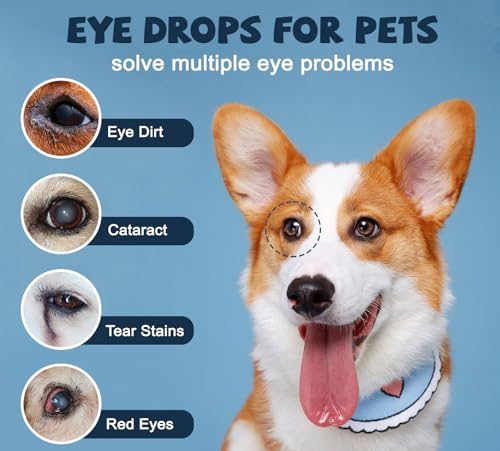
Possible signs include thick or stringy discharge, redness, frequent blinking, or squinting. Dogs may also rub the face, show a dull or dry-looking eye surface, or avoid bright light. Some dogs develop a cloudy, bluish, or brownish appearance as the eye surface changes. Pigment and blood vessels may develop on the cornea over time. These signs can also occur with infection, injury, ulcers, allergies, or other eye diseases.
Dog eye redness is a symptom, not a diagnosis. The same is true of discharge or cloudiness. Contact a veterinarian promptly if your dog keeps an eye closed or appears painful. Sudden vision trouble or a rapidly changing eye also needs prompt care. Learn more about warning signs of eye problems in dogs and common reasons a dog’s eyes may look cloudy.
How veterinarians diagnose dry eye
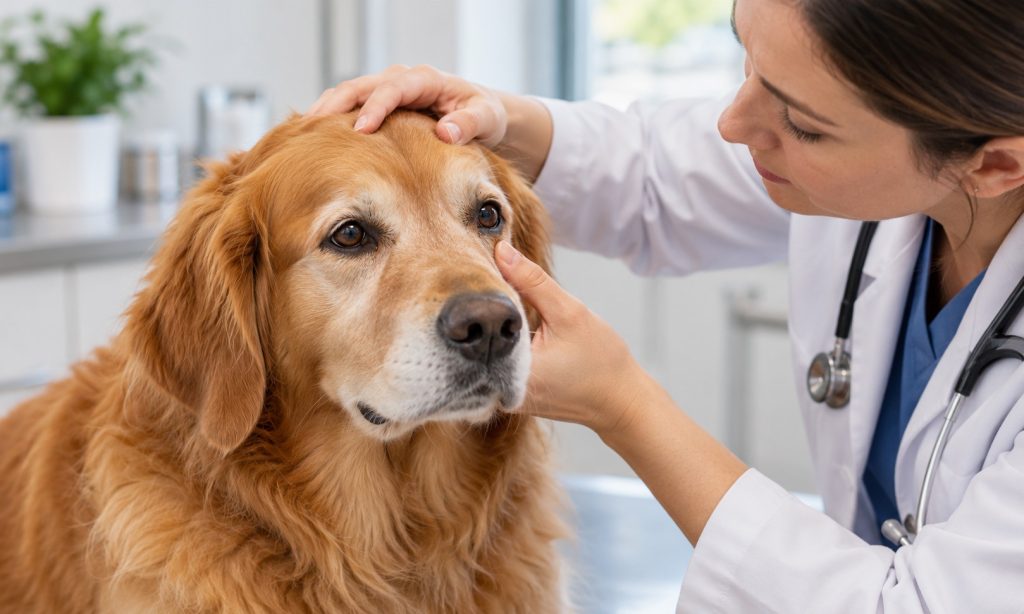
A veterinary exam may include a tear-production test and a close look at the cornea. The veterinarian may also check surrounding tissues for ulcers or other damage. A veterinarian may use a special stain to look for a corneal defect and measure eye pressure when indicated. The exact tests depend on your dog’s signs and exam findings.
A phone photo or home observation cannot distinguish dry eye reliably. An ulcer, glaucoma, cataract, infection, or injury may look similar. These conditions can share visible signs but need different management. A veterinary ophthalmologist may be recommended for severe, complicated, or poorly responsive disease.
Treatment options and ongoing care
Treatment depends on the cause and severity. Veterinarians commonly prescribe tear-stimulating medication for immune-related KCS, often alongside lubricating drops or ointment. Some dogs need additional treatment for infection, inflammation, or corneal complications. Medication choice and frequency should come from the veterinarian who examined the dog.
Dry eye in dogs is often a long-term condition, and many dogs need ongoing, sometimes lifelong, care. Tear-stimulating medicines may take weeks to reach their full effect. Do not stop or change treatment just because the eye looks better. Follow the prescribed schedule and attend recheck visits so the veterinarian can monitor tear production and the corneal surface.
Use the exact medication prescribed for your dog. Human eye drops, leftover prescriptions, redness-relief drops, or another pet’s medication may be inappropriate or harmful. If you are searching for the best eye drops for dogs with cloudy eyes, first arrange an exam. Cloudiness can result from dry eye, but it may also reflect conditions that require a different response. Lubricants may ease dryness in some cases, but they do not diagnose or treat every cause of a cloudy eye.
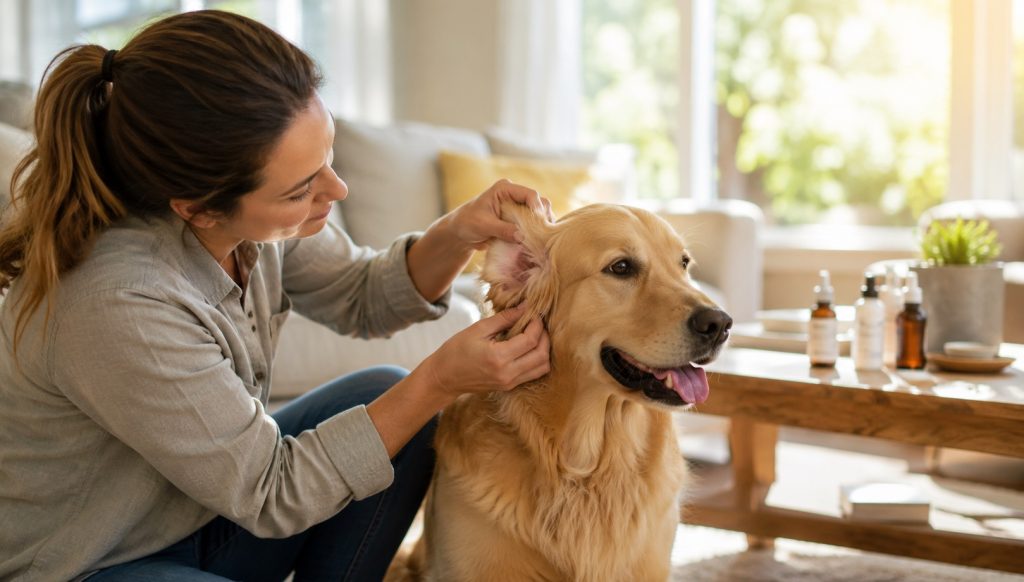
For easier administration, wash your hands, keep the bottle tip from touching the eye, and reward your dog after the dose. If your dog resists, ask the clinic to demonstrate a safe technique. Do not force the eyelids open if the eye is painful. Contact the veterinarian if a dose is missed, the medicine is spilled, or your dog’s symptoms worsen.
Home support for a dog with dry eye
Follow the treatment plan and keep medications stored as directed. Gently clean discharge from the fur around the eye with a clean, damp cloth if your veterinarian says it is appropriate; do not rub the eyeball or use household cleaners. Keep hair from irritating the eye by asking a groomer or veterinary team about safe trimming. Avoid smoke, dust, and strong sprays around a sensitive dog when practical.
Record changes such as increased squinting, more discharge, new cloudiness, or a change in how the dog navigates familiar rooms. Bring the medication list and notes to rechecks. A brief update can help your veterinarian decide whether treatment is working or needs adjustment.
When to seek veterinary care
Arrange a veterinary visit if you notice persistent dog eye redness, sticky discharge, frequent rubbing, squinting, or a dull-looking eye. Seek same-day advice for sudden cloudiness, a painful or closed eye, an injury, marked swelling, or sudden vision changes. Eye problems can worsen quickly, and prompt assessment can help protect comfort and vision.
Do not wait for a routine appointment if your dog appears distressed or cannot open the eye. Prevent rubbing if you can do so safely, and call a veterinary clinic for instructions. Avoid applying a medication that was not prescribed for this episode. A veterinarian can determine whether the problem is dry eye, an infection, an ulcer, or another condition.
How veterinarians evaluate dry eye
Dry Eye in Dogs: Symptoms and Treatment Options depend on the cause and severity. An examination matters before treatment starts. A veterinarian may check tear production, examine the cornea and conjunctiva, and look for ulcers or other eye disease. A tear test helps measure moisture, while staining can reveal damage on the eye’s surface. Your veterinarian may also check eyelid position, vision, and the other eye.
Share when the discharge or redness began, whether one or both eyes are affected, and any recent medications or illness. Photos can help show whether the appearance changes during the day. Mention squinting, rubbing, light sensitivity, or a change in vision. These details help the clinician determine whether the problem is dry eye, infection, injury, glaucoma, or another condition that needs different care.
Supporting treatment at home
Follow the prescribed schedule and use only medication directed for your dog. Wash your hands before applying drops, avoid touching the bottle tip to the eye, and give each medication in the order your veterinary team recommends. If more than one product is prescribed, ask how long to wait between them. Do not stop a medication because the eye looks better unless the veterinarian says to.
Keep discharge gently cleaned from the surrounding fur with a clean, damp cloth, using a fresh area for each eye. Do not put human eye drops, leftover pet medication, or home remedies into the eye. If your dog resists handling, ask the clinic to demonstrate a calm technique. Dry Eye in Dogs: Symptoms and Treatment Options may involve long-term monitoring, so arrange follow-up visits even when signs improve. Promptly report worsening redness, cloudiness, pain, or vision changes.
For more context, see our published article on cataracts and other causes of cloudy eyes.
Frequently Asked Questions
These answers summarize dry eye signs, diagnosis, and veterinary care.
Can dry eye make a dog’s eyes look cloudy?
It can contribute to changes in the cornea, but cloudiness has other causes too. A veterinarian should examine a cloudy eye rather than treating it based on appearance alone.
Can I use human eye drops for my dog?
Do not use human or leftover eye medication unless your veterinarian specifically recommends it for your dog and this problem.
Is dry eye in dogs treatable?
Many dogs can be managed with veterinary-prescribed medication and monitoring. Treatment is often ongoing, and rechecks help track tear production and eye-surface health.
Does dog eye redness always mean dry eye?
No. Redness may occur with irritation, infection, injury, allergies, ulcers, or other conditions. An exam is needed to identify the cause.
When should I seek urgent care for a cloudy eye?
Seek same-day veterinary advice if cloudiness appears suddenly or comes with pain, squinting, injury, swelling, or vision changes.
Final Words
Dry eye in dogs can cause discomfort and may damage the eye surface without appropriate care. Redness, discharge, and cloudiness overlap with other eye problems, so an exam matters. Use only veterinary-directed medication, follow recheck instructions, and seek prompt care for pain or sudden changes. If you are looking for the best eye drops for dogs with cloudy eyes, begin with diagnosis rather than choosing drops by appearance.
Reference
- American College of Veterinary Ophthalmologists: Dry Eye Disease or KCS
- Texas A&M University: Focusing In on Canine Dry Eye
- American College of Veterinary Ophthalmologists: Common Ocular Tests
- UC Davis Veterinary Medical Teaching Hospital: Ophthalmology Service
Dry eye versus other causes of irritation
Dry eye in dogs can cause thick discharge and a rough-looking surface, but similar signs occur with conjunctivitis, allergies, a foreign object, a corneal ulcer, or trauma. Clear watery tearing does not rule out dryness; irritation can stimulate reflex tears even when the tear film is not working normally. A cloudy appearance can involve the cornea or the lens, and the distinction matters because the response differs.
Do not use appearance or discharge color to select medication. A bacterial infection, a viral problem, an ulcer, and dry eye do not all receive the same treatment. The veterinarian may use a tear test and stain the cornea before prescribing. Dry eye in dogs is a diagnosis based on examination and testing, not a label for every red eye.
What follow-up visits accomplish
Follow-up helps the clinic see whether tear production is improving, whether the surface is healing, and whether medication remains appropriate. Bring the medicine bottle or a photo of the label and report missed doses, difficulty applying drops, or new signs. Do not double a dose to make up for one that was missed unless your veterinarian instructs you to do so.
Some dogs show visible improvement before the underlying problem is fully controlled. Dry eye in dogs can be chronic, and maintenance treatment may still be needed when the eyes look better. Keep recheck appointments and ask what changes should trigger an earlier visit. If you are unsure whether an eye drop is a lubricant or a prescription medicine, call the clinic before using it.
How to reduce handling stress
Pick a quiet place and prepare the medication before bringing your dog over. Let the dog stand or sit in a comfortable position. Reward calm behavior with praise or a small food reward if allowed. If another person helps, ask them to steady the dog gently rather than restrain the head forcefully.
Never let the bottle tip touch the eye, eyelid, fur, or fingers. If the prescribed drop misses the eye, ask the clinic what to do. Dry eye in dogs often needs consistent application, so a routine that is safe and manageable matters. Ask the veterinarian to demonstrate the technique if your dog pulls away or becomes fearful.
Changes such as more redness, increased squinting, yellow or green discharge, a new cloudy spot, or reluctance to open an eye deserve prompt advice. A dog with dry eye may develop additional surface problems. If the eye seems painful, do not wait for the next scheduled recheck. Early contact helps your veterinary team decide whether the plan needs to change.