
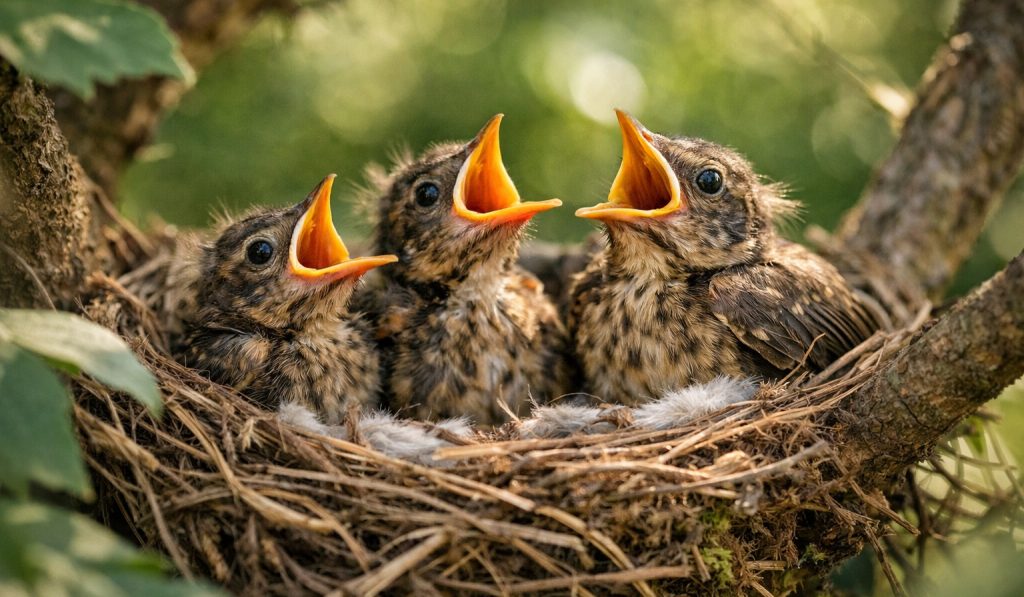
Most baby birds leave the nest between one and six weeks, depending on species.
I have studied wild birds and helped rehabilitate nestlings for years. I will explain clearly how long do baby birds stay in the nest, why times vary, what to watch for, and what to do if you find a nestling or fledgling. This guide draws on field experience, wildlife care practice, and published bird biology so you can make confident, safe choices for young birds.
Overview: How long do baby birds stay in the nest
Nest time varies widely by species. Small songbirds often leave the nest at about 10 to 14 days. Larger birds, such as raptors or waterfowl, can remain dependent for weeks or months. When people ask how long do baby birds stay in the nest, the true answer always adds species, diet, and life history. Understanding the general patterns helps set expectations and informs rescue decisions.
Source: massaudubon.org
Key terms and concepts
Define basic terms so you read details with ease.
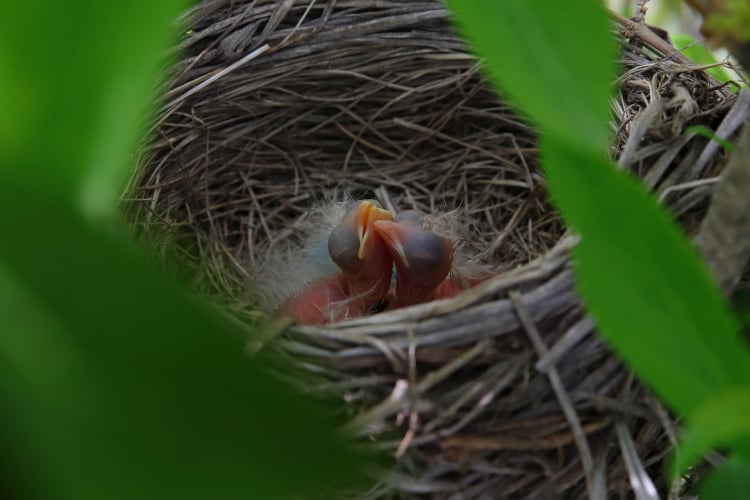
- Altricial birds. These hatch blind, featherless, and helpless. They usually stay in the nest longer and need intensive parental feeding.
- Precocial birds. These hatch covered in down, with open eyes and mobility. They leave the nest quickly and follow parents to feed.
- Fledging. The act of leaving the nest and making initial flights or hops while still learning.
- Nestling. A young bird that is not yet ready to leave the nest.
Knowing these terms helps answer how long do baby birds stay in the nest for specific kinds.

Source: birdwatchingdaily.com
Main factors that determine nest time
Several clear factors control how long do baby birds stay in the nest.
- Species biology. Body size and developmental type (altricial vs precocial) matter most.
- Diet and feeding rate. High-protein diets can speed growth.
- Predation risk. High risk can favor quicker fledging or more hidden nests.
- Weather and season. Harsh weather slows growth; warm seasons can speed it.
- Parental strategy. Some parents leave chicks to practice flight longer; others bring food to the juvenile for weeks.
Combine these, and you get the range from one week to several months. When you ask how long do baby birds stay in the nest, consider these drivers first.

Source: reddit.com
Typical timelines by bird group — concise examples
Here are common timelines to give you a realistic picture of how long do baby birds stay in the nest.
- Small songbirds (sparrows, chickadees, finches)
- Nest time: about 10–16 days.
- They are altricial and fledge quickly once feathers are grown.
- Thrushes and robins
- Nest time: roughly 12–15 days.
- They continue learning on the ground or low branches.
- Woodpeckers and corvids (crows, jays)
- Nest time: 20–28 days.
- They need more time for strong flight muscles.
- Raptors (hawks, eagles, owls)
- Nest time: 5–12 weeks, depending on species.
- They are larger and need practice hunting after fledging.
- Waterfowl (ducks, geese)
- Nest time for precocial species: 24–48 hours to leave the nest.
- They follow parents but are still dependent on them for food and protection.
These examples show how long do baby birds stay in the nest across common bird types.

Source: youtube.com
Signs a chick is ready to leave the nest
Watch for clear behavioral and physical signs that answer how long do baby birds stay in the nest for a given bird.
- Fluff and feathers. The chick should have most flight feathers emerging.
- Strong wing beats. Practice flapping while perched near the nest.
- Interest in the outside world. The chick will look out, hop, and attempt short flights.
- Feeding independence developing. The chick may start pecking food offered by parents.
PAA-style questions
- How can I tell if a bird is a nestling or fledgling?
- A nestling has few feathers and cannot perch. A fledgling has fuller feathers and can perch or hop.
- Will parents still feed a fledgling after it leaves?
- Yes. Parents often continue feeding and teaching for days to weeks.
These signs help you know how long do baby birds stay in the nest in practice.
What to do if you find a nestling or fledgling
If you find a young bird, take calm, informed steps.
- Observe first from a distance for at least one hour.
- If the bird is visibly injured, cold, or exposed to immediate danger, contact a licensed rehabilitator.
- If a nestling fell and is uninjured, try to locate the nest and place it back if safe to do so.
- If you cannot reach the nest, place the bird in a small box lined with soft tissue and keep it warm while contacting a rehab facility.
Avoid common mistakes. Do not attempt to feed milk or bread. Handling should be minimal. These steps reflect field experience and help protect fledglings as they progress through the period when people commonly ask how long do baby birds stay in the nest.
Survival, risks, and parental care after leaving the nest
Leaving the nest marks a risky but critical stage. Predation and starvation are top threats. Parents continue to feed and teach young birds, sometimes for weeks. Survival rates vary by species and habitat quality. Human disturbance, domestic pets, and habitat loss can reduce survival. Knowing how long do baby birds stay in the nest helps you time interventions and reduce harm.
Personal experience and practical tips
I once rehabilitated a songbird nestling that left the nest early after a storm. I monitored feeding calls and returned the bird to a sheltered branch when parents resumed visits. Key lessons I learned:
- Patience matters. Many fledglings look vulnerable but are in a normal learning phase.
- Keep pets inside. Cats and dogs cause many preventable losses.
- Minimize handling and return chicks to nests when safe.
These real cases show how long do baby birds stay in the nest can change with weather and disturbance.

Source: oregonstate.edu
Frequently Asked Questions of how long do baby birds stay in the nest
How long do baby birds stay in the nest for songbirds?
Songbirds usually stay in the nest about 10 to 16 days before fledging and practicing flight nearby.
How long do baby birds stay in the nest for raptors?
Raptors often remain dependent for 5 to 12 weeks, with fledging and continued parental feeding after first flights.
What if I find a baby bird on the ground?
If the bird is a fledgling with feathers and no injury, observe from a distance; parents usually continue care. If it is a naked nestling, try to return it to the nest or contact a rehabilitator.
Can moving a nest baby help it survive?
Only move a nestling if it is in immediate danger and you can safely return it to its original nest. Unnecessary handling can cause rejection in rare cases, but most birds do not abandon young.
Do all birds leave the nest at the same age?
No. How long do baby birds stay in the nest varies by species, size, diet, and developmental strategy; timelines range from a day to several months.
Conclusion
Understanding how long do baby birds stay in the nest helps you make better choices for wildlife and gives perspective on bird life cycles. Observe first, learn species-specific timelines, and act only when necessary. If you want to help, reduce disturbances, keep pets supervised, and contact local wildlife professionals when a bird is injured or truly orphaned. Share your observations, subscribe for more wildlife guides, or leave a comment about your nest experiences to help others learn.