
Caring for a cat involves more than offering food and occasionally brushing the coat. A reliable routine includes clean living spaces, gentle body checks, appropriate grooming, and attention to behavior. This guide explains how to clean, inspect, and maintain cats with their comfort and health in mind. Cats are living companions, not equipment, so “maintain” here means providing consistent daily care and noticing changes early. Most healthy cats groom themselves, yet they still benefit from clean bowls, tidy litter boxes, and thoughtful coat and nail care. Every cat differs in age, coat type, temperament, and health. Avoid forcing grooming or attempting medical treatments at home. If children share the household, our guide to cats for kids explores family suitability; supervised, gentle handling remains important with any cat.
Create a simple daily cat-care routine
Understanding how to clean, inspect, and maintain cats begins with predictable care. Offer fresh drinking water, suitable complete nutrition, a clean litter box, and a safe place to rest. Check whether your cat eats normally, uses the litter box, moves comfortably, and interacts in familiar ways. Small changes are easier to notice when you know what normal looks like. Keep food and water containers away from litter areas and prevent access to dangerous chemicals. Check the home for loose cords, unsafe plants, small swallowable objects, and open windows without secure screens. A daily routine should support the cat’s independence rather than create a long list of stressful interventions. Simple, consistent checks are more valuable than occasional intense grooming sessions.
Keep the litter box clean and accessible
The most practical part of how to clean, inspect, and maintain cats is often litter hygiene. Scoop soiled litter regularly, replace the litter as needed, and wash the box according to its material and the litter manufacturer’s recommendations. Use a cleaner that is safe for pets and rinse thoroughly. Many cats prefer unscented litter and a quiet, accessible box. Cornell’s feline health guidance recommends enough boxes for the household, often one per cat plus one additional box. A senior cat with joint discomfort may need a lower entrance. Watch for repeated straining, blood, unusually frequent urination, or avoidance of the box. Such changes can signal a medical problem and deserve veterinary advice, not punishment or an abrupt change of litter.
Clean feeding stations and refill fresh water
A dependable approach to how to clean, inspect, and maintain cats includes routine cleaning around food. Wash food dishes after wet meals and keep drinking containers free from visible residue. Follow appropriate hygiene for dry-food containers and opened food. Check whether each cat has reliable access to water, especially in multi-cat households. A bowl that appears clean can still collect residue along the rim. FYI, your cat probably will not file a complaint about stale water, but may simply drink less. Our guide to cleaning pet food and water bowls explains practical washing habits. A consistent station also makes changes in drinking or eating behavior easier to notice.
Brush only as much as the coat needs
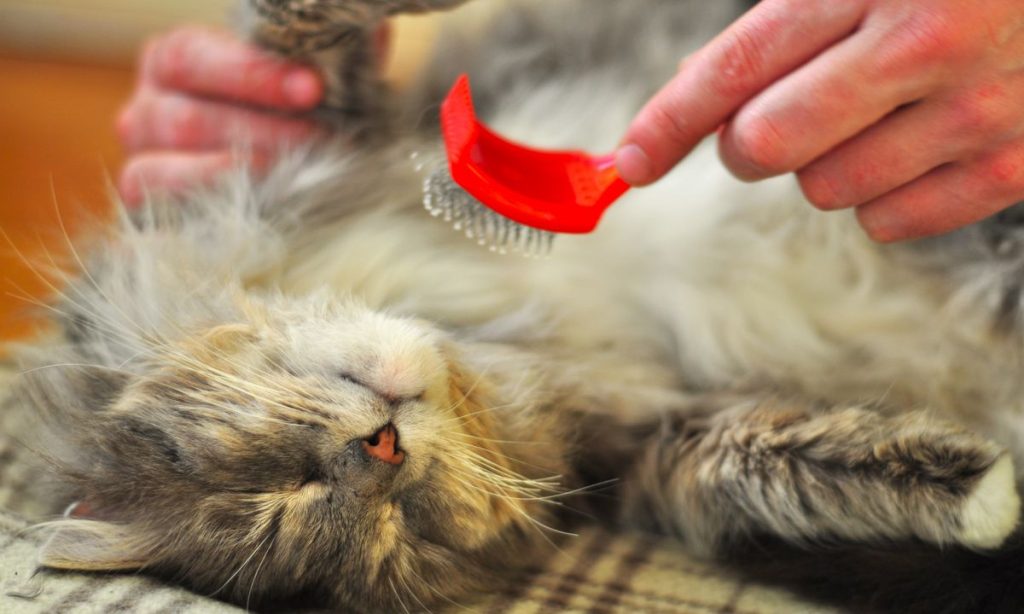
Coat care is a visible part of how to clean, inspect, and maintain cats, but the correct frequency depends on coat type and tolerance. Long-haired cats may benefit from regular gentle combing to prevent tangles, while many short-haired cats need less. Choose a smooth tool that suits the coat. Begin in calm moments and reward cooperation. Comb in small sections without dragging through knots. If a mat is tight against the skin, ask a veterinarian or qualified groomer for safe removal; do not use scissors close to the skin. Check behind the ears, under the chest, and around the hindquarters where tangles may hide. Our guide to long-haired cat grooming combs offers additional context about tool suitability.
Inspect the skin and coat during quiet handling
A gentle inspection is another part of how to clean, inspect, and maintain cats. While stroking the coat, look for bald patches, redness, lumps, sores, fleas, unusual flaking, or areas that seem painful. Part the fur carefully rather than scraping the skin with a comb. Notice whether your cat suddenly overgrooms, scratches, or dislikes touch in one place. Changes may have several causes, including parasites, allergies, or pain. You cannot confirm the diagnosis from appearance alone. Contact a veterinarian about persistent itching, unexpected hair loss, sores, or a rapidly growing mass. Do not apply human creams, essential oils, or flea treatments intended for dogs. Cats can be sensitive to ingredients that are unsafe for their species.
Check nails, paws, eyes, and ears
When thinking about how to clean, inspect, and maintain cats, include a brief check of paws and visible body areas. Look for torn nails, damaged pads, trapped debris, or swelling. Nails may need trimming, but cut only when you know the safe technique and your cat tolerates handling. Avoid cutting the quick, which contains blood vessels and nerves. Observe eyes for redness, squinting, or discharge; observe ears for pain, unusual odor, or heavy debris. Do not put cotton swabs deep inside ear canals or use medication without advice. A cat with eye pain, a limping paw, or a persistently irritated ear needs veterinary evaluation. Keep inspections short enough that the cat remains relaxed and willing to participate next time.
Decide whether bathing is actually necessary
Routine bathing is not a standard requirement in how to clean, inspect, and maintain cats. Most healthy cats clean their own coats. A bath may be needed in special circumstances, such as a veterinary recommendation or contamination with a substance that requires prompt removal. If the cat has touched a suspected toxin, contact a veterinarian or animal poison service before applying cleaners. Never use human shampoo, strong fragrances, or essential oils on a cat without veterinary guidance. For localized dirt, a gentle damp cloth may sometimes be adequate. Older or overweight cats that cannot groom normally may need help and a health assessment. Do not restrain a frightened cat for a cosmetic bath. Safety and comfort are more important than a perfectly polished appearance.
Support teeth, diet, and comfortable movement
Good health maintenance broadens how to clean, inspect, and maintain cats beyond the fur. Ask your veterinarian about appropriate dental home care, professional oral examinations, and signs of mouth pain. Difficulty chewing, drooling, bad breath, or visible oral inflammation can require assessment. Feed a nutritionally complete diet suited to the cat’s life stage and circumstances. Our cat food label guide explains what to check before changing diets. Offer safe play, scratching surfaces, resting places, and access to elevated or sheltered areas when suitable. Senior cats may appreciate ramps or lower jumping demands. Do not assume reduced activity is simply normal aging; it can signal pain or illness.
Make family care safe for children and cats
Family supervision matters when discussing how to clean, inspect, and maintain cats. Show children how to allow a cat to approach voluntarily, stroke gently, and recognize an animal trying to move away. Children should not chase, carry, bathe, or trim the nails of a reluctant cat without careful adult supervision. Assign age-appropriate tasks, such as checking a water bowl or helping prepare toys, while adults handle litter hygiene and health decisions. Wash hands after handling litter or cleaning supplies. For families researching cats for kids, remember that even a gentle cat needs a quiet escape area and boundaries. Peaceful interactions benefit the animal and make household routines easier to maintain.
Know when routine care is not enough
The final lesson in how to clean, inspect, and maintain cats is recognizing the limits of home care. Sudden breathing difficulty, collapse, inability to urinate, seizures, serious injury, or suspected poisoning requires urgent veterinary attention. Persistent vomiting, diarrhea, appetite changes, lethargy, weight loss, eye pain, and unusual lumps also deserve timely professional advice. Regular wellness visits can help assess body condition, dental health, parasite prevention, and vaccination needs. Keep medical records, note any new behavior, and ask about preventive care suited to the individual cat. A checklist should make important changes easier to spot, never justify delaying needed treatment. The cat’s comfort and choice remain central to responsible daily care.
Frequently Asked Questions
How often should I brush my cat?
It depends on coat length and condition. Long coats may need frequent gentle attention, while many short coats need less.
Does every cat need regular baths?
No. Most healthy cats groom themselves. Bathe only when appropriate and use veterinary advice for medical or toxic contamination.
What should I look for during a skin check?
Watch for sores, redness, fleas, hair loss, lumps, or painful areas, and seek veterinary advice for unexplained or persistent changes.
Can children help clean a cat’s litter box?
Adults should manage hygiene and supervise any age-appropriate tasks. Everyone should wash hands after handling litter-related supplies.
When should I see a vet instead of grooming at home?
Seek care for pain, illness signs, wounds, inability to urinate, breathing difficulty, or persistent changes in appetite and behavior.
Final Words
Learning how to clean, inspect, and maintain cats means building a gentle, dependable care routine. Keep living spaces hygienic, brush according to coat needs, inspect the body without forcing contact, and schedule appropriate veterinary care. Families interested in cats for kids should make respectful handling part of everyone’s routine. A cared-for cat is not one that tolerates every procedure, but one whose comfort and health receive consistent attention.









