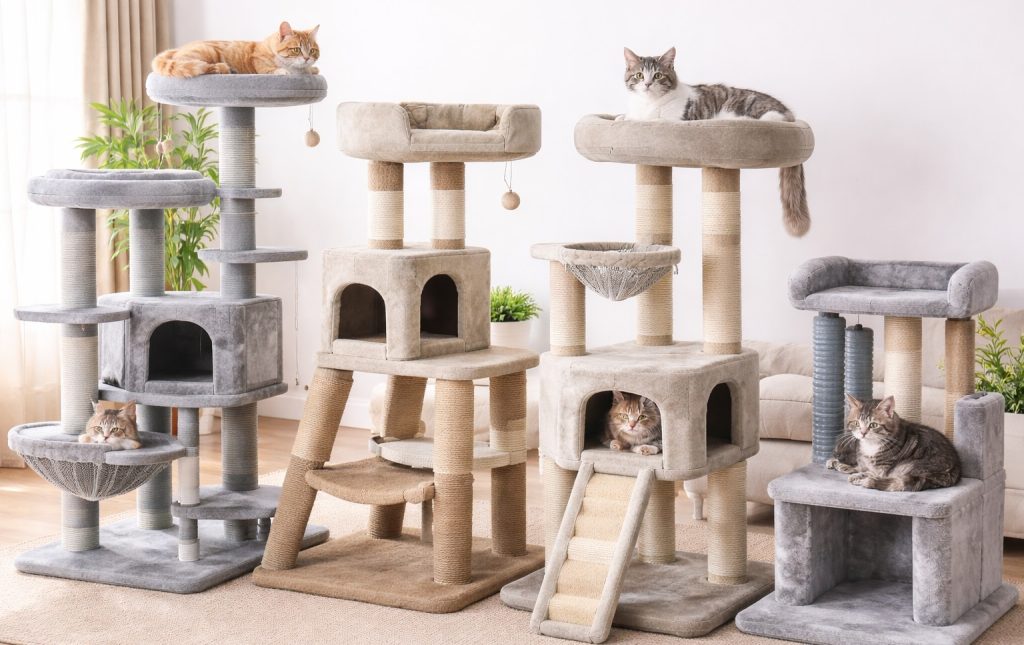
How to secure and clean a cat tree in a multi-cat home starts with a stable base, regular inspection, and a cleaning routine that fits the materials. A sturdy climbing space can give cats places to perch and retreat, but one tree should not become a bottleneck where cats compete or block one another. Check fasteners and platforms before use, and make sure each cat can leave without squeezing past another. Our guide to Cat Trees for Senior Cats explains features for older cats; here we focus on stability, hygiene, and shared access in a multi-cat household.
Choose a safe location before assembly
Place the tree on a level floor away from doors, heaters, open flames, windows that can be reached unsafely, and high-traffic paths. Keep it clear of breakable objects and heavy furniture that could fall onto it. Give cats enough room to approach and leave from more than one direction when possible. In a shared home, the location should not trap a cat in a corner or force it past another cat to reach food, water, or a litter box.
Follow the assembly instructions exactly. Use the supplied hardware and tighten each fastener. Do not improvise a taller structure by stacking furniture or attaching shelves to a tree unless the design is intended for that use. If the tree is tall or the instructions recommend anchoring, use the specified wall attachment and appropriate hardware for the wall type. Do not attach a strap to a weak trim piece or unstable surface.
Test stability and inspect regularly
Before inviting cats to climb, press gently on each platform and check for wobble, leaning, or shifting. If the tree moves, retighten the hardware and check the base. Remove access until it is stable. Recheck after moving the tree, cleaning it, or replacing a component. A cat jumping onto an unstable platform can cause the structure to tip or the cat to fall.
Inspect posts, platforms, fabric, staples, and hanging toys. Look for frayed rope, loose threads, exposed staples, cracked plastic, splintered wood, broken fasteners, or dangling parts. Repair or replace damaged components before continued use. Remove toys with loose strings when you cannot supervise play. Keep cords and small items away from climbing paths.
Support calm sharing in a multi-cat home
More than one elevated resting place can reduce competition. Provide separate perches or safe resting areas where cats can choose distance from one another. Cats should not have to share a single exit path if tension is present. Observe how they use the tree: one cat guarding a platform, blocking the stairs, or chasing another away may mean the room needs additional vertical options and resources.
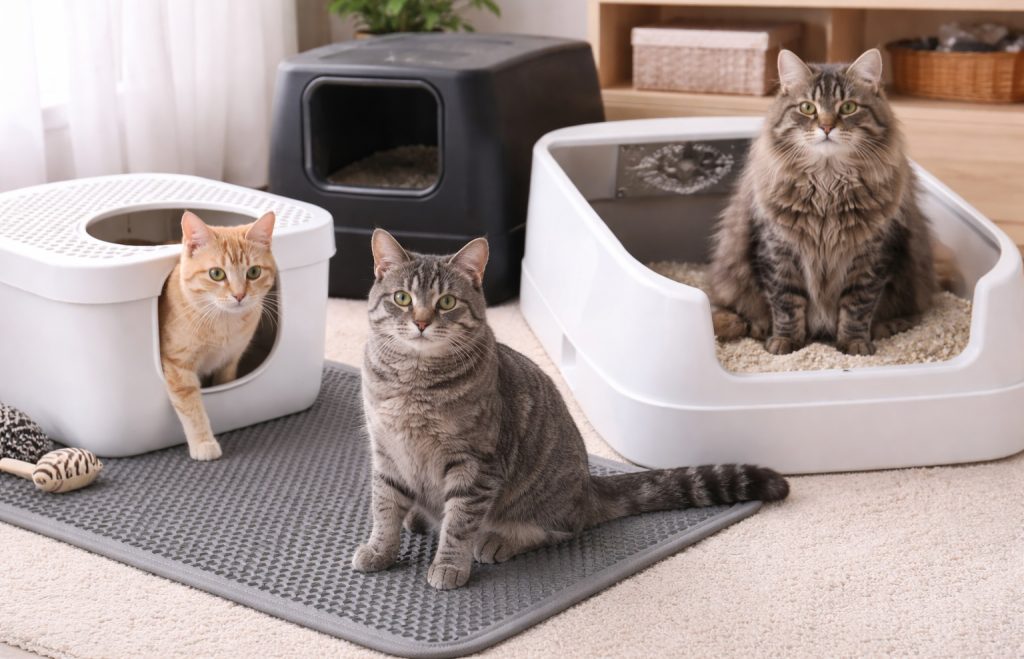
Place food, water, litter boxes, scratching surfaces, and resting spaces in separate locations. Do not place all important resources next to the tree. A cat that prefers the floor should still have comfortable spaces and easy access to basic needs. Introduce a new tree gradually, especially if a resident cat is sensitive to changes. Let each cat explore voluntarily and avoid forcing them to share a perch.
Clean the tree by material
Remove loose fur and dust
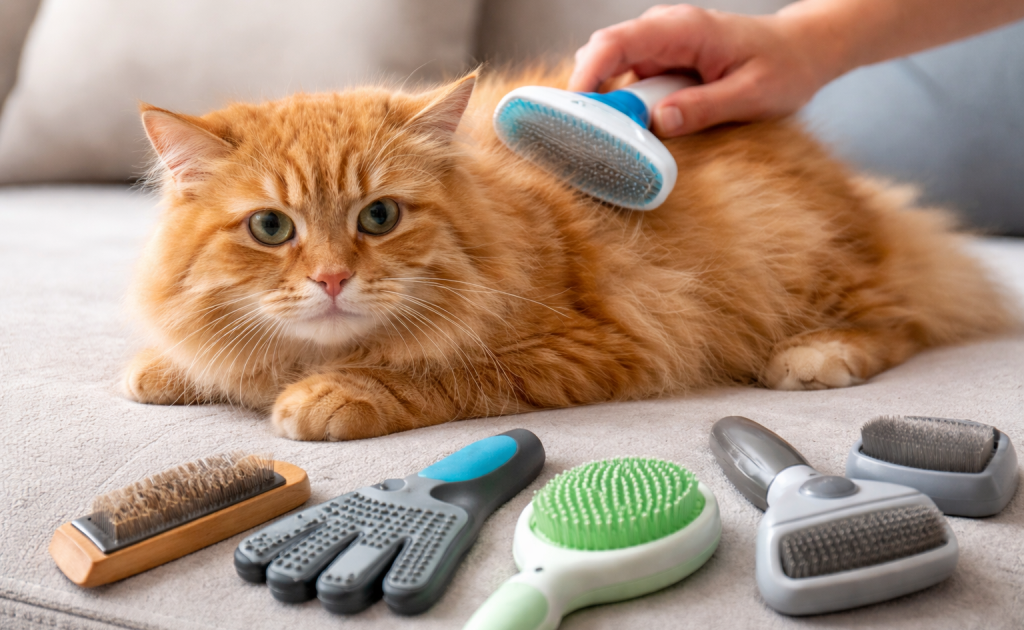
Vacuum fabric platforms and covered posts with an upholstery attachment, using a gentle setting. A lint roller or soft brush can collect loose hair from areas the vacuum misses. Work from top to bottom so debris falls onto surfaces that have not yet been cleaned. Empty the vacuum or clean the attachment after use.
Wash removable covers and mats
Read the care label before washing any removable pad or cover. Use the recommended method and allow it to dry fully before reattaching it. Damp fabric can develop odor or feel uncomfortable. If a washable cover is stained, clean it separately from household laundry if needed and follow its care instructions.
Wipe hard surfaces carefully
For wood, plastic, or metal parts, use a lightly damp cloth and a cleaner compatible with the material. Apply cleaner to the cloth rather than spraying near cats, toys, or food bowls. Wipe away residue as directed and dry the surface. Keep cats away until all treated areas are dry and the product label permits normal access.
Handle urine, vomit, and odors safely
Blot fresh urine or vomit with disposable towels, then clean the affected surface using a product labeled for that material and mess. Test a hidden area first when the instructions allow. Do not soak the post or platform; liquid can penetrate padding, wood, seams, and staples. If urine has soaked into an inaccessible core, the affected part may need replacement rather than repeated surface spraying.
Do not mix cleaners or use strong disinfectants on a cat tree unless the product directions specifically allow that surface and use. Never combine bleach with ammonia or acids. Keep cats away during cleaning, ventilate as directed, and store products securely. If a cat develops repeated accidents or a sudden behavior change, consult a veterinarian instead of treating it only as a cleaning problem.
Keep a simple maintenance schedule
Once a week, remove loose fur and look for visible damage. Every month, inspect the base, hardware, and wall anchor if present. Clean spills when they occur and wash removable covers as their labels recommend. Increase inspection frequency if several large or active cats use the structure or if the tree sits in a busy area.
Write down the date of repairs and replacement parts. A repeat wobble, frayed area, or persistent odor helps identify when a component is no longer dependable. Replace worn parts with compatible pieces intended for the structure. If a repair would leave sharp edges or an unstable platform, stop using that section.
For a deeper clean, separate removable pads from the structure and follow each care label. Do not immerse a large tree or pour water over the base. Spot-clean only compatible surfaces, remove residue as directed, and allow all parts to dry completely before reassembly. Check that the covering has not loosened during cleaning. A damp inner layer can trap odor and may weaken adhesive or fasteners.
If you are still choosing the structure, consider the room’s layout and how cats will pass one another. Our guide to choosing a cat tree for a small apartment covers footprint and placement factors that may also help when planning a shared climbing area.
Frequently Asked Questions
How often should I check a cat tree for damage?
Inspect it regularly, including after moving or cleaning it. Check the base, fasteners, platforms, fabric, and toys for loosening or wear.
Can I use bleach to disinfect a cat tree?
Use a product only if its label permits that material and situation. Never mix bleach with other cleaners, and keep cats away until safe re-entry.
What if one cat guards the tree?
Add separate resting and elevated spaces, observe interactions, and distribute key resources around the home. Persistent tension may need veterinary behavior guidance.
Can I wash the whole tree with water?
Do not soak it. Moisture may damage wood, padding, or fasteners. Clean according to material and label directions.
Should a senior cat use a tall tree?
Choose access based on the cat’s mobility. Lower platforms or steps may be easier; ask a veterinarian about new movement limits.
Final Words
To secure and clean a cat tree in a multi-cat home, assemble it as instructed, check stability, remove damaged parts, and clean each material gently. Provide separate pathways and resting options so cats can use elevated space without competing. Keep cats away from wet surfaces and follow all product labels. For a tree designed with older cats in mind, see our guide to Cat Trees for Senior Cats and compare its access features with your household’s needs.