
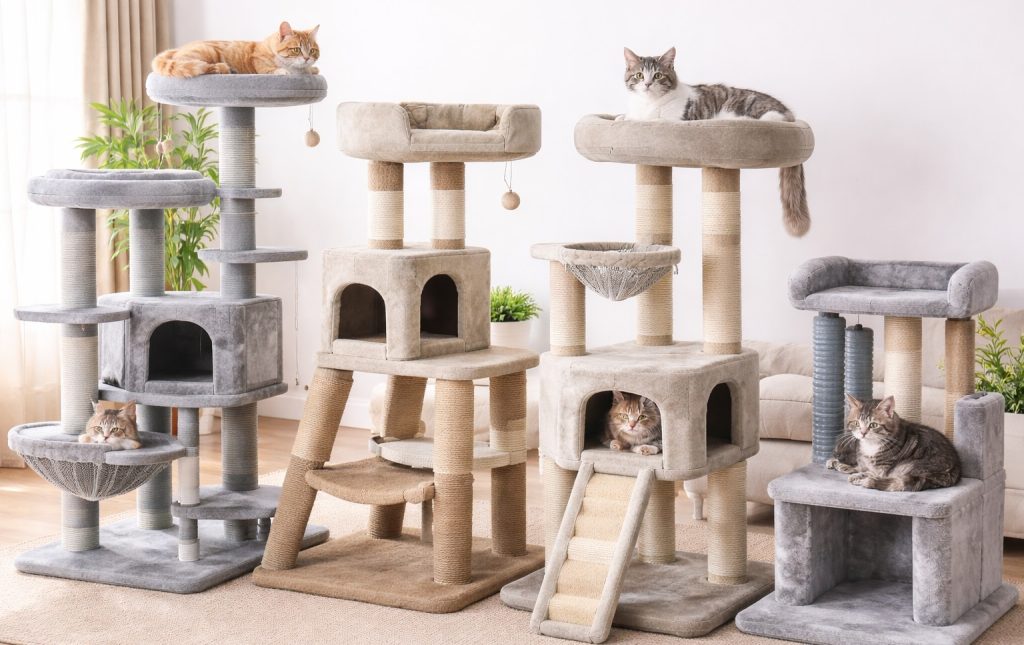
Ways to encourage low-impact activity in senior cats should make movement enjoyable, predictable, and easy to stop. Older cats may still like to explore, stalk a toy, stretch, or watch the outdoors, even if they no longer jump as high. Adjust the game to the cat’s pace instead of trying to recreate kitten-level play. Our guide to Cat Trees for Senior Cats discusses accessible climbing options; this article focuses on gentle daily activity. If your cat has new stiffness, weakness, or reluctance to move, ask a veterinarian before increasing exercise.
Start by noticing your cat’s current comfort
Observe your cat walking, standing, stretching, and getting onto familiar low surfaces. Look for hesitation, limping, slipping, a shortened stride, or a new preference for resting. Keep a simple note of activity and behavior. Older cats can have pain or other health conditions that are easy to miss, so do not assume reduced play is inevitable.
Ask your veterinarian what movement is appropriate if your cat has arthritis, heart disease, breathing problems, obesity, recent surgery, or another diagnosis. Follow any restrictions and stop if your cat appears uncomfortable. Activity should support comfort and function, not test limits.
Use brief, low-pressure play sessions
Offer a few short sessions across the day instead of one long workout. Let your cat choose whether to participate. Stop while the cat is still comfortable and interested. A quiet room with nonslip footing can help a cat feel steady. Keep toys away from stairs, slippery floors, and tight spaces where the cat could stumble.
Use a wand toy to move slowly along the floor or a low surface. Let the cat watch, reach, paw, and take a few steps. Allow pauses between movements. Keep the toy close enough that the cat does not need to leap or twist sharply. End with a catch or a small reward if appropriate, so the play has a satisfying finish.
Choose movement that fits daily routines
Encourage gentle walking
Place a favorite toy or treat a short distance away on the same level. Gradually vary the route if the cat remains comfortable. Avoid making the cat climb to reach food, water, or litter. Those resources should remain accessible regardless of exercise goals.
Invite stretching and reaching
Offer a low scratching surface or a sturdy scratcher that is easy to step onto. Some cats enjoy reaching toward a toy held just above nose level, but do not encourage high jumps. How much reaching is appropriate depends on the cat’s comfort and mobility.
Add food puzzles carefully
A simple puzzle or scattered kibble can invite sniffing and slow movement. Choose a design the cat can use without strain. Supervise new puzzles, make sure the cat can eat enough, and account for calories in the daily food allowance. If the cat loses interest or struggles, return to an easier option.
Make the home easier to navigate
Provide clear paths and traction on slick floors. Place warm, comfortable resting areas where the cat already likes to spend time. Ramps or low steps can let the cat reach a favorite perch without a large jump. Avoid unstable stools, high gaps, and platforms that wobble. Give the cat an unobstructed way back down.
In a multi-cat home, ensure younger cats do not block routes or interrupt a quiet activity area. A senior cat may prefer a separate play spot away from busy hallways. Keep routines familiar and introduce one new toy or arrangement at a time.
Use play to support mental engagement
Not all activity needs to be vigorous. Let your cat watch birds from a secure window, sniff a safe cardboard box, or follow a toy around a corner. Rotate a small number of toys to keep them interesting, and inspect them for loose parts or strings. Put wand toys away after supervised play to reduce chewing or entanglement risk.
Food-based games can be useful for some cats, but avoid sudden diet changes or excess treats. If your cat has a special diet or needs weight management, ask the veterinarian how to incorporate rewards. The goal is gentle movement and engagement, not exhausting the cat.
Know when to pause and call the veterinarian
Stop a session if your cat pants, breathes rapidly, limps, hides, vocalizes, or appears unsteady. Cats rarely need strenuous exercise. Seek veterinary advice for sudden weakness, collapse, open-mouth breathing, marked pain, or a rapid change in ability. Schedule an exam if your cat has become less active, stopped jumping, or changed grooming or litter habits.
Share a video of the movement and describe when signs occur. Your veterinarian can look for pain or other medical causes and recommend an appropriate activity plan. Never give a human pain reliever to a cat. Home play is not a substitute for medical evaluation.
Try more than one style of invitation, but keep each attempt brief. Some cats prefer a toy that moves along the floor; others may follow a treat trail or enjoy a slow, predictable wand motion. Let the cat decide whether to chase, watch, or stop. Rotate toys rather than presenting many at once, and put away anything with loose thread or small pieces that could be swallowed.
Use a familiar routine to help the cat anticipate play. A quiet time after a nap may work better than a busy household period. Keep the session on a nonslip surface and avoid abrupt turns, high jumps, or repeated stair climbing. If the cat seems tired, hide, or stops responding, end the activity. The goal is comfortable participation, not a target number of minutes.
Changes in activity can be useful information. Note when the cat stopped climbing, whether one side seems weaker, and whether grooming or litter habits changed. Share those details with the veterinary team. A tailored plan may include environmental changes or treatment for an underlying problem; do not add supplements or pain medicines without advice.
Frequently Asked Questions
How much play does a senior cat need?
There is no single target for every cat. Offer brief, voluntary opportunities and ask a veterinarian about limits for cats with health conditions.
Should I encourage my older cat to jump?
Avoid forcing jumps. Use floor-level play, low steps, or gentle reaching based on your cat’s comfort.
What if my cat ignores toys?
Try different movement speeds, surfaces, or times of day. Keep play low-pressure and discuss major activity changes with a veterinarian.
Can food puzzles count as activity?
Yes, they can encourage sniffing and movement. Choose an easy design and account for treats in the cat’s diet.
When should I stop a play session?
Stop when your cat loses interest, seems tired or uncomfortable, limps, pants, or becomes unsteady.
Final Words
Ways to encourage low-impact activity in senior cats include short floor-level play, gentle walking, comfortable scratching, and simple food puzzles. Let the cat set the pace, keep resources easy to reach, and adapt the home to reduce slipping or large jumps. New mobility changes deserve a veterinary check. For a safe resting or climbing option, see our guide to Cat Trees for Senior Cats and choose a setup that matches your cat’s current abilities.
Reference
- Cornell University College of Veterinary Medicine, Loving Care for Older Cats.
- 2021 AAFP Feline Senior Care Guidelines, environmental support for senior cats.
- Veterinary Medicine at Illinois, Tips for Keeping Geriatric Pets Healthy.









