
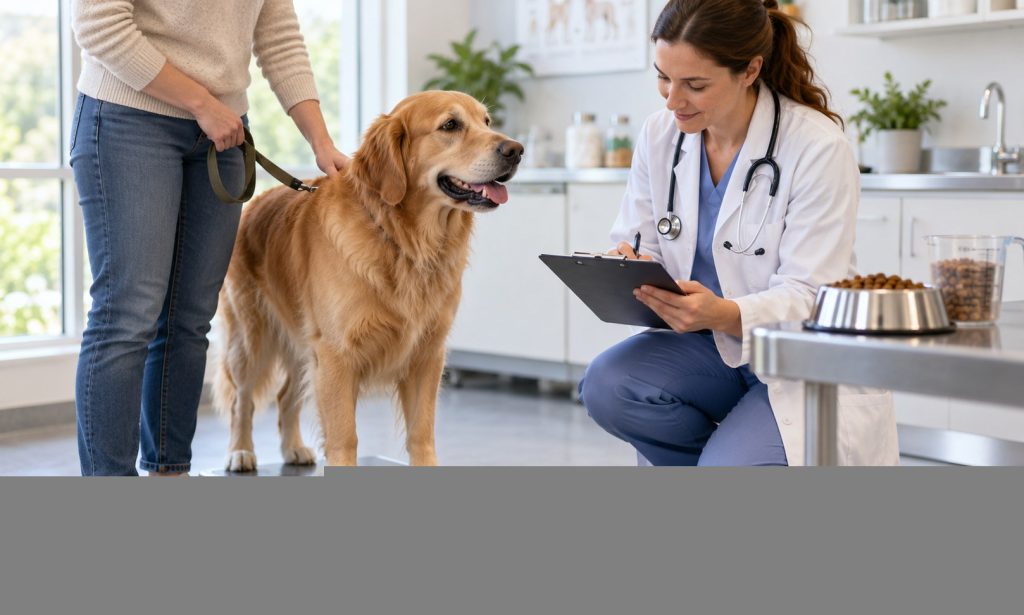
When a veterinarian recommends a diet change, monitoring helps show whether the plan fits the dog’s health, appetite, and daily routine. The veterinary team may review weight, body and muscle condition, food intake, stool, vomiting, activity, medications, and the reason for the change. Follow-up can be brief for a healthy dog or more frequent when a medical condition is involved. At home, keep notes on portions, treats, appetite, and symptoms, and bring the food packaging or a photo of the label to rechecks. If you are considering dog food for dogs with anal gland issues, ask the veterinarian which signs and stool changes matter for your dog. A measured plan and shared observations make it easier to decide what to continue or adjust.
What veterinarians review before a diet change
A nutrition discussion often begins with the dog’s age, breed, activity, health conditions, medications, and body condition. The veterinarian may ask what the dog currently eats, how much, and how often. Include treats, chews, table food, supplements, food used to give medication, and access to other pets’ bowls. These details help estimate total intake and identify practical barriers to the proposed plan.
The team may record body weight and body condition score, and sometimes muscle condition. Weight alone does not show whether a dog is gaining fat or losing muscle. Older dogs and dogs with illness may need closer monitoring because their nutritional needs can shift over time.
What may be monitored at follow-up
Weight, body condition, and muscle
The veterinarian may compare current measurements with earlier visits and the goal for the diet. The pace of weight change matters. A plan may be adjusted if the dog loses or gains faster than expected, maintains weight when a change was intended, or shows changes in muscle condition.
Appetite and actual intake
Tell the team whether your dog finishes meals, eats more slowly, refuses the new food, or leaves portions behind. Note the amount offered and the amount actually eaten. If the plan includes a measured daily amount, use a kitchen scale or consistent measuring method when advised, and account for treats and toppers.
Digestive signs and stool
Stool consistency and frequency can provide useful context during a diet transition. Record persistent loose stool, constipation, vomiting, gas, straining, or changes in appetite. For dogs with a condition involving bowel movements, ask which changes are expected and which should prompt a call.
Energy, skin, and the original concern
The veterinary team may ask whether the symptom the diet was meant to address has changed. Depending on the reason, that could include itch, stool quality, energy, mobility, or laboratory results. Improvement does not always prove the diet caused the change, so the veterinarian may interpret the findings alongside treatment, time, and other health factors.
How to keep useful notes at home
- Write down the food name, formula, and date the change began.
- Record daily portions, treats, supplements, and flavored medications.
- Note appetite, stool, vomiting, itching, activity, or other relevant signs.
- Track weight at the frequency recommended by the clinic.
- List missed meals, accidental treats, or access to another pet’s food.
Keep notes factual and brief. A simple log can reveal patterns that are easy to overlook, such as symptoms that occur after a particular treat or a gradual drop in appetite. Save the packaging or photograph the ingredient and nutrition panels in case the formula changes or the veterinarian needs more information.
Why recheck timing varies
There is no single recheck schedule for every diet change. A healthy adult dog making a routine transition may need a different plan from a dog managing a chronic condition, weight change, or diagnostic food trial. Ask when the clinic wants an update, what can be handled by phone, and when an in-person examination is needed.
If the dog is not eating, has repeated vomiting or diarrhea, appears weak, or develops a concerning new symptom, contact the veterinarian rather than waiting for the planned recheck. For a prescribed diet, do not stop or replace it without asking unless the veterinary team has given instructions for that situation.
Questions to ask during the appointment
- What is the goal of this diet change, and how will we measure progress?
- How much should I feed, and how should I count treats?
- Which signs should I track at home?
- When should I send an update or schedule a recheck?
- What should I do if my dog refuses the food or develops symptoms?
- Does this diet need to be complete and balanced for long-term use?
Frequently asked questions
How often should a dog have a nutrition check?
The schedule depends on the dog’s age, health, environment, and reason for changing food. Ask the veterinarian for a specific follow-up interval and whether home weight checks are appropriate.
Should I weigh food instead of using a cup?
A scale can make portions more consistent, but follow the clinic’s instructions for your dog’s food and target amount. Include treats and other calories in the daily plan.
What should I record after changing food?
Track the food and amount, treats, appetite, stool, vomiting, relevant symptoms, activity, and weight when requested. These details help the veterinarian evaluate the plan.
Is a stool change expected during a transition?
Some changes may occur as food changes, but persistent diarrhea, constipation, straining, vomiting, or reduced appetite should be discussed with the veterinarian.
Can I change the diet again if it is not working?
Check with the veterinarian first. The reason for the diet, its trial length, and your dog’s symptoms affect whether to continue, adjust, or choose another plan.
Final Words
Veterinarians monitor diet changes by comparing the dog’s measurements and daily observations with the goal of the plan. Weight, body and muscle condition, appetite, intake, stool, and the original health concern may all matter. Keep consistent notes, report unexpected signs, and follow the recheck schedule your clinic recommends. If a diet is intended to address a specific issue, such as dog food for dogs with anal gland issues, ask what outcome to track and how long to assess it before making another change.









