A chestnut is a small, natural skin callus likely serving protective, sensory, and identification roles on a horse.
I have worked with horses for years as a groom and stable manager, and I will guide you through what is the purpose of a chestnut on a horse with clear, practical detail. This article combines anatomy, evolutionary theory, care tips, and real-world examples to answer what is the purpose of a chestnut on a horse in a way you can use today. Read on for a confident, evidence-informed exploration that respects both science and stable experience.
Anatomy and basic description
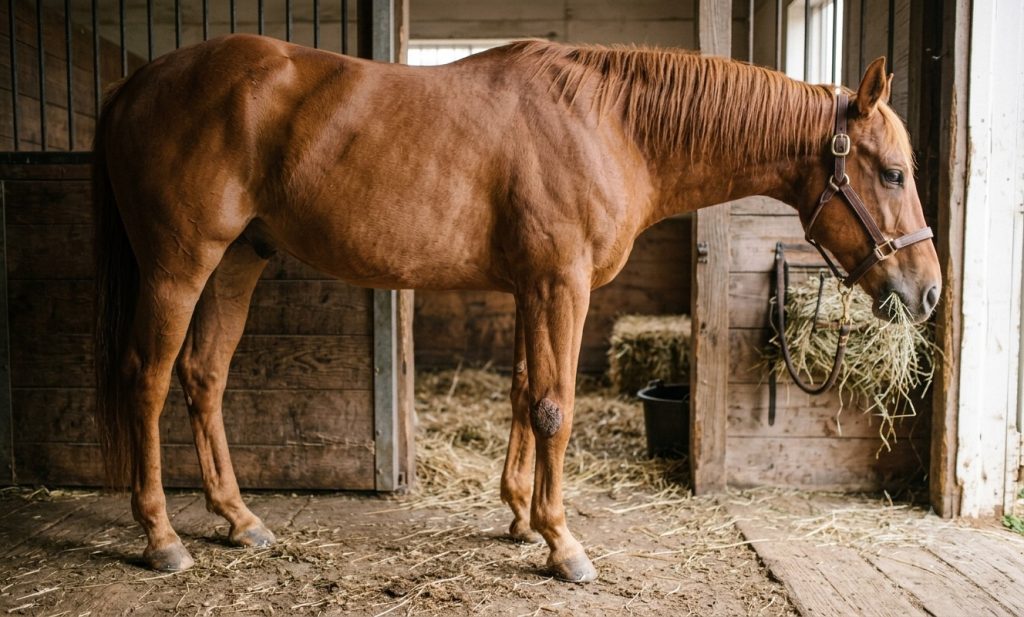
A chestnut is a raised, rough patch of skin found on the inside of a horse’s legs. They appear as oval or irregular plates and vary in size. Most horses have them on the front legs. Many also have chestnuts on the hind legs, but these are often smaller or absent.
Chestnuts are made of keratin and skin tissue. They do not grow like hair or horns. They are stable in position but can change slightly with age. Knowing what is the purpose of a chestnut on a horse starts with spotting their typical locations and shapes.
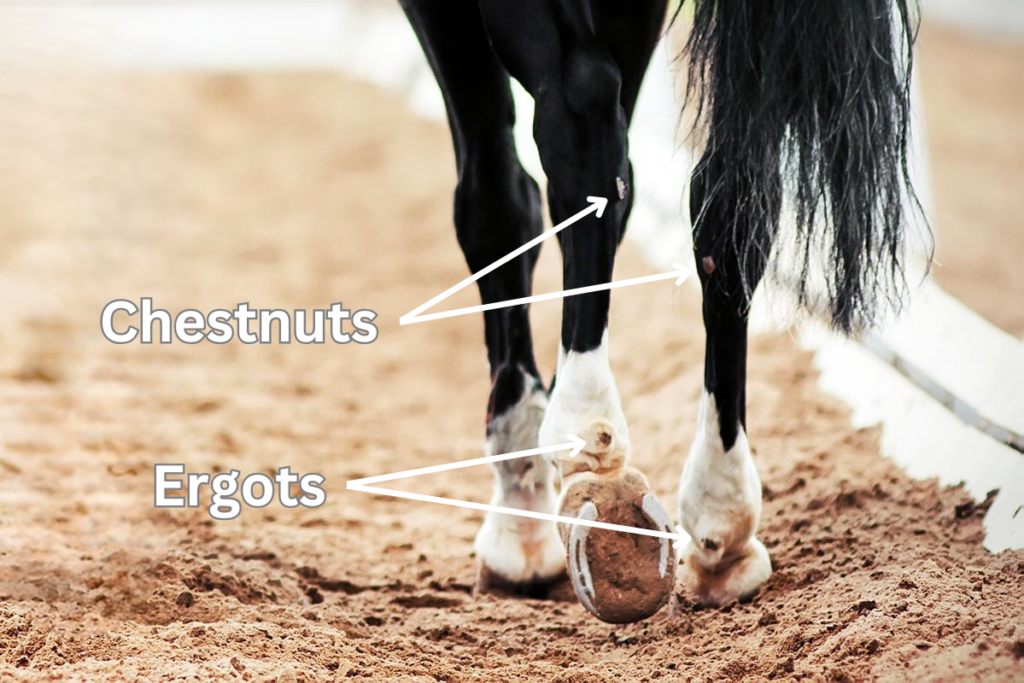
Source: equusmagazine.com
Biological purpose and prevailing theories
Researchers and practitioners propose several answers to what is the purpose of a chestnut on a horse:
- Vestigial structure
- A common view is that chestnuts are vestiges of pads or toes from ancestral equids. This explains their location and variation across breeds.
- This vestigial theory is the most widely cited in anatomical texts.
- Protective role
- Chestnuts may have helped protect tendon or skin tissue in early equids. They remain as protective calluses in modern horses.
- They can reduce friction where the leg bends or brushes against gear.
- Sensory and tactile hypothesis
- Some experts suggest chestnuts may have minor sensory roles, helping the horse sense contact along the inner leg.
- Any sensory function is likely limited compared with primary sensory organs.
- Identification and breed markers
- Humans have used chestnuts as natural ID marks for centuries. Their size and pattern can aid in describing and registering horses.
- This practical role answers many modern questions about what is the purpose of a chestnut on a horse in daily handling and record keeping.
These theories together give a rounded view of what is the purpose of a chestnut on a horse. No single theory fully explains every feature. The structure likely reflects a mix of evolutionary legacy and functional advantage.

Source: co.uk
How chestnuts are used for identification and record keeping
Chestnuts can be reliable identifiers when combined with other marks. Horse registries and vets often note chestnut shape and position in records. They help when distinguishing similar-looking animals.
Practical ways chestnuts aid identification:
- Compare chestnut patterns when documenting a horse for sale or registration.
- Use chestnut photographs in veterinary records or loss reports.
- Pair chestnut notes with brands, scars, and coat markings.
Knowing what is the purpose of a chestnut on a horse in identification helps handlers use them sensibly. Chestnuts are not unique like fingerprints, but they add useful detail.
Care, grooming, and health considerations
Chestnuts rarely cause medical problems. They usually stay stable and need minimal care. Still, watch for changes that could signal issues.
Routine care tips:
- Inspect chestnuts during daily grooming for cracks, bleeding, or sudden changes.
- Avoid aggressive trimming. Most vets advise leaving chestnuts alone unless they cause discomfort.
- If a chestnut splits or bleeds, clean gently and consult a vet or farrier.
Understanding what is the purpose of a chestnut on a horse includes knowing that they are mostly benign. Care should be conservative. Over-trimming can expose sensitive tissue and invite infection.
Personal experience and practical tips from the stable
I once managed a mare with unusually large hind chestnuts. They were a handy ID feature during shows. I learned three lessons that clarify what is the purpose of a chestnut on a horse in real life:
- Lesson 1: Use chestnuts to confirm identity, but never rely on them alone.
- Lesson 2: Be gentle. I once trimmed a chestnut too close. The mare became sore for days. That taught me to err on the side of caution.
- Lesson 3: Photograph chestnuts when registering or selling a horse. Clear photos helped when paperwork was incomplete.
These real examples show that knowing what is the purpose of a chestnut on a horse matters for both care and management. Treat chestnuts as natural features, not cosmetic targets.
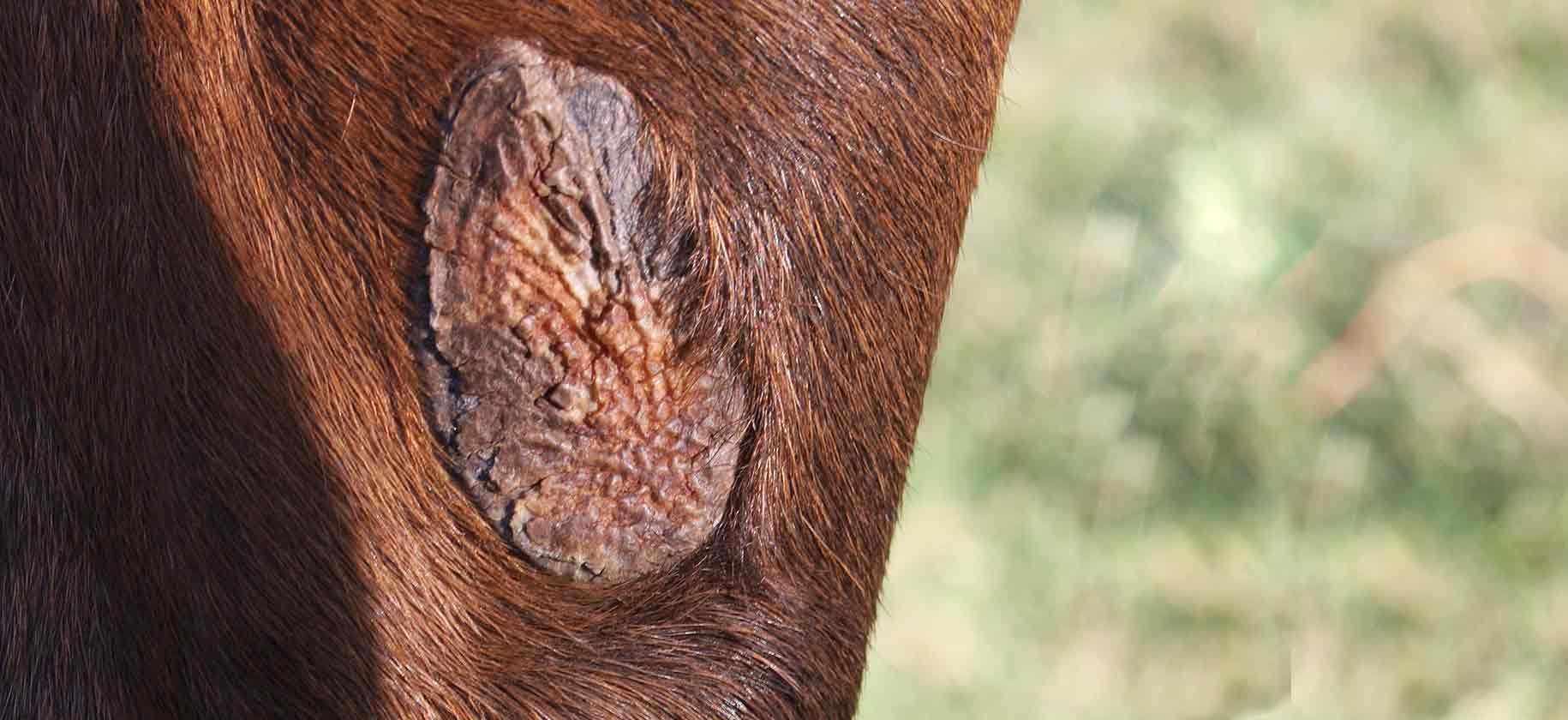
Source: com.au
Common misconceptions and myths
Several myths persist about chestnuts. Addressing them improves practical knowledge about what is the purpose of a chestnut on a horse.
- Myth: Chestnuts indicate age
- Reality: Chestnuts change little with age. They are not reliable age markers.
- Myth: Chestnuts are dangerous and should be cut off
- Reality: Routine removal is unnecessary and can harm the horse.
- Myth: All horses have identical chestnuts
- Reality: Chestnut size and shape vary by breed, genetics, and individual development.
Clearing these myths helps caretakers respect the true purpose and nature of chestnuts.
Frequently Asked Questions of what is the purpose of a chestnut on a horse
What exactly is a chestnut on a horse?
A chestnut is a natural, rough patch of skin found on the inner forelegs and sometimes on the hindlegs of horses. It is composed mainly of keratin and is a stable anatomical feature.
Do chestnuts serve any current function for horses?
Chestnuts likely serve minor protective or tactile roles and act as vestigial remnants of ancestral structures. They also help humans visually identify individual horses.
Can chestnuts be removed or trimmed safely?
Routine removal is not recommended. Trimming can expose sensitive tissue and cause pain or infection. Only a veterinarian should address problematic chestnuts.
Are chestnuts used in official horse identification?
Yes, registries and vets often record chestnuts as part of a horse’s identifying features. They are one of several marks used for reliable descriptions.
Do all equine species have chestnuts?
Most domesticated horses have chestnuts, but presence and size vary across breeds and wild equids. Some species or individuals may have minimal or no chestnuts.
Conclusion
Chestnuts are small, natural calluses with a mix of historical, protective, and practical value. Knowing what is the purpose of a chestnut on a horse helps you care for animals wisely and use natural marks for safe identification. Respect their biology and avoid needless trimming. If you manage horses, add chestnut notes and photos to your records and consult a vet for any change.
Take one action today: check your horse’s chestnuts during grooming and add a clear photo to its file. Share your experience or questions in the comments, or subscribe for more practical equine care guides.