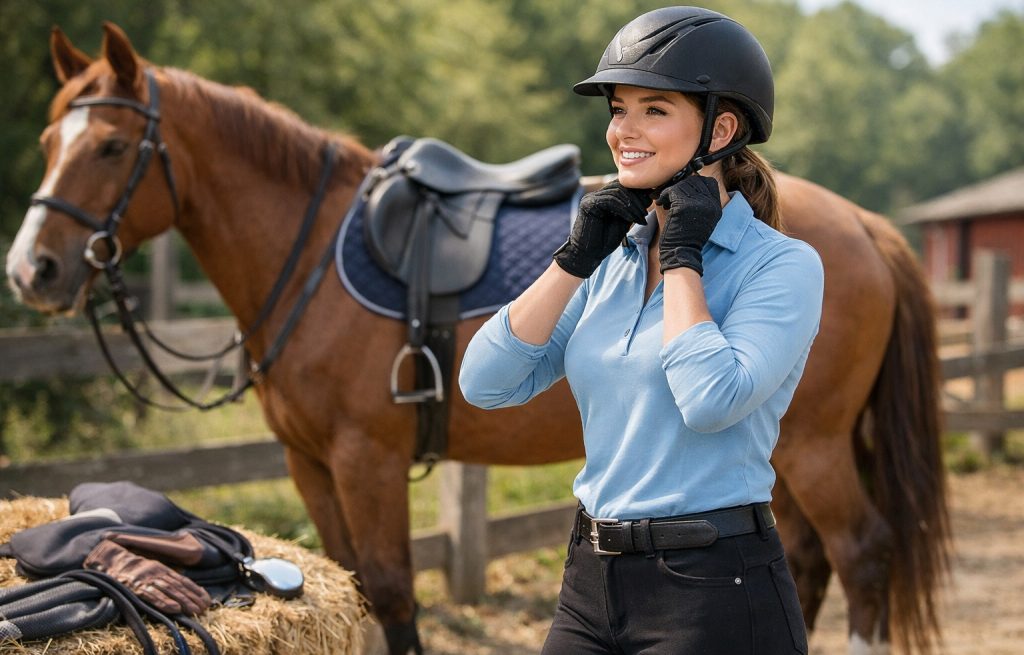
Wear a well-fitting helmet, close-contact pants, boots with a heel, and weather-appropriate layers.
As a rider and instructor with years working in barns and competitions, I know what works and what does not when deciding what to wear riding horses. This guide explains what to wear riding horses for safety, comfort, and performance. You will learn essentials, discipline-specific tips, what to avoid, and real-world advice from hands-on experience. Read on to make smarter clothing choices for every ride.
Why proper clothing matters for riding
Choosing what to wear riding horses affects safety, control, and comfort. The right clothes protect you in falls and help you cue the horse clearly. Poor choices can lead to slips, bruises, sunburn, cold, or impaired balance. Knowing what to wear riding horses reduces risk and improves the ride.
- Safety protects rider and horse.
- Comfort keeps you focused.
- Function helps with clear aids and better balance.

Source: co.uk
Essential riding clothing for every rider
Most rides need a simple set of gear. Focus on fit, function, and safety. These core items form the baseline for what to wear riding horses.
- Helmet — A certified, snug helmet is non-negotiable. Replace after impact or per manufacturer guidelines.
- Riding pants — Close-contact pants or breeches reduce chafing and improve leg feel.
- Boots with a heel — A small heel stops the foot from slipping through the stirrup.
- Gloves — Improve grip and protect hands from reins and rubs.
- Base layer — Moisture-wicking underlayers regulate temperature.
Source: aztecdiamond.com
Footwear and socks: small details, big impact
Good boots change how you sit and ride. Choose footwear that fits the discipline and offers safety.
- Riding boot styles — Tall boots for English; cowboy boots or paddock boots for Western and general riding.
- Heel height — 1/2-inch to 1-inch heel prevents sliding.
- Soles — Smooth enough to release but with light tread for walk-in safety.
- Socks — Thin, seamless riding socks prevent blisters and improve boot fit.
When I started, I rode in sneakers. I quickly learned boots keep my feet steady and prevent injuries. Investing in proper boots made a major difference in my balance and confidence.
Helmets and protective gear
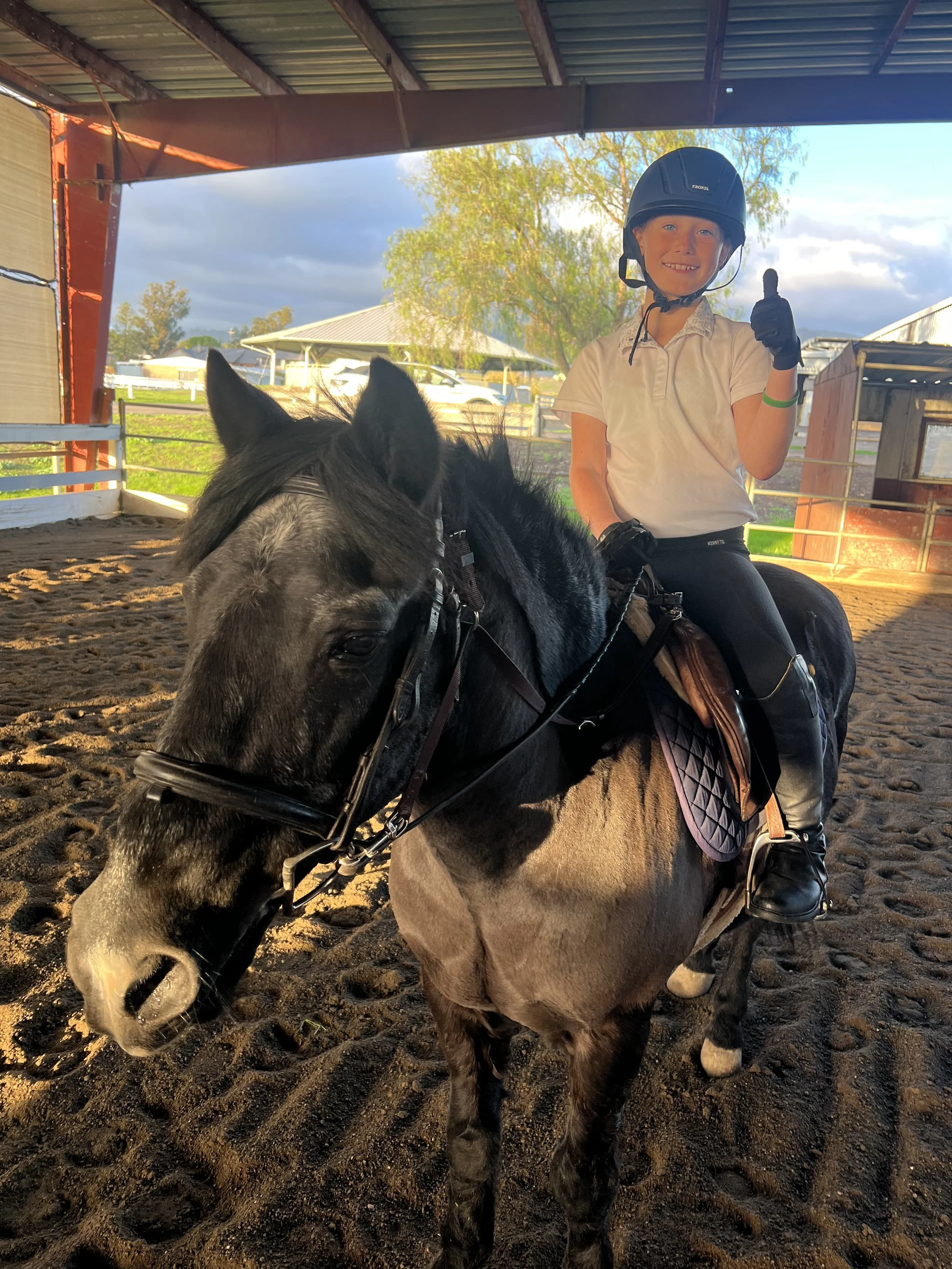
A helmet is the single most important item in what to wear riding horses. Pick a helmet certified for equestrian use and sized correctly. Fasten the chin strap snugly but comfortably every ride. Consider body protectors for jumping, eventing, or when schooling young horses.
- Certification — Look for ASTM/SEI or other accepted standards.
- Fit — Two fingers between strap and jaw is a basic check.
- Maintenance — Replace after a fall, even if there is no visible damage.
- Optional — Body protectors add torso protection for high-risk work.
Source: stridesridingacademy.com
Layering and weather considerations
Riding can be cold, hot, wet, or windy. Layering is the practical answer to these changing conditions. Build outfits from breathable, quick-dry fabrics for hot days and insulating, windproof layers for cold days.
- Warm weather — Lightweight, moisture-wicking shirts, sunscreen, and a ventilated helmet.
- Cold weather — Base layer, fleece mid-layer, and a water-resistant outer layer.
- Rain — A breathable waterproof jacket keeps you dry without overheating.
- Sun — Long sleeves, UV-safe fabrics, sunglasses, and a hat off-horse protect skin.
From personal experience, a slim, packable rain shell saved an afternoon trail ride that turned wet. Layers made me comfortable and kept the horse calm.

Source: misticopark.com
Discipline-specific clothing
What to wear riding horses varies by discipline. Match your clothing to the style and safety needs of your sport.
English (flat, dressage, jumping)
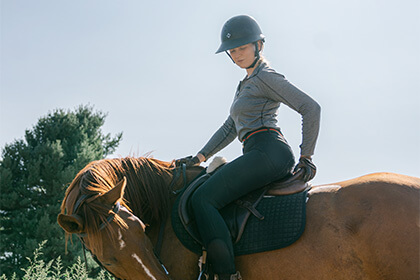
- Close-contact breeches, tall or paddock boots, fitted shirt, protective helmet.
- For shows, choose conservative colors and polished boots.
Western (reining, trail, ranch)
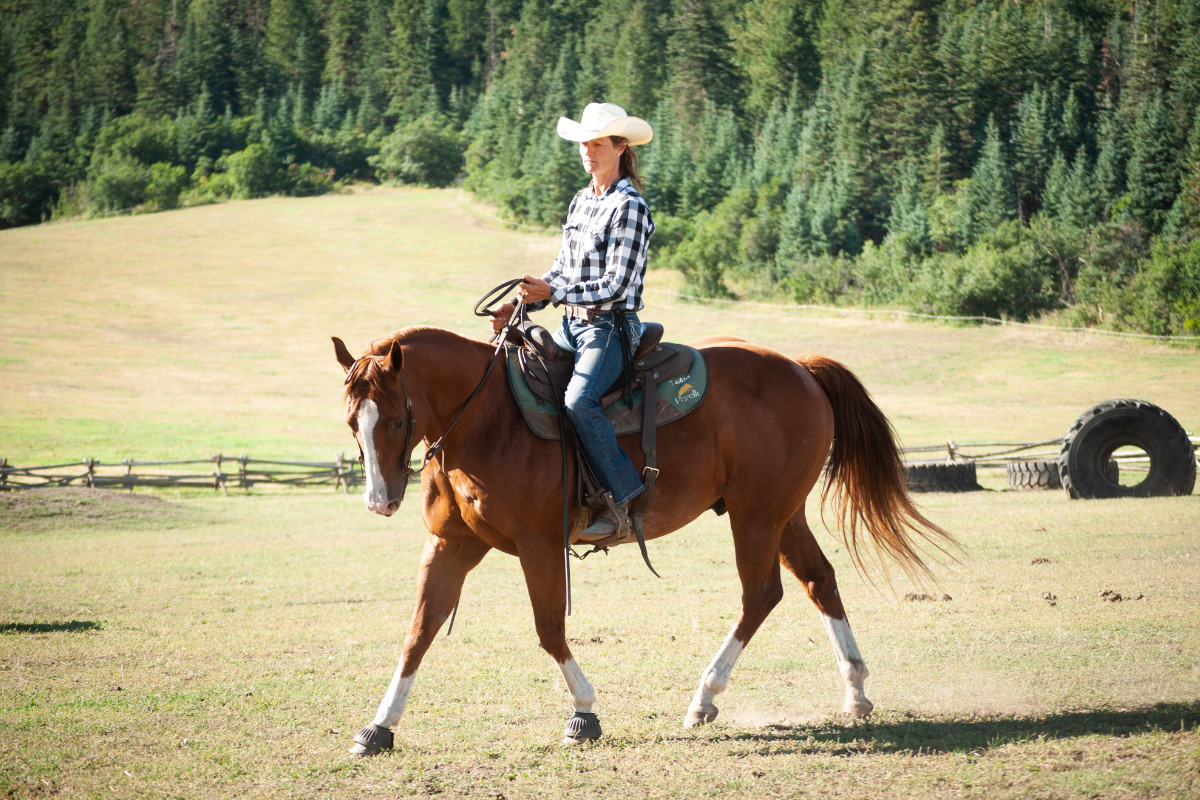
- Booted with a heel, jeans or Western-style riding pants, long-sleeve shirt, cowboy hat for sun (off-horse), and Western saddle-appropriate clothing.
- Chaps can be useful on rough terrain.
Trail and pleasure
- Comfortable, durable pants, breathable layers, supportive boots, and a helmet.
- Bring a light backpack with water and basic first-aid items.
Matching what to wear riding horses to your discipline improves safety and fit. Try items in the tack shop and test them on the horse before riding in a competitive setting.
Source: anequestrianlife.com
What to avoid wearing when riding
Some clothing choices seem harmless but create hazards. Avoid these common mistakes.
- Loose scarves, long necklaces, or baggy clothing — They can catch on tack.
- Slip-on shoes, high heels, or flat-soled sneakers — They offer poor stirrup security.
- Shorts or thin cotton — They cause chafing and expose skin to scrapes.
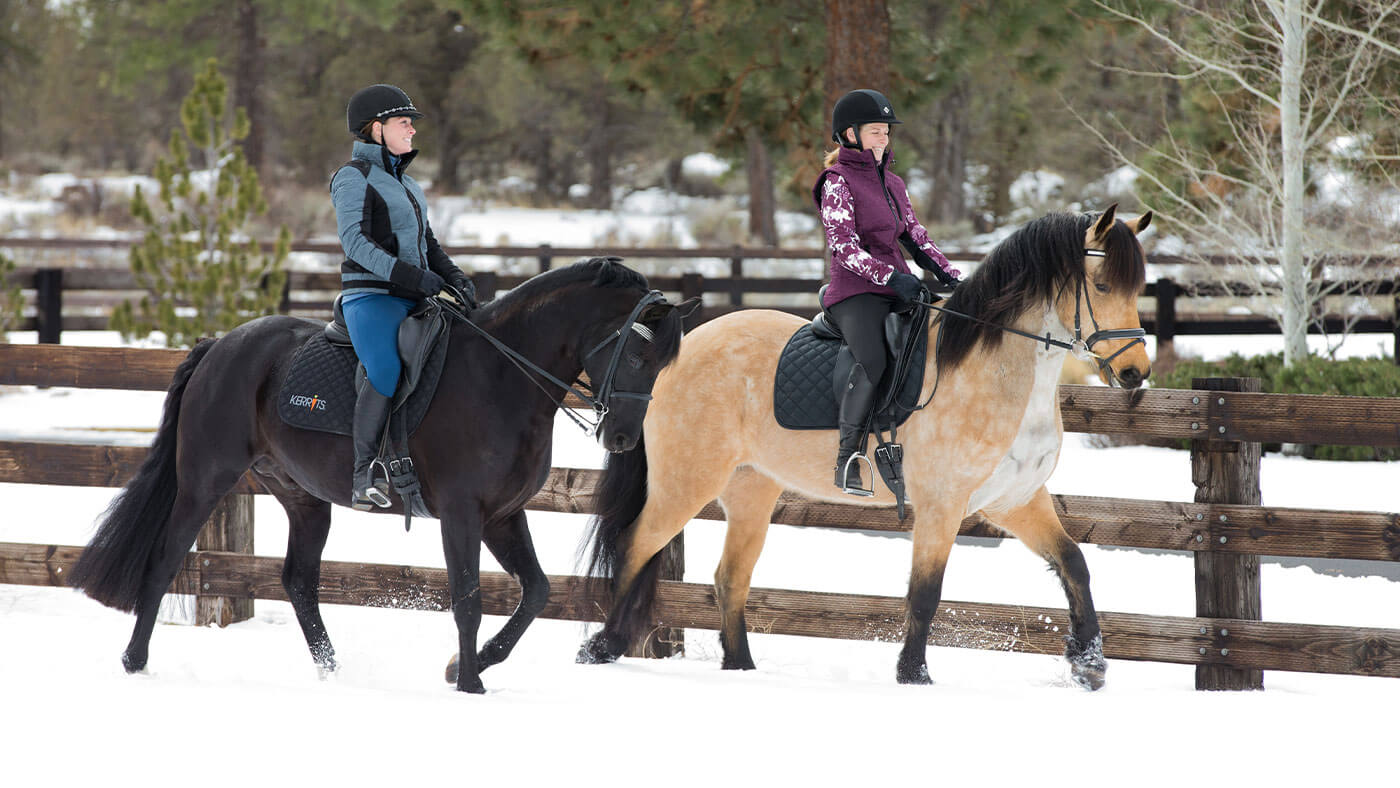
- Bulky coats that limit leg movement — They break contact and affect balance.
I once rode in an oversized hoodie. It bunched under the saddle and distracted both me and the horse. That ride taught me to choose fitted outer layers.
Source: kerrits.com
Tack, saddle fit, and clothing interaction
Clothing works with tack and saddle. A poorly fitted saddle can make even the best clothing uncomfortable. Check how your clothes sit under the saddle and how they affect your leg position.
- Seat padding — Too many layers under the seat change saddle fit.
- Stirrup leather contact — Breeches and boots should allow smooth contact.
- Saddle seam pressure — Smooth fabrics reduce rubbing.
- Safety checks — Make sure clothing doesn’t interfere with girth, stirrup, or reins.
When helping new riders, I often adjust clothing before tack. Small tweaks to pants or stirrup pads avoid big problems during the ride.
Source: parelli.com
Care, maintenance, and packing for rides
Good care extends the life of riding clothes. Clean and inspect gear regularly. Pack smart for lessons and trail rides.
- Washing — Follow garment labels; avoid fabric softener on technical fabrics.
- Repair — Fix small tears and replace worn elastic in breeches or gloves.
- Helmet care — Clean with mild soap; do not store in extreme heat.
- Packing list — Helmet, boots, gloves, spare socks, water, sunscreen, small first-aid kit.
I keep a “ride bag” ready in my trunk. It saves time and prevents last-minute outfit compromises.
Personal experience and practical tips
I have ridden in lessons, trail groups, and competition. These experiences shaped my advice on what to wear riding horses.
- Start simple and upgrade — Begin with a good helmet and boots, then add breeches and jackets.
- Test clothing in the barn — Walk, mount, and tighten stirrups to check comfort before the first ride.
- Observe local culture — Riding communities often have unwritten rules about attire.
- Budget wisely — Spend more on helmet and boots than on fashion pieces.
One memorable lesson was buying a pair of breeches that wore out quickly. Now I check fabric weight and reinforcement at the knee before buying.
Common mistakes and how to fix them
Riders often repeat avoidable errors. Fix these to improve safety and comfort.
- Mistake — Loose helmet straps. Fix — Adjust the strap each ride and perform a quick fit test.
- Mistake — Boots that rub. Fix — Try different socks and check boot fit standing and in stirrups.
- Mistake — Overdressing for weather. Fix — Use layers that you can remove and stash on the saddle.
Simple checks before mounting can prevent accidents and increase enjoyment.
Frequently Asked Questions of what to wear riding horses
What is the most important thing to wear when riding?
The most important item is a properly fitted, certified helmet. It protects the rider’s head and reduces serious injury risk.
Can I ride in regular jeans and sneakers?
Jeans can work for casual Western riding if they fit well, but sneakers are not safe. Wear boots with a heel to stay secure in the stirrup.
Do I need special pants to ride horses?
Special riding pants or breeches help prevent chafing and improve leg contact. They are especially useful for frequent riders and competitive disciplines.
Should children wear helmets for all horse rides?
Yes. Children should wear helmets on every ride, regardless of experience level. Helmets reduce head injury risk and are standard safety practice.
How do I choose the right helmet size?
Measure your head and try helmets to ensure a snug fit without pressure points. Fasten the chin strap and perform a gentle shake test to confirm stability.
Is it okay to ride in a skirt or dress?
No. Skirts and dresses can entangle with tack and limit leg control. Choose pants designed for safe mobility instead.
Conclusion
Choosing what to wear riding horses is about safety, comfort, and function. Prioritize a certified helmet, proper boots, fitted riding pants, and weather-appropriate layers. Test clothing on the horse, maintain gear, and adapt choices to your discipline and conditions. Start with the essentials, learn from experience, and refine your kit over time. Try one improvement this week: replace an unsafe shoe or add a breathable base layer. Share your riding gear wins or questions below, subscribe for more riding guides, or leave a comment with your favorite riding item.