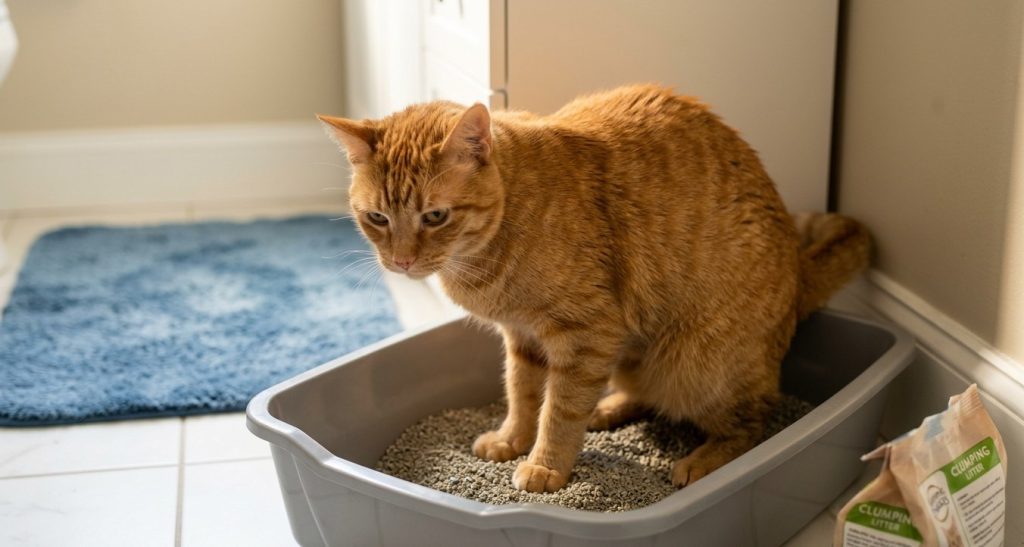
If you have ever stood near the litter box, watching your feline friend squatting, squirming, and looking utterly miserable, you know that heart-sinking feeling. As someone who has shared a home with cats, dogs, and the occasional rescue rabbit for over 15 years, I have seen almost every pet health mystery in the book. But few things cause immediate concern for a pet parent quite like watching a beloved cat struggle with their daily business.
You find yourself asking the inevitable question: Why is my cat straining to poop?
Is it just a temporary bout of hard stool from a new brand of kibble, or is it an urgent medical issue that requires a late-night trip to the emergency clinic? Constipation in cats is surprisingly common, but it can quickly escalate into a serious condition if ignored. In this guide, we will unpack the causes, signs, home care solutions, and medical treatments for feline bowel troubles—drawing on both veterinary insights and hands-on experience from over a decade and a half of pet care.
Understanding Feline Constipation and Urinary Distress
When a cat strains in the litter box, the immediate assumption is usually gastrointestinal constipation. However, there is a critical distinction every cat owner needs to know right away: straining to poop and straining to urinate look almost identical to the untrained eye.
In cats, feline lower urinary tract disease (FLUTD) or a urethral blockage—especially in male cats—is a life-threatening emergency. A cat suffering from a urinary blockage may squat repeatedly, vocalize in pain, and pass only tiny drops of urine or nothing at all. Owners often mistake this for constipation and wait a day or two to see if it clears up. IMO, if you are unsure whether your cat is struggling with poop or urine, check the litter box for wet spots immediately. If no urine is being produced, stop reading and contact your veterinarian straight away.
Assuming urine is flowing normally, constipation occurs when stool moves too slowly through the colon. As it sits there, the colon reabsorbs moisture, making the feces hard, dry, and difficult to pass.
8 Signs Your Cat Is Straining to Poop
Cats are absolute masters at hiding discomfort. In the wild, showing weakness makes an animal a target, so our domesticated companions have inherited a strong instinct to suffer in silence. Catching bowel issues early requires paying attention to subtle behavioral shifts.
Here are the primary symptoms to watch out for:
-
Frequent Litter Box Visits: Going in and out of the box repeatedly without leaving much behind.
-
Vocalization in the Box: Crying, howling, or yowling while attempting to pass stool.
-
Posturing Without Result: Squatting for long periods, hunched over, with visible abdominal effort.
-
Small, Hard Stools: Droppings that resemble small, dry pebbles rather than smooth, formed logs.
-
Litter Box Avoidance: Pain associated with pooping can cause cats to associate the box itself with discomfort, leading them to poop on carpets or furniture.
-
Lethargy and Hiding: Spending extra time under beds or in closets, showing little interest in play.
-
Decreased Appetite: A cat with a full, backed-up digestive system will naturally lose interest in food.
-
Abdominal Sensitivity: Tensing up or crying when you lift them or pet their belly area.
Primary Reasons Your Cat Is Straining to Poop
Why do feline digestive tracts grind to a halt? Over my 15 years of living with multiple cats, I have learned that constipation rarely has a single root cause. It is usually a combination of diet, environment, and internal health.
1. Dehydration
Cats have a low thirst drive because their wild desert ancestors obtained most of their hydration from prey. If your cat eats exclusively dry kibble, they are likely living in a state of mild, chronic dehydration. Without enough water in the body, the colon pulls moisture directly out of the waste material, leaving behind hard, dry stool.
2. Hairballs and Ingested Foreign Material
Cats spend up to 30% of their waking hours grooming. All that loose hair travels through the digestive tract. Usually, it passes harmlessly, but during heavy shedding seasons, hair can bind with stool, creating tough, dense blockages. Similarly, curious cats that ingest thread, ribbon, or carpet fibers can develop physical obstructions.
3. Dietary Factors and Sudden Changes
A diet lacking adequate dietary fiber can cause sluggish bowel motility. Conversely, switching your cat’s food brand overnight without a proper transition period can disrupt their gut microbiome and lead to stool impaction or inflammation.
4. Megacolon
Megacolon is a chronic, debilitating condition where the muscles of the colon lose their ability to contract. The colon becomes stretched and enlarged, accumulating massive amounts of hardened stool. It often starts as mild, untreated constipation and progresses over time into a permanent structural defect.
5. Stress and Behavioral Triggers
Cats are creatures of strict routine. A household move, a new baby, a guest staying over, or a dirty litter box can cause a cat to hold their stool intentionally. The longer waste stays in the colon, the harder and more difficult it becomes to pass.
6. Arthritis and Joint Pain
Older cats frequently suffer from osteoarthritis in their hips, spine, and knees. Squatting in a litter box requires flexible, pain-free joints. If the act of posturing hurts, a senior cat may defer pooping until they can no longer hold it, resulting in impacted, dried-out stool.
Complex Symptoms: What Happens When Other Issues Arise?
Gastrointestinal problems do not always present cleanly. Sometimes, constipation comes bundled with other concerning symptoms that require a tailored approach.
Cat Not Pooping But Eating
It can be perplexing to see a cat not pooping but eating their normal meals with enthusiasm. Where is all that food going?
In the early stages of mild constipation, a cat’s appetite might remain completely intact for 24 to 48 hours. The stomach continues to accept food, but the colon is blocked. This creates a backlog along the entire digestive system. If your cat continues to eat normally while failing to produce stool for more than two days, the impaction is worsening behind the scenes. Eventually, the pressure will cause nausea and appetite loss. Catching the issue during this window—before vomiting or total lethargy sets in—gives you the best chance of resolving it with mild dietary adjustments.
Cat Not Pooping and Vomiting
A far more alarming scenario is a cat not pooping and vomiting. When these two symptoms occur together, it should always be treated as a medical priority.
Vomiting alongside constipation can indicate a complete intestinal obstruction—such as a swallowed string, toy, or a massive hairball block. Alternatively, the severe strain of trying to pass a rock-hard stool can trigger a nerve response that induces vomiting. Stool that remains trapped in the colon for days also allows bacterial toxins to enter the bloodstream, causing systemic nausea.
Important Note: Never attempt home remedies or force pumpkin/oils into a cat that is actively vomiting. Ingesting liquids while nauseous can lead to accidental aspiration into the lungs. Contact a vet immediately.
Comparing Feline Bowel Conditions
To help you assess what your cat might be experiencing, here is a clear breakdown comparing mild constipation, chronic megacolon, and a physical intestinal blockage:
| Condition | Primary Symptoms | Common Causes | Urgency Level | Typical Treatment |
| Mild Constipation | Straining, small hard stools, reduced bowel frequency | Low hydration, low fiber, minor hairballs, stress |
Moderate
(Monitor 24–48 hrs) |
Hydration increase, dietary fiber, hairball remedies |
| Megacolon | Chronic straining, severe lethargy, weight loss, stool leakage | Loss of muscle tone in the colon wall |
High
(Requires vet management) |
Prescription laxatives, prokinetics, manual de-impaction, surgery |
| Intestinal Obstruction | Cat not pooping and vomiting, severe abdominal pain, complete loss of appetite | Ingested foreign bodies (string, hairballs, toys) |
Critical Emergency
(Immediate vet care) |
X-rays/Ultrasound, IV fluids, emergency surgery |
Decision Guide: When to Visit a Vet
Use these step-by-step checks to decide whether your cat needs home care or immediate emergency attention:
-
Check Urinary Status: Is your cat able to pass urine freely?
-
No / Unsure: This is a life-threatening emergency. Contact an emergency vet immediately.
-
Yes: Proceed to Step 2.
-
-
Check for Severe Symptoms: Is your cat vomiting, crying in severe pain, or showing blood in the litter box?
-
Yes: Schedule an immediate vet visit or emergency checkup.
-
No: Proceed to Step 3.
-
-
Check the Timeline: Has it been more than 48 hours since your cat last passed stool?
-
Yes: Contact your veterinarian for medical advice or prescription options.
-
No: Try mild home remedies, increase hydration, and monitor closely for 24 hours.
-
Medical Solutions and Veterinary Treatments
If simple home changes do not clear the constipation, your veterinarian has several medical interventions at their disposal:
Veterinary Enemas
A professional enema lubricates and softens the hardened stool directly inside the rectum. Never administer a human enema (like Fleet enemas) to a cat at home. Human enemas often contain sodium phosphate, which is toxic to cats and can cause fatal electrolyte imbalances within hours.
Manual De-impaction
In severe cases where the stool is too large or hard to pass naturally, the cat may need to be lightly sedated so the veterinarian can manually extract the impacted waste safely.
Prescription Medications
Vets often prescribe specialized feline laxatives such as Lactulose (a synthetic sugar syrup that draws water into the stool) or Miralax (Polyethylene Glycol 3350), which must be dosed specifically according to your cat’s weight. For cats with sluggish colon movement, prokinetic medications like Cisapride help stimulate muscular contractions in the gut.
Safe Home Remedies and Prevention Strategies
For mild, early-stage constipation where your cat is still happy, active, and eating normally, several simple home strategies can help get things moving again 🙂
1. Increase Moisture Content in Their Diet
The single most effective change you can make is introducing more hydration.
-
Switch to Wet Food: Canned cat food contains around 70-80% moisture, compared to just 10% in dry kibble.
-
Add Water or Bone Broth: Mix a tablespoon of warm water or plain, unseasoned bone broth (free of onions and garlic) directly into their meal.
-
Pet Water Fountains: Cats are naturally drawn to running water. Installing a stainless steel or ceramic water fountain encourages them to drink more frequently throughout the day.
2. Add Dietary Fiber
Fiber absorbs water in the digestive tract, adding bulk and softness to the stool.
-
Plain Canned Pumpkin: Pure canned pumpkin puree (not pumpkin pie mix, which contains spices and sugars) is a fantastic source of soluble fiber. Mix 1/2 to 1 teaspoon into your cat’s food once or twice a day.
-
Psyllium Husk: A tiny pinch of unflavored psyllium husk powder mixed into wet food can help draw water into the digestive tract.
3. Hairball Control Solutions
If grooming hair is contributing to the backup, use a vet-approved hairball lubricant gel or a hairball control dietary supplement. These products coat the ingested hair and intestinal wall, helping waste slide through smoothly. Regular grooming with a de-shedding brush is also a great preventative habit.
4. Optimize the Litter Box Environment
Stress plays a massive role in feline elimination. Follow the N+1 rule: always provide one more litter box than the total number of cats in your home. Place boxes in quiet, low-traffic areas where your cat feels safe and unbothered. Keep the boxes meticulously clean by scooping at least once daily.
Recovery and Long-Term Management
Once your cat has successfully passed the blockage, the recovery phase begins. A cat’s colon can remain sensitive and inflamed for several days after severe constipation.
-
Provide Soft Foods: Keep your cat on a warm, highly palatable wet food diet for at least a week following an episode to give the digestive tract time to rest.
-
Monitor Stool Consistency: Check the litter box daily. Stool should ideally be dark brown, moist, and well-formed—resembling smooth logs.
-
Maintain High Hydration: Keep fresh water stations available across different rooms in your house.
-
Encourage Play and Exercise: Physical activity stimulates intestinal peristalsis (the wave-like muscle contractions that move waste forward). Spend 10-15 minutes twice a day playing with wand toys to keep your cat moving.
For cats prone to recurrent constipation, long-term diet adjustments—such as prescription GI high-fiber diets or daily maintenance doses of vet-approved laxatives—will keep their system running reliably over their golden years.
Frequently Asked Questions
1. Can I give my cat olive oil or mineral oil for constipation?
It is generally best to avoid giving your cat free oils at home. While olive oil can act as a mild lubricant, it is high in fat and can trigger pancreatitis or an upset stomach. Mineral oil is even more dangerous if given orally with a syringe; if a cat accidentally inhales it into their lungs, it can cause severe, fatal lipid pneumonia. Always stick to vet-approved remedies like pure pumpkin or prescribed laxatives.
2. How long can a cat safely go without pooping?
A cat should ideally pass stool every 24 to 36 hours. If your cat has not pooped in 48 hours, it is time to take action. If the timeline reaches 72 hours without stool, it becomes a medical situation requiring immediate professional veterinary care.
3. Is human Miralax safe for cats?
Miralax (Polyethylene Glycol 3350) is widely used by veterinarians to treat feline constipation because it draws water into the stool without causing systemic cramps. However, you should never administer it without consulting your vet first to get the exact dosage tailored to your cat’s body weight and kidney health.
4. Can stress cause a cat to stop pooping?
Yes, absolutely. Cats are highly sensitive to environmental changes. A visit from family members, loud renovations, a new pet, or even moving a piece of furniture near their litter box can cause a cat to hold their bowel movements. This delay allows stool to dry out inside the colon, turning stress-induced retention into physical constipation.
5. Why is my cat straining to poop after diarrhea?
It might sound contradictory, but cats often strain after a bout of diarrhea due to a condition called tenesmus—a painful, persistent feeling that they still need to pass stool due to colon inflammation. Additionally, severe diarrhea can dehydrate the body rapidly, causing any remaining waste higher up in the digestive tract to turn hard and form a secondary blockage.
Final Words
Watching your cat struggle in the litter box is tough for any pet lover. Feline digestion can be delicate, but with a bit of vigilance, plenty of fresh water, and a fiber-rich diet, you can keep your buddy comfortable and regular.
Pay close attention to subtle behavioral shifts, keep the litter boxes clean, and never hesitate to contact your vet if you suspect something is wrong. Catching constipation early prevents long-term complications like megacolon and keeps your furry companion happy, healthy, and purring for years to come. FYI, your cat will thank you for taking their bathroom habits seriously!