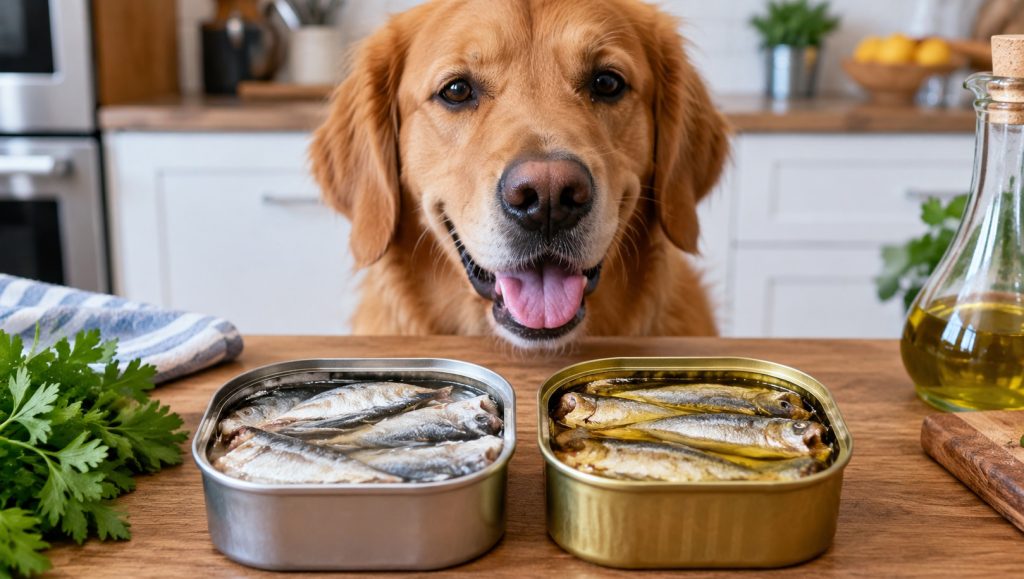
If your dog gives you that look every time you open a can of sardines, you may be wondering whether sharing a little is actually a good idea. More importantly, Sardines in Water vs Oil for Dogs is a surprisingly useful comparison because the fish may be the same, but the liquid surrounding it can change the calorie, fat, and sodium picture.
So, are sardines safe for dogs? Generally, plain sardines can be a nutritious occasional addition to a dog’s diet. Sardines are small fish, and FDA guidance lists sardines among its lower-mercury “Best Choices.” Veterinary nutrition guidance also commonly favors plain sardines packed in water without added salt. But that does not mean every can sitting on a grocery-store shelf is equally suitable.
For most healthy dogs, sardines in water are usually the simpler choice. Sardines packed in oil can also be used occasionally, but the added oil may increase calories and fat. And if the can contains salt, sauces, spices, garlic, or other unnecessary ingredients, the answer changes quickly.
Let’s look at the differences.
Can Dogs Eat Sardines?
Yes, many healthy dogs can eat plain sardines in moderation. Sardines provide protein and are naturally rich in marine omega-3 fatty acids, including EPA and DHA. These fats are commonly valued as part of a balanced diet and may support normal skin, coat, and overall nutritional health.
Sardines also have a useful advantage over some larger fish: they’re small. FDA data place sardines in the low-mercury “Best Choices” category, which makes them one of the more appealing fish options from a mercury perspective. That said, “safe fish” does not mean “feed unlimited amounts.”
Sardines are best viewed as an occasional treat or food topper, not something that should replace your dog’s complete and balanced primary diet.
Sardines in Water vs Oil for Dogs: What’s the Difference?
The biggest difference is fairly straightforward: sardines packed in water generally contain less added fat and fewer calories from the packing liquid, while sardines packed in oil contain additional fat and calories from that oil.
The exact nutritional difference varies considerably from one product to another. Some oil-packed sardines may contain relatively modest amounts of oil, while others are heavily packed in it. This is why the nutrition label matters more than the words “water” or “oil” alone.

Source: Pexels — Sardines in a Can
Sardines in Water for Dogs
Sardines in water for dogs are generally my preferred option when choosing a simple canned sardine product. Why? First, there is usually less concern about extra calories from the packing liquid. Second, it is easier to control how much additional fat you’re giving your dog. Third, water-packed sardines can be a very straightforward ingredient: sardines, water, perhaps a small amount of salt—or ideally no added salt.
That doesn’t make every water-packed product automatically perfect. Check the label. A can labeled “packed in water” may still contain added sodium or other ingredients.
Sardines in Oil for Dogs
Sardines in oil for dogs aren’t automatically bad. That’s an important distinction. The sardine itself remains a nutritious fish. The issue is that the oil adds additional calories and fat. If you’re giving a small amount occasionally to an otherwise healthy dog, that may not be a major concern.
But if your dog is overweight, has a history of pancreatitis, needs a lower-fat diet, or already receives several calorie-dense treats, oil-packed sardines may not be the most practical option. And let’s be honest: your dog probably doesn’t need an additional spoonful of oil simply because the sardines came swimming in it. 🙂

Source: Pexels — Close-Up Shot of Sardines in a Can
Sardines in Water vs Oil for Dogs: Which Is Better?
For most healthy dogs, sardines packed in water are the better everyday-style choice for an occasional topper or treat. The reason isn’t that oil is inherently toxic or that dogs cannot digest it. It’s mainly about keeping the ingredient list and calorie contribution under control.
Here’s the basic logic:
Water-packed sardines:
- Usually fewer added calories from the packing liquid
- Easier to fit into a controlled-calorie diet
- Often available without added salt
- Simple option for occasional feeding
Oil-packed sardines:
- Can contain substantially more fat and calories
- May still be suitable in small quantities
- Require closer attention to the nutrition label
- Less attractive for dogs needing calorie or fat restriction
So, in the Sardines in Water vs Oil for Dogs debate, water gets my vote for simplicity.
When Sardines Packed in Oil May Still Be Appropriate
There are situations where you may already have oil-packed sardines and wonder whether they need to go straight into the trash. Not necessarily. If the sardines are plain, free of harmful seasonings, reasonably low in sodium, and given in a modest quantity, they may be appropriate for some healthy dogs.
The key is moderation. Also remember that “oil-packed” doesn’t tell you exactly how much oil your dog will consume. Some people drain the sardines thoroughly before serving. That can reduce some of the excess packing oil, although it does not eliminate all of it.
If your dog has a medical condition requiring a carefully controlled diet, don’t make assumptions based on the can’s front label. Ask your veterinarian.
Nutritional Benefits of Sardines for Dogs
Omega-3 Fatty Acids
One of the biggest reasons pet owners consider sardines is omega-3. Sardines naturally provide EPA and DHA, two marine omega-3 fatty acids. These are different from simply sprinkling a plant-based source of omega-3 onto your dog’s food because dogs process different forms of omega-3 differently.
That doesn’t mean sardines are a miracle food. They aren’t. But as an occasional food, they can provide useful nutrients while also being highly palatable.
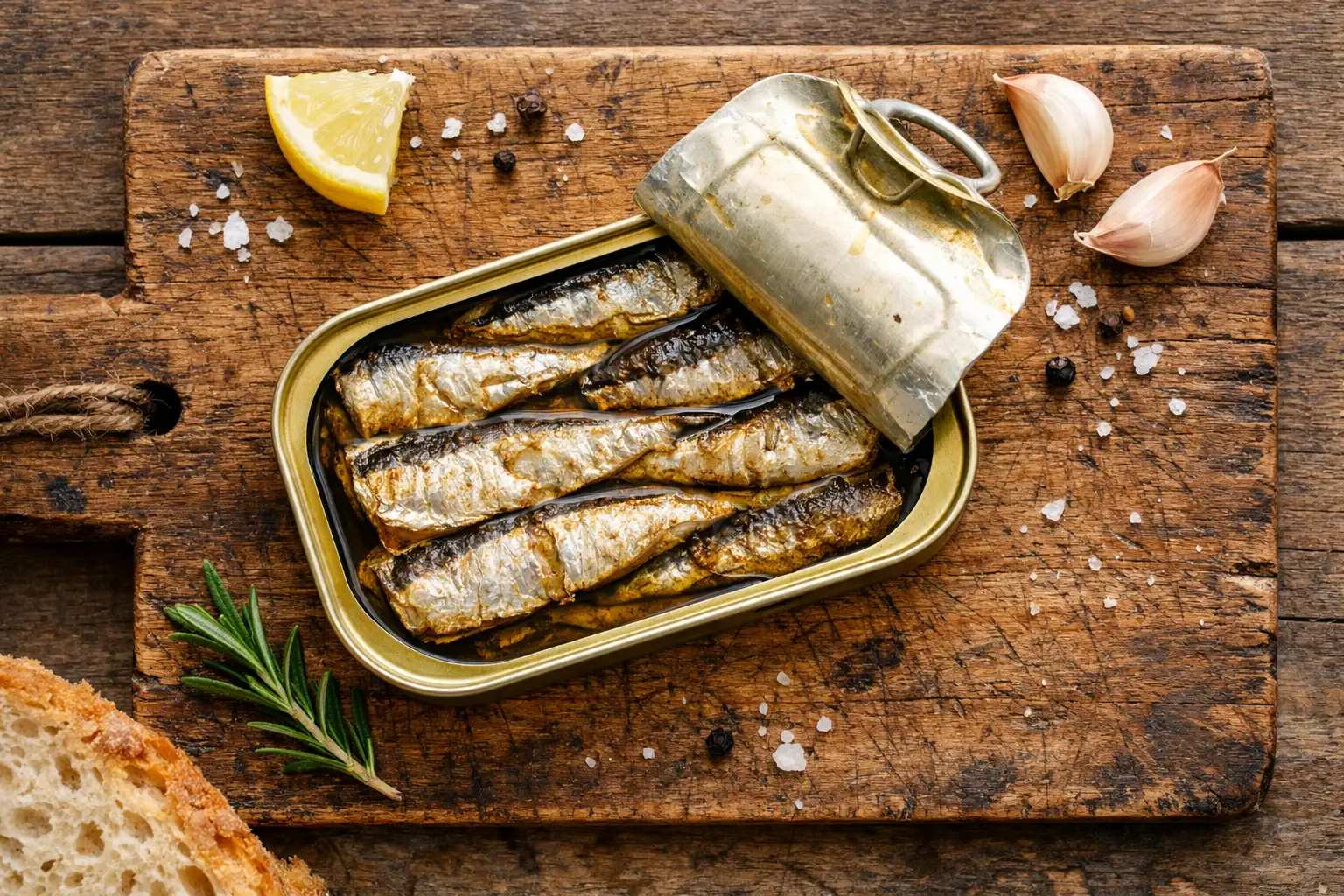
Source: https://chickenofthesea.com/products/sardines/wild-caught-sardines-in-water/
Protein and Other Nutrients
Sardines provide protein along with other nutrients naturally found in fish. The small bones found in properly processed canned sardines are generally soft enough to be consumed, but always inspect the product and use common sense. If you’re uncomfortable with the bones or your particular product seems unusually firm, choose a different preparation.
The overall diet still matters far more than one food. A spoonful of sardines won’t compensate for a poorly balanced diet.
Mercury Considerations
Mercury is a reasonable question whenever fish enters a pet’s diet. Sardines have an advantage here because they are small fish and are considered a lower-mercury choice by the FDA. FDA monitoring data show sardines with a relatively low average mercury concentration compared with many larger predatory fish.
That doesn’t mean sardines contain absolutely zero mercury. Few things involving the marine food chain are that simple. Still, sardines are generally a more attractive fish choice than frequently feeding larger fish with greater mercury accumulation.
What to Look for When Buying Sardines for Your Dog
If you’re standing in the grocery store staring at a wall of sardine cans, here’s the practical checklist.
Choose Plain Sardines
The simpler, the better. Look for products that primarily contain sardines and water or oil. Avoid products loaded with sauces, seasonings, marinades, or other unnecessary ingredients.
Check Sodium
Sodium deserves attention. Dogs need sodium, but excessive sodium isn’t something you want to add unnecessarily to an already complete diet. FDA guidance also emphasizes checking nutrition labels and choosing lower-sodium options when possible.
For dogs, I’d favor no-salt-added or low-sodium sardines when they’re available and otherwise appropriate.
Avoid Seasonings and Sauces
Plain sardines are one thing. Sardines covered in spicy tomato sauce, garlic-seasoned oil, onion-containing sauces, or heavily seasoned marinades are another. Your dog doesn’t need restaurant-style sardines. The ingredient label is your friend.
Look at the Packing Liquid
This is where Sardines in Water vs Oil for Dogs becomes especially relevant. If two cans contain otherwise similar sardines, the water-packed option may make it easier to control calories and added fat. But don’t stop at the word “water.” Check the entire ingredient list and nutrition panel.
How to Serve Sardines to Dogs
Start small. For a healthy dog that has never eaten sardines, a small amount mixed into their normal food is a sensible way to see how they tolerate it. You don’t need to serve an entire can simply because your dog is sitting beside the kitchen counter performing an Oscar-worthy starvation performance. Drain the sardines first if necessary, especially when using an oil-packed product.
You can:
- Mix a small amount into regular dog food
- Break sardines into smaller pieces as a high-value topper
- Use a small portion as an occasional treat
Introduce any new food gradually and watch for digestive changes.
How Much Sardine Can a Dog Eat?
There isn’t one universal sardine serving that is appropriate for every dog. A Chihuahua and a Great Dane obviously don’t have identical calorie requirements. The dog’s weight, age, activity level, existing diet, health status, and the specific sardine product all matter.
Treats and extras should remain a relatively small part of the overall diet. If you’re unsure about an appropriate portion, particularly for a dog with a health condition or dietary restriction, ask your veterinarian for individualized guidance. For regular feeding, your dog’s complete and balanced food should remain the nutritional foundation.
Potential Risks of Sardines for Dogs
Sardines can be nutritious, but they’re not risk-free.
Too Many Calories
Oil-packed sardines can add more calories than you may expect. If you’re trying to help an overweight dog lose weight, those additional calories matter.
Too Much Fat
Some dogs need lower-fat diets. Dogs with a history of pancreatitis or other conditions where dietary fat needs to be controlled should not be given high-fat treats casually. Ask your veterinarian before adding sardines to a medically restricted diet.
Sodium
Some canned sardines contain significant added salt. This is another reason no-salt-added or lower-sodium products can be attractive.
Digestive Upset
Any new food can cause gastrointestinal trouble if introduced too quickly or fed in excessive quantities. Vomiting, persistent diarrhea, marked lethargy, abdominal discomfort, or other concerning symptoms warrant veterinary attention.
Allergies or Food Sensitivities
Fish allergies aren’t the most common canine food allergy, but individual dogs can react differently to foods. If your dog develops repeated symptoms after eating sardines, stop offering them and discuss the issue with your veterinarian.
Sardines in Water vs Oil for Dogs: Quick Comparison
| Feature | Sardines in Water | Sardines in Oil |
|---|---|---|
| Added fat | Usually lower | Usually higher |
| Added calories | Usually lower | Usually higher |
| Ingredient simplicity | Often very simple | Depends on oil and ingredients |
| Sodium | Must check label | Must check label |
| Occasional topper | Excellent option for many healthy dogs | Can work in moderation |
| Weight-management diets | Generally easier to fit | May require more caution |
| Overall preference | Usually preferred | Occasional alternative |
The exact nutrition varies by brand and product, so always check the label rather than assuming every can fits the same nutritional profile.
Frequently Asked Questions
Are sardines in water better for dogs than sardines in oil?
Usually, yes. Sardines in water for dogs are often the simpler choice because they generally add less fat and fewer calories from the packing liquid. However, the nutrition label and ingredients still matter.
Can dogs eat sardines packed in oil?
Yes, some healthy dogs can eat plain sardines in oil for dogs in moderation. Drain them well and account for the additional fat and calories. Dogs that need low-fat diets should be discussed with a veterinarian before receiving oil-packed sardines.
Are sardines good for dogs?
Plain sardines can be a nutritious occasional food because they provide protein and marine omega-3 fatty acids. They should complement—not replace—a complete and balanced canine diet.
Do sardines have too much mercury for dogs?
Sardines are considered a lower-mercury fish by the FDA and are included among its “Best Choices.” Still, moderation is sensible, and fish should not become an excessive part of the diet.
What are the best sardines for dogs?
Look for plain sardines with minimal ingredients, preferably packed in water and without added salt. Avoid heavily seasoned, sauced, or flavored products. If choosing oil-packed sardines, pay particular attention to calories, fat, and ingredients.
Final Words
The Sardines in Water vs Oil for Dogs question doesn’t have to be complicated.
For most healthy dogs, I would choose plain sardines packed in water, preferably without added salt. They’re simple, easy to portion, and avoid some of the extra calories and fat that come with oil-packed products. That doesn’t make sardines in oil for dogs automatically bad. A small amount of plain, drained oil-packed sardines may be perfectly reasonable for some healthy dogs. The important factors are the individual dog, the product’s ingredients, the amount served, and the rest of the dog’s diet.
If you’re shopping specifically for sardines in water for dogs, read the ingredient list rather than relying only on the front of the package. “Packed in water” is a good starting point, not a nutritional guarantee. And if your dog has pancreatitis, obesity, food allergies, kidney problems, or another condition requiring dietary management, check with your veterinarian before making sardines a regular treat.
In short: water is usually the better default; oil can be an occasional alternative when used thoughtfully. That’s really the heart of the Sardines in Water vs Oil for Dogs decision—and thankfully, your dog doesn’t need a 12-page menu to appreciate a tasty fish topper.