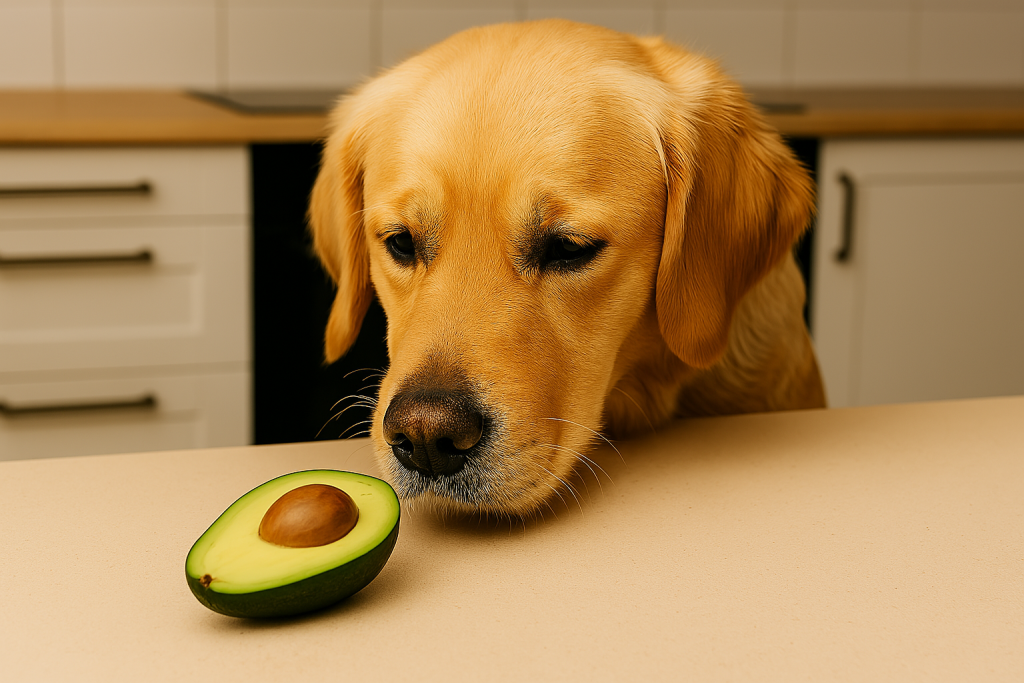

If you have ever opened a can of sardines and noticed your dog suddenly acting like you have been hiding the world’s greatest treasure from them, you are not alone. That unmistakable fishy smell can get a dog’s attention very quickly.
So, can dogs eat canned sardines? Yes, many healthy dogs can eat plain canned sardines in moderation. Sardines can provide protein and omega-3 fatty acids, and their small, soft bones are generally different from the hard, dangerous bones found in many other fish.
However, not every can of sardines belongs in your dog’s bowl. The packing liquid, sodium level, added ingredients, portion size, and your dog’s individual health all matter.
If you’re considering sardines for dogs, the safest general approach is to choose a plain product with simple ingredients, preferably packed in water and without added salt or seasonings. Think of sardines as an occasional nutritional bonus—not a replacement for a complete and balanced dog food.
Can Dogs Eat Canned Sardines?
Yes, dogs can eat canned sardines when the sardines are plain and offered in appropriate amounts.
Sardines are small, oily fish, which makes them an interesting food for dogs. They contain protein and omega-3 fatty acids, including EPA and DHA. Small fish such as sardines also tend to be a better choice than large predatory fish when you’re trying to limit exposure to accumulated contaminants such as mercury.
That doesn’t mean you should grab a can from the pantry and dump the entire thing over dinner.
The biggest concern isn’t usually the sardine itself. It’s what has been added to the sardine.
A plain sardine packed in water is very different from sardines packed in heavily salted oil, tomato sauce, spicy sauce, or a seasoning blend containing onion or garlic.
So, if you’re wondering are canned sardines safe for dogs, the answer is generally yes—but the label deserves a little attention first.
Are Canned Sardines Safe for Dogs?
For many healthy dogs, plain canned sardines can be a safe occasional treat.
When Sardines Can Be a Good Choice
Sardines may be useful as an occasional topper or treat because they provide:
- High-quality protein
- Omega-3 fatty acids
- EPA and DHA
- Several vitamins and minerals
- Additional flavor that can make an ordinary meal more interesting
Fish-derived omega-3 fatty acids are particularly interesting in canine nutrition because they play important roles in the body, including normal inflammatory and cellular processes. Sardines are one of the fish commonly used as a source of fish oil.
That said, I wouldn’t turn a sardine treat into a daily nutritional obsession. If your dog already eats a complete and balanced commercial diet, that food should remain the foundation of the diet.
Sardines are the supporting actor, not the lead.
When Canned Sardines May Not Be a Good Choice
There are situations where sardines may not be appropriate without veterinary guidance.
Be more cautious if your dog has:
- A history of pancreatitis
- A prescribed therapeutic diet
- Certain kidney or heart conditions
- Obesity or strict calorie restrictions
- Known food allergies or sensitivities
- A condition requiring controlled sodium or fat intake
If your dog falls into one of these categories, don’t assume that a food being “natural” automatically makes it suitable.
Sardines for Dogs: Are There Any Health Benefits?
One reason sardines for dogs have become popular is their omega-3 content.
Omega-3 Fatty Acids
Sardines are oily fish and naturally contain omega-3 fatty acids. Fish oils derived from sardines and other small fish can provide EPA and DHA. These fatty acids are important nutrients for dogs, although the exact amount a particular dog needs depends on its overall diet and individual circumstances.
This is also why you should be careful about thinking, “If a little is healthy, a lot must be better.” It doesn’t work that way with food—or with most things involving a dog and an open pantry.
Protein
Sardines also provide animal-based protein. Protein is an essential component of a dog’s diet and supports normal maintenance of muscles and other tissues. Still, your dog’s primary food should already provide appropriate protein and other nutrients in a balanced formulation.
Possible Skin and Coat Support
Omega-3 fatty acids are often associated with healthy skin and coat maintenance. However, don’t treat sardines as a cure for itching, allergies, or skin disease. If your dog is persistently scratching, licking its paws, losing hair, or developing irritated skin, the underlying cause needs proper evaluation.
Are Sardines Packed in Water Better for Dogs?
When choosing canned sardines for your dog, I generally prefer sardines packed in water over heavily oil-packed varieties.
Vet specifically recommends looking for sardines packed in water with no added salt when feeding them to dogs.
Sardines in Water
This is usually the simplest option.
Look for:
- Sardines
- Water
- Minimal additional ingredients
- No added salt, when available
A short ingredient list makes your job easier.
Sardines Packed in Oil
Can dogs eat sardines packed in oil? A small amount may not automatically be toxic, but oil adds additional fat and calories.
Too much dietary fat can cause digestive problems in some dogs and may be particularly inappropriate for dogs prone to pancreatitis. AKC notes that fish prepared with excessive oil can cause gastrointestinal upset and potentially contribute to more serious illness such as pancreatitis. For that reason, plain sardines in water are usually the more sensible choice.
Sardines in Sauce or Seasonings
This is where I would put the can back on the shelf.
Flavored sardines may contain ingredients such as:
- Garlic
- Onion
- Excessive salt
- Chili or hot peppers
- Spices
- Heavy sauces
- Other ingredients unsuitable for dogs
Garlic and onions are particularly important ingredients to avoid in dog food.
Your dog doesn’t need Mediterranean seasoning. Your dog needs a sardine.
Can Dogs Eat Sardine Bones?
This is one of the more confusing parts of the question.
Can dogs eat canned sardines with bones? Generally, the tiny bones in canned sardines are soft because of the canning process, and sardines are specifically recognized as an exception among fish where the bones can generally be consumed. That’s very different from giving a dog a cooked chicken bone or another large, hard fish bone. Hard or brittle bones can splinter and cause choking, gastrointestinal injury, or obstruction.
Still, don’t assume every fish product is equally safe just because it is labeled “sardines.” Inspect the food and choose products intended as simple, edible fish rather than products containing larger bones or unusual ingredients.
How Much Canned Sardine Can a Dog Eat?
There isn’t one universal sardine serving size that is right for every dog.
A Chihuahua and a Great Dane obviously aren’t working with the same nutritional budget. Portion size should take into account:
- Your dog’s body size
- Age
- Activity level
- Current diet
- Daily calorie needs
- Treat intake
- Fat tolerance
- Existing medical conditions
A useful general principle is to treat sardines as an occasional addition, not as a major part of the diet. AKC recommends keeping treats and other extras within reasonable limits, with treats generally making up no more than about 10% of daily calories. For a dog trying sardines for the first time, starting with a small amount is sensible. Watch for digestive changes before offering more.
If you’re unsure about the right amount of sardines for your dog, particularly if your dog is overweight or has a medical condition, ask your veterinarian.
How to Choose Canned Sardines for Dogs
If you’re standing in the grocery store comparing cans, here’s the simple checklist I would use.
Look for:
1. Sardines packed in water
This keeps the product simple and avoids unnecessary added fat from oil.
2. Low sodium or no added salt
Canned foods can contain considerable sodium, and excessive salt intake can be dangerous in sufficiently large amounts.
3. A short ingredient list
The fewer unnecessary ingredients, the easier it is to determine what you’re feeding.
4. No garlic or onion
Avoid products containing these ingredients.
5. No spicy sauce
Dogs have absolutely no need for your favorite hot-sauce experiment.
6. No unnecessary flavorings
Plain is usually the better choice.
7. A reputable product
Choose food from a manufacturer with clear labeling and appropriate food-handling standards.
How to Serve Sardines to Your Dog
Once you’ve chosen an appropriate product, serving it doesn’t need to become a culinary production.
You can:
- Mix a small amount into your dog’s regular food.
- Break the sardine into smaller pieces.
- Use a little as an occasional meal topper.
- Offer a small piece as a high-value treat.
- Introduce it gradually the first time.
Some dogs will immediately love sardines. Others will sniff them suspiciously and walk away as if you’ve personally offended them. Dogs are wonderfully consistent about being inconsistent.
If your dog has a sensitive stomach, introducing any new food slowly is especially sensible.
Potential Risks of Canned Sardines for Dogs
Although can dogs eat canned sardines is generally answered with “yes,” there are several reasons not to overdo them.
Too Much Sodium
Salt is one of the main reasons to read the label. Large amounts of sodium can cause serious problems. Signs of excessive salt consumption can include vomiting, diarrhea, excessive thirst or urination, weakness, tremors, and seizures. A dog that accidentally consumes a large quantity of heavily salted sardines deserves veterinary advice.
Too Much Fat
Sardines are naturally oily fish. Adding oil-packed sardines on top of a normal diet can push the calorie and fat content higher than intended. This matters especially for dogs that are overweight or prone to digestive problems.
Digestive Upset
Any unfamiliar food can cause stomach trouble.
Possible signs include:
- Loose stool
- Diarrhea
- Vomiting
- Gas
- Reduced appetite
That’s why starting with a small quantity makes sense.
Food Sensitivity
Some dogs may not tolerate particular fish products. If your dog repeatedly develops itching, gastrointestinal problems, or other unusual symptoms after eating sardines, stop offering them and speak with your veterinarian.
When to Call Your Veterinarian
If your dog accidentally eats a small amount of plain sardine, there may be little reason to panic. The situation is different if your dog eats a large quantity, consumes a heavily salted or seasoned product, or develops concerning symptoms.
Contact your veterinarian promptly if your dog experiences:
- Repeated vomiting
- Severe or persistent diarrhea
- Significant lethargy
- Tremors or seizures
- Difficulty breathing
- Choking
- Collapse
- Severe abdominal discomfort
- Other unusual or rapidly worsening symptoms
If your dog consumes something potentially toxic, don’t try home remedies unless a veterinarian or pet poison professional specifically instructs you to do so.
Frequently Asked Questions
Can dogs eat canned sardines in water?
Yes. Plain sardines packed in water are generally one of the better canned sardine choices for dogs. Ideally, select a product without added salt or unnecessary seasonings.
Can dogs eat sardines packed in oil?
Dogs may tolerate small amounts, but sardines packed in oil provide additional fat and calories. For routine use, sardines packed in water are generally the simpler choice.
Are canned sardine bones safe for dogs?
The small, soft bones in properly canned sardines are generally considered edible for dogs. This shouldn’t be confused with larger, hard or brittle fish bones, which can create choking or gastrointestinal hazards.
How often can dogs eat sardines?
There isn’t one frequency that applies to every dog. Sardines are best treated as an occasional addition while your dog’s complete and balanced food remains the nutritional foundation. Your veterinarian can provide more specific guidance if your dog has dietary restrictions.
Can puppies eat canned sardines?
A puppy may potentially eat an appropriate plain sardine product, but puppies have specific nutritional requirements during growth. Their primary food should be a complete and balanced puppy diet, and new foods should be introduced carefully. When in doubt, ask your veterinarian before making sardines a regular treat.
Final Words
So, can dogs eat canned sardines? For many healthy dogs, yes—provided you choose the right product and keep portions reasonable. The simplest choice is usually plain sardines packed in water, with little or no added salt and no garlic, onion, spicy sauce, or unnecessary seasonings. Sardines can provide protein and omega-3 fatty acids, while their small canned bones are generally soft enough to be eaten.
The key is moderation.
If your dog already eats a complete and balanced diet, sardines don’t need to become a daily ritual. Think of them as an occasional treat or topper that can add variety without taking over the bowl. And if your dog has a medical condition, follows a prescription diet, or has a history of digestive problems, a quick conversation with your veterinarian is worth far more than guessing. After all, your dog may be willing to eat an entire can without hesitation. That doesn’t mean their stomach—or your veterinarian’s schedule—is equally enthusiastic. 🙂