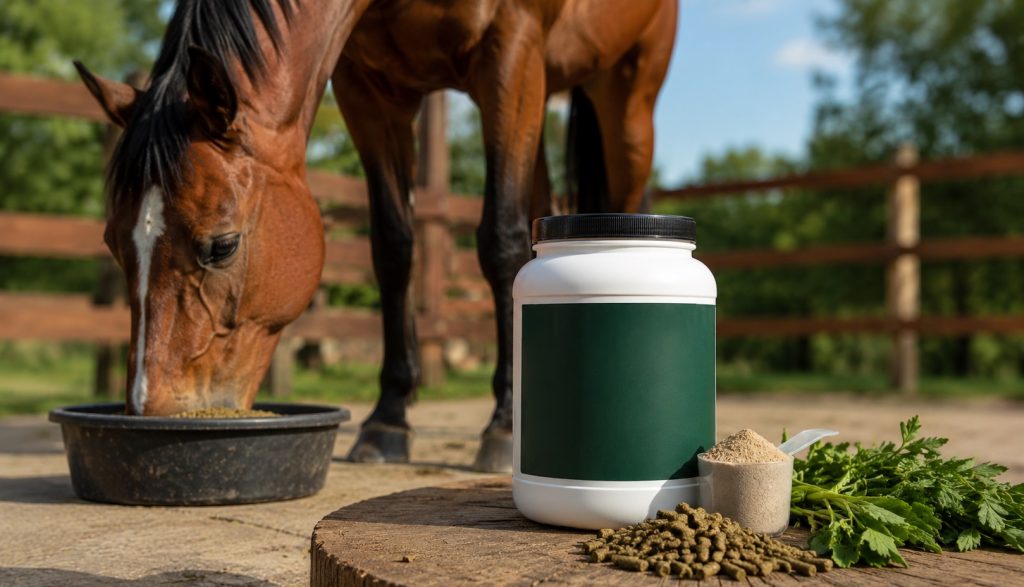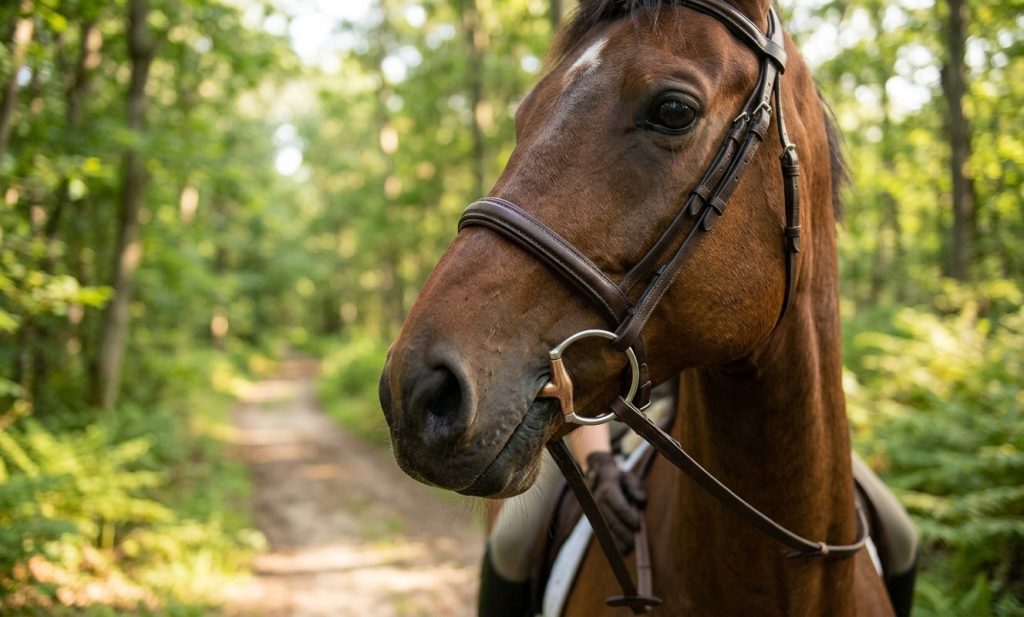
The best horse bit for trail riding is a mild, well‑fitted snaffle that encourages relaxation.
You love the quiet miles. But you need a bit that keeps your horse soft, steering light, and brakes steady when the trail throws a curve. The right mouthpiece and cheek style can calm a fussy mouth, help with water crossings, and add control on steep grades. Pick wrong, and you fight the head toss, the brace, and the pull. Pick right, and the ride feels like teamwork. In this guide, I break down what actually works on the trail and how to choose the best horse bit for trail riding for your horse and your hands.

Reinsman 251 3-Piece Trail Dee…
STAGE A BIT FOR TRAINING AND TRAIL WORK – The Reinsman 251 Trail Dee is a Stage A horse bit designed for starting young horses, everyday training, or maintaining soft…

Professional Equine Horse Stainless Steel…
✔ HIGH-QUALITY STAINLESS STEEL – DURABLE & RUST-RESISTANT Crafted from premium stainless steel, this CHALLENGER western horse bit is built for strength, durability, and long-lasting performance. The corrosion-resistant material ensures…
Professional Equine Horse Stainless Steel…
✔ HIGH-QUALITY STAINLESS STEEL – DURABLE & RUST-RESISTANT Crafted from premium stainless steel, this CHALLENGER western horse bit is built for strength, durability, and long-lasting performance. The corrosion-resistant material ensures…
Reinsman 251 3‑Piece Trail Dee Snaffle

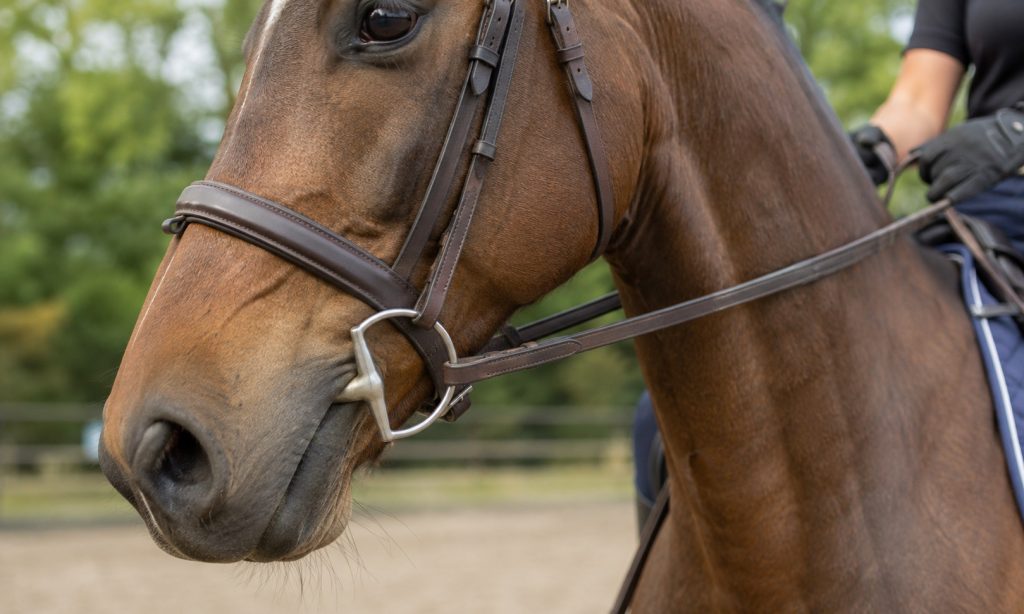
The Reinsman 251 is built for trail sense and steady control. The three‑piece sweet iron mouth with a copper roller keeps the mouth moist. That helps your horse relax and accept the contact. The D‑ring cheeks add lateral guiding for gates, switchbacks, and narrow tracks.
This bit sends clear signals without sharp action. The dog‑bone centerpiece softens the nutcracker effect. The copper roller gives a busy mouth something to play with, which can ease fuss on long rides. It is a strong pick if you use direct reining on the trail.
Pros:
- Sweet iron and copper promote salivation and a soft feel
- Three‑piece mouth reduces the nutcracker action
- D‑ring cheeks improve lateral control for tight turns
- Copper roller helps settle nervous or busy mouths
- Solid build stands up to miles and weather
Cons:
- Standard 5″ mouth may not fit very narrow or wide horses
- Sweet iron will darken and surface rust by design
- Not enough stopping power for strong, bracy pullers
My Recommendation
If you want the best horse bit for trail riding for green to broke horses, start here. It is mild, steady, and very clear to the horse. It shines with direct reining and riders with soft, active hands. I like it for long days, water stops, and busy camps where nerves run high.
It works for most trail needs, from simple loops to mountain treks. It leaves room to grow your horse’s education without over‑biting. If your horse respects the snaffle but needs focus, this one fits. It is, in many cases, the best horse bit for trail riding when you value trust and comfort.
| Best for | Why |
|---|---|
| Green or sensitive horses | Mild three‑piece mouth encourages relaxation and acceptance |
| Direct reining on twisty trails | D‑rings give steady lateral support for clear steering |
| All‑day rides | Copper roller and sweet iron keep the mouth moist and calm |
Pro Equine 4.5in D‑Ring Comfort Snaffle

This stainless D‑ring snaffle with a copper roller is a small‑mouth solution. The 4.5″ size suits petite horses and larger ponies that swim in a 5″. The comfort design aims for even pressure, simple cues, and low fuss. On the trail, that means fewer fights and more forward.
The copper roller helps a dry mouth, which is common on hot or windy rides. The D‑rings are stable and give you nice lateral direction. It is a budget‑friendly pick with useful features. For many riders, this checks the “simple and kind” box.
Pros:
- Ideal 4.5″ size for small‑mouthed horses and ponies
- Copper roller promotes moisture and focus
- Stainless build is durable and easy to clean
- D‑ring cheeks help steady the bit and prevent sliding
- Good value for everyday trail miles
Cons:
- Size range is limited if you need 5″+
- Single copper roller may not calm very busy mouths
- Too mild for horses that root or pull hard
My Recommendation
If you ride a small horse that swims in standard bits, this is a smart pick. It can be the best horse bit for trail riding for smaller mouths that need comfort and clarity. The mild action builds trust and reduces head toss or gape. Soft hands will see the best results.
Use it when you want a calm, steady ride with simple cues. It is easy to clean and hold, even for youth riders. If your horse is light and responsive, this bit keeps it that way. For many petite partners, it becomes the best horse bit for trail riding day in and day out.
| Best for | Why |
|---|---|
| Small horses or large ponies | 4.5″ mouth fits well and prevents sliding side to side |
| Calm, responsive mounts | Mild action rewards light hands and a soft mouth |
| Budget‑minded riders | Solid features and materials at an easy price |
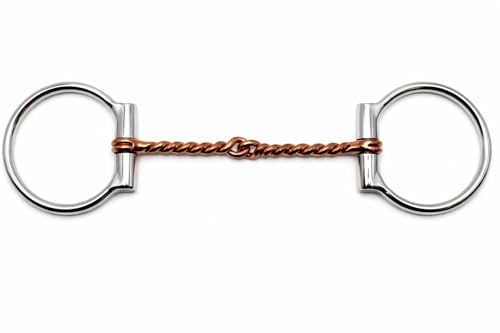
Pro Equine 4.5in Twisted Wire D‑Ring
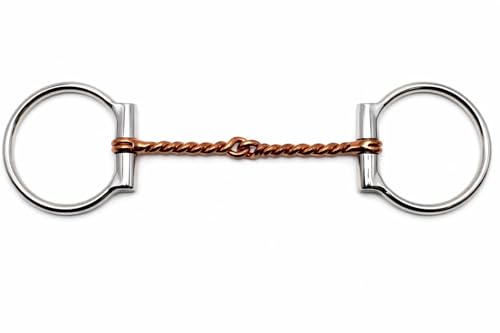
This twisted wire D‑ring is a sharper tool for specific needs. The twist increases pressure per surface area. That sends a fast, clear signal with light fingers. Used by skilled hands, it can tune through rooting, bracing, or barn‑sour habits.
It is not a beginner bit, and it is not a daily tool for a soft horse. On short rides, it can reset respect without a tug‑of‑war. The D‑ring cheeks keep it stable for direct reining and quick turns. Size is 4.5″, so it suits smaller mouths.
Pros:
- Sharper feel helps address heavy pulling or rooting
- D‑ring cheeks improve lateral control on tight trails
- Clear signals with light, educated hands
- Useful as a temporary tune‑up bit
- Stainless build resists rust and wear
Cons:
- Not for green riders or soft‑mouthed horses
- Can be harsh with heavy hands or constant pressure
- 4.5″ size limits fit to small‑mouthed mounts
My Recommendation
I suggest this for riders who need a brief, clear reminder for a strong pony or small horse. In the right hands, it can feel fair and precise. It is not the best horse bit for trail riding for most horses. But it can be the right short‑term fix when a milder bit is ignored.
If you use it, keep contact soft and release fast. Test in the arena, then try short trails before long days. Switch back to a milder snaffle once respect returns. Done this way, your horse stays happy, and you keep moving toward the best horse bit for trail riding for your pair.
| Best for | Why |
|---|---|
| Strong, bracy small horses | Twisted wire gives a quicker, clearer signal |
| Experienced riders | Requires soft timing and fast release to stay fair |
| Short tune‑up rides | Resets respect, then you can return to a milder bit |
Western 6in Futurity Bit w/ Copper Rollers

This Futurity‑style bit mixes comfort with a little leverage. The jointed swivel mouth can move with the horse and reduce pinch. Copper rollers keep the tongue busy and the mouth wet. For many broke Western horses, this style pairs well with neck reining on long rides.
The 6″ size suits broader mouths. Expect mild curb action that adds brakes without shock. With a curb strap set right, you get lift and flex with light cues. It is a nice bridge for horses that go soft in a snaffle but benefit from a curb outside.
Pros:
- Comfort joint and swivel mouth reduce pinch points
- Copper rollers encourage a wet, relaxed mouth
- Mild leverage improves brakes on steep or busy trails
- Good for neck reining and one‑hand riding
- 6″ mouth fits larger horses that need more room
Cons:
- Not ideal for green horses or novice riders
- Needs a curb strap and proper setup
- May not be allowed in snaffle‑only events
My Recommendation
Pick this if your horse respects a curb and you ride mostly one‑handed on the trail. It can be the best horse bit for trail riding for broke Western horses that like a soft, steady feel and a hint of leverage. I like it for hills, open land, and long jogs where a snaffle starts to feel busy.
Fit the curb strap so you can slide two fingers under the chin. Keep hands quiet. If your horse stiffens, check fit and tongue room. Used well, this becomes a smooth partner and, for many, the best horse bit for trail riding when you need calm stopping power.
| Best for | Why |
|---|---|
| Broke Western trail horses | Mild leverage plus rollers for calm, steady control |
| Neck reining riders | Shanks and swivel mouth pair well with one‑hand cues |
| Hilly or open terrain | Extra brakes without harsh action when set up right |
Bob Avila Western Correction Bit

This correction bit is a pro‑level tool for advanced, finished horses. It often features a ported mouth with hinged bars that offer tongue relief with curb action. It can lift shoulders, rate speed, and add stop with light movement. That can matter on steep grades or when a horse gets chargey.
Quality build and balance are the draw here. But it demands feel and timing. In the wrong hands, it gets too strong, fast. Use it on a horse that already knows curb cues and respects them. Then it can add polish to a well‑trained trail partner.
Pros:
- Precise control for finished horses
- Port can offer tongue relief when used well
- Leverage adds stop and rating with light cues
- Quality construction and balance
- Useful for short tune‑ups on seasoned mounts
Cons:
- Not for novice riders or green horses
- Can be severe with heavy, fixed hands
- Requires correct curb strap fit and rein handling
My Recommendation
Choose this only if you ride a broke horse that goes well in a curb and you have trained hands. It is not the best horse bit for trail riding for most riders. But for a finished Western horse that needs finesse and a light stop, it can be right.
Start in the arena, then test short loops. Confirm tongue space, curb chain lay, and even contact. If all checks out, this bit can keep your cues quiet and your horse light. For the right pair, that defines the best horse bit for trail riding on serious country.
| Best for | Why |
|---|---|
| Finished Western horses | Precise leverage and lift with minimal hand movement |
| Experienced riders | Demands timing and feel to stay fair and effective |
| Short tune‑ups | Resets respect, then go back to a milder bit |
How to choose the right bit for your trail horse
Trail miles test everything. Fit, feel, and fairness matter more than marketing words. Here’s how I choose the best horse bit for trail riding for real horses in real terrain.
Start with your horse. Ask, how soft is the mouth today? Does my horse root? Brace? Toss? Get fast downhill? Calm and responsive horses go best in simple snaffles. Sticky brakes can call for a little leverage.
Check the mouth. Measure corner to corner with a soft string. Add a quarter inch for clearance if you use rings. Thick lips or a low palate need a thinner bit for comfort. A small mouth may do better at 4.5″ than 5″.
Pick the mouthpiece. Three‑piece snaffles reduce nutcracker action. Copper and sweet iron promote salivation and a wet mouth. That helps the horse relax. Twisted wire ups pressure fast and calls for artful hands.
Choose the cheek. D‑rings stay stable and guide well. Loose rings move more and can pinch if not fitted right. Short shanks add leverage with a curb strap. They suit broke Western horses and light, neck‑reining hands.
Match the bit to your hands. If you ride with steady feel and fast release, mild bits shine. If you balance on the reins, even a snaffle can feel harsh. Train your hands. The best horse bit for trail riding works only as well as the hands that use it.
Think terrain. Steep downhills need brakes without fear. Busy camps need calm control at the walk. Water and wind can dry mouths. Copper rollers and sweet iron help here. Long rides ask for comfort first, control second.
Fit the bit right. One to two soft wrinkles at the corners is a good start. D‑rings should not crowd the lips. The bit should lie flat on the tongue with even contact. For curbs, set the strap so you can slide two fingers under the chin.
Test before you hit the trail. Try the bit in a small arena. Walk, jog, and lope. Test bends, stops, and backing. Your horse should blink, lick, and lower the neck. That shows the bit is clear and fair.
Have a plan for issues. If the horse tosses, check fit and tongue room. If the horse roots, lift with a bump then release. If the horse braces, circle and soften. Do not pull longer or harder. The best horse bit for trail riding rewards give and take, not tug‑of‑war.
Trail bit care and safety tips
A clean bit is a kind bit. Rinse after each ride. Dry the joints and cheek pieces. Sweet iron will darken and surface rust. That is normal and can improve taste.
Check joints and rings for sharp edges. Watch for loose pins or gaps that can pinch. Replace worn curb straps. Keep leather soft but strong. Safety lives in small details.
Carry a spare on longer rides. A simple snaffle and curb strap weigh little. They can save a ride if a bit breaks or a horse starts to fuss. Pack a small multi‑tool for quick swaps.
Respect the tongue and bars. Avoid constant pressure. Use clear cues and release. The horse learns on the release. That rule holds on every mile.
Fitting a new bit before the big ride
Plan a week ahead. Ride in the new bit at home. Keep sessions short. Watch for chewing, foaming, and a lower neck. That shows ease.
Try it on a short trail loop. Test brakes on a hill. Open and close a gate. Pass a buddy and drop behind. Your horse should stay soft and straight.
Make small tweaks. A hole up or down on the headstall can change everything. Recheck curb strap lay and twist. The right fit turns average into great.
If the bit fails, step back. Return to a known bit. Work on basics in the arena. Then test again. The best horse bit for trail riding grows from patient steps and fair timing.
FAQs of best horse bit for trail riding
What size bit should I use for trail riding?
Measure corner to corner across the mouth with a soft string. Add about 1/4″ for ring clearance. A 5″ bit fits many horses, but small mouths may need 4.5″, and larger mouths around 5.5″–6″.
Is a snaffle or curb better for the trail?
Most horses go best in a mild snaffle. Broke Western horses ridden one‑handed may prefer a short‑shank curb. Match the bit to the horse’s training and your hands.
Do copper or sweet iron mouthpieces help?
Yes. Copper and sweet iron promote salivation. A wet mouth helps relaxation and clear signals. That is useful on long, dry rides.
How tight should my curb strap be?
As a rule, two fingers should slide under the chin when at rest. Too tight feels harsh. Too loose delays signals and causes confusion.
How do I know I found the best horse bit for trail riding?
Your horse licks and blinks. The neck lowers. Stops and turns feel light. You use less hand and get more try, mile after mile.
Final Verdict: Which Should You Buy?
The Reinsman 251 3‑Piece Trail Dee Snaffle is my top pick. It balances comfort, clarity, and control. For most riders and horses, it is the best horse bit for trail riding.
Choose a bit that fits, then ride with feel. When comfort meets clear cues, every mile gets easier. That is the real secret to the best horse bit for trail riding.