
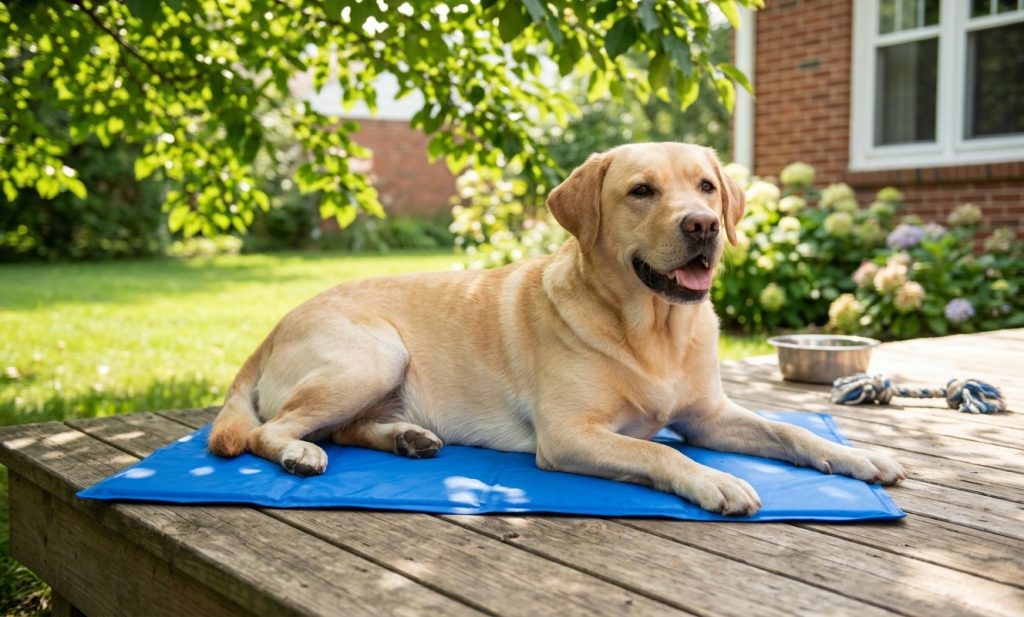
Summer is fantastic for barbecues and beach trips, but when the temperature spikes, our furry best friends often end up paying the price. Dogs don’t sweat like we do; they rely on panting and releasing heat through their paw pads to regulate their body temperature. When the humidity and heat climb, panting just isn’t enough. Because letting your dog turn into a panting puddle on the living room floor isn’t exactly peak pet parenting, providing a reliable cooling surface is an absolute must.
If you’re currently watching your golden retriever desperately try to dig a hole into your cool tile floor, you are probably hunting for the best dog cooling mat for summer. But before you grab the first blue pad you see on a shelf, you need to know exactly what you are bringing into your home. In this guide, we are breaking down exactly what to look for in dog cooling mat for summer, how they work, and how to keep your dog safe when the mercury rises.
The Impact of Summer Heat on Dogs
Dogs run considerably warmer than humans. Their normal body temperature hovers between 101 and 102.5 degrees Fahrenheit. Wrap that natural warmth in a permanent fur coat, and you can see why summer is rough on them.
When a dog gets too hot, their energy plummets. They seek out shade, refuse to play, and might even lose their appetite. Prolonged exposure to high temperatures isn’t just uncomfortable—it can be downright dangerous, leading to heat exhaustion or fatal heatstroke. Providing a designated cooling zone gives your dog a safe place to lower their core temperature independently.
Signs of Heat Exhaustion: When to Visit a Vet
It is crucial to know the difference between a dog that is just hot and a dog that is in medical distress. If you notice any of the following symptoms, forget the cooling mat and get your dog to a veterinarian immediately:
-
Heavy, frantic panting accompanied by a wide, flat tongue.
-
Excessive drooling that is thick or ropey.
-
Bright red or pale gums and tongue.
-
Lethargy, weakness, or staggering when walking.
-
Vomiting or diarrhea.
FYI: Heatstroke can happen in a matter of minutes, especially in humid conditions or if a dog is left in a hot car. Never underestimate the summer sun.
What to look for in dog cooling mat for summer?
So, you’ve decided to invest in a cooling pad. Good call. But the market is flooded with different designs, materials, and technologies. Knowing what to look for in dog cooling mat for summer is the difference between buying a lifesaver and buying an overpriced, chewable frisbee.
Here are the core factors you must consider.
1. Cooling Technology (How it Works)
The most critical aspect of what to look for in dog cooling mat for summer is the actual cooling mechanism. Not all mats chill the same way.
-
Pressure-Activated Gel Mats: This is the most popular style. The mat is filled with a non-toxic polymer gel (often carboxymethyl cellulose). When your dog’s weight presses on the mat, it activates an endothermic reaction that pulls heat away from their body, cooling them down for up to 3-4 hours. Once the dog gets up, the mat naturally “recharges” after about 20-30 minutes.
-
Water-Cooled Mats: These act like a tiny waterbed for your pet. You fill them with cold tap water, which absorbs and dissipates your dog’s body heat. They are highly effective indoors but can get heavy. IMO, they aren’t great for travel because you have to empty and refill them constantly.
-
Evaporative Mats: These are usually made of special sponge-like microfiber. You soak the mat in cold water, wring it out, and let the evaporation process draw heat away. They are lightweight but will leave your dog’s fur slightly damp.
-
Elevated Airflow Cots: While not technically a “mat,” raised beds with breathable mesh fabric allow air to circulate completely under the dog, wicking away body heat.
2. Size and Fit
Another major factor regarding what to look for in dog cooling mat for summer is getting the dimensions right. If the pad is too small, your dog won’t be able to stretch out, meaning their core won’t cool efficiently. If it is too large, it might not fit in their crate or the back of your SUV. Always measure your dog while they are lying down in their fully stretched-out sleeping position, and add a few inches to the length and width just to be safe.
3. Material Durability and Puncture Resistance
Dogs have claws. Some dogs like to dig or “nest” before they lie down. When considering what to look for in dog cooling mat for summer, you absolutely must check the exterior material. Look for thick, puncture-resistant nylon or heavy-duty PVC. If you have a puppy that chews on everything in sight, a gel mat might be a risky bet—if they puncture it, the gel will leak out.
4. Portability and Storage
Do you travel often? Do you take your dog camping or to outdoor cafes? If so, what to look for in dog cooling mat for summer shifts heavily toward portability. Gel mats fold up beautifully and slide right into a tote bag. Water-filled mats, on the other hand, are a nightmare to transport when full.
5. Ease of Cleaning
Pets are messy. Muddy paws, drool, and shedding hair are part of the deal. A good cooling mat should be effortless to wipe down. Smooth PVC or vinyl covers can usually be cleaned with a damp cloth and mild soap. Avoid anything that requires a specialized washing machine cycle if you want to keep your life simple.
How to choose the right dog cooling mat for summer
Understanding what to look for in dog cooling mat for summer is great, but applying it to your specific dog is where the magic happens. How to choose the right dog cooling mat for summer comes down to your dog’s lifestyle and age.
-
For the Senior Dog: Older dogs with arthritis benefit heavily from pressure-activated gel mats. The gel provides a slight cushioning effect that relieves joint pressure while simultaneously soothing inflamed areas with cold therapy.
-
For the Heavy Chewer: Avoid gel and water mats entirely. A bored, aggressive chewer will destroy a gel pad in ten minutes flat. Instead, look into elevated mesh beds or heavy-duty airflow mats that have no liquid or chemical components to ingest.
-
For the Traveler: Evaporative microfiber mats are brilliant for hiking. You can wet them with a water bottle on the trail, and they weigh almost nothing in your backpack.
How often should you use or replace dog cooling mat for summer
A common question among pet owners is how often should you use or replace dog cooling mat for summer.
Usage: You can leave a pressure-activated gel mat out all day. Because they do not drop to freezing temperatures, there is no risk of your dog getting too cold or getting frostbite. Let your dog regulate themselves; they will naturally step off the pad when they feel comfortably chilled.
Replacement: With proper care, a high-quality mat should last 2 to 3 summer seasons. However, you should replace the mat immediately if you notice any tears, leaks, or if the gel seems to have dried up and crystallized inside the casing. Inspect the mat weekly for tiny claw punctures.
Are Cooling Mats Safe? (The Truth About the Gel)
One of the biggest concerns regarding what to look for in dog cooling mat for summer is safety. Most modern gel mats use 100% non-toxic ingredients (like water and polymer gels). However, “non-toxic” does not mean “edible.”
If your dog ingests the gel, it likely won’t poison them, but it can cause severe gastrointestinal upset, vomiting, or even a bowel obstruction requiring surgery :/. If you know your dog is a destructive chewer, do not leave them unattended with a gel-based cooling pad.
Training Your Dog to Use a Cooling Mat
You bought the perfect mat, placed it on the floor, and your dog completely ignores it to go pant on the rug. Classic.
Don’t force them onto it. Instead, place the mat in their favorite resting spot. Toss a few of their favorite high-value treats onto the surface. Let them step on it to retrieve the treat, allowing them to feel the cooling sensation on their paw pads. Praise them when they choose to lay on it. Once they realize the mat is the coolest spot in the house, you won’t be able to get them off it.
Other Related Options to Beat the Heat
If a cooling pad isn’t cutting it, or you want to stack your cooling strategies, here are a few other options to explore:
-
Cooling Vests: Great for walks. You soak the vest in water, and it uses evaporative cooling to keep their chest and vital organs chilled while moving.
-
Kiddie Pools: A cheap, hard-plastic wading pool filled with a few inches of water in the shade is paradise for a water-loving breed like a Labrador.
-
Frozen Treats: Stuff a durable rubber toy with plain yogurt, dog-safe peanut butter, and mashed bananas, then freeze it overnight.
Frequently Asked Questions
Do I need to put a pressure-activated gel mat in the freezer?
No. One of the best things about what to look for in dog cooling mat for summer is finding a gel mat that works at room temperature. Putting them in the freezer can actually freeze the gel solid, making the mat hard, uncomfortable, and prone to cracking.
Can I use a cooling mat outside?
Yes, but with caveats. If you place a gel mat in direct sunlight, it will absorb the ambient heat from the sun and actually become hot. Always place cooling mats in a fully shaded area if used outdoors.
Why is my dog’s cooling mat no longer cold?
Gel mats absorb your dog’s body heat. After a few hours, the mat will reach thermal equilibrium with your dog and stop cooling. The dog needs to get off the mat for 20-30 minutes so the gel can release the stored heat into the air and recharge.
Are human cooling blankets safe for dogs?
They are safe to lay on, but they usually aren’t durable enough to withstand dog claws. Stick to products designed specifically with pet durability in mind.
Can puppies use cooling mats?
Yes, but supervise them closely. Puppies are notorious chewers and are at a much higher risk of tearing a gel pad open.
Final Words
Keeping your pet safe during the brutal dog days of summer doesn’t have to be a stressful endeavor. By understanding exactly what to look for in dog cooling mat for summer—focusing on the right cooling technology, ensuring proper sizing, and prioritizing durable materials—you can provide immediate, soothing relief for your furry companion.
Whether you opt for a pressure-activated gel pad for the living room or an evaporative mat for the hiking trail, making an informed choice ensures your pet stays happy, healthy, and hydrated. Take your time comparing options, match the product to your dog’s chewing habits and lifestyle, and you will easily find the best dog cooling mat for summer to keep those tails wagging all season long. Stay cool out there!









