
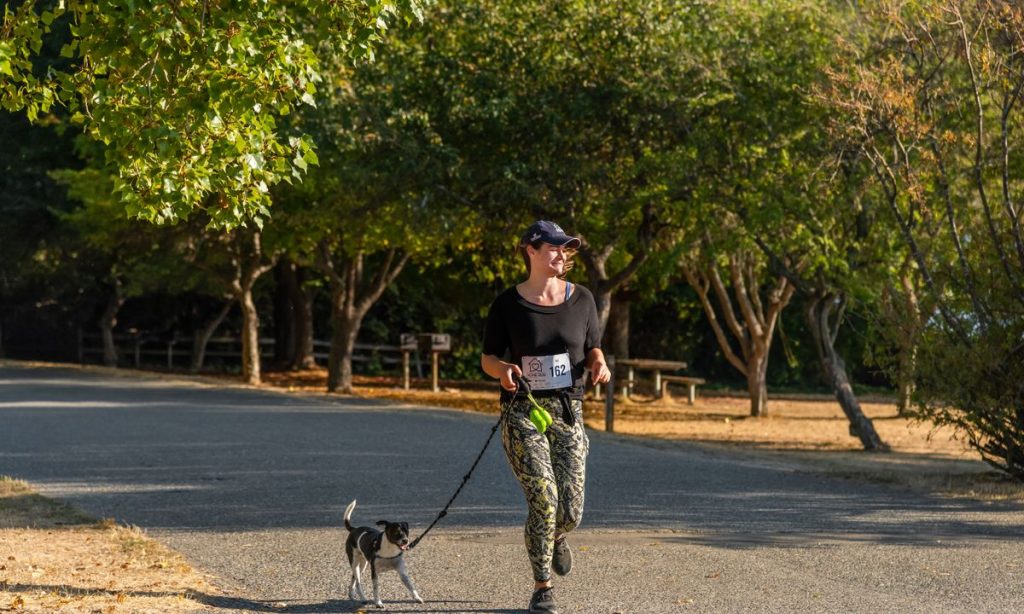
Running with your dog can be more enjoyable when your hands are free to swing naturally. However, attaching a leash around your body creates different handling challenges. A sudden sideways pull can interrupt your stride or affect your balance. Understanding what to look for in hands free dog leash for running helps you weigh comfort against practical control. Start with the belt’s stability, the leash’s working length, and the strength of every attachment. Consider how the equipment moves with your dog, not just how it feels while standing still. Your dog’s fitness and leash manners matter just as much as the hardware. This guide explains essential features, safe fitting, useful training checks, and signs of wear. It also covers when to replace the leash and when a hand-held option may be safer. The goal is a controlled, comfortable run for both of you, not simply keeping your hands empty.
How a hands-free running leash works
If you are exploring the Best Hands Free Dog Leash for Running, understanding fit, control, and running safety first can help you make a more informed decision.
Most systems connect a leash to a waist belt or a lower hip belt. The dog remains attached while your arms move freely. Some lines are flat. Others contain elastic sections designed to stretch under tension. A wider belt may spread pressure across more of your body. These details affect comfort, but none can eliminate the consequences of a sudden lunge. You still need to watch the dog and the path.
Consider what happens when your dog crosses behind you, stops unexpectedly, or sees another animal. A line connected to your torso may pull you sideways before you react. That is why testing matters. A leash suitable for calm jogging beside a trained dog may be unsuitable for a reactive dog on a crowded sidewalk. Hands-free should never mean attention-free.
What to look for in hands free dog leash for running: key features
Stable belt placement and comfortable fit
The first priority is a belt that stays where you position it. Tighten it according to the maker’s guidance. Walk, turn, and jog in place before attaching your dog. A loose strap may climb toward your ribs or twist under load. A belt that digs into your back or abdomen is also a poor match. Position varies by design, so do not assume every running belt should sit at your natural waist.
A careful approach to what to look for in hands free dog leash for running includes measuring your waist or hips before checking a belt’s adjustment range. Consider the clothing you wear in different seasons. Padding can improve comfort, but it cannot fix a buckle that loosens. If you have balance, back, or hip concerns, get appropriate professional advice before running with a dog attached to your body.
Secure clasps, stitching, and connectors
Inspect the complete path that holds tension. Examine stitches near attachment loops, the belt buckle, connecting rings, and the leash clasp. They should look intact and operate predictably. A swivel can reduce twisting, especially when your dog switches sides. Rough hardware may abrade fabric over time. Practice opening and closing the clasp while stationary. Never assume a convenient release feature is automatically fail-safe.
Appropriate leash length and slack
The right working length allows natural movement without hanging near your shoes. Too much slack may tangle around your legs or trail across a busy path. Too little can create constant tension on the dog. Check the distance when your dog is beside you, ahead of you, and changing position. Include the full stretched length if the leash contains elastic.
When comparing what to look for in hands free dog leash for running, factor in the rules of your usual routes. Many national parks require a leash no longer than six feet. Individual locations also restrict where dogs may go. Check local rules rather than assuming an advertised leash length is always permitted. In crowded areas, shorter control often matters more than extra roaming room.
Elasticity and practical control
A bungee section may soften small changes in tension as you and your dog adjust pace. It does not remove pulling force. Stretch also gives the dog more room to move before the line becomes taut. That can be inconvenient near bicycles, intersections, or wildlife. Try gathering the line quickly while walking. If its stretch makes immediate control difficult, consider a different arrangement.
Harness fit and freedom of movement
Check the dog’s side of the system, too. A secure harness should allow comfortable shoulder movement and normal breathing. Straps should not rub behind the front legs or ride into the throat when tension changes. A collar can place pressure directly on the neck during sudden pulls. If your dog backs out of harnesses, read this guide on how to choose the right escape proof dog harness.
Visibility and ease of handling
Reflective details may help when illuminated by headlights or flashlights. They do not guarantee visibility in darkness. Use appropriate visible clothing and choose routes with good sight lines. Check whether the line bounces, rubs, or catches on clothing. A conveniently placed control handle may help you shorten the leash when people approach. The system should remain easy to manage during ordinary movement.
This practical test is central to what to look for in hands free dog leash for running: can you slow down, hold the line briefly, and pass another trail user without stumbling? A simple and dependable design is preferable to complicated features that distract you. Test every adjustment before moving faster. If the leash regularly crosses your legs, change the setup or return to a hand-held leash.
How to choose the right hands free dog leash for running
Start with your dog’s leash manners
A calm dog that stays beside you needs different handling from one that chases squirrels or lunges at other dogs. Practice walking on a loose leash first. Reward calm position changes and responses to simple cues. Increase distractions gradually. A hands-free belt can support a trained routine, but it cannot teach that routine by itself. For unpredictable lunging, use a setup you can safely control while seeking qualified training support.
Match your dog’s fitness to the activity
A leash cannot determine whether a dog is ready for running. Young dogs may still be developing. Older dogs or those with heart, respiratory, joint, or other health conditions may require exercise limits. Short-muzzled dogs can face particular heat and breathing challenges. Discuss regular running with your veterinarian if your dog’s age, medical history, or physical condition raises questions.
Start with short, easy sessions and observe the dog afterward. Enthusiasm does not always equal endurance. Increase distance only when your dog remains comfortable and recovers normally. Our article on how many minutes a day should a hyper dog run offers additional exercise context. An individual fitness plan matters more than using a fixed number of minutes for every dog.
Run a short fit-and-control test
Use a quiet, low-distraction area. Attach the harness and belt, then walk while changing directions gently. Stop and restart. Check that the line stays clear of your feet. Jog briefly at an easy pace only after walking feels stable. Any painful pressure, slipping, bouncing, or loss of control means the setup needs adjustment. If adjustment fails, choose a different handling method.
The strongest answer to what to look for in hands free dog leash for running is a leash that remains predictable when your dog changes pace. Practice taking the line in your hand before approaching a narrow passage. Repeat the test in the actual clothes and shoes you wear for running. Do not make a busy trail your first equipment trial.
Set up the system before each run
Inspect and connect
Look closely at the leash webbing, stitching, buckle, and clasp. Check both ends for damage or unusual wear. Verify that the harness still fits. Attach the connection without twisting the line, then apply gentle tension by hand to confirm the clasp has closed. Keep the leash untangled before moving. If any structural component is damaged or uncertain, do not use it.
Practice starts, stops, and turns
Let your dog settle at a walking pace before running. Ask for a slow start. Keep the line away from your shoes and avoid letting it droop between your legs. Use practiced cues when you need to stop or change direction. A runner must remain ready to slow down, shorten the line, or abandon the run. Both hands being available should improve control, not replace it.
Plan a suitable route
Choose a route with room to pass safely and enough visibility to anticipate cyclists, wildlife, and other dogs. Some parks prohibit pets on certain trails even when they are leashed. Read the applicable rules before traveling. Give other people space, and shorten the line when necessary. If the surroundings become crowded or unpredictable, walk rather than forcing a jogging pace.
Weather, paws, and other safety checks
Heat and humidity can make exercise dangerous for dogs. Watch for unusually heavy panting, weakness, vomiting, excessive drooling, or collapse. Suspected heatstroke is an emergency requiring immediate cooling and urgent veterinary care. Avoid strenuous exercise in risky conditions. Offer water and frequent breaks. A shaded, shorter route is preferable to insisting on completing a distance goal.
Check pavement temperature before you start. Asphalt, sand, and artificial turf can become dangerously hot. For more context, read how hot asphalt gets at 90 degrees and the guide to recognizing burned paw pads. Watch for limping, slowing down, or reluctance to continue. Stop and seek veterinary care when there are signs of injury.
Carry enough drinking water for the conditions and plan where to take breaks. The considerations in choosing a portable dog water bottle for hiking can also help on running routes. Avoid assuming your dog will tell you clearly when it needs rest. Monitor breathing, movement, and alertness, particularly as the weather warms.
How often should you use or replace hands free dog leash for running?
There is no universal replacement schedule for running leashes. A healthy, trained dog may tolerate regular outings, but exercise frequency depends on fitness and veterinary considerations. Inspect the gear before every run regardless of how recently you bought it. A system used on rough trails, in wet conditions, or with repeated hard pulls may wear differently from one used occasionally.
When evaluating what to look for in hands free dog leash for running, replace damaged equipment promptly. Warning signs include frayed webbing, broken stitches, cracked plastic, a sticking clasp, excessive corrosion, or elastic that no longer returns normally. Examine high-friction areas near the belt and rings. Do not patch critical attachment points with tape or improvised knots. If you cannot confirm the equipment remains secure, retire it.
Cleaning and storage
Brush away grit and follow the maker’s cleaning guidance. Let damp fabric dry before storing it. Keep the leash away from chewing, harsh chemicals, and excessive heat. Inspect after a strong pull, snag, or fall. Routine checks are especially useful when hardware rubs against other surfaces. Maintaining a clean leash makes small defects easier to notice.
Mistakes worth avoiding
When weighing what to look for in hands free dog leash for running, focus on predictable handling rather than extra features. Try the system at walking speed, check route rules, and pay attention to your dog’s comfort. Choose a hand-held leash when it provides better control. There is no benefit to remaining hands-free if you cannot stop or redirect your dog safely.
Frequently Asked Questions
Can any dog safely use a hands-free running leash?
No. Readiness depends on health, age, fitness, and behavior. A dog that lunges unpredictably may create an unacceptable fall risk. Puppies and dogs with medical conditions may need restricted exercise. Ask your veterinarian when health or development is a concern.
Is a bungee leash always better for running?
No. Elastic can moderate small tugs, but it also allows additional movement. A flat line may offer more predictable distance control in tight spaces. Neither design prevents injury or replaces training. Test the setup on a quiet walk first.
Should I attach the leash to a collar or a harness?
A secure, well-fitted harness generally avoids concentrating sudden running tension on the dog’s neck. It should allow shoulder movement and comfortable breathing. If your dog has neck, spine, or mobility concerns, ask your veterinarian which attachment is suitable.
How tight should the running belt feel?
It should remain stable without causing pain, breathing restriction, or rubbing. Correct placement depends on the design. Test it while walking and jogging without the dog attached. If the belt repeatedly rides up or loosens, reconsider the fit.
When should I replace a running leash?
Inspect it before every run and after unusual strain. Replace it when load-bearing stitches, webbing, buckles, connectors, or elastic appear damaged or unreliable. No single calendar interval applies to every leash. Follow the maker’s care instructions and avoid improvised structural repairs.
A final check on what to look for in hands free dog leash for running is whether the leash remains comfortable and controllable after several minutes of ordinary walking. This low-speed check helps uncover problems before they affect a run.
Final Words
Knowing what to look for in hands free dog leash for running means balancing belt fit, line length, connection strength, dog comfort, and the routes you actually use. Check the equipment before each run. Build control and fitness gradually, and replace worn gear rather than taking chances. For a separate comparison-focused article, visit Best Hands Free Dog Leash for Running. This guide is intended to help you use a running setup responsibly.









