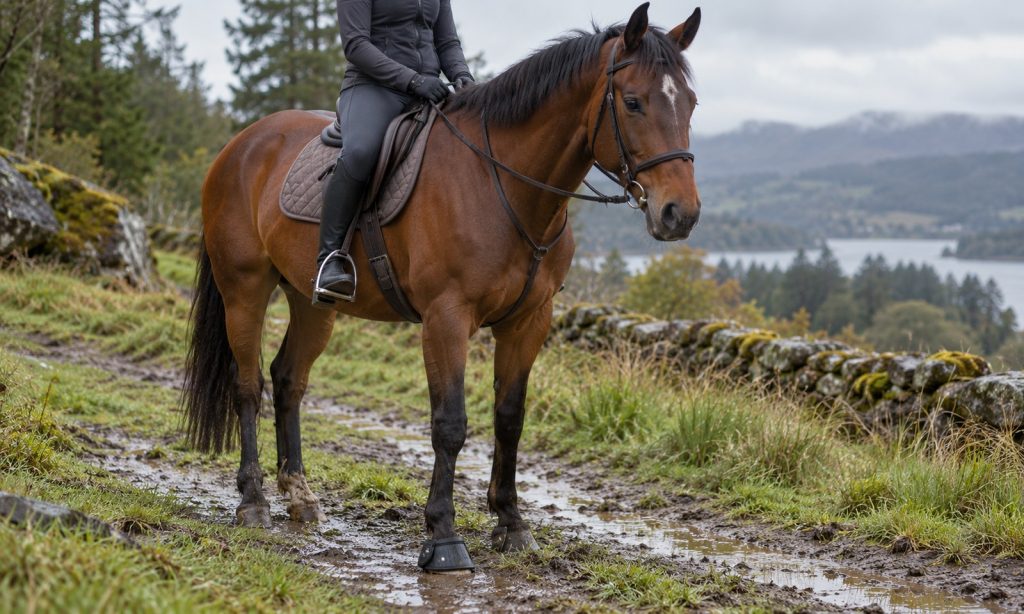
Muddy ground can challenge a hoof boot’s fit, closure, and ability to stay in place. The right choice depends on hoof shape and the kind of riding. Mud depth and the boot maker’s sizing method also matter. No outsole claim guarantees safe footing in every condition. This guide compares seven hoof boots, including trail designs, flexible styles, and options described for temporary protection. It also points out where product details are limited, so you can compare listings with care. Measure each hoof and check current fit instructions before ordering. Start with a short trial and inspect for grit or rubbing. Ask your farrier if you are unsure whether a boot suits the horse.
Quick Picks
These selections cover distinct hoof boot designs and use cases. “Best for” describes a practical comparison, not a guarantee of fit or performance.
| Product | Best For | Key Advantage | Buy | |
|---|---|---|---|---|
| Easyboot Trail Original Hoof Boots – Easy On/Off, Durable Polyurethane Sole, Hook & Loop Closure, Hoof Protection for Light to Medium Riding, Secure Fit Through Trim Cycle – Pair (4) | Best Wide-Opening Trail Boot | Wide opening, hook-and-loop closure, polyurethane sole, drainage holes, and a pair format are listed. | View on Amazon | Jump to Review |
| Cavallo Simple Regular Sole Hoof Boots 0 Black | Best Leather Upper | Leather upper, regular sole shape, front fastening, and multiple uses are described. | View on Amazon | Jump to Review |
| Easyboot Glove Soft Hoof Boot for Horses, Neoprene, Elastic Gaiter, All-Terrain Tread (2) | Best Flexible Neoprene Boot | Neoprene layers, elastic gaiter, and an all-terrain tread are listed. | View on Amazon | Jump to Review |
| Equine Fusion Active Jogging Shoe Flexible Hoof Boots for Horses Front Feet | Soft Ride Horse Boots, Protection All Purpose Horse Boots for Trail and Sport Riding, Regular and Slim Sizes, Sold in Pairs | Best Flexible Mud-Traction Sole | A flexible sole and tread are described for mud, gravel, sand, and hard surfaces. | View on Amazon | Jump to Review |
| Dura-Tech Protective Rubber Horse Boot | Ultimate Hoof Protection | Ideal Between Trims or Lost Shoes | Easy Slip-On Style | Secure 1″ Wide Adjustable Strap | Non-Slip Traction Bottom | Size Large | Best Interim Protection | A rubber boot with an adjustable strap is listed for use between trims or after a lost shoe. | View on Amazon | Jump to Review |
| IEUDNS Horse Hoof Protectors Black Boots with Rigid Outer Form and Textured Sole for Enhanced Traction Suitable for Muddy Ground and Appointments, S | Best Basic Muddy-Ground Cover | A rigid outer form, textured sole, and adjustable strap are named in the listing. | View on Amazon | Jump to Review |
| Shgxjjnb 2 Pack Hoof Boots for Horses, Horse Hoof Boots, Rubber Horse Boots, Ultimate Hoof Protection, Suitable for Trimming and Protecting Horseshoes | Best Simple Rubber Pair | The listing describes rubber construction, anti-slip soles, quick fastening, and wipe-clean surfaces. | View on Amazon | Jump to Review |
Easyboot Trail Original Hoof Boot

What We Like
- Wide opening eases application
- Rear double hook-and-loop closure
- Polyurethane sole with trail tread
- Drainage holes; sold in pairs
What We Don’t Like
- Listed for light-to-medium mileage
- Drainage holes do not replace post-ride cleaning
Easyboot Trail Original is presented as a light- to medium-use riding boot with a wide opening for easier application. Its rear double hook-and-loop closure avoids a buckle, while the polyurethane sole is intended for traction across varied ground. Product details also mention a front shield and built-in drainage holes. Drainage may be useful when a boot encounters wet trail conditions, but it does not make fit optional. Mud can still pack around a hoof or closure. Measure the horse after a trim and follow the manufacturer’s instructions for this boot style. A correctly fitted boot is more important than a general claim of all-terrain use. The openings also need inspection after every wet ride.
This easy-on style may suit casual trails. The listing positions it for light-to-medium riding, not every discipline or mud depth. Check whether the pair includes the required sizes and whether the horse needs boots on two or four feet. Inspect closures and interior surfaces after each ride, especially when grit or mud has entered. The product page lists drainage openings. Still, remove and clean the boot after wet use, then check the hoof for debris or rubbing. Consider it when the horse’s measurements and intended mileage fit the maker’s guide. If the boot shifts, twists, or collects mud, stop and reassess the size and use. Confirm the closure stays secure through a few turns, then remove the boot after the trial.
My Recommendation
The wide opening and drainage details make this model worth comparing for light-to-medium trail use. Measure carefully and check the closure after a short walk. It may not suit every discipline or mud depth, so inspect the hoof after each wet ride and stop if the boot shifts.
Cavallo Simple Regular Sole Hoof Boot

What We Like
- Leather upper
- Lightweight construction is listed
- Simple front hook-and-loop fastening
- Listed for trail riding, rehab, and transport
What We Don’t Like
- Regular sole may not suit every hoof shape
- Leather needs care after muddy use
The Cavallo Simple is a leather-upper hoof boot with a regular sole shape and front hook-and-loop fastening. The product listing describes it for barefoot hoof protection, trail riding, rehabilitation, and transport. Its front closure may suit owners who want a familiar application routine. The leather upper differs from neoprene or molded rubber styles. Muddy use depends heavily on a secure fit and the horse’s hoof shape. Before ordering, measure each hoof and check whether the regular sole matches the manufacturer’s size guidance. Cavallo’s official hoof measurement instructions explain the fit process. Review fit after trimming changes.
The tradeoff is that leather needs inspection and care, and a regular shape may not be right for every hoof. Do not assume that the size used in another boot transfers to this model. Mud can add weight and work into openings, so remove the boot after exposure and examine the hoof, closure, and interior for grit. The listing uses broad multi-purpose language; that does not mean the boot is appropriate for every horse, gait, or duration. Ask a hoof-care professional if you are unsure about sizing or the horse’s needs. This option is worth comparing when you want a leather upper and can follow the fit and maintenance instructions. Choose a different style if the hoof does not match the regular sole. Keep the manufacturer’s size chart available when fitting the boot. Keep the manufacturer’s measurement guide handy during fitting.
My Recommendation
Consider the Simple if a leather upper and front fastening fit your routine. Confirm that the regular sole matches the horse’s measurements, since boot sizes do not transfer across styles. Clean and inspect the leather after mud, and ask a farrier if fit remains uncertain.
Easyboot Glove Soft Hoof Boot

What We Like
- Dual neoprene layers
- Reinforced elastic gaiter
- Rugged all-terrain tread
- Streamlined profile is designed to limit debris catch
What We Don’t Like
- Close-fitting design calls for careful sizing
- Gaiter needs inspection after wet, gritty rides
Easyboot Glove Soft uses a close-fitting profile with a neoprene body and an elastic gaiter, according to the product details. The tread is described for varied terrain, while the flexible construction is intended to follow the hoof’s movement. Its streamlined shape may appeal to riders who want less bulk around the hoof than some wider-shell designs. However, a close-fitting boot depends on careful measurement and appropriate hoof preparation. EasyCare provides a separate application guide for this model; follow that guide rather than using a generic size chart. Check the hoof after a short initial trial, particularly in damp conditions when grit or mud might collect around the gaiter. Recheck sizing when the trim changes.
This is a more fit-sensitive option than a roomy slip-on boot, so it is not the easiest choice to order by guesswork. The maker’s fitting guidance should control, and a hoof that falls outside the boot’s shape may need a different style. Mud can hide early signs of rubbing, so remove the boot after use and inspect the skin, hoof, gaiter, and closures. The listing describes a pair and broad trail or arena use, but fit and riding suitability still depend on the individual horse. Compare it if a flexible, close profile is your priority and you can confirm fit with the official application instructions. If the boot is hard to apply or shifts during a walk, stop and get help with fit.
My Recommendation
This close-fitting style may suit riders seeking a flexible neoprene boot, provided the hoof matches its sizing guide. Follow the model-specific application instructions. A short trial can reveal shifting or rubbing; remove it after wet use and inspect the gaiter and hoof.
Equine Fusion Active Jogging Shoe

What We Like
- Flexible rubber sole
- Tread listed for mud, gravel, sand, and hard ground
- Adjustable smart-lock closure
- Slim and regular sizes; sold in pairs
What We Don’t Like
- Tread claims do not establish grip in every mud depth
- Slim or regular shape must match the hoof
Equine Fusion Active Jogging Shoe is marketed as a flexible hoof boot with a rubber sole and tread for several surfaces, including mud. The listing describes an adjustable closure and pair format, with regular and slim sizes. A flexible sole may be appealing for a horse that needs protection while retaining more natural movement than a rigid shell provides. The product is also promoted for trail and sport riding, but suitability depends on correct sizing, hoof shape, and the horse’s work. Measure both front and hind hooves separately and consult the current size instructions. Begin with a short, controlled trial to check whether the boot stays centered and the horse moves comfortably. Pay attention to how mud changes the fit.
The listing’s broad traction claims do not guarantee grip in every depth or type of mud. Deep suction mud can challenge many boot designs, and loose or poorly fitted boots may twist or come off. Check the inside for packed material and examine the hoof and pastern after each early ride. The adjustable closure adds a fit step, so confirm it can be secured without pressure points. These boots are sold in pairs, and the listing indicates different sole shapes; confirm the exact version before ordering. This option may suit an owner seeking a flexible outsole for mixed surfaces. Avoid relying on marketing descriptions alone when deciding whether conditions are safe for a ride.
My Recommendation
The Active Jogging Shoe is worth comparing for its flexible sole and adjustable closure. Confirm slim or regular shape for each hoof, then test the fit at a walk. Product claims do not guarantee traction in every mud condition, so use judgment about the route.
Dura-Tech Protective Rubber Horse Boot
What We Like
- One-inch adjustable web strap
- Slip-on design
- Rubber traction bottom
- Listed for between trims or after lost shoes
What We Don’t Like
- Listing frames it as interim protection, not an extended trail boot
- Size-specific listing calls for careful measurement
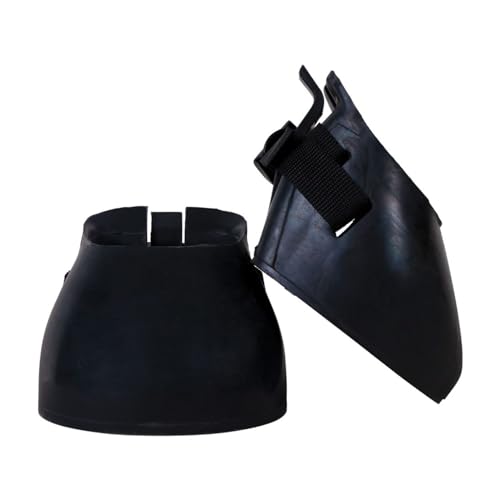
Dura-Tech Protective Rubber Horse Boot is described as an easy slip-on boot with a one-inch adjustable strap and a rubber traction bottom. The listing positions it for temporary hoof protection between trims or after a horse loses a shoe. That narrower purpose makes it useful to compare for stable management, transport, or a short-term fit question. It is not presented as a specialized trail boot for prolonged muddy riding. Confirm the size and current product instructions before use, and consult your farrier or veterinarian if a shoe has been lost or the hoof is sore. Check the boot after a brief trial to see whether it stays in place. Keep its temporary role in mind.
The product’s interim-protection focus is important: do not assume its traction sole makes it suitable for long rides through mud. A temporary boot can shift, trap moisture, or rub if left on without monitoring. Remove it regularly and check the hoof, coronary band, and strap area. The listing gives a size-specific title, so compare measurements carefully rather than selecting by breed or shoe size alone. Ask a hoof-care professional how long and in what circumstances it should be used for your horse. Consider this model for short-term protection when directed and when its shape matches the hoof. Choose a purpose-built riding boot if the plan involves trail mileage, water, or deep mud. Follow the current fit chart and temporary-use instructions.
My Recommendation
This boot is best considered for the temporary protection described in its listing, such as between trims or after a lost shoe. It is not presented as a long-ride mud boot. Confirm the size and ask your farrier how and when to use it.
IEUDNS Horse Hoof Protectors

What We Like
- Black polyurethane pair
- Rigid outer form
- Textured sole
- Adjustable woven strap
What We Don’t Like
- Listing provides limited size guidance
- Riding duration is not clearly specified
IEUDNS Horse Hoof Protectors are listed as a pair of black polyurethane boots with a rigid outer form, textured sole, and adjustable strap. The product description emphasizes keeping dampness and debris away and mentions muddy ground. That makes the model relevant to this comparison, but its available specifications are less detailed than those of established riding boot lines. The listing does not provide enough information to assume a specific discipline, ride duration, or fit range. Before buying, confirm the actual sizing chart, materials, return policy, and care directions. Try the boot under supervision on a safe, level surface, and check for movement or pressure before considering any ride. Verify the seller’s stated pair contents.
The main limitation is sparse product documentation. A textured sole and muddy-ground claim cannot establish safe traction in all conditions, and a rigid shell may not match every hoof shape. Look closely for rubbing, twisting, debris entry, or changes in the horse’s stride during a short trial. Remove the boots after use and clean both the hoof and interior. If the seller cannot confirm sizing or intended use, ask a farrier or equine professional before relying on the product. This may be a lower-cost option for someone willing to verify details and inspect fit carefully. Choose a better-documented model if you need clear riding instructions, a known fit system, or substantial trail use. Confirm the seller’s size chart and intended use before riding.
My Recommendation
The rigid shell and adjustable strap may appeal for basic coverage, but the listing gives limited fit and riding details. Verify the size chart and intended use before buying. Try it under supervision on level ground, and choose a better-documented style for demanding trail use.
Shgxjjnb 2 Pack Horse Hoof Boots

What We Like
- Rubber construction
- Anti-slip sole design
- Quick on/off fastening
- Wipe-clean surface per listing
What We Don’t Like
- Model-specific fit guidance is limited
- Deep-mud use is not clearly detailed
Shgxjjnb 2 Pack Hoof Boots are described as rubber boots with an anti-slip sole and a quick fastening system. The product listing mentions riding, turnout, recovery, and rough-terrain protection. It also says the smooth material wipes clean with water. Those details make the pair easy to compare for routine care, but the listing provides limited guidance on boot fit and use in deep mud. Check sizing, exact contents, and the current care instructions before ordering. If you try them, start on a level surface and observe the horse at a walk. A short initial check can reveal whether the boot stays centered or needs adjustment. Get clear measurements before committing to a pair.
The broad product claims do not establish suitability for long-distance riding or every hoof shape. Rubber may be straightforward to wipe down, but inspect the interior after muddy use and dry the boot fully before storage. Watch for slipping, twisting, or rubbing, and stop using the boot if the horse changes its stride. Ask the seller for a usable size chart and verify whether the pair is intended for front or hind hooves. A farrier can help assess fit when the size is unclear. Consider this as a basic rubber style only after confirming its details. A named manufacturer with a detailed fit guide may be preferable when the horse needs repeated use on challenging terrain. Check each strap before use and clean the inner surface afterward.
My Recommendation
This rubber pair may suit an owner seeking simple fastening and wipe-clean care. Confirm the size and pair contents with the seller, then observe the horse at a walk. Its broad claims leave deep-mud performance unclear, so avoid relying on them for challenging conditions.
How to choose Best Hoof Boots for Muddy Ground
Choose hoof boots by fit and intended use first, then compare the closure, sole, drainage, and care routine. Mud can test retention and make hidden pressure points harder to spot. Product descriptions can help narrow choices, but a secure fit and careful trial matter more than broad traction claims.
Measure every hoof and follow the model’s fit guide
Measure each hoof according to the maker’s instructions, ideally after a fresh trim when the product guide calls for it. Do not assume the same size works across brands or boot models. EasyCare notes that boot styles may fit different hoof shapes, while Cavallo provides a dedicated measurement guide. Use the correct chart for the exact style and check the fit at a walk before riding. Ask your farrier or the manufacturer for help if the measurements fall between sizes.
Match construction to the terrain and task
For routine trail riding, compare the closure, sole flexibility, and whether the design has openings that help water or debris leave the boot. Drainage does not prevent mud from packing around the hoof. A flexible boot and rigid shell serve different preferences. A temporary lost-shoe boot may not suit long muddy rides. Mud depth, suction, slope, and speed all affect footing. If the trail looks unsafe, choose another route or stop rather than expecting a boot to solve every condition. Our guide to horse boots for trail riding covers leg-protection products, which serve a different purpose from hoof boots.
Check fit, cleanliness, and signs of movement
Try the boots on a safe, level surface and observe the horse before a longer ride. After early use, remove each boot and check the hoof, pastern, closure, and interior for rubbing, packed grit, or moisture. Stop if a boot shifts, twists, or changes the horse’s stride. Clean and dry the boot according to the manufacturer’s instructions. For routine hoof cleaning, see our guides to a hoof pick and hoof sealants for wet conditions; sealants do not replace a boot or solve fit problems. Pick a style you can fit and inspect consistently.
Frequently Asked Questions
Do hoof boots stay on in mud?
It depends on fit, boot design, and conditions. Mud depth and suction can affect retention, so follow the maker’s guide and inspect the boot after a short trial.
How do I choose the right hoof boot size?
Measure each hoof according to the exact model’s instructions. Sizes are not necessarily interchangeable across brands or styles.
Can I use any hoof boot for riding?
No. Some products are intended for temporary protection or turnout. Confirm the manufacturer’s intended use before riding.
How often should I check hoof boots?
Check fit before use and inspect the hoof and boot after each early session, especially after riding in mud or wet conditions.
Can hoof boots replace a farrier’s advice?
No. Ask a farrier or veterinarian about hoof concerns, lost shoes, soreness, and fit issues.
Final Verdict
The best hoof boots for muddy ground are the pair that fit the horse and suit the planned activity. Measure carefully, trial them at a walk, and inspect after wet use. Avoid relying on broad traction claims when conditions are deep, slippery, or unsafe.
Affiliate disclosure: This article contains Amazon affiliate links. If you purchase through them, PetAdvisorPro may earn a commission. As an Amazon Associate I earn from qualifying purchases.