The name “horse chestnut” can be misleading: it refers to a plant, not a supplement formulated for horses. Horse chestnut and related buckeye plants contain compounds that are toxic to horses, and human products promoted for vein symptoms do not establish a safe equine dose or use. If you are searching for horse chestnut for varicose veins, treat that product category as human-focused information unless an equine veterinarian specifically advises otherwise. Do not feed horse chestnut seeds, leaves, bark, or an unapproved extract, and do not apply a human topical product to a horse. A newly visible or swollen vein needs veterinary assessment because appearance alone cannot identify the cause.
Horse chestnut is not a horse feed ingredient
Horse chestnut is a common name for Aesculus species. The plant is unrelated to edible sweet chestnuts in the Castanea genus. Veterinary toxicology references identify horse chestnut and buckeyes as toxic to horses; seeds, leaves, and other plant parts can contain toxic principles, including aesculin and saponins. Horses may encounter the plant in pasture, fallen branches, leaves, seeds, or contaminated forage.
Human horse-chestnut seed extracts are sometimes standardized to remove a toxic component and have been studied for chronic venous insufficiency in people. That information does not prove that a human capsule, extract, cream, or dose is safe or effective for a horse. Equine use requires veterinary direction, and owners should not extrapolate from human trials or product advertising.
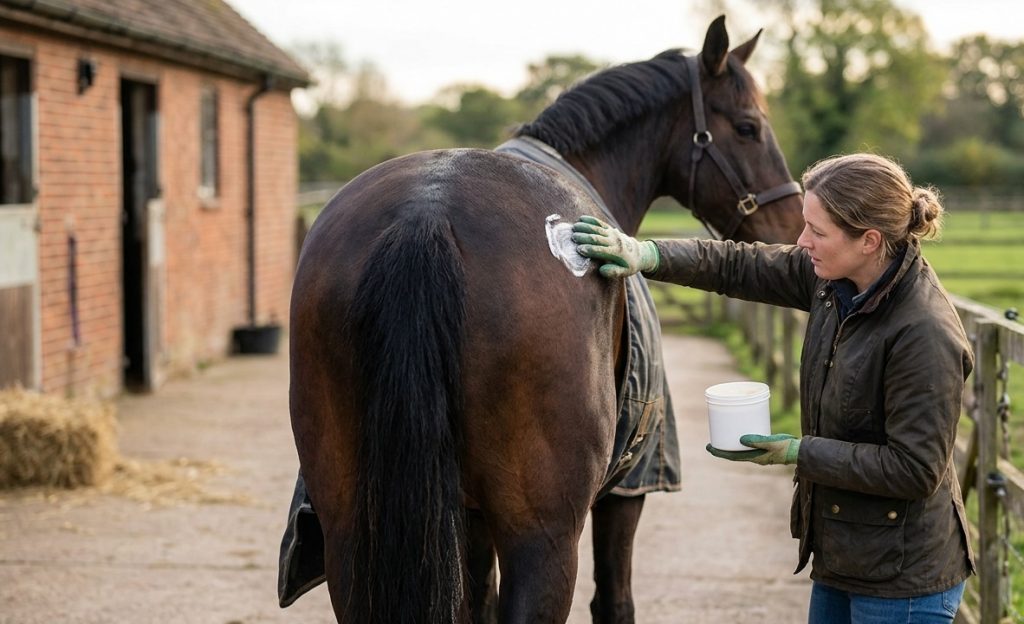
For the same reason, do not apply a human varicose-vein cream or tincture to a horse’s skin without veterinary approval. A topical product can be licked, absorbed, irritate skin, or interact with other care. The label may not include equine use, and an apparent vein problem may need diagnosis rather than a topical treatment.
What a visible vein or swelling may mean
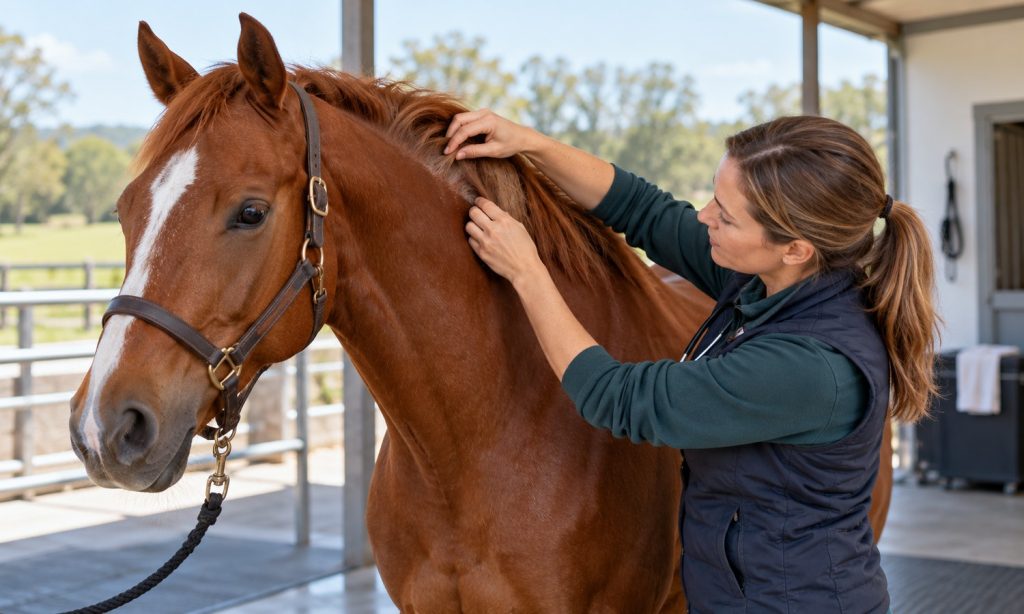
Horses can have visible superficial veins, especially with heat, exercise, body condition, or individual anatomy. A newly enlarged, painful, warm, firm, or swollen area is different and should be checked. Equine vascular problems can include inflammation, clotting, aneurysm, or other conditions; they may look similar from the outside. The term “varicose vein” should not be used as a home diagnosis.
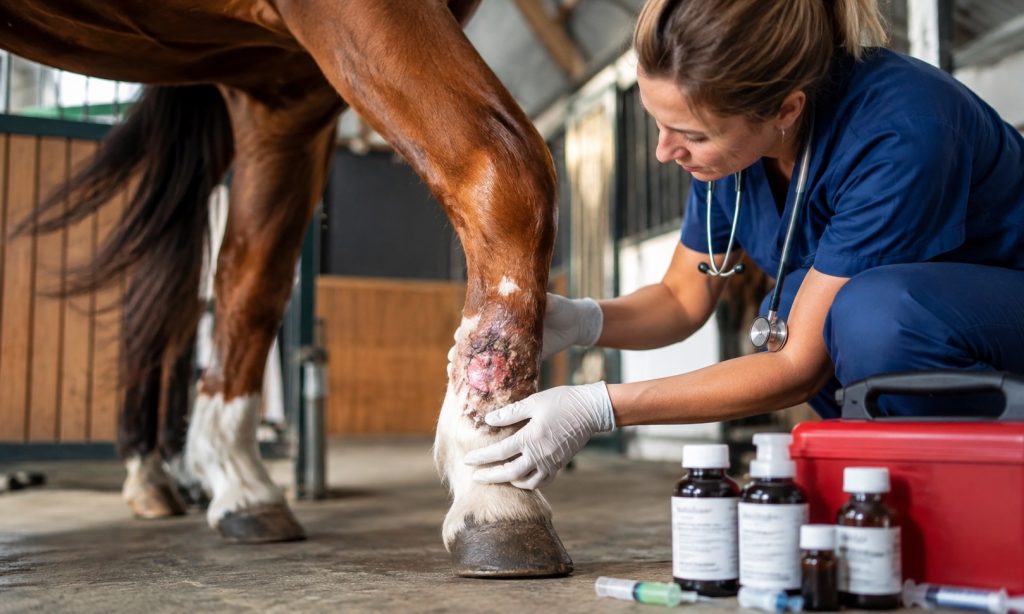
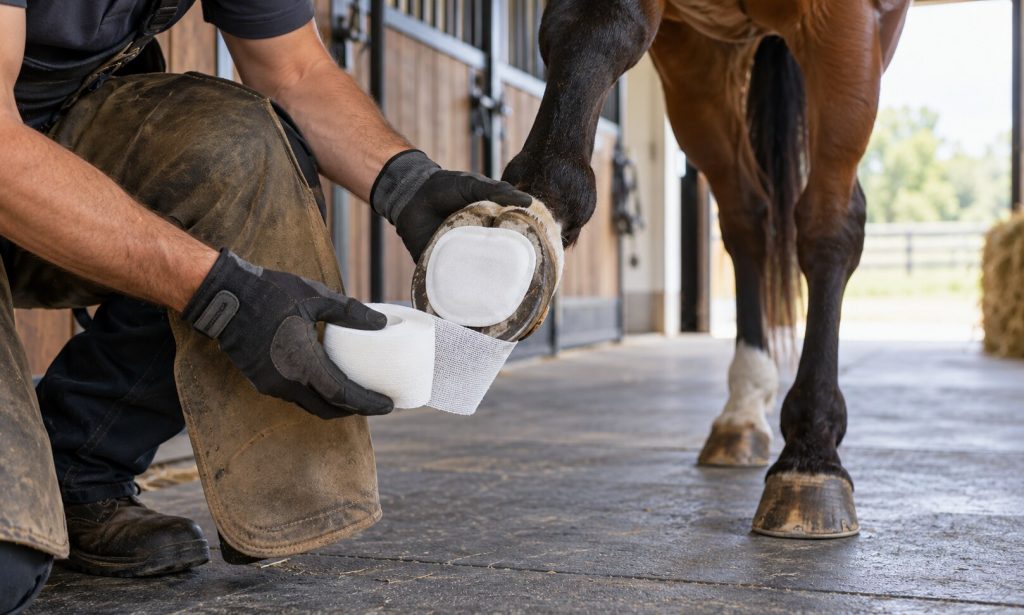
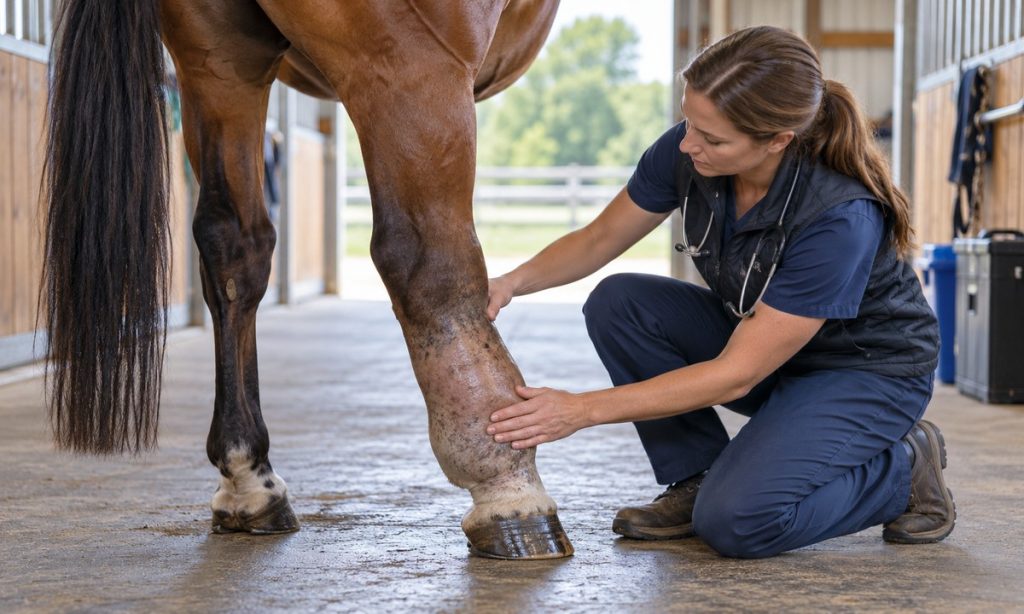
Contact a veterinarian promptly if a vein becomes newly prominent with limb swelling, heat, pain, tenderness, lameness, discharge, or a rapid change in size. Seek urgent help for active bleeding, severe pain, marked swelling, fever, or a horse that seems unwell. Do not massage, compress, bandage tightly, lance, or apply a human product to the area unless the veterinarian directs you.
Before calling, note when the change appeared, which limb or area is affected, whether the horse is lame, and any recent injections, wounds, illness, exercise, or medication. A photo can document appearance if you can take it without handling a painful area or delaying care.
What a veterinarian may assess
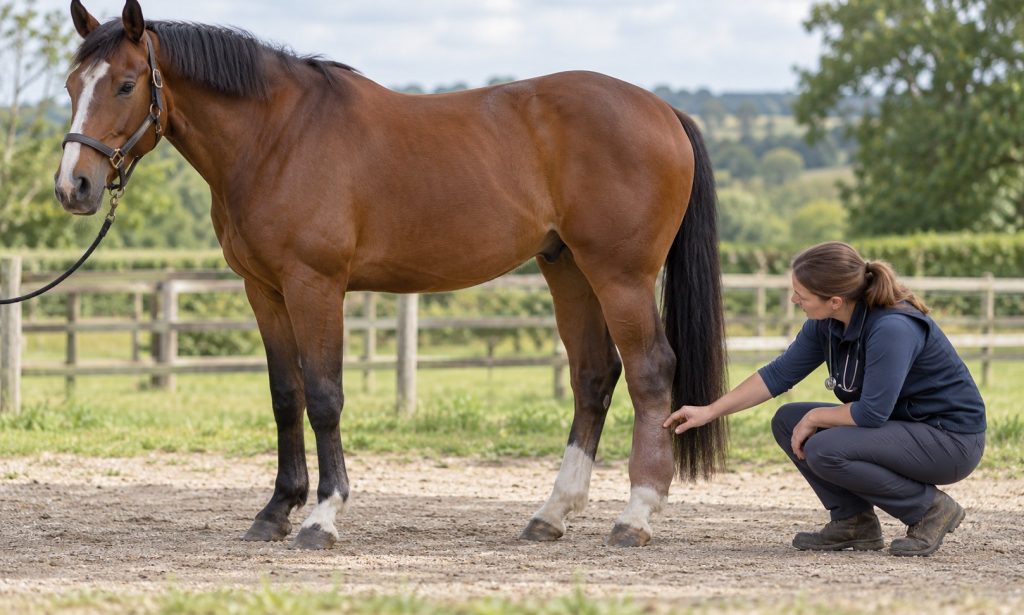
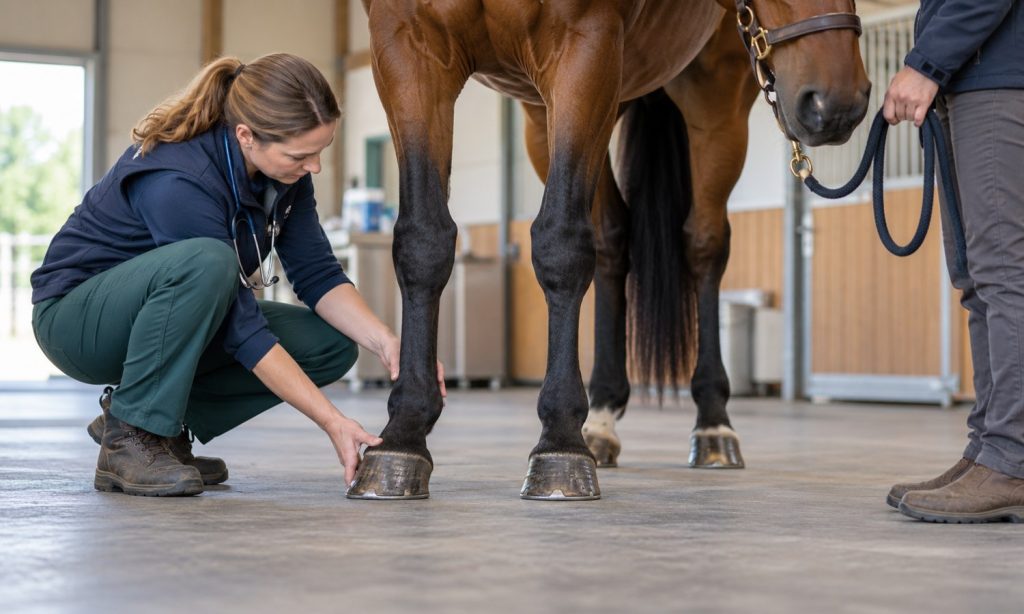
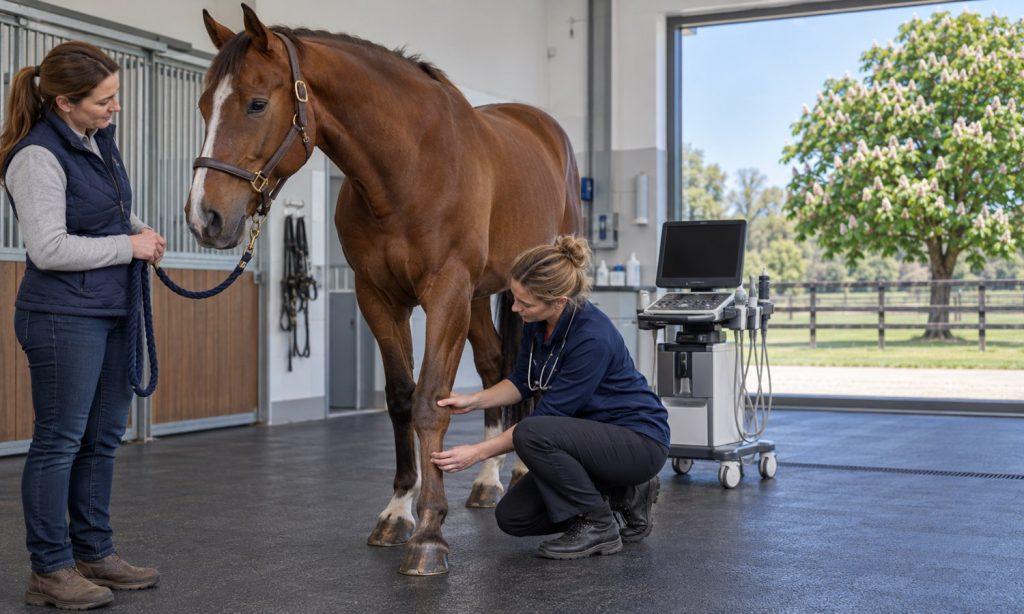
The veterinarian may take a history and examine the horse’s overall condition, limb, skin, and circulation. They may compare both sides, assess temperature and tenderness, check for wounds or swelling, and evaluate the horse’s gait if it is safe to do so. A new painful enlargement may need investigation for thrombosis, inflammation, infection, trauma, or another cause.
Ultrasound with Doppler may be used to examine blood flow and the structure of a vessel. Additional imaging or tests depend on the location and findings. The veterinarian will decide whether the horse needs monitoring, treatment, or further diagnostic work. Do not attempt to assess blood flow by pressing on or manipulating the vein.
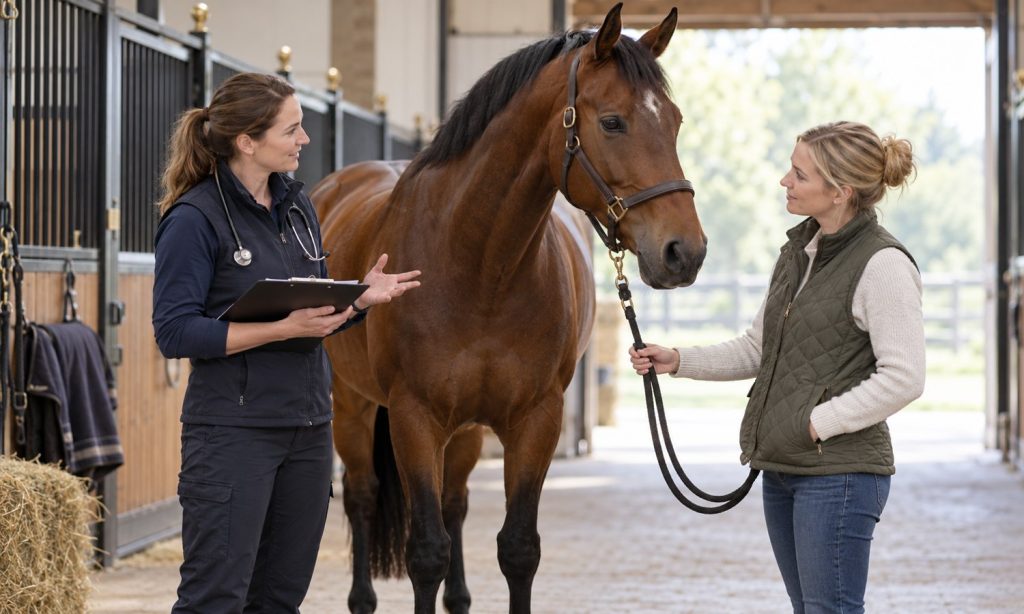
Ask for a clear working diagnosis, what changes require urgent follow-up, and whether exercise or bandaging should be restricted. If treatment is recommended, confirm which products are intended for equine use, how they should be applied, and whether the horse should avoid licking or contact with other animals.
If the horse may have eaten horse chestnut
Contact a veterinarian or an animal poison-control service immediately if you suspect the horse ate horse chestnut or buckeye material. Do not wait for symptoms, and do not try to induce vomiting or give home remedies. If safe, prevent further access and retain a sample or photograph of the plant for identification. Tell the veterinarian what part may have been eaten, when, and approximately how much.
Reported signs of poisoning can include colic or other gastrointestinal upset, diarrhea, depression or unusual excitement, dilated pupils, weakness, unsteadiness, and in severe cases seizures or collapse. Signs and severity depend on the plant and exposure. A veterinarian needs to guide evaluation and care; internet symptom lists cannot rule out poisoning.
Check pastures and turnout areas for horse chestnut or buckeye trees, fallen seeds, leaves, and branches. Prevent access to the plant and do not feed clippings or yard debris. If tree identification is uncertain, contact a local Extension office or veterinarian before allowing horses to graze near it.
Use human product information cautiously
The human supplement literature is about standardized extracts and human venous symptoms. It does not answer whether an extract is safe, effective, or correctly dosed for a horse. A product labeled for people should not be given to a horse unless a veterinarian specifically approves the product and use. The same caution applies to topical preparations and combination formulas.
If your question came from a product page for horse chestnut for varicose veins, read it as information about the human supplement category; it is not a veterinary recommendation for equine varicosities. Ask your veterinarian to assess the horse’s actual vein or swelling and recommend an equine-specific plan.
Frequently Asked Questions
Can I give my horse a human horse-chestnut capsule?
No, not unless an equine veterinarian specifically directs it. Human product safety or dosing does not establish safety in horses, and horse chestnut plant materials are toxic to horses.
Can horse chestnut cream be applied to a horse’s leg?
Do not apply a human cream without veterinary approval. It may not be labeled for equine use, can irritate skin, and could be licked by the horse.
Are visible veins always abnormal in horses?
No. Some superficial veins can be visible, but a new enlargement, swelling, pain, heat, or lameness needs veterinary assessment.
What should I do if my horse ate a horse-chestnut seed?
Call a veterinarian or animal poison-control service immediately. Prevent further access, save a plant sample or photo if safe, and do not give home treatments.
Does human research on horse chestnut apply to horses?
No. Human studies of standardized extracts do not establish equine safety or effectiveness. A veterinarian should assess the horse and any proposed treatment.
Final Words
Do not feed horse chestnut plant material or give a human extract or topical product to a horse unless an equine veterinarian specifically approves its use. Human research for venous symptoms is not evidence of an equine dose or treatment. Have new, painful, warm, or swollen veins assessed, and seek immediate advice after possible plant ingestion. If you are reading about horse chestnut for varicose veins, keep the human supplement context separate from veterinary care and ask your veterinarian what is safe for the horse.
Reference
- ASPCA Animal Poison Control: Horse chestnut
- Colorado State University: Guide to poisonous plants—buckeye and horse chestnut
- Merck Veterinary Manual: Blood clots and aneurysms in horses
- Equine Veterinary Education: Vascular disease in the horse
- National Center for Complementary and Integrative Health: Horse chestnut use and safety in people