Changes in appetite, behavior, comfort, or performance can prompt questions about stomach ulcers, but these signs are not specific enough to diagnose them at home. A horse may show subtle changes, while another with gastric lesions may show few obvious clues. If you are exploring feed for horses with ulcers, start by discussing the horse’s history and signs with a veterinarian. The vet can consider other causes and explain whether gastroscopy or another evaluation is appropriate. This guide covers possible signs owners may notice, information to record, and what a veterinary assessment may include. It is intended to help you prepare for a conversation, not to confirm ulcers or recommend treatment for an individual horse.
What people mean by “ulcers”
Equine gastric ulcer syndrome includes disease affecting different regions of the upper digestive tract. Equine squamous gastric disease and equine glandular gastric disease are distinct conditions with different risk factors and management considerations. A horse’s behavior or appetite alone cannot show which, if any, is present. That distinction matters because a plan should be based on veterinary assessment rather than assuming every suspected ulcer has the same cause.
Many concerns commonly attributed to ulcers can also occur with dental pain, colic, lameness, stress, feed changes, parasites, or other health problems. Ulcers may be one possibility among several, so the veterinarian will consider the whole horse.
Possible signs to watch for
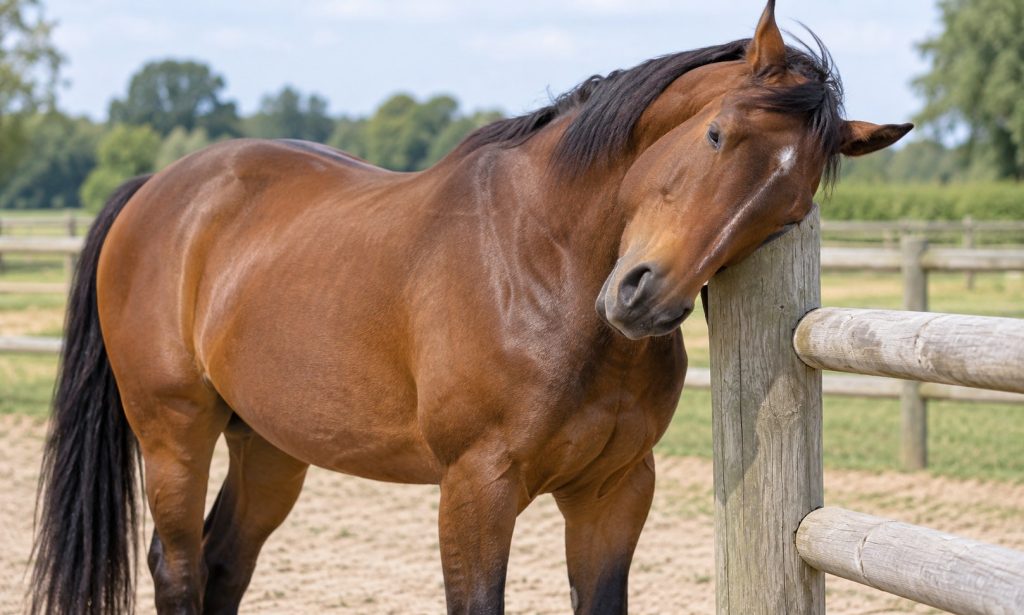
- Changes in appetite: The horse may eat less, leave part of a meal, or show a new reluctance around feed. Dental problems and other illnesses can look similar.
- Weight or body-condition changes: Gradual weight loss or trouble maintaining condition deserves attention, especially in a horse that previously ate well.
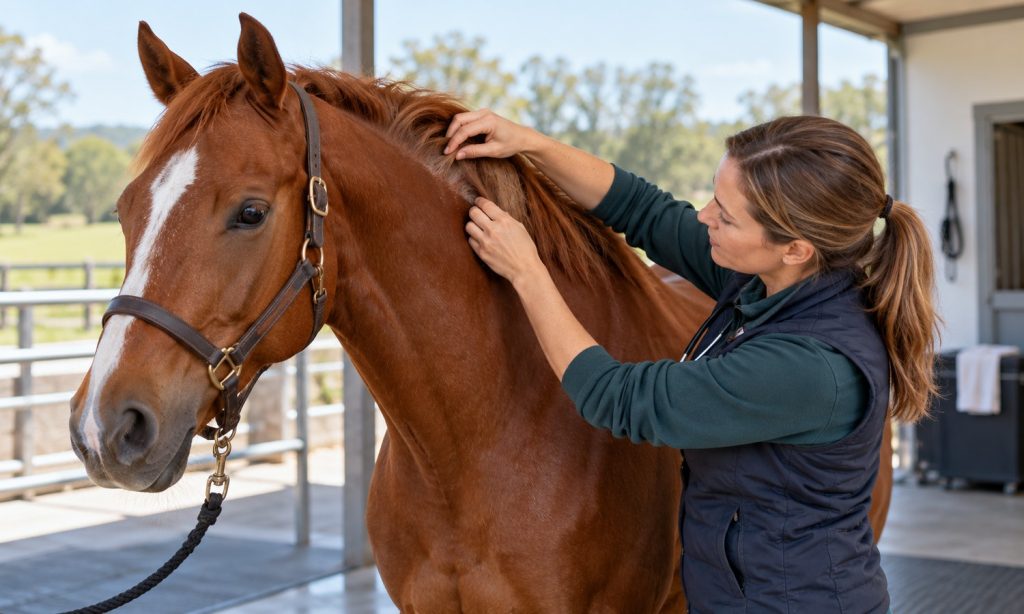
- Behavior changes: A horse may become more irritable, withdrawn, or sensitive during grooming, saddling, or girthing. These changes can also reflect pain elsewhere, training, or environment.
- Performance changes: Reduced willingness to work, inconsistent performance, or resistance may have many causes. Do not assume the stomach is responsible without an exam.
- Signs of abdominal discomfort: Recurrent mild colic-like behavior or discomfort around meals should be discussed with a veterinarian. Severe or persistent colic signs require urgent veterinary advice.
- Coat or general condition changes: A dull coat or poor condition may accompany many health or nutrition issues and is not a reliable ulcer test.
Keep track of what changed, when it began, how often it occurs, and whether it is linked to meals, work, turnout, or medication. Note changes to feed, forage access, travel, housing, or routine. A video can sometimes show behavior that is difficult to describe, but do not delay urgent care to collect one.
When to call the veterinarian
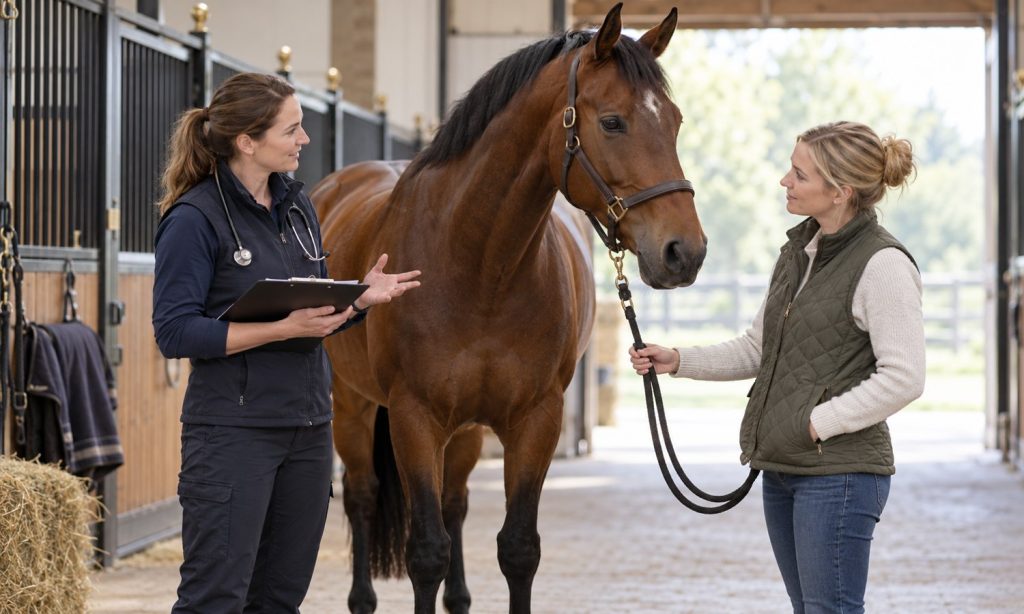
Contact your veterinarian if appetite, weight, behavior, or performance changes persist, recur, or worsen. Explain the timeline and any recent feed, workload, medication, or management changes. Do not start or stop medication, or use someone else’s ulcer treatment, without veterinary direction; drugs have specific indications, dosing considerations, and follow-up needs.
Seek prompt veterinary help for severe or ongoing abdominal pain, repeated rolling, sweating, marked distress, or other signs that suggest colic. A suspected ulcer should never distract from a potentially urgent problem. If the horse is acutely painful, follow the veterinarian’s instructions and avoid feeding or exercising the horse until you have advice.
What a veterinarian may ask and examine
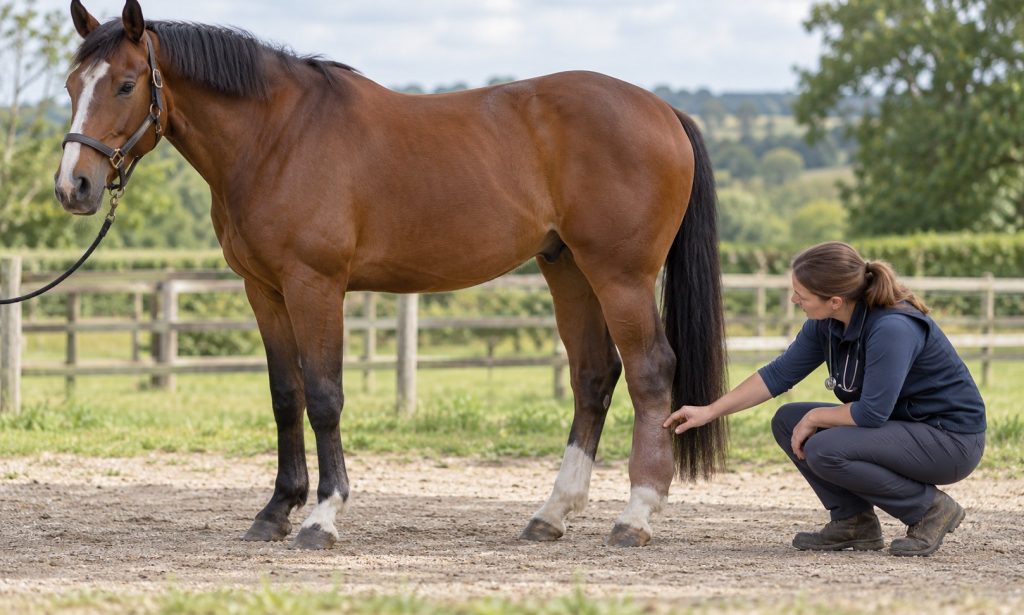
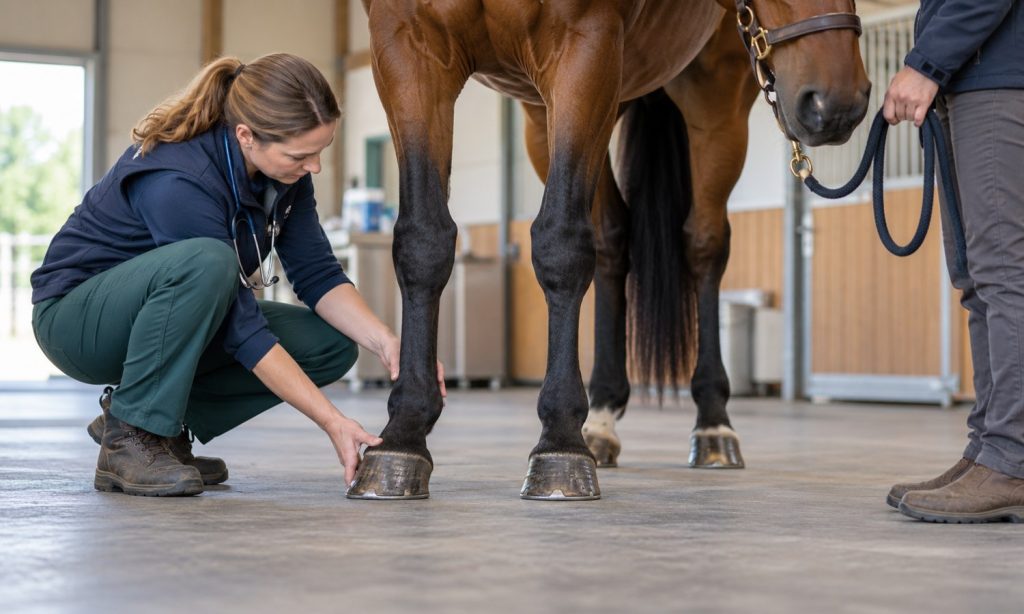
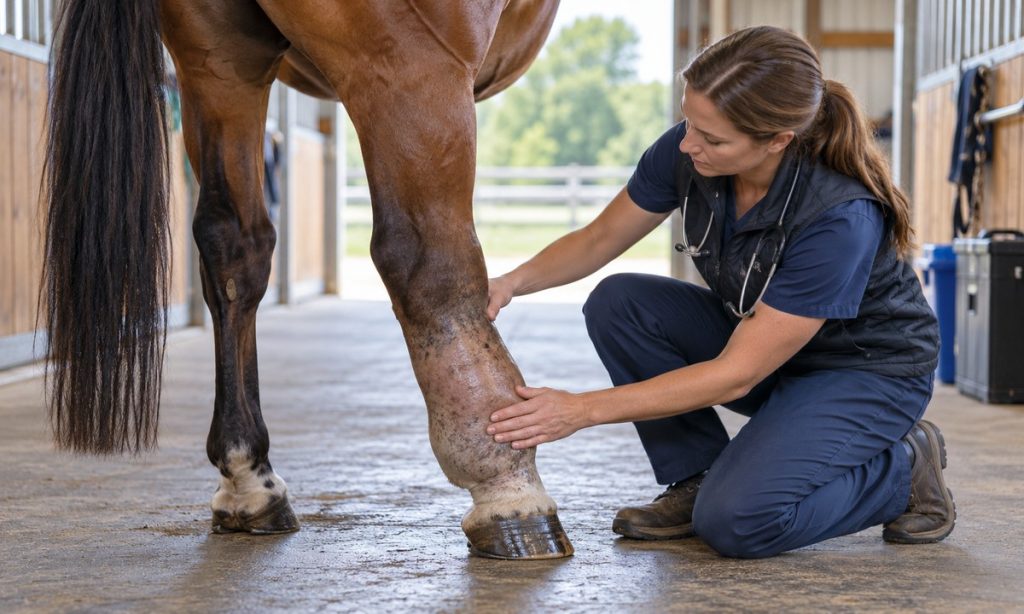
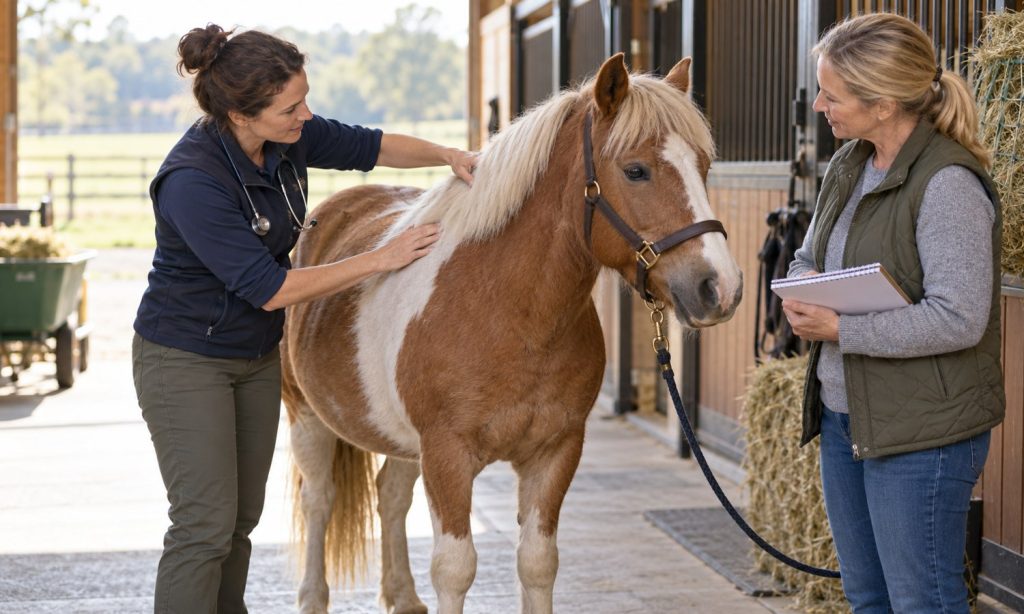
The veterinarian will usually take a history that includes appetite, weight trend, diet, forage availability, exercise, travel, housing, medications, and any previous digestive problems. They may assess hydration, body condition, vital signs, teeth, and overall comfort. Depending on the signs, they may look for other explanations such as dental disease, lameness, or another gastrointestinal problem.
Owner observations help. Bring feed labels or a list of measured portions, note how often forage is available, and describe what the horse does before, during, and after meals. If several horses share a feeding space, explain whether this horse has uninterrupted access to its ration. Changes in feeding competition or routine can be relevant context.
Gastroscopy and diagnosis
Gastroscopy uses a flexible endoscope to view the stomach lining. It is the method veterinarians commonly use to confirm gastric ulceration and assess its location and appearance. The procedure requires preparation, including fasting according to the veterinarian’s instructions, and is performed by trained veterinary personnel. Follow the clinic’s directions about food, water, transport, and timing.
Clinical signs alone cannot reliably show whether ulcers are present or how severe they may be. Some horses with visible lesions show few signs, while similar behaviors can occur in horses without gastric ulcers. The veterinarian will explain whether gastroscopy is useful in the specific case and how the findings fit with the horse’s history.
Other tests may be considered to assess the horse’s overall health or investigate alternative causes, but a blood or manure test should not be assumed to confirm gastric ulcers. Ask what each test can and cannot tell you before proceeding.
Discussing nutrition and management
Once the veterinarian has assessed the horse, discuss how forage access, meal size, feed type, workload, and daily routine fit the plan. Nutrition can be part of management, but a “ulcer feed” is not a diagnosis or a substitute for veterinary treatment. Products vary in ingredients and nutrient content, and an individual horse may have other dietary needs such as weight control or metabolic management.
When reviewing feed for horses with ulcers, compare full labels and talk through the ration with your veterinarian or an equine nutrition professional. Avoid abrupt diet changes. If treatment is prescribed, ask when to recheck, what improvement to monitor, and whether follow-up gastroscopy is recommended for that case.
Frequently Asked Questions
Can I tell whether a horse has ulcers by its behavior?
No. Appetite, girthing, behavior, and performance changes can have many causes. Gastroscopy is commonly used by veterinarians to confirm gastric ulceration.
Can a horse have ulcers without obvious signs?
Yes. Some horses show subtle or no clear signs, while visible signs do not prove ulcers. Discuss concerns with a veterinarian.
Is gastroscopy the same as a routine mouth exam?
No. Gastroscopy uses an endoscope to view the stomach. It is a veterinary procedure and requires preparation and professional interpretation.
Should I start an ulcer supplement before the vet visit?
Ask the veterinarian first, especially if the horse takes medication, has other health conditions, or needs a diagnostic examination. Keep a record of anything already given.
Can changing feed cure gastric ulcers?
Diet and management may be part of a veterinarian’s plan, but feed alone does not establish the diagnosis or replace indicated veterinary care. The plan depends on the horse and the findings.
Final Words
Reduced appetite, weight loss, behavior changes, mild recurring discomfort, or altered performance can justify a veterinary conversation, but none confirms gastric ulcers by itself. Record the horse’s signs and routine, call promptly for ongoing changes, and seek urgent help for severe colic signs. Ask whether gastroscopy or other assessment is appropriate before changing medication or making a major diet shift. If you are reviewing feed for horses with ulcers, use it as a topic for discussion with your veterinarian so nutrition fits the diagnosis and the rest of the horse’s needs.