Insulin resistance is often discussed in horses, but veterinarians may use the broader term insulin dysregulation because the problem can involve more than one insulin response. Assessment combines the horse’s history and physical findings with blood testing selected for the individual case. If you are considering hay for insulin-resistant horses, a veterinary evaluation can help determine whether insulin dysregulation is present and what dietary changes are appropriate. Body shape, a cresty neck, or prior laminitis may raise concern, but appearance alone cannot confirm the diagnosis. This guide explains what a veterinarian may ask, examine, and test, and why test preparation and interpretation matter. Do not fast a horse or conduct an at-home sugar challenge unless the veterinarian gives specific instructions.
What insulin dysregulation means
Insulin helps the body manage glucose after eating. In insulin dysregulation, a horse’s insulin response may be abnormal, and the pattern can vary. Some horses have increased insulin at rest or after eating; others may have a normal resting value but an exaggerated response to a sugar challenge. The term insulin resistance is commonly used, but a single test result may not describe every aspect of the horse’s metabolism.
Insulin dysregulation is associated with equine metabolic syndrome and can increase the risk of endocrinopathic laminitis. It can also occur alongside other conditions, including pituitary pars intermedia dysfunction (PPID). A vet will consider the whole clinical picture rather than treating one laboratory value as a stand-alone diagnosis.
History and physical exam
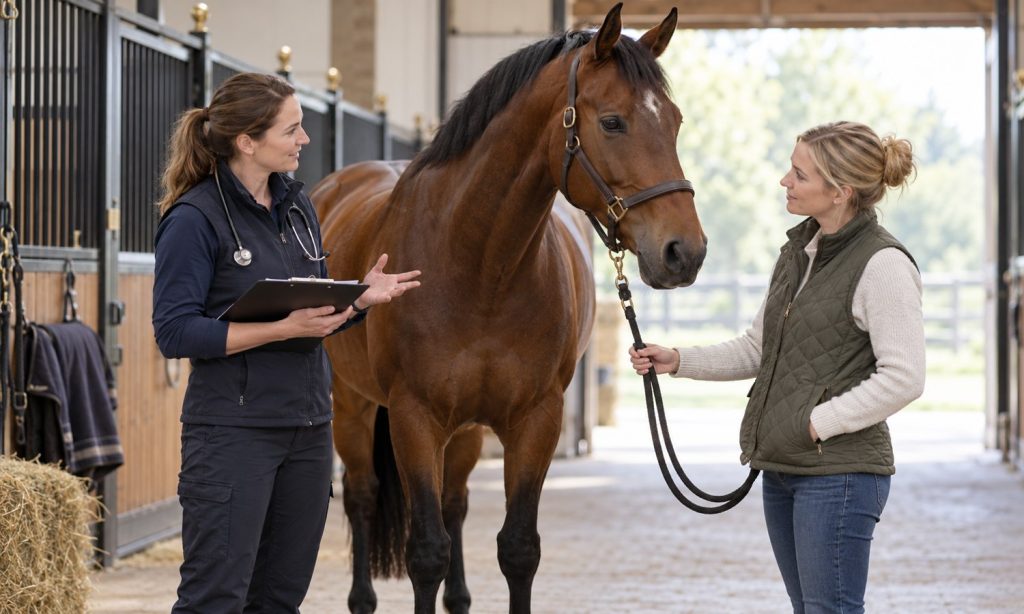
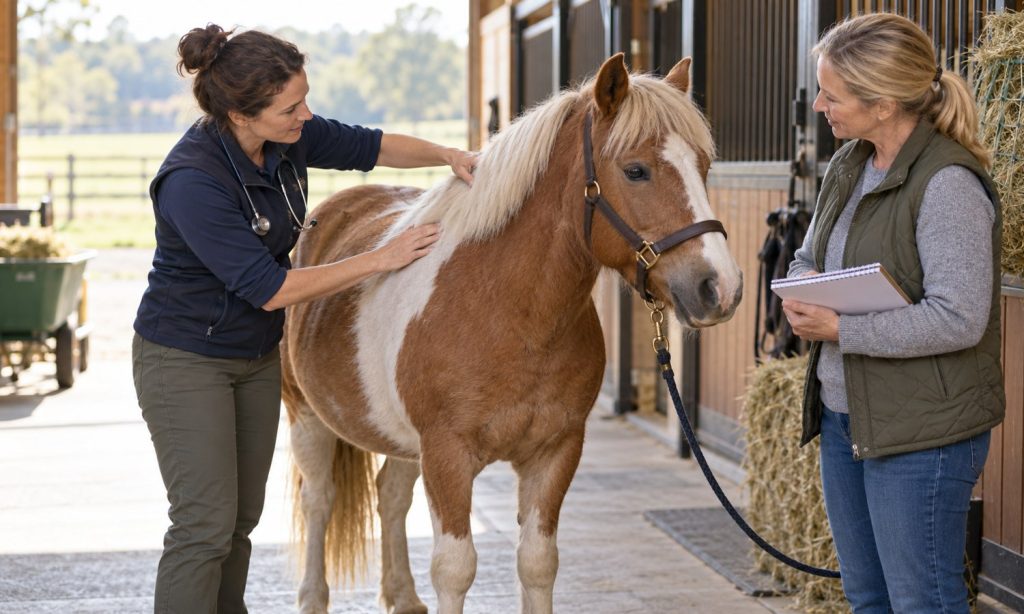
The veterinarian may ask about previous laminitis, weight changes, appetite, exercise, pasture access, hay and concentrate amounts, supplements, medications, and family or breed history. Bring feed labels, recent hay analyses, and a record of changes in body condition if available. These details help the vet interpret test results and identify factors that may affect sampling.
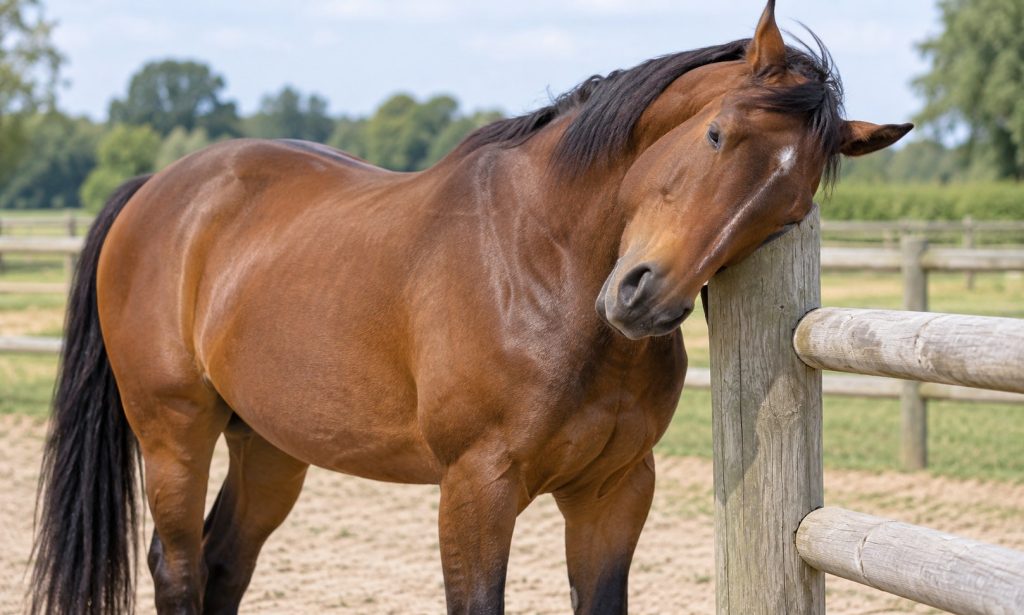
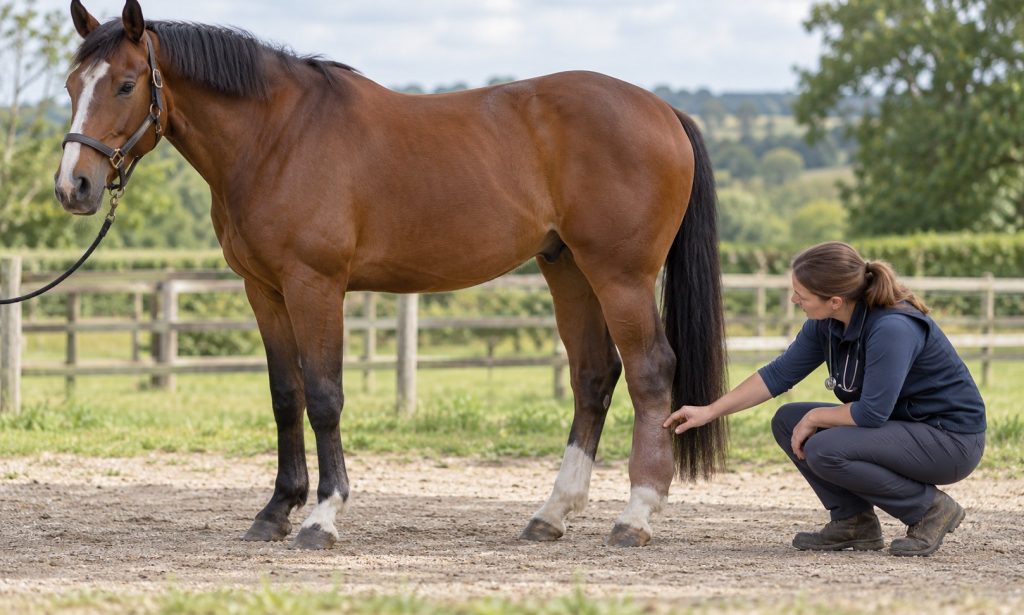
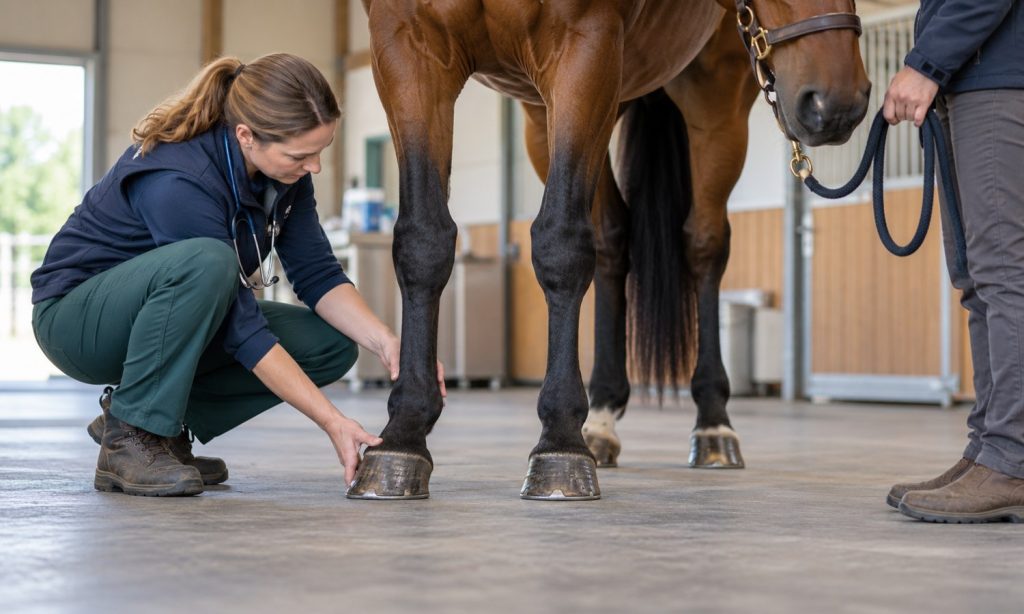
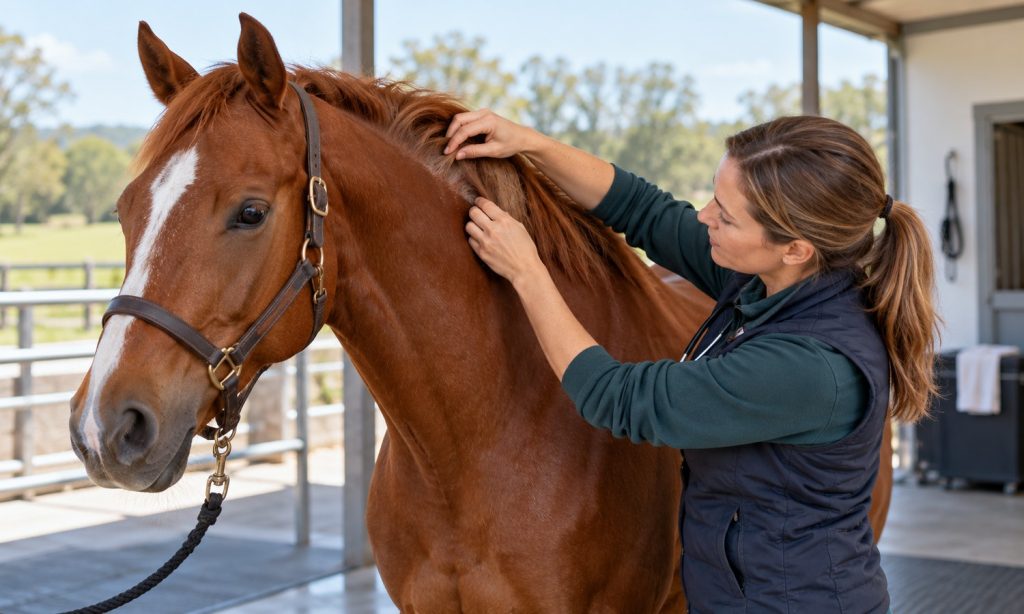
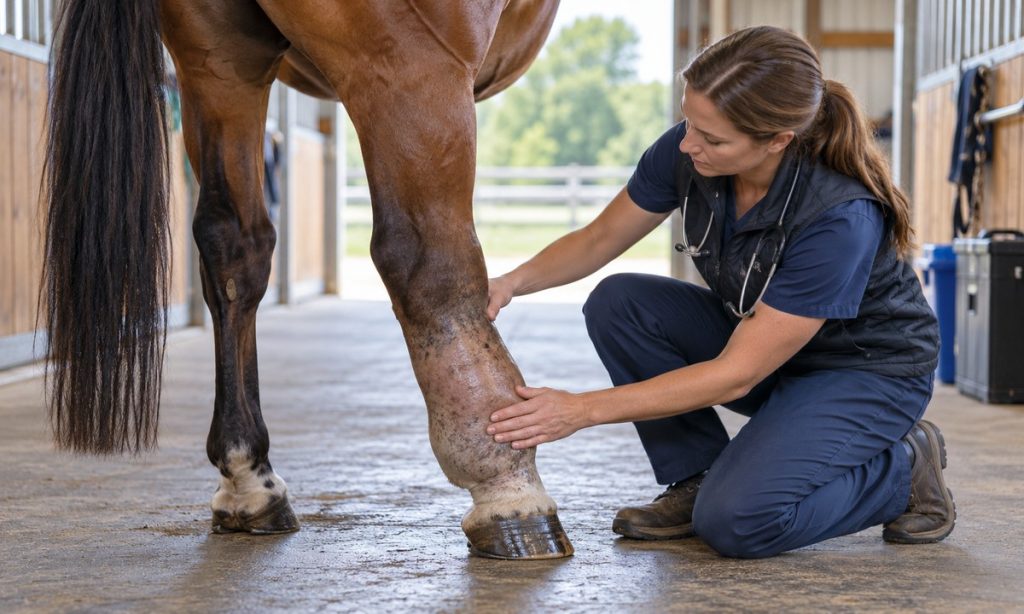
The exam may include body condition scoring, assessment of regional fat deposits such as a cresty neck, and a review of hoof comfort and previous laminitis episodes. The veterinarian may check vital signs, general health, and signs that could point toward another endocrine or metabolic condition. A horse can be lean and still have insulin dysregulation, so body weight alone does not rule it out.
If the horse is currently painful or experiencing laminitis, the veterinarian may address immediate welfare and consider whether testing should wait until the horse is more stable. Pain and stress can complicate interpretation. Do not delay urgent care just to obtain a metabolic test.
Blood tests a veterinarian may select
Resting insulin and glucose
A blood sample may be used to measure insulin, sometimes alongside glucose and other laboratory values. A resting or basal insulin result can be convenient, but a normal value does not always exclude insulin dysregulation. The result may be influenced by recent feed, stress, pain, season, and laboratory method. The veterinarian will decide how the horse should be fed or managed before sampling and interpret the result using the laboratory’s reference ranges.
Oral sugar test
If a resting result does not answer the question, the veterinarian may recommend a dynamic test such as an oral sugar test. In a clinic-directed protocol, a measured sugar challenge is given and blood insulin is assessed at specified times. The test evaluates the horse’s response after the challenge rather than only a resting level. Protocols, timing, and interpretation can vary, so the vet will provide the exact instructions.
Do not give corn syrup or another sugar source at home to “test” the horse. The dose, preparation, timing, and sampling must follow the veterinary protocol. A test performed incorrectly can produce misleading results and may be unsafe for a horse with a medical concern.
Other endocrine tests
If the history and exam suggest PPID or another condition, the veterinarian may recommend additional testing, such as ACTH measurement or a stimulation test. These tests address different questions and may be affected by season, medication, and handling. Ask what each test can tell you and whether the result will change the management plan.
Bring a current list of medications and supplements, because some may affect how the veterinarian plans sampling or interprets the result. Include recent changes rather than assuming the clinic already has the full history.
\n
Understanding the results
There is no single number that should be interpreted without context. The vet considers the assay, sampling conditions, feeding history, clinical signs, and whether the sample was collected during a dynamic test. If the findings are equivocal, repeat or alternative testing may be discussed. A normal baseline insulin does not always rule out a problem when the horse’s risk factors remain concerning.
Ask the veterinarian to explain what the result means for the horse now, how it relates to laminitis risk, and whether follow-up testing is appropriate. Keep a copy of lab reports and note the laboratory and test protocol so future results can be compared sensibly.
Record whether the horse was fed, fasted, stressed, or recently exercised when the sample was taken. That context helps the veterinarian judge whether an apparent change between tests reflects biology, preparation, or a different testing method.
\n
Nutrition and follow-up
Once results are interpreted, the veterinarian may discuss body condition, exercise, pasture access, and forage selection. A hay analysis can help quantify nutrients, including nonstructural carbohydrates, but the right diet depends on the horse’s condition and the full ration. If reviewing hay for insulin-resistant horses, bring the analysis and feed labels to the appointment. Avoid abrupt feed changes and seek veterinary guidance before soaking hay or restricting forage.
Follow-up may include monitoring body condition, hoof health, comfort, and response to a management plan. Horses with prior laminitis or new foot pain need prompt veterinary attention. If the horse is prescribed medication, discuss monitoring and recheck timing with the veterinarian.
Frequently Asked Questions
Can a cresty neck diagnose insulin resistance?
No. Regional fat deposits can raise concern, but physical appearance alone cannot confirm insulin dysregulation. A veterinarian combines exam findings with appropriate testing.
Does a normal resting insulin result rule it out?
Not always. A dynamic test may be recommended when suspicion remains, because some horses show an abnormal response after a sugar challenge despite a non-diagnostic resting value.
Can I prepare my horse for a test by withholding feed?
Only follow the veterinarian’s exact instructions. Preparation varies by test, and fasting or feed changes should not be improvised.
Will a hay test diagnose insulin dysregulation?
No. A forage analysis helps characterize hay nutrients; it does not diagnose a horse’s metabolic condition. Veterinary blood testing is used to assess insulin response.
Should the veterinarian test during laminitis?
The veterinarian decides based on the horse’s condition. Pain and stress may affect testing, and urgent laminitis care takes priority.
Final Words
Veterinarians assess insulin dysregulation by combining history, body condition and hoof findings, carefully selected blood tests, and attention to sampling conditions. A resting insulin result may not answer every case; dynamic testing or tests for other endocrine conditions may be considered. Do not conduct a sugar challenge or change feed on your own. If you are reviewing hay for insulin-resistant horses, bring its analysis and the full ration to your veterinarian so dietary choices follow the diagnosis and the horse’s individual needs.