Introduction
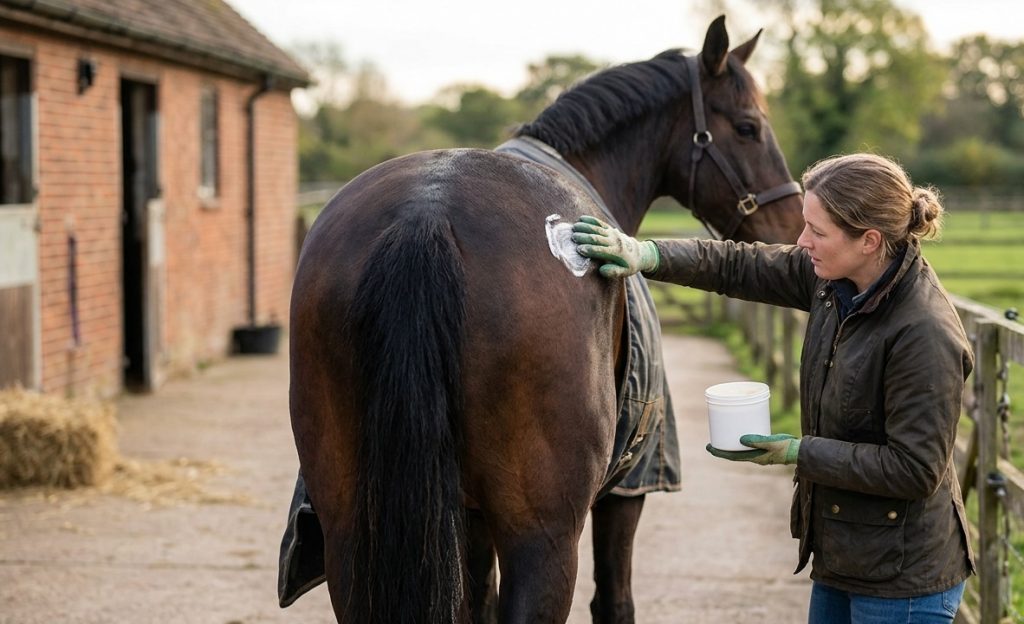
Early signs of itchy skin in horses can be easy to miss: a little extra tail swishing, rubbing at the stall door, or small scabs under the mane. Itching is a symptom, not a diagnosis. Insects, mites, allergies, infection, tack friction, and other problems can look similar, so the right response depends on where the skin changes appear and how quickly they spread. Check your horse’s coat in good light and note when the rubbing happens. Avoid applying a human cream or leftover medication before you know the cause. If you are researching anti itch cream for horses, remember that a topical product may mask a problem or irritate sensitive skin. This guide explains what to watch for, what you can safely do, and when to contact a veterinarian.
What itchy skin can look like
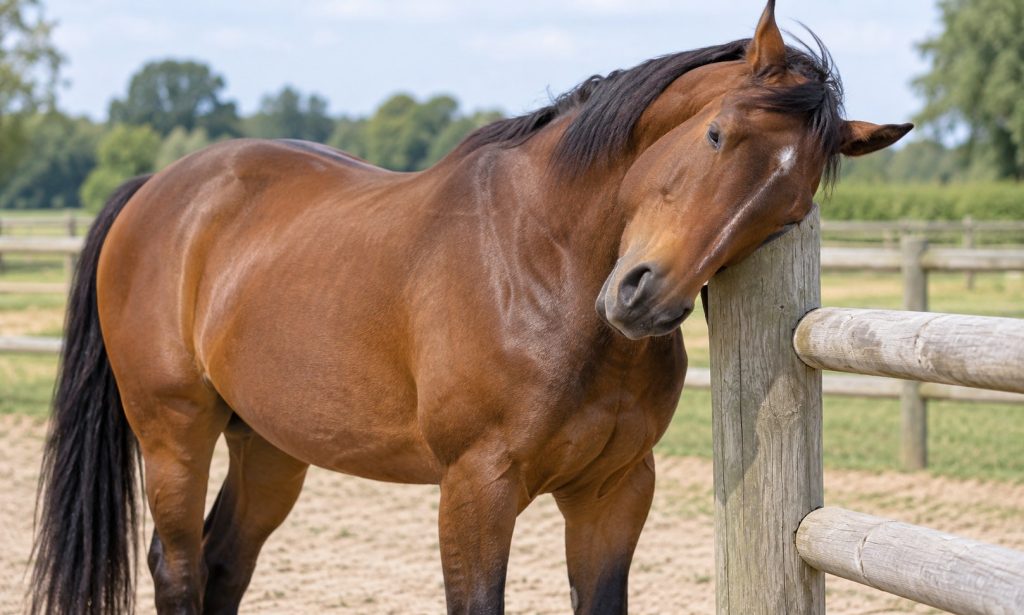
A horse may scratch with a hind hoof, rub its neck or tail against a fence, nip at its sides, stamp, or shake its head. Repeated rubbing can break hairs and create bald patches, raw areas, crusts, or thickened skin. Some horses become restless during grooming or resent being touched over a particular spot. These behaviors are useful clues, but they do not tell you the cause by themselves.
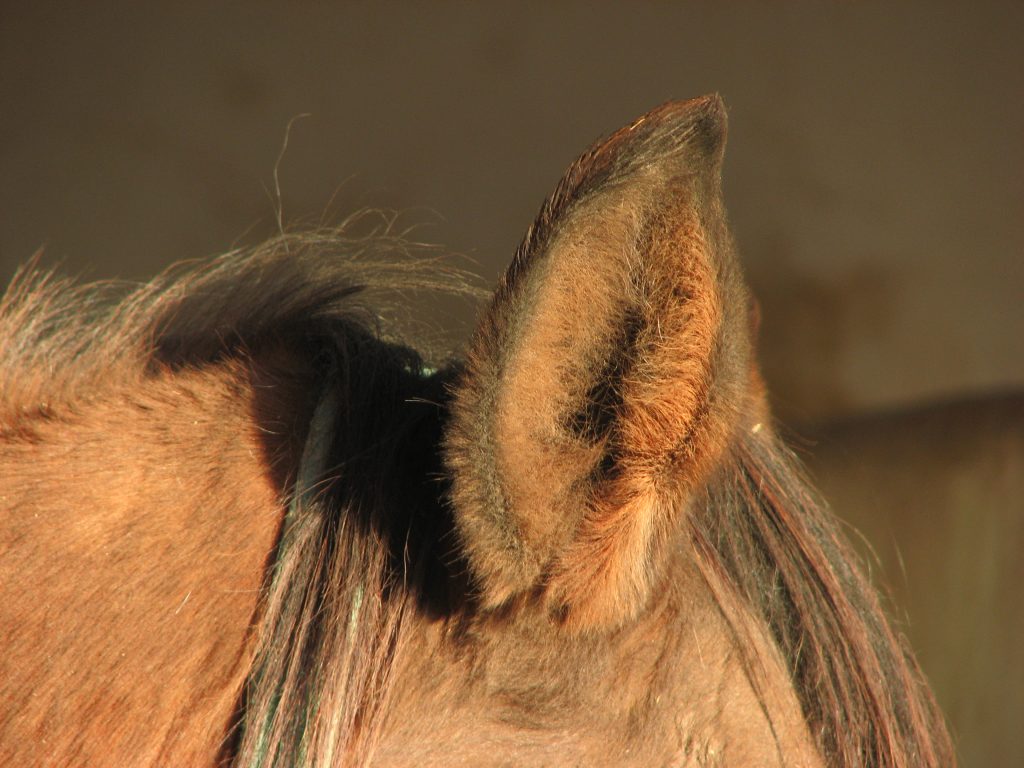
Look at the whole pattern. Note whether the itch is focused around the mane, tailhead, belly, lower legs, ears, or face; whether one or several horses are affected; and whether the problem changes with weather, turnout, bedding, feed, bathing, or application of a spray. Take clear photographs and record when signs began. That history can help your veterinarian decide what to examine or test.
Early skin changes to notice
Rubbing, hair loss, and broken hairs
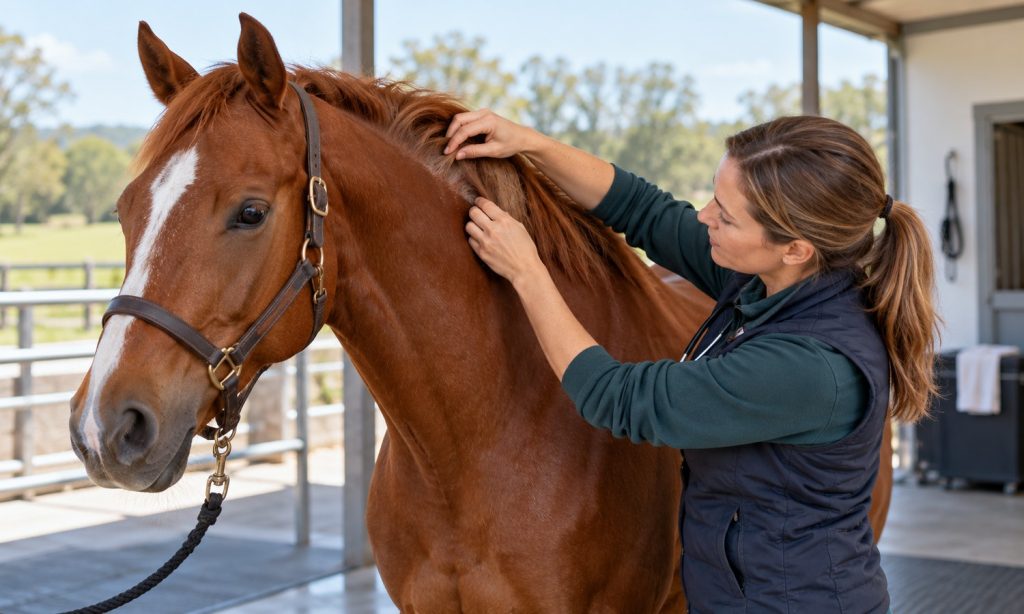
Hair loss where the horse can reach with its teeth or hooves may follow persistent scratching. A rubbed tailhead or mane can accompany seasonal insect exposure, but similar areas can be affected by parasites, infection, or contact irritation. Avoid assuming that a familiar seasonal pattern proves the cause; a new or unusually severe flare deserves assessment.
Small bumps, scabs, or flaky patches
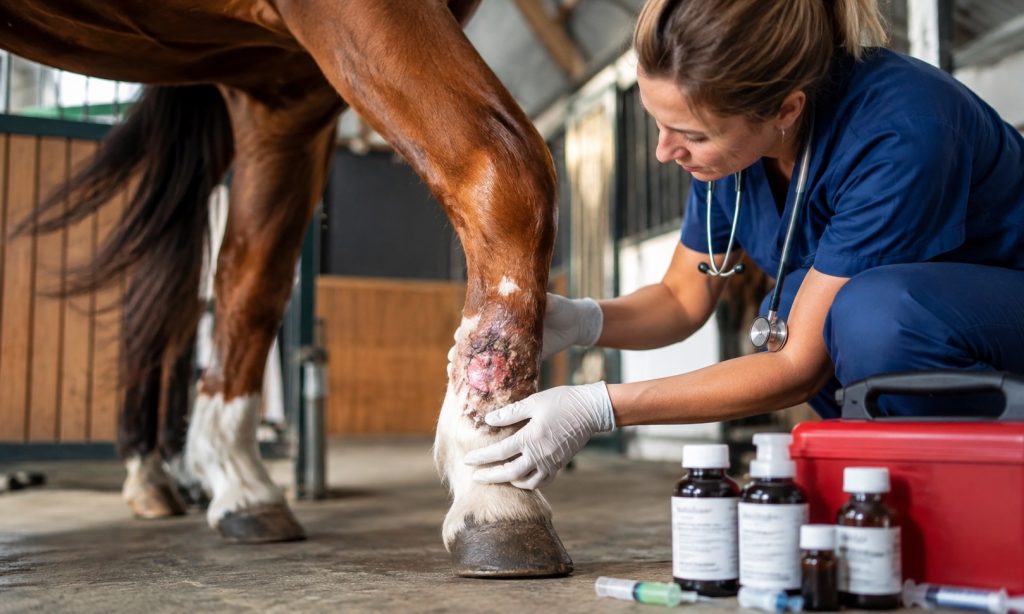
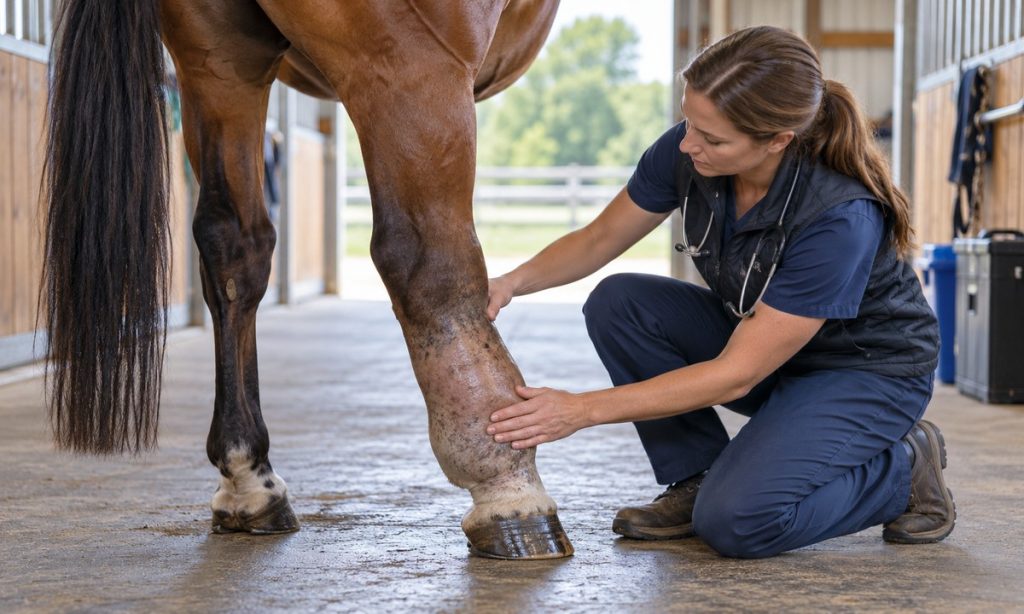
Raised bumps, hives, tiny crusts, scaling, or moist sores may appear before obvious baldness. The skin may be warm or tender, and lesions can merge after days of rubbing. Scabs do not always mean infection, and a horse can have more than one problem at once. Do not pick crusts or scrub the skin hard because that can cause pain and further damage.
Changes in behavior or comfort
Frequent tail swishing, sudden kicking at the belly, reluctance to be groomed, or waking to scratch can indicate discomfort. Watch whether the horse is eating, drinking, moving, and behaving normally. General illness, severe pain, or rapidly worsening skin changes matter more than the amount of hair loss alone.
Common causes a veterinarian may consider
Biting flies and midges can trigger irritation directly or through a sensitivity to bites. Lice and mites can cause itching and coat changes, while fungal or bacterial disease may produce crusts, scaling, or hair loss. Environmental allergens, plants, dust, or a reaction to a topical product may also contribute. Less commonly, an internal health problem can affect the skin. Saddle, bridle, blanket, or tack pressure can cause rubbing in a specific contact area, especially when equipment is dirty, wet, or poorly fitted.
Because these conditions overlap, appearance alone is not a reliable way to choose medication. A veterinarian may ask about season, turnout, new animals, grooming tools, feed changes, travel, and every product applied. Depending on the examination, testing may include skin scrapings, hair or crust samples, cultures, or a treatment trial. Bring product labels or photographs of ingredients if a reaction is possible.
What you can do while arranging advice
-
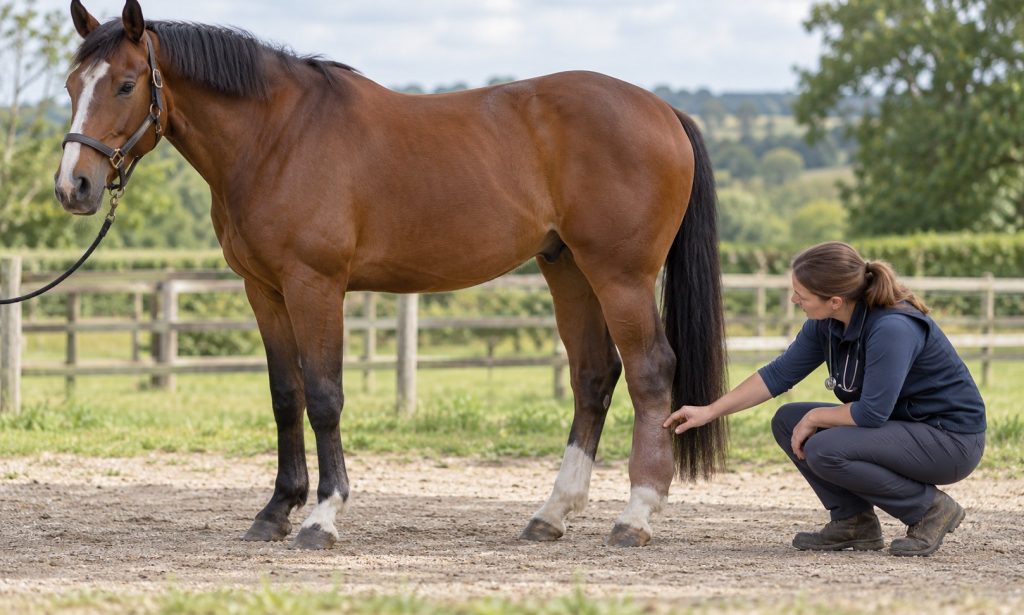
Look without irritating the skin. Part the hair gently in several areas and check for swelling, wounds, ticks, discharge, or spreading patches. Use gloves if the skin is broken or a contagious cause is possible, and wash your hands afterward.
-
Remove a suspected trigger when safe. If irritation began after a newly applied spray or wash, stop using it. Follow its label for rinsing; AAEP guidance advises rinsing a suspected topical reaction with plenty of water and contacting a veterinarian if signs persist.
-
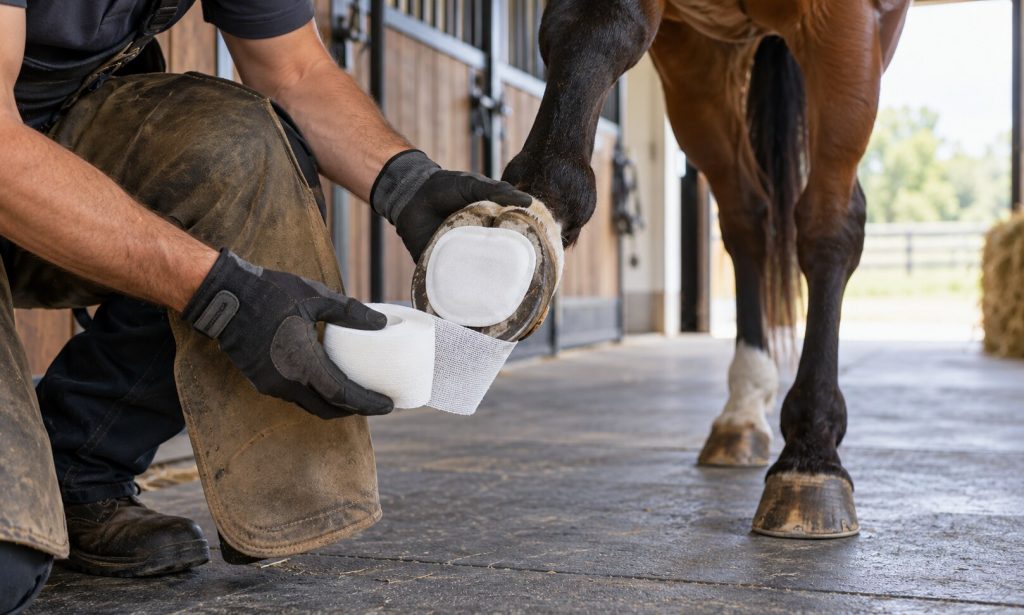
Keep the area clean and reduce rubbing. Remove sharp edges from rubbing surfaces and check tack or blankets for dirt, seams, and pressure. Do not bandage an extensive rash or apply disinfectants, essential oils, steroid creams, or human anti-itch products unless your veterinarian directs you.
-
Record the pattern. Photograph lesions daily from the same distance. Note temperature, appetite, behavior, affected areas, other animals with signs, and any recent changes in insect control or grooming.
Insect management may help when flies are involved, but use only products labeled for horses and follow all directions. Some horses react to active ingredients, and spraying near eyes, nostrils, or broken skin can be unsafe. See the site’s guide to fly spray for horses for general application considerations, then ask your veterinarian whether a specific product is appropriate for your horse.
When to contact a veterinarian
Contact your veterinarian promptly if itching is persistent, recurrent, severe, spreading, or causing open wounds. Arrange advice for painful or swollen skin, pus, a foul smell, marked hair loss, or signs affecting several horses. Call urgently if your horse develops facial swelling, trouble breathing, weakness, collapse, fever, stops eating, or seems acutely unwell; these signs need immediate veterinary guidance.
A first episode of mild rubbing with no wounds may not be an emergency, but call if it does not settle after removing an obvious irritant or if you are unsure what is safe to apply. Do not use leftover antibiotics or prescription creams. The wrong treatment can worsen some infections, obscure diagnostic clues, or expose the horse to medication it does not need.
What to expect at the veterinary visit
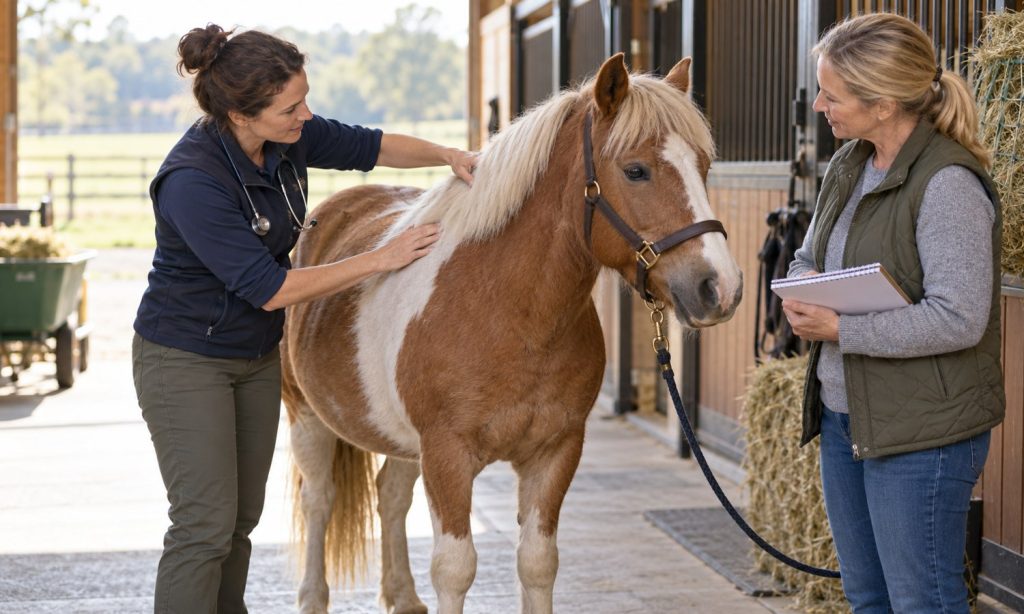
The veterinarian will likely examine the skin and coat, assess the horse’s overall health, and ask when the problem started and what has changed. Be ready to describe seasonality, turnout, new horses, bedding, grooming products, fly control, and prior treatments. Depending on the findings, the veterinarian may collect samples or recommend steps to reduce exposure while results are pending. Follow the diagnosis-specific plan and report worsening signs rather than adding more products on your own.
Frequently Asked Questions
Can I put human anti-itch cream on my horse?
Do not apply it without veterinary direction. Ingredients can irritate skin, be unsafe if swallowed, or interfere with diagnosis. Ask your veterinarian what is appropriate for the affected area and whether it needs examination first.
Are seasonal mane and tail itching always caused by insects?
No. Insects are one possibility, but parasites, infection, contact irritation, and other causes can resemble seasonal itch. A new pattern, severe reaction, or damaged skin warrants veterinary advice.
Should I bathe an itchy horse?
A rinse may be appropriate after a suspected topical reaction, but frequent bathing or medicated shampoo can worsen irritation. Ask your veterinarian before using a shampoo on inflamed, broken, or widespread skin.
Can itching spread to other horses?
Some causes, including certain parasites and fungal infections, can spread, while allergies and contact reactions do not. Avoid sharing grooming tools until the cause is clearer and follow your veterinarian’s biosecurity advice.
What information should I give the veterinarian?
Share when the signs began, where they appear, whether they vary by season, what products were used, and whether other animals are affected. Photos and product labels can make the history more useful.
Final Words
Early signs of itchy skin in horses include repeated rubbing, tail swishing, broken hairs, bumps, scabs, and new sensitivity to grooming. These clues show discomfort, but they cannot identify the cause on their own. Photograph changes, stop a suspected irritant, and avoid unapproved creams or medication. Call a veterinarian for persistent, spreading, painful, or open skin changes, and seek urgent help if the horse seems systemically ill. If you are considering anti itch cream for horses, use that topic as a question for your veterinarian rather than a substitute for diagnosis.
Reference
- A diagnostic approach to the pruritic horse, Equine Veterinary Education.
- External Parasite and Vector Control Guidelines, American Association of Equine Practitioners.