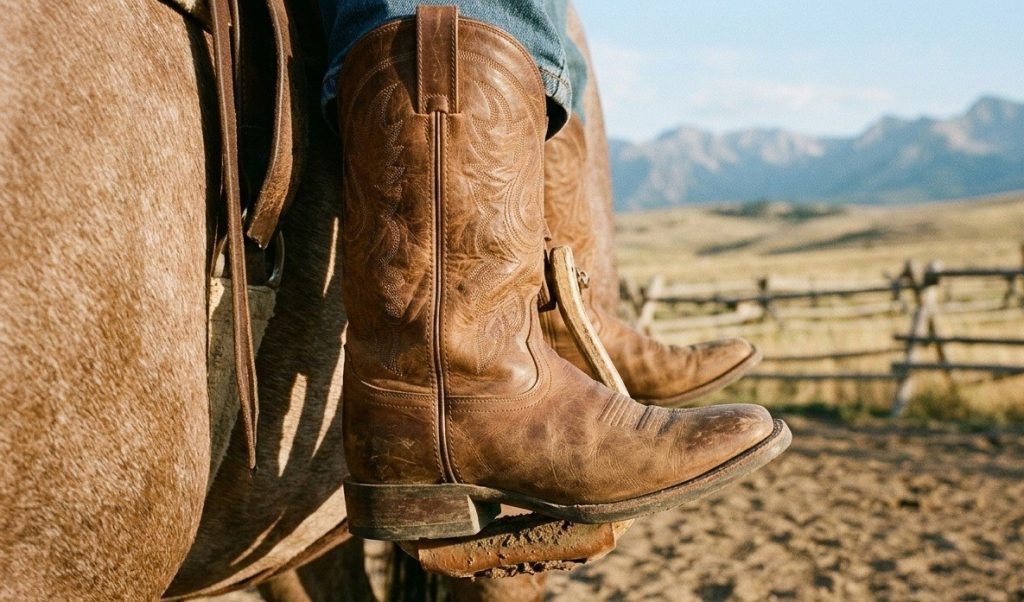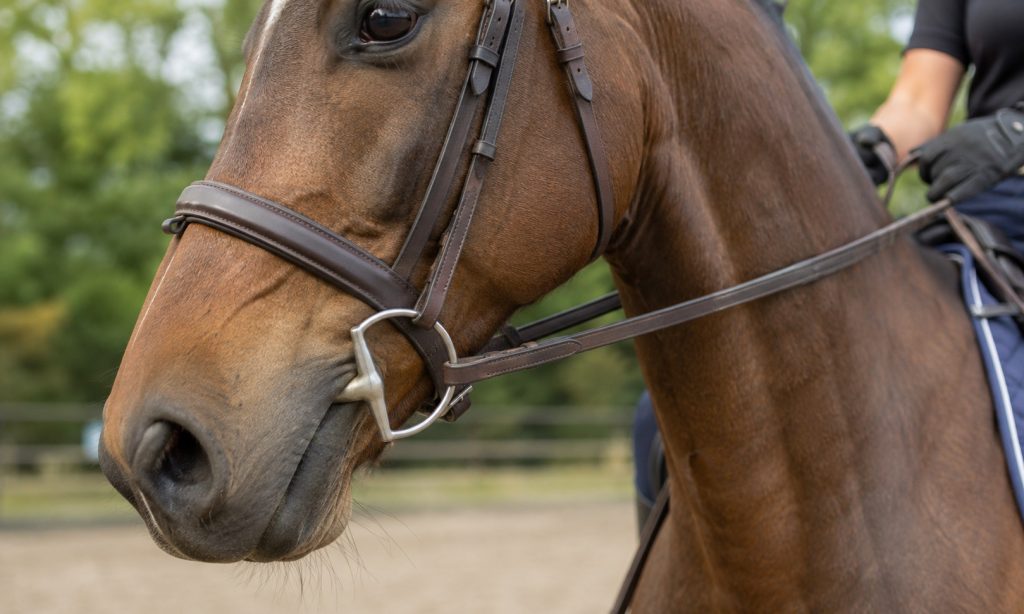
A quick leg check before a trail ride can help you notice a change before you add miles, hills, or uneven footing. Look at all four legs and feet, compare left with right, and note what is normal for your horse. After the ride, repeat the check once the horse is cool and safely untacked. New heat, swelling, a wound, pain, or uneven movement may mean the horse should not continue. Protective gear can reduce some scrapes, but it cannot make an injured leg safe to ride. If you are choosing horse boots for trail riding, confirm they fit and stay in place before heading out. These checks help you spot issues early and decide when a veterinarian or farrier should evaluate the horse.
Before mounting: check legs and feet
Handle the horse in a calm, well-lit area. Run your hands gently down each leg and compare the same areas on both sides. Look for new swelling, heat, cuts, scrapes, discharge, or tenderness. Pay attention to tendons, joints, fetlocks, and the coronet band. Some horses have stable old blemishes or uneven filling; knowing their baseline helps you tell whether something has changed.
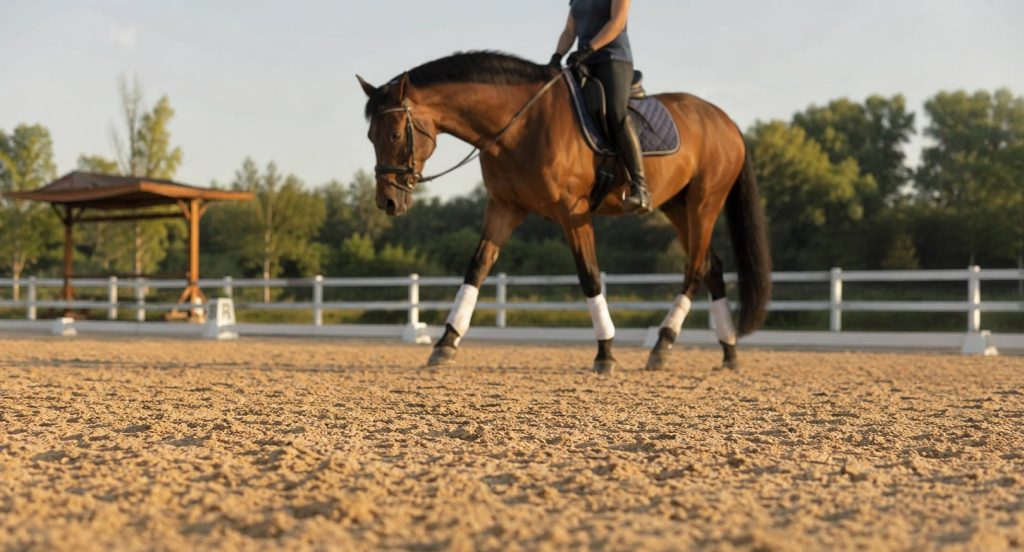
Watch the horse walk a few steps on firm, level ground. Look for shortened stride, head nod, toe dragging, reluctance to turn, or a leg that is not bearing weight normally. Do not trot or lunge a horse with new pain just to see whether it “works out.” If the horse is lame or clearly uncomfortable, cancel the ride and contact your veterinarian for advice.
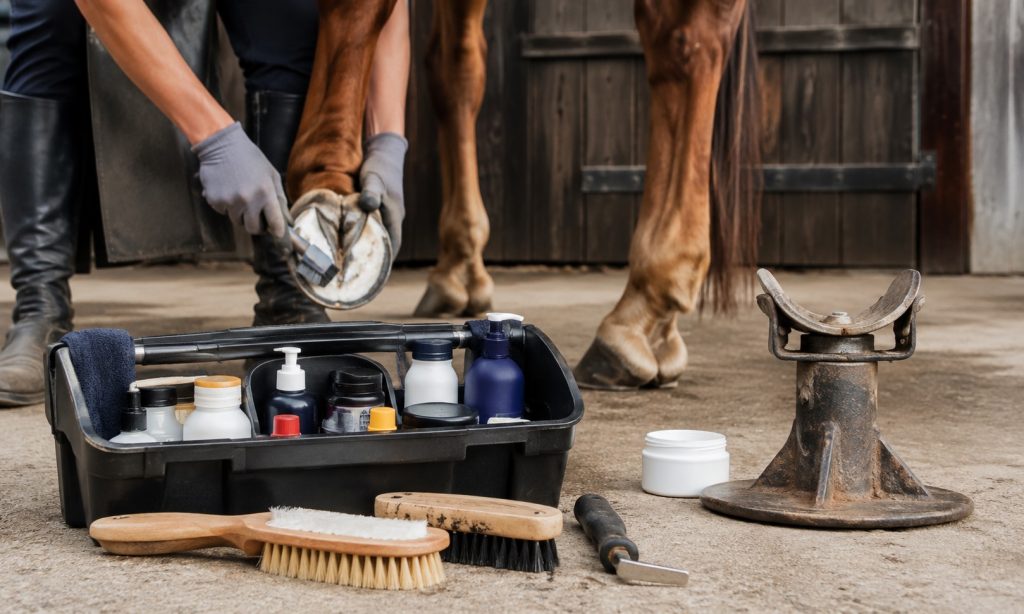
Pick up each hoof and check for lodged rocks, packed mud, cracks, loose shoes, missing shoes, or a damaged hoof boot. Make sure the horse can stand comfortably while you handle its feet. If a shoe is loose or the hoof is sore, consult a farrier or veterinarian before riding over rocky or uneven ground.
Check protective boots and wraps
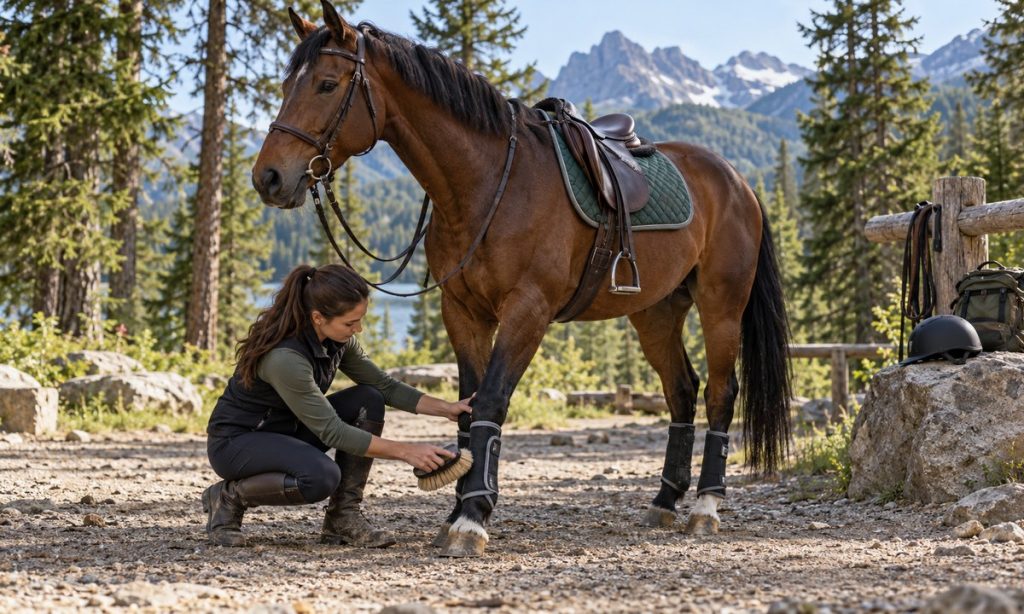
If you use leg protection, inspect the inside for dirt, grit, burrs, and worn seams. Clean the horse’s legs before applying boots so debris does not rub the skin. Check that each boot is on the correct leg and is secured according to its manufacturer’s directions. It should sit flat without twisting, pinching, or pressing on a tendon.
Walk the horse a few steps and recheck the fit. A boot that rotates, slides down, or catches on the hoof can distract the horse or create rubbing. Fasten straps securely but do not overtighten them. If you are using a new model, test it during a short, controlled ride before a long trail outing. Stop if the horse shows discomfort or the boot shifts.
Boots are not appropriate for every horse or every ride. Some horses tolerate them poorly, and heat, moisture, or grit under a boot can irritate skin. Follow the care instructions and remove the boots after the ride so you can inspect the leg underneath. Do not use a boot to hide a wound or support a suspected injury without veterinary guidance.
During the ride: pause when something changes
At safe breaks, look at the horse’s movement and check the hooves for rocks, debris, or a shifted shoe. If the horse suddenly shortens a stride, stumbles repeatedly, resists moving, or shows pain, dismount where it is safe and assess the situation. Do not keep riding to reach a planned distance if the horse is uncomfortable.
Check that leg boots or hoof boots have not moved and that straps remain secure. If you notice rubbing, a loose fastener, or debris trapped inside, remove the gear when safe and do not put it back on until the cause is corrected. Carry a hoof pick and basic trail supplies that fit your experience and route. For a pulled shoe or hoof boot problem, decide in advance whether the horse can safely walk back or whether you need assistance.
Be mindful of terrain. Deep mud, loose rock, sharp debris, steep slopes, and fatigue can increase the chance of a stumble or soft-tissue strain. Choose a pace and route that suit the horse’s fitness and current condition. If weather or footing changes, shorten the ride rather than pushing through.
After the ride: compare and record
Once the horse is safely back, remove boots and tack, then inspect the legs and feet again. Feel for new heat, swelling, or sensitivity and compare both sides. Look for rub marks, hair loss, cuts, or trapped grit. Check the shoes and hoof boots again for looseness or damage. A brief note or photo can help you track a change and share clear information with your veterinarian or farrier.
Allow the horse to cool down and settle before deciding how it feels. Mild, temporary filling can have different causes, but new or increasing swelling, heat, pain, or lameness needs veterinary advice. Do not apply medication, tight wraps, or intensive cold therapy without following professional guidance, especially if you suspect an injury.
When to stop and call a veterinarian
Seek veterinary guidance promptly for a horse that is suddenly lame, will not bear weight, has a deep or bleeding wound, has rapidly increasing swelling, or shows strong pain. A puncture wound near a joint or tendon, a wound with debris inside, or a wound accompanied by fever or dullness also deserves prompt attention. Keep the horse quiet and do not ride it while waiting for advice.
For subtle changes, contact your veterinarian if the issue returns, worsens, or does not resolve as expected. Share when it began, which leg is affected, what the horse was doing, any recent changes in workload or footing, and photos or video if safe to take. A farrier can help with hoof and shoe concerns, while a veterinarian should assess lameness or suspected soft-tissue injury.
Frequently Asked Questions
Should I check the horse’s legs before every trail ride?
Yes. A quick baseline check can help you notice new heat, swelling, wounds, soreness, or changes in movement before the horse goes out.
Do leg boots prevent trail injuries?
Boots may provide protection from some knocks or debris, but they cannot prevent every injury. Correct fit, clean legs, appropriate terrain, and a suitable workload still matter.
Can I ride if one leg feels warmer than the others?
Do not assume it is harmless. Recheck the area and compare both legs. If heat is new or accompanied by swelling, pain, a wound, or lameness, stop and ask a veterinarian.
What should I do if a horse becomes lame on the trail?
Dismount in a safe place, check the hooves and legs for an obvious problem, and avoid continuing to ride. Contact a veterinarian if the lameness is significant or does not quickly resolve after a simple hoof obstruction is removed.
How tight should horse boots be?
Follow the manufacturer’s fit instructions. Boots should stay in place without twisting, pinching, or restricting movement; recheck them after the horse walks.
Final Words
Trail-riding leg safety checks are simple: compare all four legs and feet before mounting, fit protective gear on clean legs, pause if movement changes, and inspect again after the ride. Stop for new pain, lameness, swelling, heat, or a wound, and seek veterinary advice when needed. If you use horse boots for trail riding, treat them as one part of preparation, not a substitute for checking your horse or choosing safe footing.