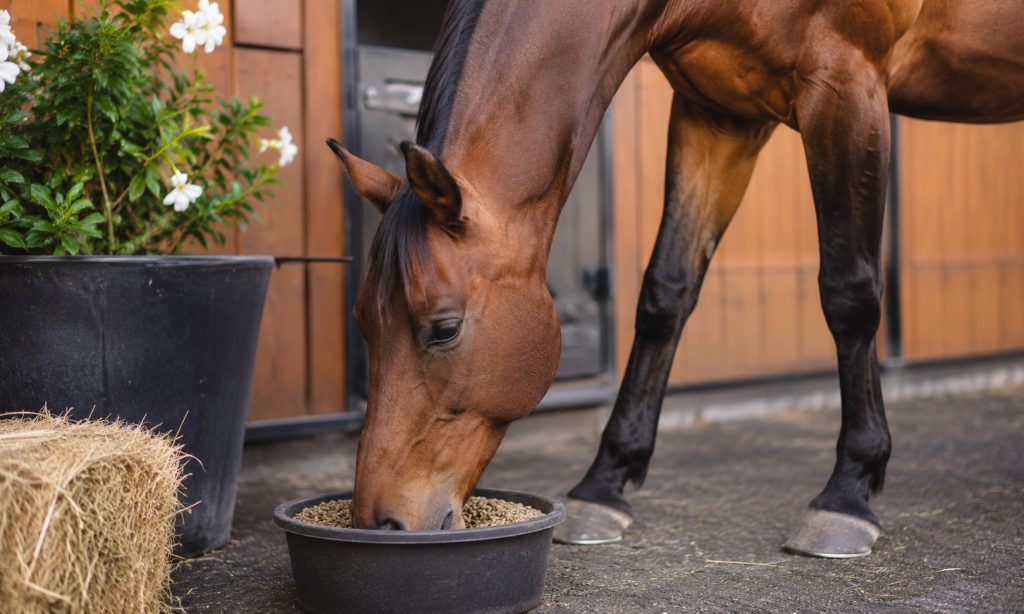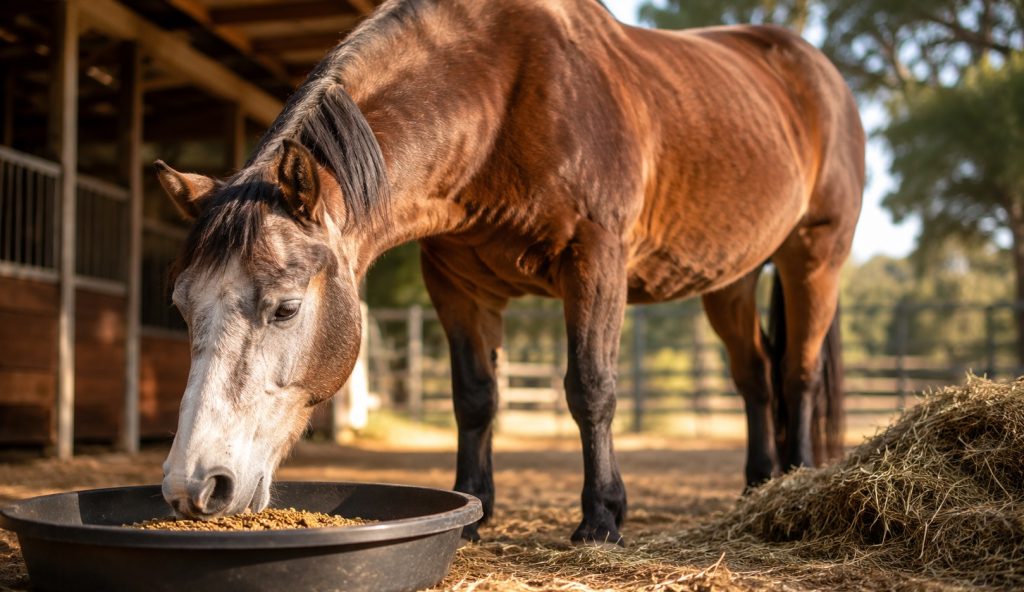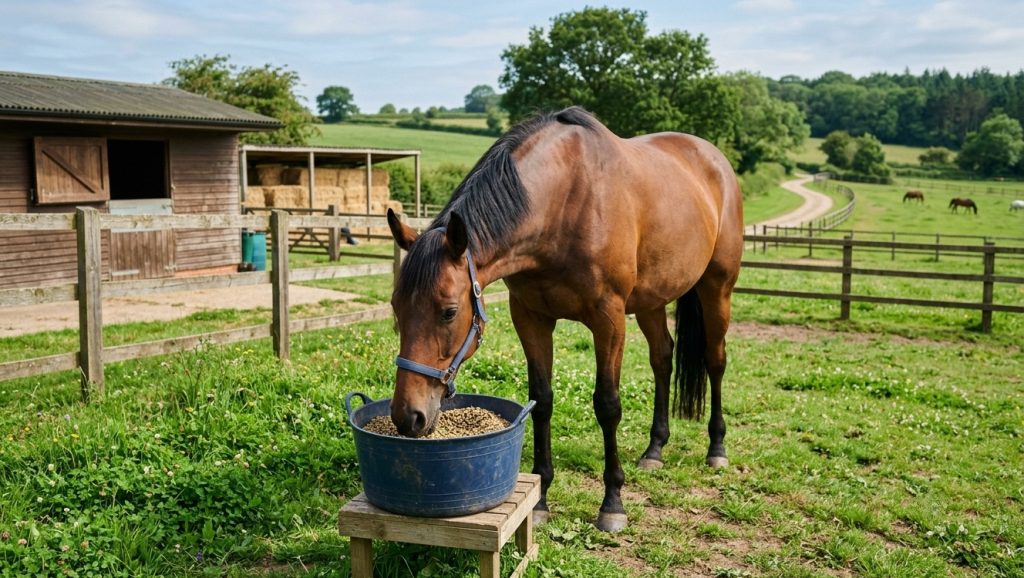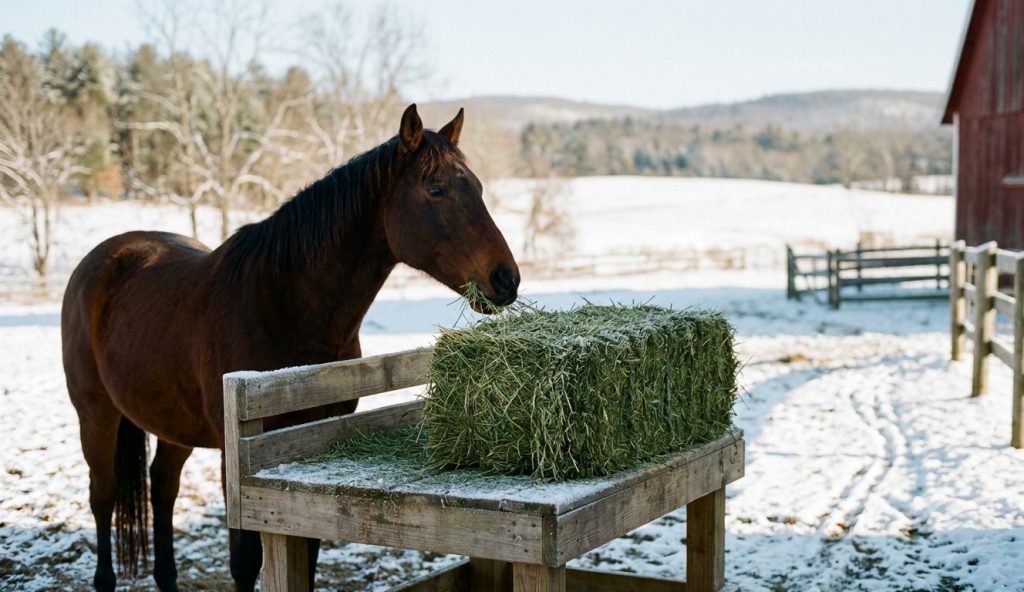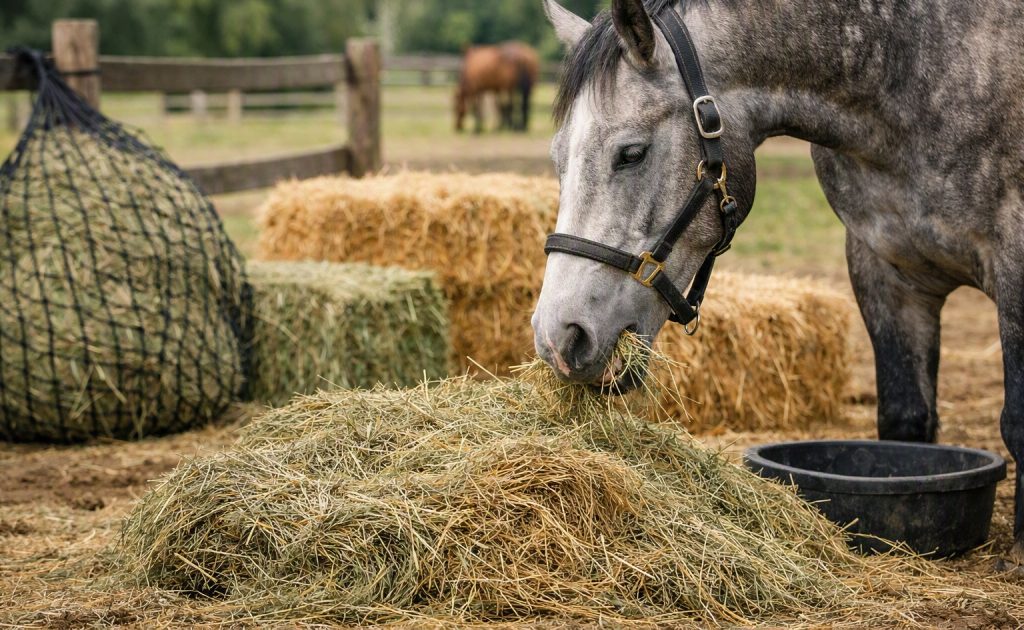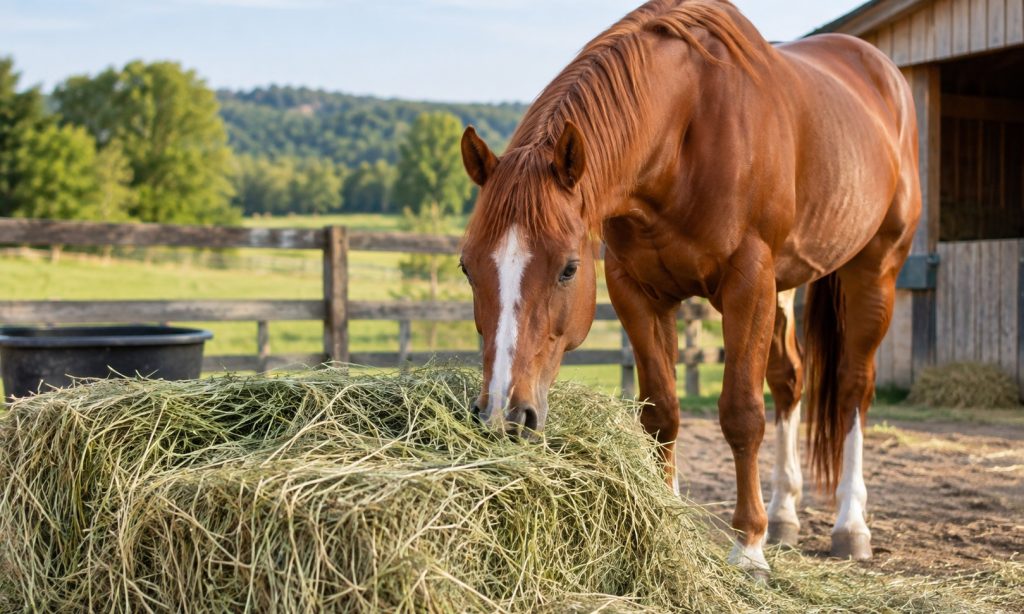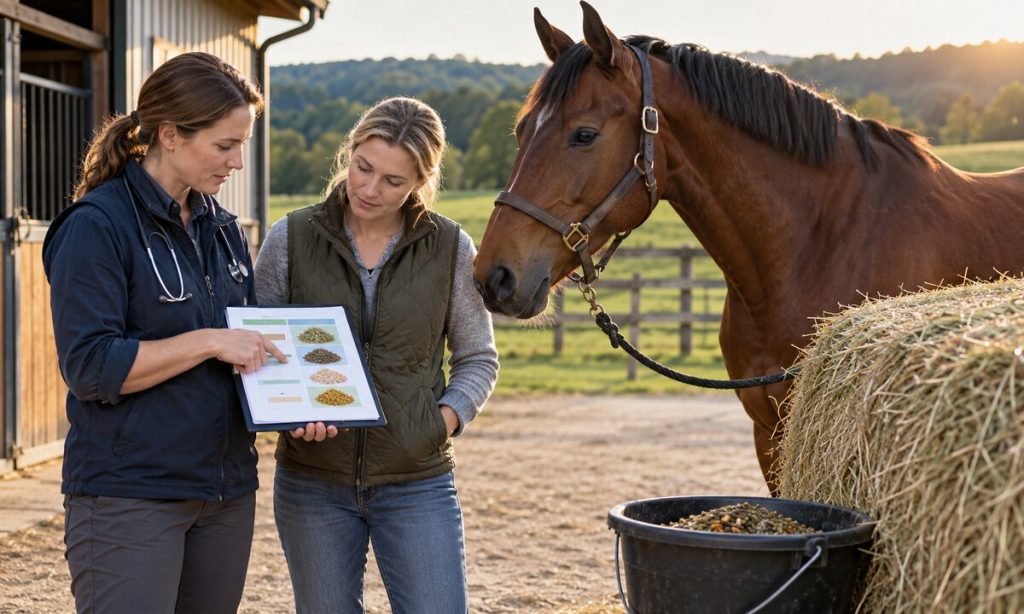
An amino acid supplement is only one possible part of a horse’s nutrition plan. Before starting one, ask your veterinarian what need it is intended to address and how you will judge whether the plan is helping. The answer may depend on the horse’s whole ration, forage quality, age, workload, body condition, health, and current supplements. Agreeing on a baseline makes later changes easier to interpret. Track what the horse eats, how its body condition and muscle pattern look, and whether appetite, manure, or comfort changes. Do not assume a coat or topline change proves that a supplement caused it. If you are discussing an amino acid supplement for horses, use your veterinarian’s plan to choose meaningful measures and a follow-up date.
Set a veterinary goal before the first serving
Ask what problem the supplement is meant to address. Is the concern muscle maintenance, a life-stage need, forage quality, recovery, or a ration imbalance? A poor topline, weight change, dull coat, or reduced performance can have different causes. Dental problems, pain, illness, parasite burden, workload, and total calorie intake may all need consideration. A supplement cannot diagnose these issues.
Review the full ration together. Bring feed and supplement labels, approximate amounts, pasture access, hay type, and recent forage analysis if available. Ask whether the horse needs more amino acids specifically, more total calories, a change in the forage plan, or another form of veterinary care. Nutritional protein is made of amino acids, and forage contributes to the total intake. A label’s crude-protein number alone does not describe every detail of protein quality.
Confirm how to introduce the supplement, the amount, whether it should replace or add to anything already fed, and how long to observe before reassessment. Do not add multiple new feeds or supplements at once unless your veterinarian recommends that plan. Ask what signs mean you should stop and call sooner.
Record a baseline before changing the ration
Write down the horse’s current feed, forage, supplement amounts, feeding times, and appetite. Note any recent change in hay lot, pasture, exercise, turnout, medication, or health. This creates context for later changes and helps avoid attributing a difference to the supplement when another part of the routine changed at the same time.
Ask your veterinarian to help assess body condition and muscle condition. Take side and rear photographs in consistent lighting and from the same distance. If you use a weight tape, measure in the same place and at a similar time of day. A tape estimate is not a scale weight, but repeated measurements can show a trend when used consistently.
Choose one or two outcomes that match the reason for the discussion. If the concern is muscle, record the areas your veterinarian identified and the horse’s work schedule. If the concern is weight, track weight estimates and body condition. If the concern is feed intake, note how much is offered and left. Avoid broad notes such as “looks better” without describing what changed. Keep body condition and muscle observations separate. A higher weight estimate can reflect fat, water, or gut fill rather than muscle. Record the areas the veterinarian identified, and use the same body-condition method each time. A weight tape is useful for trends, but it is not an exact scale measurement.
Monitor the horse during the introduction
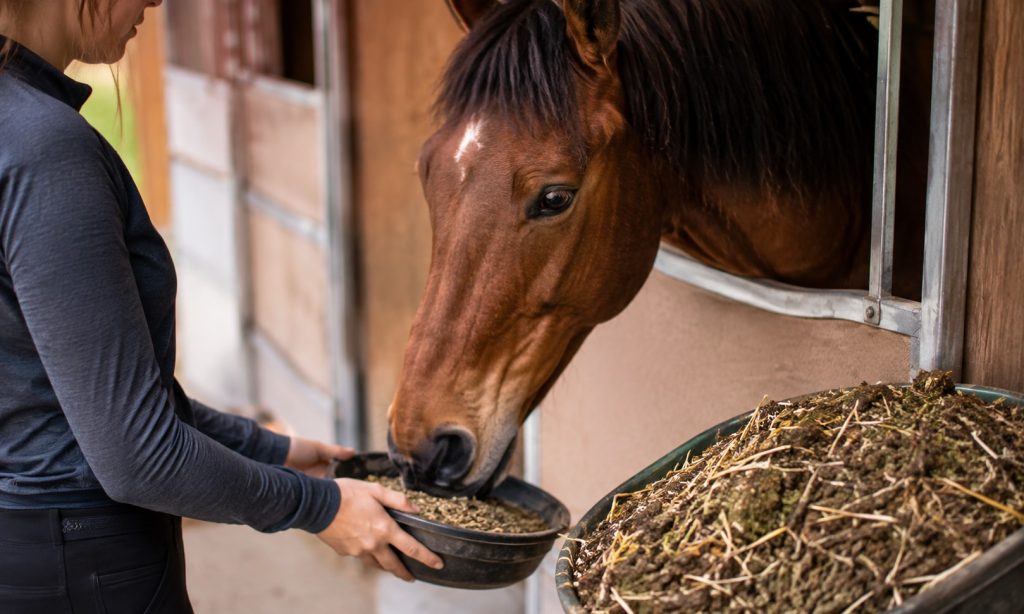
Follow the veterinarian’s instructions and the feeding label. Record the start date, amount, and whether the horse eats the full serving. Note missed feedings, changes in appetite, manure consistency, water intake, and any sign of discomfort. If the horse refuses the new feed or develops a reaction, call the veterinarian before increasing the amount or hiding it in additional ingredients.
Continue taking photos and measurements on a schedule your veterinarian considers useful. Muscle and body condition do not usually change in a single day, so a consistent record over time is more informative than frequent visual comparisons. Ask the veterinarian how soon a recheck is appropriate and which changes would be meaningful for this horse.
Keep exercise, turnout, and other parts of the ration as consistent as possible while you are assessing the plan. If a training program changes, the horse begins work, or a new health issue appears, record it. Those factors can affect muscle, appetite, and weight independently of amino acid intake.
Interpret visible changes carefully
A stronger topline or improved muscle condition may reflect adequate energy, protein quality, exercise, recovery, and health together. It does not automatically prove a supplement was responsible. Similarly, no visible change does not by itself show that the supplement failed; the horse may not have had a deficiency, the goal may be maintenance, or another issue may be limiting progress.
Research and nutrition guidance emphasize evaluating the whole ration rather than assuming every horse needs extra amino acids. In public rider discussions, some owners describe visible changes within weeks, while others report little difference or attribute changes to forage and exercise. These are personal accounts, not controlled evidence or a reliable timeline. Use them as reminders that responses vary, not as a basis for changing the plan.
Ask your veterinarian to review the record at the agreed follow-up. The next step might be to continue, adjust, stop, or investigate another cause. Bring your log, feed labels, photos, and any forage analysis to that discussion. If the hay lot or ration changed, note the date and amount so the veterinarian can interpret the pattern. Do not increase the serving simply because a coat or muscle change is slower than expected. If the horse loses weight, becomes weak, stops eating, develops persistent digestive changes, or seems painful, contact the veterinarian promptly.
Frequently Asked Questions
How soon should I expect a change?
There is no reliable timeline for every horse or goal. Ask your veterinarian when to reassess, and compare consistent measurements over the agreed period.
What should I track after starting an amino acid supplement?
Record the ration, serving amount, appetite, manure, weight estimate, body and muscle condition, exercise, and any new signs or routine changes.
Does a poor topline mean my horse needs amino acids?
Not necessarily. Workload, calories, forage, pain, dental health, and other medical issues can affect muscle condition. Ask a veterinarian to assess the cause.
Should I change the amount if I do not see progress?
Do not adjust it without veterinary advice. Review the full ration and your measurements with the veterinarian first.
Can I start more than one new supplement at once?
Ask the veterinarian. Introducing several changes together makes it harder to identify what helps or causes a problem.
Final Words
Before introducing an amino acid supplement, agree with your veterinarian on the goal, the feeding plan, the baseline, and the review date. Record the complete ration and track a few consistent measures that fit the horse’s needs. Keep other changes visible in your notes, and call if appetite, manure, weight, comfort, or health changes unexpectedly. If you are considering an amino acid supplement for horses, use observed trends and veterinary guidance rather than a single photo or someone else’s reported result. The whole ration and the horse’s health determine whether extra amino acids are appropriate.