Introduction
Before adding an amino acid supplement to a horse’s routine, review the whole ration rather than focusing on one ingredient. Amino acids are the building blocks of protein, and horses need a balanced supply from forage and other feeds. A supplement may be useful in some diets, but it cannot correct poor-quality forage, an unbalanced feeding plan, illness, or an unrealistic workload. The horse’s age, body condition, growth, pregnancy or lactation status, and exercise all affect nutritional needs. If you are comparing an amino acid supplement for horses, start by listing every feed and supplement the horse receives, then ask a veterinarian or equine nutritionist whether a gap exists. This guide explains what to check before making a change and how to monitor it responsibly.
Why amino acids matter
Protein is made from amino acids that support many body functions, including the formation and maintenance of muscle and other tissues. Some amino acids are essential, meaning they must come from the diet. Lysine is often discussed as a limiting amino acid in common horse diets, while the balance of other amino acids also matters. Requirements and availability vary by life stage, feed ingredients, and the horse’s individual ration.
A feed’s crude protein percentage does not tell the whole story about protein quality. Two diets with similar crude protein values can differ in digestibility and amino acid profile. For that reason, adding a single amino acid without reviewing the rest of the diet may not solve the problem you are trying to address.
First assess the horse and its ration
Clarify the reason for considering a supplement
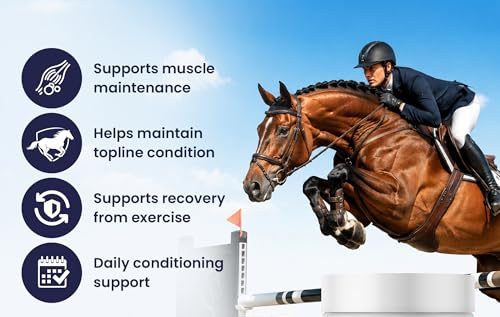
Write down the concern: poor topline, slow recovery, growth, a rough coat, or a ration built around low-protein forage. These observations can have several causes. A loss of muscle or body condition can relate to inadequate calories, pain, dental problems, parasites, disease, age, or workload. A veterinarian can help investigate health concerns before you assume a nutrient deficiency.
List everything the horse eats
Record the type and approximate amount of hay or pasture, concentrates, ration balancer, treats, and all supplements. Include labels and feeding directions. Forage can contribute a substantial share of protein and amino acids, and different hays vary. A feed analysis may help clarify nutrient content when forage quality is uncertain. A nutritionist can evaluate the complete ration rather than estimating from one bag label.
Match the plan to life stage and workload
A growing horse, broodmare, mature leisure horse, and hard-working athlete have different nutritional considerations. Exercise does not automatically mean the horse needs an amino acid powder; total calories, protein quality, forage, and recovery all matter. For horses with medical conditions, ask the veterinarian to review the diet before introducing a supplement.
Questions to ask before adding amino acids
-
Is a dietary gap likely? Ask a veterinarian or equine nutritionist to assess the whole ration and identify which nutrient, if any, is deficient or out of balance.
-
What amino acids and amounts are provided? Read the full guaranteed analysis and serving instructions. Check whether the product lists actual amounts or only a blend, and compare those amounts with other feeds.
-
Does the horse need more protein or a different protein profile? A horse may need adjustments to forage or a balanced feed rather than an isolated supplement. Ask what change best fits the ration and the horse’s condition.
-
Could the product duplicate existing nutrients? Multiple feeds and supplements can overlap. Review total daily intake, especially when several products contain the same amino acids, minerals, or vitamins.
-
Is the product appropriate for this horse? Ask about health conditions, medications, pregnancy, age, competition status, and any ingredient restrictions before feeding it.
How to make a diet change carefully
If a professional recommends a specific change, follow the label and their instructions. Introduce new feed gradually as advised and make one change at a time. Keep the rest of the routine stable so you can identify whether appetite, manure, body condition, or behavior changes. Store the product as directed and use a clean, dry scoop to avoid contamination.
Do not exceed the label serving or add multiple products in an attempt to speed up muscle development. More is not automatically better, and an excess can add cost or unneeded nutrients without solving the underlying issue. Do not stop prescribed treatment or delay an examination because you are trying a supplement.
Track a clear outcome. Depending on the original concern, this may include body condition, weight, appetite, workload tolerance, or a veterinarian’s muscle assessment. Take consistent notes or photographs rather than judging from memory. Ask the professional when to review the plan and what signs should prompt a call.
When to get professional advice
Consult a veterinarian if the horse is losing weight or muscle, has a sudden decline in performance, poor appetite, difficulty chewing, persistent diarrhea, unexplained weakness, or another change in health. A nutritionist can help calculate a ration, but should not replace veterinary evaluation of illness or pain. Share all feed labels, current medications, and health history so advice accounts for the whole horse.
If the horse competes, check current rules for all ingredients and maintain the product label and lot information. Rules can vary by organization and change over time. Ask the governing body or veterinarian if an ingredient’s status is unclear.
Frequently Asked Questions
Does every horse need an amino acid supplement?
No. Many horses receive needed protein and amino acids through a suitable forage-based ration and balanced feed. Whether a supplement is useful depends on the complete diet and the individual horse.
Is crude protein the same as amino acid quality?
No. Crude protein estimates total protein, but feeds can differ in digestibility and amino acid profile. A ration review considers ingredients and the horse’s needs, not just one percentage.
Is lysine the only amino acid to consider?
No. Lysine is often a limiting amino acid in horse diets, but the balance of other amino acids and total protein quality also matter. A professional can assess the ration as a whole.
Can amino acid supplements build muscle without exercise?
A supplement cannot replace appropriate conditioning, sufficient calories, rest, or evaluation of pain and illness. Ask a veterinarian or nutritionist to investigate muscle loss or poor topline before changing the diet.
Can I combine an amino acid supplement with a ration balancer?
Do not assume the combination is appropriate. Compare full labels and ask a nutrition professional to check for duplication and total daily intake before adding another product.
Final Words
Before adding an amino acid supplement, assess the horse’s health, life stage, workload, forage, and complete ration. Check the product’s full nutrient information, avoid overlapping products, and make changes only with professional guidance. Track a clear outcome instead of assuming that more amino acids mean better muscle or performance. If you are considering an amino acid supplement for horses, have a veterinarian or qualified equine nutritionist determine whether it addresses a real need for that individual horse.
Reference
- Protein in the Horse Diet, Penn State Extension.
- The Basics of Equine Nutrition, Rutgers Cooperative Extension.
- Amino Acid Requirements for Horses, University of Kentucky Equine Programs.
- Controlled trial of whole body protein synthesis and plasma amino acid concentrations in yearling horses fed graded amounts of lysine, The Veterinary Journal.