
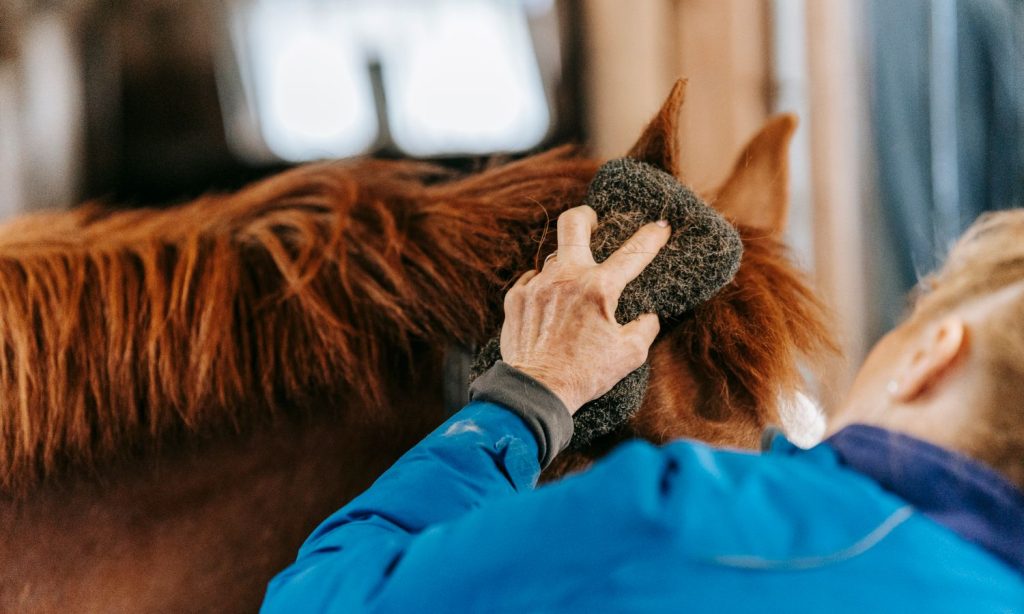
A thin mane, broken tail hairs, or dull coat can make you wonder which supplement to buy. The best supplement for horse hair growth depends on why the hair looks weak in the first place. Genetics, seasonal shedding, rubbing, parasites, skin irritation, inadequate nutrition, and grooming damage can look similar. We compare seven independently identified equine products emphasizing biotin, amino acids, protein, or fatty acids. You will see what their ingredient approaches offer, what their feeding formats require, and where marketing promises need caution. None can guarantee faster growth or correct a skin disease. If hair loss is patchy, itchy, or sudden, call your veterinarian before adding another supplement. Reviewing the existing ration and reducing breakage may matter more than adding a product, and those practical decisions are central to this guide.
Quick Picks
| Product | Best For | Key Advantage | Buy | |
|---|---|---|---|---|
| AniMed Biotin 100 Daily | biotin-focused feeding | d-biotin powder | View on Amazon | Jump to Review |
| Farnam Super 14 Skin & Coat | overall coat appearance | skin and coat blend | View on Amazon | Jump to Review |
| BioMane Hair Nutrition Pellets | mane and tail nutrition | amino acids and protein | View on Amazon | Jump to Review |
| Horse Guard Hoof & Hair Guard | hoof and hair combination | biotin methionine zinc | View on Amazon | Jump to Review |
| Majesty’s Omega Wafers | no-powder daily feeding | omega fatty acids in wafers | View on Amazon | Jump to Review |
| Manna Pro AccuBites Radiance | easy-to-see feed pieces | omega and biotin combination | View on Amazon | Jump to Review |
| Healthy Coat Feed Supplement | liquid fatty-acid feeding | omega 3 and 6 liquid | View on Amazon | Jump to Review |
1. AniMed Biotin 100 Daily

What We Like
- Biotin-based formula
- Equine powder format
- Hoof and hair focus
- Daily feed application
What We Don’t Like
- Container details inconsistent
- Extra biotin may be unnecessary
AniMed Biotin 100 Daily is a product to consider for biotin-focused feeding. AniMed Biotin 100 is an equine powder promoted for hoof structure and normal mane and tail condition. Its principal nutritional angle is biotin rather than a mixed fatty-acid blend. The important buying question is whether its distinctive ingredients match a demonstrated need, rather than whether its marketing promises a dramatic cosmetic transformation. Compare its ingredient contributions against the horse’s complete ration, rather than the front-label promise.
The powder can be added to feed, making it practical when the horse already receives a moist or mixed meal. Verify the amount supplied in each serving, rather than choosing on the brand’s large biotin number alone. Compare the serving amount and ingredient quantities against the horse’s complete ration. Ease of feeding matters, but it does not independently prove that a product makes hair grow faster. Follow the current label for the daily serving and storage advice. Consistent use is easier if the chosen format suits the horse’s regular meal.
Extra biotin does not automatically speed hair growth in an adequately fed horse. The listing contains inconsistent container-size language, so confirm the exact package before purchase. That tradeoff deserves as much consideration as the advertised positives. A carefully selected product is an addition to balanced nutrition and careful grooming, never a replacement for examining the underlying cause of hair loss. No supplement repairs broken hair without addressing continuing damage. New mane and tail growth follows natural cycles and varies between individual horses.
My Recommendation
My recommendation is to compare AniMed Biotin 100 Daily when biotin-focused feeding is your specific goal. The d-biotin powder format or ingredient approach may be useful, but it should complement an already sound feeding plan. Extra biotin does not automatically speed hair growth in an adequately fed horse. The listing contains inconsistent container-size language, so confirm the exact package before purchase. Evaluate the horse’s existing nutritional intake and grooming conditions before choosing it over a simpler formula.
2. Farnam Super 14 Skin & Coat

What We Like
- Horse skin-and-coat positioning
- Mane and tail emphasis
- Measured feed supply
- Daily supplement format
What We Don’t Like
- Growth speed not established
- Check nutrient duplication
Farnam Super 14 Skin & Coat is a product to consider for overall coat appearance. Farnam Super 14 is marketed for equine coat appearance and normal mane and tail condition. The selected package is the 2.75-pound version intended for routine feeding. The important buying question is whether its distinctive ingredients match a demonstrated need, rather than whether its marketing promises a dramatic cosmetic transformation. Coat shine and actual hair growth are different outcomes worth monitoring separately. Healthy skin and gentle grooming remain important no matter which product is chosen.
Its wide skin-and-coat positioning may appeal to owners comparing overall condition rather than one isolated nutrient. Read the full guaranteed analysis and compare it with an existing ration balancer before buying. Compare the serving amount and ingredient quantities against the horse’s complete ration. Ease of feeding matters, but it does not independently prove that a product makes hair grow faster. Consistent use is easier if the chosen format suits the horse’s regular meal. Introduce feeding changes gradually and watch for appetite or manure changes.
The listing’s shine timeline should not be interpreted as proven faster hair growth. Rubbing, parasites, and dermatitis will not be corrected by simply adding an extra coat product. That tradeoff deserves as much consideration as the advertised positives. A carefully selected product is an addition to balanced nutrition and careful grooming, never a replacement for examining the underlying cause of hair loss. New mane and tail growth follows natural cycles and varies between individual horses. Extra calories matter when weight management is already a concern.
My Recommendation
My recommendation is to compare Farnam Super 14 Skin & Coat when overall coat appearance is your specific goal. The skin and coat blend format or ingredient approach may be useful, but it should complement an already sound feeding plan. The listing’s shine timeline should not be interpreted as proven faster hair growth. Rubbing, parasites, and dermatitis will not be corrected by simply adding an extra coat product. Evaluate the horse’s existing nutritional intake and grooming conditions before choosing it over a simpler formula.
3. BioMane Hair Nutrition Pellets

What We Like
- Mane and tail oriented
- Amino acids listed
- Protein in formula
- Daily pellets
What We Don’t Like
- Does not prevent rubbing
- Diet overlap needs checking
BioMane Hair Nutrition Pellets is a product to consider for mane and tail nutrition. BioMane supplies daily equine pellets and describes a mixture of amino acids, proteins, vitamins, and nutrients related to normal hair condition. Its message focuses specifically on mane and tail care. The important buying question is whether its distinctive ingredients match a demonstrated need, rather than whether its marketing promises a dramatic cosmetic transformation. Healthy skin and gentle grooming remain important no matter which product is chosen.
A thirty-serving package creates a clear daily feeding routine. Compare the supplemental amino acids with the horse’s forage and concentrate rather than assuming that more protein always produces a longer tail. Compare the serving amount and ingredient quantities against the horse’s complete ration. Ease of feeding matters, but it does not independently prove that a product makes hair grow faster. Introduce feeding changes gradually and watch for appetite or manure changes. Do not combine multiple coat supplements before checking the total nutrient amounts.
Nutrient support cannot stop constant mechanical breakage from rubbing or unsuitable grooming. A horse with inflamed skin needs assessment before cosmetic supplementation. That tradeoff deserves as much consideration as the advertised positives. A carefully selected product is an addition to balanced nutrition and careful grooming, never a replacement for examining the underlying cause of hair loss. Extra calories matter when weight management is already a concern. A veterinarian can investigate persistent patchy hair loss or skin irritation. Alternative products may be more suitable when the ration already supplies these nutrients.
My Recommendation
My recommendation is to compare BioMane Hair Nutrition Pellets when mane and tail nutrition is your specific goal. The amino acids and protein format or ingredient approach may be useful, but it should complement an already sound feeding plan. Nutrient support cannot stop constant mechanical breakage from rubbing or unsuitable grooming. A horse with inflamed skin needs assessment before cosmetic supplementation. Evaluate the horse’s existing nutritional intake and grooming conditions before choosing it over a simpler formula.
4. Horse Guard Hoof & Hair Guard

What We Like
- Biotin plus methionine
- Zinc included
- Soy-protein base
- Hoof and mane focus
What We Don’t Like
- Soy carrier included
- Mineral overlap possible
Horse Guard Hoof & Hair Guard is a product to consider for hoof and hair combination. Horse Guard Hoof & Hair Guard combines biotin, methionine, and zinc in a soy-protein-based formula. It covers hoof health alongside a normal coat, mane, and tail. The important buying question is whether its distinctive ingredients match a demonstrated need, rather than whether its marketing promises a dramatic cosmetic transformation. Additional nutrients have value only when they fit an individual feeding need. The horse’s overall diet should remain balanced during any trial.
The combination is worth comparing when a nutritionist identifies gaps in protein quality or mineral balance. Follow the full label and account for what the horse already receives from fortified feed. Compare the serving amount and ingredient quantities against the horse’s complete ration. Ease of feeding matters, but it does not independently prove that a product makes hair grow faster. Do not combine multiple coat supplements before checking the total nutrient amounts. An organized feeding record helps you assess whether a new addition is practical.
Biotin and zinc can be duplicated by other supplements. Soy ingredients may also matter for an individual feeding plan; neither factor should be ignored just because hair-growth wording appears on the label. That tradeoff deserves as much consideration as the advertised positives. A carefully selected product is an addition to balanced nutrition and careful grooming, never a replacement for examining the underlying cause of hair loss. A veterinarian can investigate persistent patchy hair loss or skin irritation. Alternative products may be more suitable when the ration already supplies these nutrients.
My Recommendation
My recommendation is to compare Horse Guard Hoof & Hair Guard when hoof and hair combination is your specific goal. The biotin methionine zinc format or ingredient approach may be useful, but it should complement an already sound feeding plan. Biotin and zinc can be duplicated by other supplements. Soy ingredients may also matter for an individual feeding plan; neither factor should be ignored just because hair-growth wording appears on the label. Evaluate the horse’s existing nutritional intake and grooming conditions before choosing it over a simpler formula.
5. Majesty’s Omega Wafers

What We Like
- Portable daily wafer
- Omega 3 6 9 listed
- Biotin included
- No powder measuring
What We Don’t Like
- Sweetened ingredients
- Metabolic caution needed
Majesty’s Omega Wafers is a product to consider for no-powder daily feeding. Majesty’s Omega Wafers contain omega-3, omega-6, and omega-9 fatty acids along with biotin. The listing describes molasses, oats, and apple sauce in the wafer base. The important buying question is whether its distinctive ingredients match a demonstrated need, rather than whether its marketing promises a dramatic cosmetic transformation. The horse’s overall diet should remain balanced during any trial. Compare its ingredient contributions against the horse’s complete ration, rather than the front-label promise.
A separate wafer can be convenient when a horse repeatedly leaves powdered supplements behind. Compare that feeding ease against the calories and carbohydrate contribution of a sweetened snack. Compare the serving amount and ingredient quantities against the horse’s complete ration. Ease of feeding matters, but it does not independently prove that a product makes hair grow faster. An organized feeding record helps you assess whether a new addition is practical. Follow the current label for the daily serving and storage advice.
The sweetened base may be unsuitable for some insulin-dysregulated horses. Fatty acids support normal nutrition, but better shine is not the same thing as documented acceleration of hair growth. That tradeoff deserves as much consideration as the advertised positives. A carefully selected product is an addition to balanced nutrition and careful grooming, never a replacement for examining the underlying cause of hair loss. Alternative products may be more suitable when the ration already supplies these nutrients. No supplement repairs broken hair without addressing continuing damage.
My Recommendation
My recommendation is to compare Majesty’s Omega Wafers when no-powder daily feeding is your specific goal. The omega fatty acids in wafers format or ingredient approach may be useful, but it should complement an already sound feeding plan. The sweetened base may be unsuitable for some insulin-dysregulated horses. Fatty acids support normal nutrition, but better shine is not the same thing as documented acceleration of hair growth. Evaluate the horse’s existing nutritional intake and grooming conditions before choosing it over a simpler formula.
6. Manna Pro AccuBites Radiance

What We Like
- Omega fatty acids listed
- Biotin included
- Alfalfa and flax
- Distinct feed-piece shape
What We Don’t Like
- Multi-ingredient overlap
- No growth guarantee
Manna Pro AccuBites Radiance is a product to consider for easy-to-see feed pieces. Manna Pro AccuBites Radiance is marketed for horse skin, coat, mane, tail, and hoof condition. Its ingredients list includes omega fatty acids, biotin, alfalfa, flax, and kelp. The important buying question is whether its distinctive ingredients match a demonstrated need, rather than whether its marketing promises a dramatic cosmetic transformation. Compare its ingredient contributions against the horse’s complete ration, rather than the front-label promise. Coat shine and actual hair growth are different outcomes worth monitoring separately.
The shaped pieces may help owners notice whether the supplement has been eaten. Compare the complete nutritional contribution with the daily grain and forage instead of equating palatability with efficacy. Compare the serving amount and ingredient quantities against the horse’s complete ration. Ease of feeding matters, but it does not independently prove that a product makes hair grow faster. Follow the current label for the daily serving and storage advice. Consistent use is easier if the chosen format suits the horse’s regular meal.
The many ingredients create potential overlap with existing fortified feeds. Evaluate the total ration before selecting this blend merely for its distinctive presentation. That tradeoff deserves as much consideration as the advertised positives. A carefully selected product is an addition to balanced nutrition and careful grooming, never a replacement for examining the underlying cause of hair loss. No supplement repairs broken hair without addressing continuing damage. New mane and tail growth follows natural cycles and varies between individual horses.
My Recommendation
My recommendation is to compare Manna Pro AccuBites Radiance when easy-to-see feed pieces is your specific goal. The omega and biotin combination format or ingredient approach may be useful, but it should complement an already sound feeding plan. The many ingredients create potential overlap with existing fortified feeds. Evaluate the total ration before selecting this blend merely for its distinctive presentation. Evaluate the horse’s existing nutritional intake and grooming conditions before choosing it over a simpler formula.
7. Healthy Coat Feed Supplement

What We Like
- Omega 3 and 6 emphasis
- Biotin and B12 listed
- Liquid feed format
- One-gallon package
What We Don’t Like
- Adds dietary calories
- Not a hair-loss treatment
Healthy Coat Feed Supplement is a product to consider for liquid fatty-acid feeding. Healthy Coat comes as a liquid equine feed supplement emphasizing omega-3 and omega-6 fatty acids. The listing also names biotin, niacin, and vitamin B12. The important buying question is whether its distinctive ingredients match a demonstrated need, rather than whether its marketing promises a dramatic cosmetic transformation. Coat shine and actual hair growth are different outcomes worth monitoring separately. Healthy skin and gentle grooming remain important no matter which product is chosen.
A liquid may be useful for moistening dry feed and adding dietary fat when the whole feeding plan needs it. Calculate additional calories if your horse is an easy keeper. Compare the serving amount and ingredient quantities against the horse’s complete ration. Ease of feeding matters, but it does not independently prove that a product makes hair grow faster. Consistent use is easier if the chosen format suits the horse’s regular meal. Introduce feeding changes gradually and watch for appetite or manure changes.
This is not a narrowly targeted treatment for hair loss. Check the skin and grooming routine if mane hair is breaking, and avoid adding fat without a nutritional reason. That tradeoff deserves as much consideration as the advertised positives. A carefully selected product is an addition to balanced nutrition and careful grooming, never a replacement for examining the underlying cause of hair loss. New mane and tail growth follows natural cycles and varies between individual horses. Extra calories matter when weight management is already a concern.
My Recommendation
My recommendation is to compare Healthy Coat Feed Supplement when liquid fatty-acid feeding is your specific goal. The omega 3 and 6 liquid format or ingredient approach may be useful, but it should complement an already sound feeding plan. This is not a narrowly targeted treatment for hair loss. Check the skin and grooming routine if mane hair is breaking, and avoid adding fat without a nutritional reason. Evaluate the horse’s existing nutritional intake and grooming conditions before choosing it over a simpler formula.
How to choose best supplement for horse hair growth
The best supplement for horse hair growth is one that matches a genuine nutritional gap, fits an existing feeding routine, and avoids duplication. Assess mane care, skin health, and complete ration balance before believing a coat-growth claim or introducing several new products.
Examine skin, grooming, and nutrient adequacy
Long hair often breaks before reaching its potential length. Check for rubbing on fences, tight braids, rough brushes, parasite exposure, and normal seasonal shedding. Scaling, crusting, sudden thinning, or itching warrant veterinary evaluation because a supplement cannot resolve all skin disorders. Read each concentrate, balancer, and supplement label for biotin, zinc, protein, and other current contributions. Our horse coat supplement guide shows why the entire ration matters. Photograph the mane and tail under similar conditions over time, so hair breakage is not mistaken for a nutrient deficiency. Groom gently and take action on sources of friction before purchasing a second supplement.
Compare protein, biotin, zinc, and fatty acids
Hair contains structural proteins, so an appropriate supply of quality protein and amino acids matters. Biotin and zinc also play roles in normal tissue function, but more does not always produce a visible benefit. Oils provide dietary fat that may affect coat condition without proving an increased growth rate. Check stated amounts rather than choosing whichever label names the most nutrients. If forage or feed is low in protein quality, compare a verified equine protein supplement as part of an overall nutrition review. Products containing molasses, oils, or kelp also have implications for calories, sugar, or mineral balance. Ask a veterinarian or equine nutritionist to help avoid duplicating concentrated ingredients.
Select an easy format and measure progress patiently
Pellets, loose powders, wafers, and liquids offer different convenience; no delivery form guarantees faster growth. Consider whether the horse finishes top-dressed feed, whether sweetened wafers fit a metabolic plan, and whether an oil adds unnecessary calories. Introduce changes gradually and avoid multiple new products together, so tolerance is easier to judge. Hair grows over time, and changes in coat shine can reflect grooming and seasonal condition rather than true extra length. Protect existing strands from breakage when brushing and braiding. See our horse tail detangler comparison for related handling decisions. If thinning continues despite sound care, investigate the cause rather than escalating supplement amounts.
Frequently Asked Questions
Does biotin make every horse’s mane grow faster?
No. Biotin supports normal metabolism, but extra amounts are not proven to increase hair-growth speed in every well-fed horse.
Are coat oils and hair-growth supplements the same?
No. Oils primarily add dietary fat, while other products emphasize protein, amino acids, vitamins, or minerals. Their roles differ.
Why does my horse keep losing tail hair?
Rubbing, parasites, skin irritation, breakage, and nutrition can contribute. Persistent thinning calls for a veterinary assessment.
How quickly should I see longer hair?
Hair grows gradually and depends on genetics and breakage. Be skeptical of dramatic growth promises within days.
Are sweet coat wafers appropriate for insulin-resistant horses?
Not automatically. Review sugar, starch, and calorie content with your veterinarian before feeding sweetened products.
Final Verdict
BioMane provides a specifically mane-and-tail-oriented daily pellet, while Horse Guard Hoof & Hair Guard takes a biotin, methionine, and zinc approach. A fatty-acid formula is a different nutritional choice, not a guaranteed hair-growth accelerator. Check the whole ration and protect existing hair from breakage first. For adjacent everyday care, see our horse shampoo comparison.
Affiliate disclosure: This article contains Amazon affiliate links. If you purchase through them, PetAdvisorPro may earn a commission. As an Amazon Associate I earn from qualifying purchases.









