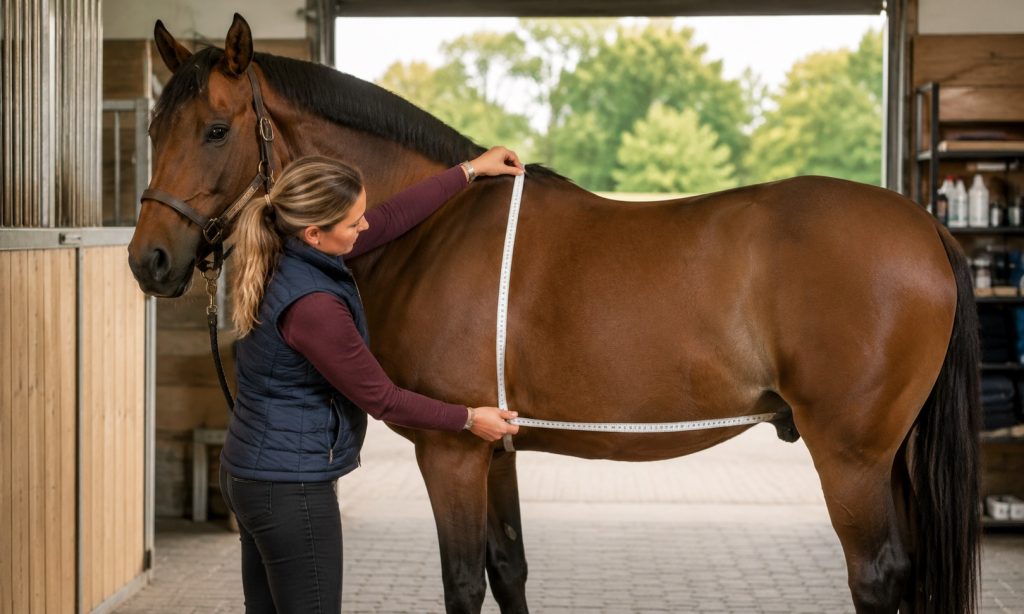

The best toys for horses add variety to a stall or paddock while complementing, not replacing, turnout, forage, and social contact. Some horses enjoy pushing a large ball; others prefer pulling handles or investigating a small food puzzle. The right choice depends on the horse’s size, personality, habits, living space, and ability to play without damaging equipment. This guide compares seven authentic equine enrichment products, not children’s horse figurines or decorative plush toys. Options include rubber play balls, tug toys, rolling feeders, and hanging treat puzzles. Their materials, hardware, and supervision needs are different. Start with a careful introduction, watch how your horse interacts, and inspect every surface for wear. Toys can be valuable activities, but they are not a cure for distress or a substitute for safe routine care.
Quick Picks
| Product | Best For | Key Advantage | Buy | |
|---|---|---|---|---|
| Horsemen’s Pride 14-Inch Jolly Tug | energetic tug play | nylon-covered ball with handles | View on Amazon | Jump to Review |
| Horsemen’s Pride 10-Inch Jolly Ball | simple solo ball play | no-inflation handled ball | View on Amazon | Jump to Review |
| PetKORE KoreFlex Ball & Tail | tossing and tail grabbing | rubber ball with tails | View on Amazon | Jump to Review |
| PetKORE Luna Ring Puzzle | supervised hanging treat play | nine-inch rubber food puzzle | View on Amazon | Jump to Review |
| PetKORE Clover Horse Treat Ball | hay and treat exploration | ground or hanging puzzle | View on Amazon | Jump to Review |
| Shires Nine-Inch Ball Feeder | contained rolling play | twenty-sided feeder ball | View on Amazon | Jump to Review |
| Besimple Two-Pack Hanging Hay Balls | swinging forage activity | pair of hanging feeder toys | View on Amazon | Jump to Review |
1. Horsemen’s Pride 14-Inch Jolly Tug

What We Like
- Fourteen-inch covered ball
- Two grab handles
- Machine-washable cover
- Purpose-built horse toy
What We Don’t Like
- Fabric can tear
- Handles need frequent checks
Horsemen’s Pride 14-Inch Jolly Tug is designed for energetic tug play. Jolly Tug combines a fourteen-inch ball with a durable fabric cover and two handles. The listing describes a machine-washable Cordura-style nylon outer cover. The useful comparison is how this specific construction suits a horse’s play style, rather than whether the packaging promises endless entertainment or fewer behavior problems. A toy should complement regular forage, exercise, and equine social contact. The correct choice depends on the horse’s behavior and the available space.
The handles add a different interaction from pushing a smooth ball. It may appeal to a horse that likes grabbing and tugging, if there is adequate space for safe play. Pay attention to the horse’s first reactions and where the object will be positioned. The size and shape matter as much as the product name, especially in a confined stall. Inspect handles, ropes, rubber surfaces, and attachment hardware frequently. Place toys away from exits, loose fencing, and narrow trapping points.
Fabric, stitching, and handles can wear under strong equine teeth. Inspect the cover frequently and remove the toy if pieces begin to separate. The safety implications are substantial because horses can pull, bite, kick, and destroy equipment with considerable force. Supervision and regular inspection are essential even when a product is specifically marketed for equine use. Any loose component or sharp damaged edge means the toy must be removed. A hanging toy can create dangerous entanglement if mounted incorrectly.
My Recommendation
My recommendation is to consider Horsemen’s Pride 14-Inch Jolly Tug if energetic tug play is the kind of enrichment your horse enjoys. Its nylon-covered ball with handles design provides a meaningful difference from the other options. Fabric, stitching, and handles can wear under strong equine teeth. Inspect the cover frequently and remove the toy if pieces begin to separate. Introduce the toy under supervision and retire it promptly if any section becomes unsafe. A safe routine matters more than the number of toys owned.
2. Horsemen’s Pride 10-Inch Jolly Ball

What We Like
- Ten-inch equine ball
- Integrated grab handle
- No inflation required
- Suitable for stall or pasture
What We Don’t Like
- Not all horses engage
- Rubber damage needs checking
Horsemen’s Pride 10-Inch Jolly Ball is designed for simple solo ball play. The ten-inch Jolly Ball is a horse play ball with a built-in carrying handle. Its product information describes a puncture-resistant, non-inflated design. The useful comparison is how this specific construction suits a horse’s play style, rather than whether the packaging promises endless entertainment or fewer behavior problems. The correct choice depends on the horse’s behavior and the available space. Introduce every new item under supervision before deciding where it belongs.
This simple shape may suit supervised pushing, tossing, and pasture exploration without introducing feed or treats. Observe whether the horse enjoys the handle rather than assuming every horse will play. Pay attention to the horse’s first reactions and where the object will be positioned. The size and shape matter as much as the product name, especially in a confined stall. Place toys away from exits, loose fencing, and narrow trapping points. Clean food-bearing surfaces and remove old feed before the next use.
A non-inflated design does not make broken rubber safe. Replace the toy if the handle tears or chunks become loose, and watch play near fences. The safety implications are substantial because horses can pull, bite, kick, and destroy equipment with considerable force. Supervision and regular inspection are essential even when a product is specifically marketed for equine use. A hanging toy can create dangerous entanglement if mounted incorrectly. Treats should be counted within the horse’s normal daily feed plan.
My Recommendation
My recommendation is to consider Horsemen’s Pride 10-Inch Jolly Ball if simple solo ball play is the kind of enrichment your horse enjoys. Its no-inflation handled ball design provides a meaningful difference from the other options. A non-inflated design does not make broken rubber safe. Replace the toy if the handle tears or chunks become loose, and watch play near fences. Introduce the toy under supervision and retire it promptly if any section becomes unsafe. A safe routine matters more than the number of toys owned.
3. PetKORE KoreFlex Ball & Tail

What We Like
- Flexible rubber body
- Grab-and-toss tails
- Optional treat cavity
- Shape-retaining concept
What We Don’t Like
- Tails can deteriorate
- Food opening needs cleaning
PetKORE KoreFlex Ball & Tail is designed for tossing and tail grabbing. KoreFlex uses a flexible rubber ball with attached tails intended for equine grabbing and tossing. The listing also describes a central space for food pieces. The useful comparison is how this specific construction suits a horse’s play style, rather than whether the packaging promises endless entertainment or fewer behavior problems. Introduce every new item under supervision before deciding where it belongs. Avoid assuming a toy will resolve clinically important anxiety or stereotypic behavior.
The tails create a different play pattern from a plain round ball. Try it under supervision and use only suitable food if treating the middle as a puzzle. Pay attention to the horse’s first reactions and where the object will be positioned. The size and shape matter as much as the product name, especially in a confined stall. Clean food-bearing surfaces and remove old feed before the next use. Supervision is especially important while a horse learns how to manipulate the item.
The added tails and stuffing center introduce more areas for wear and lodged debris. Remove any split rubber or detached tail material immediately. The safety implications are substantial because horses can pull, bite, kick, and destroy equipment with considerable force. Supervision and regular inspection are essential even when a product is specifically marketed for equine use. Treats should be counted within the horse’s normal daily feed plan. Different play styles require different designs rather than one universal winner.
My Recommendation
My recommendation is to consider PetKORE KoreFlex Ball & Tail if tossing and tail grabbing is the kind of enrichment your horse enjoys. Its rubber ball with tails design provides a meaningful difference from the other options. The added tails and stuffing center introduce more areas for wear and lodged debris. Remove any split rubber or detached tail material immediately. Introduce the toy under supervision and retire it promptly if any section becomes unsafe. A safe routine matters more than the number of toys owned.
4. PetKORE Luna Ring Puzzle

What We Like
- Nine-inch rubber ring
- Treat-hiding pockets
- Hanging kit included
- Foraging-style activity
What We Don’t Like
- Rope entanglement risk
- Treats must fit diet
PetKORE Luna Ring Puzzle is designed for supervised hanging treat play. The Luna Ring is a nine-inch natural-rubber treat puzzle with pockets for food and a supplied hanging rope and carabiner. The useful comparison is how this specific construction suits a horse’s play style, rather than whether the packaging promises endless entertainment or fewer behavior problems. Avoid assuming a toy will resolve clinically important anxiety or stereotypic behavior. Choose an object too large to swallow and appropriate to the horse’s size.
The ring encourages a horse to search for small appropriate food pieces instead of simply chasing an object. Evaluate stall dimensions and hardware placement before using the suspension kit. Pay attention to the horse’s first reactions and where the object will be positioned. The size and shape matter as much as the product name, especially in a confined stall. Supervision is especially important while a horse learns how to manipulate the item. Keep a record of whether the horse actually interacts with the toy safely.
Ropes and clips can catch a halter, hoof, or leg. Follow mounting instructions and remove the toy when it cannot be safely supervised. The safety implications are substantial because horses can pull, bite, kick, and destroy equipment with considerable force. Supervision and regular inspection are essential even when a product is specifically marketed for equine use. Different play styles require different designs rather than one universal winner. Do not leave a destructive horse with an already damaged enrichment object.
My Recommendation
My recommendation is to consider PetKORE Luna Ring Puzzle if supervised hanging treat play is the kind of enrichment your horse enjoys. Its nine-inch rubber food puzzle design provides a meaningful difference from the other options. Ropes and clips can catch a halter, hoof, or leg. Follow mounting instructions and remove the toy when it cannot be safely supervised. Introduce the toy under supervision and retire it promptly if any section becomes unsafe. A safe routine matters more than the number of toys owned.
5. PetKORE Clover Horse Treat Ball

What We Like
- Hay and treat openings
- Ground or hanging use
- Rubber enrichment design
- Suspension kit option
What We Don’t Like
- Hanging hardware requires review
- Food hygiene is important
PetKORE Clover Horse Treat Ball is designed for hay and treat exploration. PetKORE Clover is a rubber enrichment ball with openings for treats and hay. Its product information includes an optional suspension kit. The useful comparison is how this specific construction suits a horse’s play style, rather than whether the packaging promises endless entertainment or fewer behavior problems. Choose an object too large to swallow and appropriate to the horse’s size. A toy should complement regular forage, exercise, and equine social contact.
It offers both ground-play and hanging possibilities, allowing the owner to select a safer setup for the individual horse. Food amounts still contribute to the daily ration. Pay attention to the horse’s first reactions and where the object will be positioned. The size and shape matter as much as the product name, especially in a confined stall. Keep a record of whether the horse actually interacts with the toy safely. Inspect handles, ropes, rubber surfaces, and attachment hardware frequently.
A puzzle cannot replace appropriate forage access. Inspect the suspension hardware, clean the feeder spaces, and remove any unsafe worn pieces. The safety implications are substantial because horses can pull, bite, kick, and destroy equipment with considerable force. Supervision and regular inspection are essential even when a product is specifically marketed for equine use. Do not leave a destructive horse with an already damaged enrichment object. Any loose component or sharp damaged edge means the toy must be removed.
My Recommendation
My recommendation is to consider PetKORE Clover Horse Treat Ball if hay and treat exploration is the kind of enrichment your horse enjoys. Its ground or hanging puzzle design provides a meaningful difference from the other options. A puzzle cannot replace appropriate forage access. Inspect the suspension hardware, clean the feeder spaces, and remove any unsafe worn pieces. Introduce the toy under supervision and retire it promptly if any section becomes unsafe. A safe routine matters more than the number of toys owned.
6. Shires Nine-Inch Ball Feeder
What We Like
- Twenty-sided geometry
- Nine-inch ball size
- Horse feeding enrichment
- Restricted rolling distance
What We Don’t Like
- Clean feed opening regularly
- Check hard material for cracks
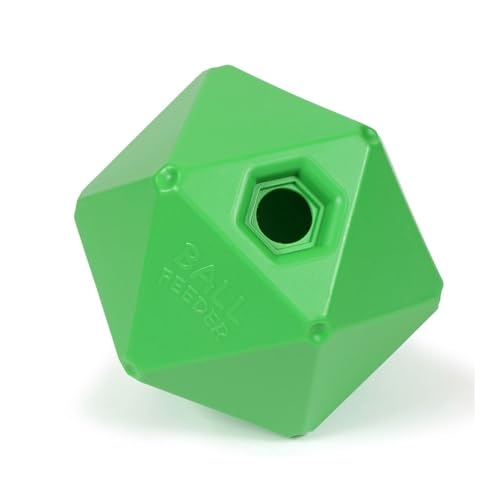
Shires Nine-Inch Ball Feeder is designed for contained rolling play. The Shires Ball Feeder uses a twenty-sided geometric shape designed to limit runaway rolling. The selected product is a nine-inch equine feeding toy. The useful comparison is how this specific construction suits a horse’s play style, rather than whether the packaging promises endless entertainment or fewer behavior problems. A toy should complement regular forage, exercise, and equine social contact. The correct choice depends on the horse’s behavior and the available space.
This geometry may be helpful when a smooth ball would roll out of reach or into a corner. Compare its food opening and floor placement with the horse’s habits. Pay attention to the horse’s first reactions and where the object will be positioned. The size and shape matter as much as the product name, especially in a confined stall. Inspect handles, ropes, rubber surfaces, and attachment hardware frequently. Place toys away from exits, loose fencing, and narrow trapping points.
The feeder still needs room to move and regular cleaning. Replace it if the surface cracks, and do not let it obstruct an exit. The safety implications are substantial because horses can pull, bite, kick, and destroy equipment with considerable force. Supervision and regular inspection are essential even when a product is specifically marketed for equine use. Any loose component or sharp damaged edge means the toy must be removed. A hanging toy can create dangerous entanglement if mounted incorrectly.
My Recommendation
My recommendation is to consider Shires Nine-Inch Ball Feeder if contained rolling play is the kind of enrichment your horse enjoys. Its twenty-sided feeder ball design provides a meaningful difference from the other options. The feeder still needs room to move and regular cleaning. Replace it if the surface cracks, and do not let it obstruct an exit. Introduce the toy under supervision and retire it promptly if any section becomes unsafe. A safe routine matters more than the number of toys owned.
7. Besimple Two-Pack Hanging Hay Balls

What We Like
- Two feeder balls
- Hanging forage design
- Swinging interaction
- Horse-oriented listing
What We Don’t Like
- Cords pose entanglement hazards
- Not a full-meal feeder
Besimple Two-Pack Hanging Hay Balls is designed for swinging forage activity. Besimple sells two hanging hay balls intended for horses and related livestock. Their design allows the balls to move when nudged or fed from. The useful comparison is how this specific construction suits a horse’s play style, rather than whether the packaging promises endless entertainment or fewer behavior problems. The correct choice depends on the horse’s behavior and the available space. Introduce every new item under supervision before deciding where it belongs.
This can provide a swinging forage challenge when appropriate for the stall. However, carefully evaluate mounting height, nearby walls, and how the horse uses the equipment. Pay attention to the horse’s first reactions and where the object will be positioned. The size and shape matter as much as the product name, especially in a confined stall. Place toys away from exits, loose fencing, and narrow trapping points. Clean food-bearing surfaces and remove old feed before the next use.
Cords are an entanglement risk, especially if halters are worn. Never assume the toy can supply a full forage ration or be left without safety checks. The safety implications are substantial because horses can pull, bite, kick, and destroy equipment with considerable force. Supervision and regular inspection are essential even when a product is specifically marketed for equine use. A hanging toy can create dangerous entanglement if mounted incorrectly. Treats should be counted within the horse’s normal daily feed plan.
My Recommendation
My recommendation is to consider Besimple Two-Pack Hanging Hay Balls if swinging forage activity is the kind of enrichment your horse enjoys. Its pair of hanging feeder toys design provides a meaningful difference from the other options. Cords are an entanglement risk, especially if halters are worn. Never assume the toy can supply a full forage ration or be left without safety checks. Introduce the toy under supervision and retire it promptly if any section becomes unsafe. A safe routine matters more than the number of toys owned.
How to choose best toys for horses
Choosing the best toys for horses means matching design, materials, and placement to safe activities. Compare ball size, feeding openings, loose parts, hardware, and the space available for play. A sturdy toy still needs routine inspection, and food puzzles must fit the horse’s diet.
Match the toy to temperament and available space
Watch whether the horse likes pushing objects, picking up handles, shaking a ball, or working patiently to release small treats. Horses vary considerably, so a toy that fascinates one animal may be ignored by another. Choose dimensions that prevent swallowing or dangerous trapping. A ball in a roomy pasture creates different risks from a toy hanging in a narrow stall or trailer. Supervise first use and examine whether the object travels into fences or doorways. Do not depend on toys to replace grazing, turnout, exercise, and contact with other horses. Persistent cribbing, pacing, or distress should be reviewed by a veterinarian or qualified behavior specialist rather than assumed to disappear when a plaything is added.
Inspect rubber, cover fabric, rope, and hardware
Flexible balls can be satisfying to nose or toss, but damaged rubber may leave pieces that can be swallowed. Fabric covers and handles introduce seams and stitching that can fray. Hanging puzzles add clips, knots, and cords, any of which may catch a hoof or halter. Follow the manufacturer’s mounting directions and evaluate the space around the attachment point. Avoid equipment with loose small pieces, sharp edges, or damaged surfaces. Clean and dry toys with food openings regularly. When introducing a new hanging design, supervise closely and remove it if the horse pulls aggressively or becomes caught. Even purpose-made equine products are not automatically safe for unsupervised use in every stall.
Use food puzzles without disturbing the ration
Treat-filled toys can create enjoyable foraging-style tasks, but the treats or hay still count as food. Consider size, sugar and starch content, and quantity before placing snacks in a puzzle, especially if the horse is metabolically sensitive. If the main objective is to manage forage access, a properly chosen horse hay net may be more appropriate than a toy that holds only a small amount of feed. For behavioral context, see our guide to tracking separation behavior. Rotate safe toys based on interest and check for wear after every use.
Frequently Asked Questions
Can horses safely play with large balls?
Many horses enjoy purpose-made equine balls, but safety depends on size, condition, location, and individual behavior. Supervise the first sessions.
Can hanging horse toys be left overnight?
Not automatically. Cords, clips, and hardware may create entanglement hazards. Evaluate the stall and follow the manufacturer’s safety instructions.
Will a horse toy stop cribbing or weaving?
A toy can provide enrichment but is not an established cure for these behaviors. Review forage, turnout, companionship, and veterinary guidance.
Are treat balls appropriate for insulin-resistant horses?
Only if the specific food and portion suit a veterinarian-guided feeding plan. Avoid assuming that treats do not affect daily intake.
When should a horse toy be replaced?
Remove it immediately if rubber splits, handles tear, ropes fray, or small pieces become loose. Inspect it before every play session.
Final Verdict
Horsemen’s Pride Jolly Ball offers a simple no-food play option for horses that like to push or carry objects. PetKORE Luna Ring and Clover offer supervised food puzzles, while hanging feeders add extra hardware considerations. Choose according to actual play behavior and inspect frequently. Do not substitute enrichment equipment for turnout or adequate forage. Our horse grazing-muzzle guide covers another aspect of careful pasture equipment selection.
Affiliate disclosure: This article contains Amazon affiliate links. If you purchase through them, PetAdvisorPro may earn a commission. As an Amazon Associate I earn from qualifying purchases.