
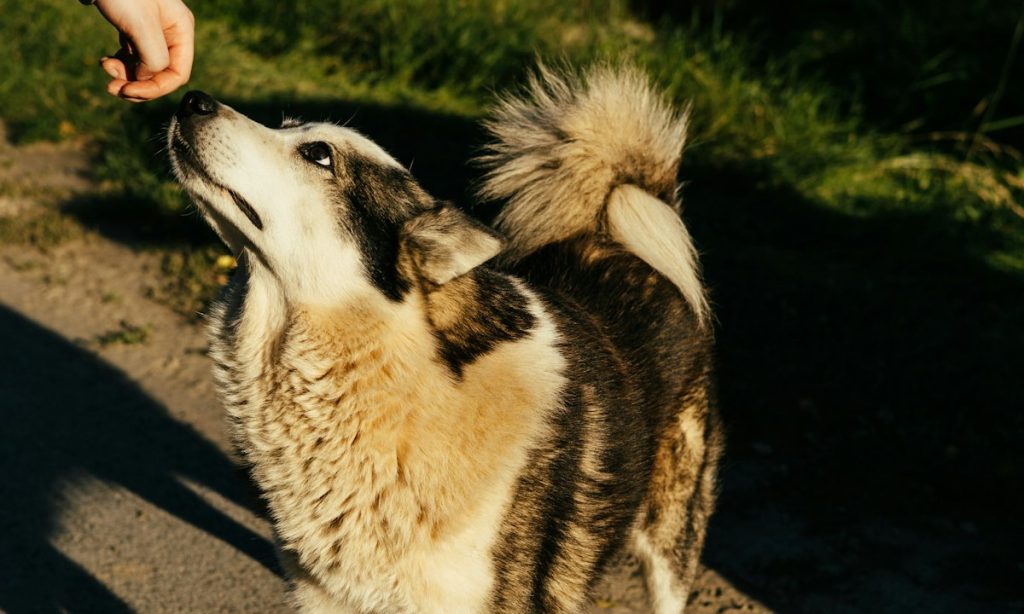
How to use calming treats in short reward-based training sessions begins with an important distinction: a treat should reward a choice your dog makes, not replace the training itself. Dogs learn through consistent timing, manageable steps, and a chance to succeed. Some treats are marketed for relaxation, but their effects are variable and not a substitute for patient handling or veterinary care. For nail care, the related topic of calming treats for dogs to cut nails may help readers understand context without assuming any chew guarantees calm behavior.
This guide explains how to use calming treats in short reward-based training sessions for ordinary skills and low-stress husbandry. You will learn how to plan a session, break a task into tiny actions, measure rewards, recognize stress signals, and stop before frustration builds. The goal is a dog that willingly participates. Keep sessions brief and adjust every step to your dog’s comfort.
What calming treats can and cannot do
A training reward works because the dog values it. It might be a tiny piece of an ordinary food allowance, a pet-safe treat, a favorite game, or access to an enjoyable activity. A product described as calming may contain ingredients promoted for relaxation, but this description does not prove it will work for every dog. It also does not make a treat appropriate for all ages or medical conditions. Read the label, check ingredients with your veterinarian when needed, and never rely on a supplement to make a frightened dog tolerate handling.
Keep two goals separate. First, reinforce a behavior you want, such as approaching a training mat or offering a paw. Second, reduce the difficulty of the situation until your dog feels safe enough to learn. Food can help create positive associations, but it cannot erase fear when the trigger is too intense. How to use calming treats in short reward-based training sessions means presenting a reward after an achievable step. Do not wait for a dog to become panicked and then demand compliance in exchange for food.
Prepare the space, rewards and training plan
Choose a quiet, familiar room with a nonslip floor and few distractions. Have water available and prepare small reward pieces before calling your dog over. Start when the dog is rested and interested, not immediately after a stressful event. If you will practice paw handling, place clippers out of reach at first. Plan one tiny action for the session, such as looking at the grooming towel or standing beside it. Make the environment easy enough that your dog can walk away without being restrained.
Count treats as part of the daily food allowance. Tiny pieces often work better than large rewards because they allow more repetitions without excessive calories. For dogs with allergies, digestive disease, or restricted diets, ask the veterinarian about suitable rewards. A guide to trimming dog nails safely and recognizing the quick covers the physical nail-care task separately. Training should make that task less stressful, not rush it. Prepare a simple record of what your dog accepted and what seemed too hard.
Use clear markers and very short sessions
Pick a short marker word such as “yes,” then immediately give a reward when the desired behavior occurs. You may also use a clicker if your dog understands it. The marker must identify the exact successful moment. Start with one easy behavior, reward it, then allow a short pause. For example, reward your dog for calmly approaching a towel, then for standing near it, and later for briefly touching it. Do not ask for all steps in the same session simply because one repetition went well.
Most beginners benefit from training in a handful of successful repetitions rather than pushing toward a rigid timer. Stop while the dog still wants to participate. A brief practice might include three easy rewards, a pause, and one repeat if the dog remains relaxed. How to use calming treats in short reward-based training sessions is primarily a question of timing and difficulty. Make the next step only slightly harder after several comfortable successes. Return to an easier step if the dog hesitates or turns away.
Build cooperative nail handling without force
For nail-care preparation, reward your dog for looking at a hand, choosing to place a paw on a mat, or allowing a gentle touch to the shoulder. Progress gradually toward touching the leg, then the paw, then holding a toe for a moment. Keep your grip light and release before discomfort. Only later introduce the sound and sight of a nail tool, initially at a distance. Pair each comfortable encounter with something pleasant. If your dog stiffens, pulls away, or stops taking rewards, the step was too difficult.
A dog may accept paw touches but still fear a buzzing grinder or the pressure of a clipper. Treat these as separate skills. Practice looking at a stationary tool, hearing it from another part of the room, and eventually hearing it nearer only if the dog stays relaxed. Avoid restraining the dog or using treats to lure it into a situation from which it cannot escape. For tool considerations, see the published dog nail trimmer guide, but make training decisions based on the dog’s response rather than the equipment alone.
Read stress signals and change the plan
Signs that a dog needs a break can include lip licking when no food is present, yawning, freezing, tucked tail, whale eye, avoidance, trembling, or suddenly refusing a familiar reward. These cues depend on context. A dog that will not eat may be anxious, full, or distracted; do not assume a supplement has failed. Step back, reduce distractions, or end the activity. Never punish growling or avoidance. Those behaviors communicate that a situation feels unsafe. Ignoring the warning can make handling more dangerous.
Keep notes after each practice: the behavior trained, number of comfortable repetitions, reward size, and whether your dog voluntarily returned. Improve only one variable at a time. A more difficult location, a longer paw hold, and a louder tool should not arrive together. For persistent fear, aggression, or severe sensitivity, ask a veterinarian about pain and behavioral support. How to use calming treats in short reward-based training sessions should never depend on suppressing obvious distress. Training is successful when the dog feels able to make choices.
Common mistakes and how to correct them
One mistake is using a large chew that interrupts the activity and makes timing unclear. Another is rewarding several seconds after the desired action, when the dog has already done something different. A third is combining too many cues, such as asking for a sit, paw, stay, and nail trim at once. Use a small reward, mark quickly, and practice one criterion. It is also easy to mistake stillness for comfort. A frozen dog is not necessarily calm, so observe the whole body and willingness to reengage.
Do not increase a calming supplement dose because a session went poorly. Consult a veterinarian about possible interactions and suitability instead. For behavior improvement, start with an easier skill and reward more frequent successful choices. Some days a dog will be less comfortable because of pain, noise, fatigue, or changes in the home. Adjust expectations rather than forcing the planned schedule. How to use calming treats in short reward-based training sessions remains the same: preserve safety, predictability, and the dog’s confidence.
Frequently Asked Questions
Owners often ask whether special treats are necessary or whether they should wait for the dog to look completely relaxed. In practice, simple, predictable reward-based training matters more than the marketing label on a treat. The answers below focus on safe habits and realistic expectations.
Always consider individual health needs and what is actually reinforcing for your dog. If a dog refuses food, seems unwell, or reacts intensely to handling, change the setup and seek professional guidance rather than pushing through the session.
Are calming treats required for positive reinforcement?
No. Any appropriate reward your dog values can work. A portion of the usual food allowance, play, or another enjoyable activity may be suitable.
How many minutes should a session last?
There is no universal target. Begin with a few successful repetitions and stop before concentration or comfort declines. Short, frequent practice is usually easier than one marathon session.
Can I use treats to make my dog accept nail clipping?
Use food to reward voluntary, gradual steps. Do not use it to trap or distract a dog while forcing an uncomfortable procedure.
What if my dog will not take a treat?
Pause and assess the context. Stress, discomfort, fullness, or distraction may explain the refusal. Reduce difficulty and ask a veterinarian if appetite or behavior changes persist.
Can I combine calming treats with prescribed medication?
Ask the prescribing veterinarian first. Ingredients can interact with medicines or be unsuitable for some health conditions. Never adjust the dose on your own.
Final Words
How to use calming treats in short reward-based training sessions comes down to rewarding voluntary behavior in an easy environment. Prepare tiny rewards, mark each success, progress gradually, and end before your dog becomes worried. Those habits are more dependable than hoping a treat will remove fear. For nail-care work, build comfort with each separate part of the routine and prioritize your dog’s safety.
The phrase calming treats for dogs to cut nails should not distract from cooperative handling and a comfortable learning pace. How to use calming treats in short reward-based training sessions is ultimately about clear communication. If fear persists or pain may be involved, ask your veterinarian for an individualized plan.









