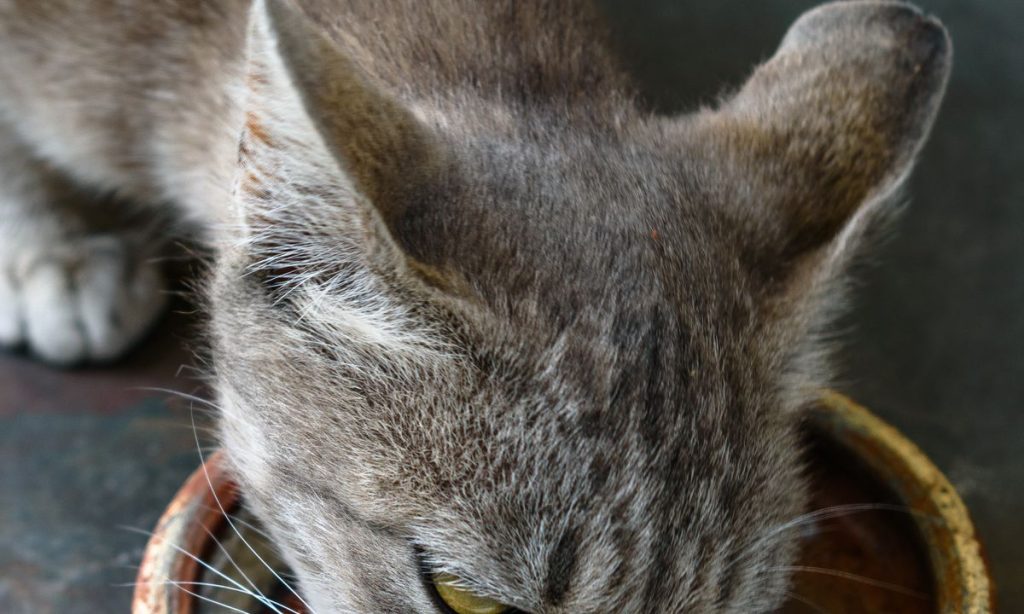
Signs of digestive upset in cats range from obvious vomiting or diarrhea to quieter changes in appetite, stool, grooming, and energy. A single unusual litter-box visit may have several explanations, but repeated symptoms can signal dehydration or an underlying illness. Cats often hide discomfort, so owners need to consider the complete picture rather than one isolated sign. Knowing what is normal for your cat makes meaningful changes easier to recognize.
This guide explains signs of digestive upset in cats, possible causes, what to record, and when to seek veterinary care. Readers exploring Grain Free Cat Food For Sensitive Stomachs should know that grain-free labeling alone does not diagnose or treat a sensitive stomach. A veterinarian can investigate persistent symptoms and recommend appropriate nutrition when needed. The practical goal is to recognize warning signs early while avoiding unsafe home medications, abrupt dietary experiments, or assumptions about food intolerance.
Vomiting and regurgitation are different observations
Vomiting usually involves abdominal effort and may be preceded by lip licking, salivation, or repeated swallowing. Regurgitation often happens more passively, sometimes soon after eating. These patterns have different possible causes, and videos or detailed descriptions can help a veterinarian tell them apart. Note the frequency, timing, appearance, and whether food, liquid, hair, or blood is present. Do not assume every event involves a harmless hairball.
Signs of digestive upset in cats include occasional vomiting, but repeated episodes are not a normal routine to ignore. Cornell’s Feline Health Center advises evaluation when vomiting is frequent or comes with lethargy, weakness, appetite loss, blood, diarrhea, or other changes. A cat that repeatedly retches without producing anything, looks severely ill, or may have swallowed a foreign object needs urgent veterinary guidance. Do not give human anti-nausea drugs.
Loose stool, diarrhea, and constipation clues
Check stool consistency, frequency, color, and the amount passed. Loose or watery stool, repeated urgent litter-box trips, mucus, or blood can indicate gastrointestinal disease. Constipation may involve small hard stools, infrequent passage, or straining. However, straining in the litter box can also indicate a urinary emergency, especially when a cat is unable to pass urine. Do not assume every straining episode is constipation.
Digestive symptoms become more concerning when diarrhea persists, recurs, or comes with poor appetite, vomiting, or lethargy. Young kittens and medically fragile cats can dehydrate quickly. Keep litter boxes clean so you can observe changes reliably. If you have more than one cat, identify which animal is producing the abnormal stool. Photographing the stool or collecting a sample when advised may help your veterinarian.
Appetite and behavior changes that can mean nausea
A nauseated cat may approach food and turn away, repeatedly lick its lips, swallow often, drool, hide, or seem unusually quiet. Some eat smaller amounts without fully refusing food. Other cats lose interest in treats they normally enjoy. Appetite changes can also result from dental pain, stress, fever, and many non-digestive illnesses, so a behavior alone cannot establish a stomach diagnosis.
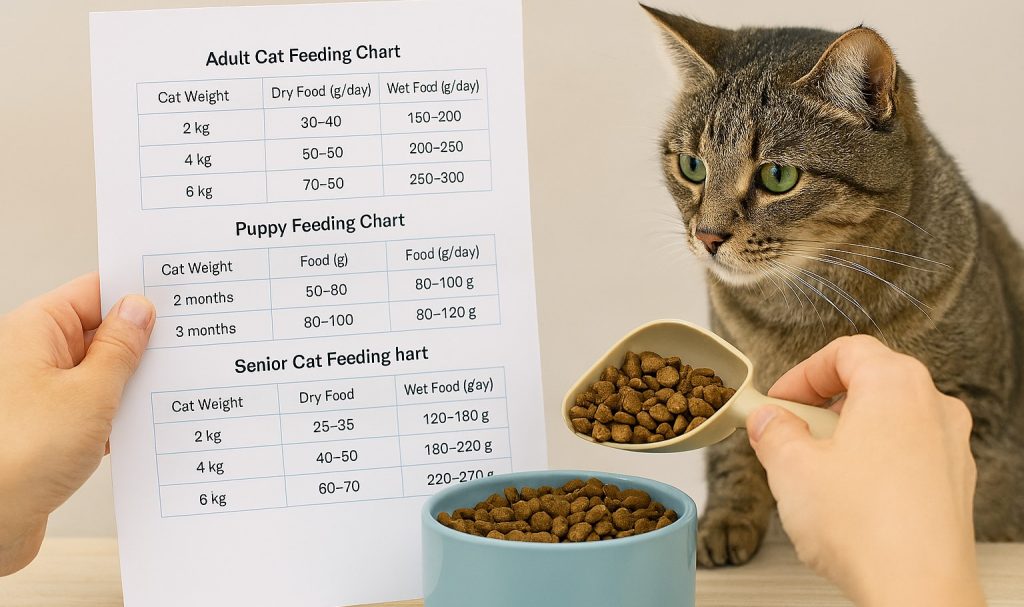
Signs of digestive upset in cats should be assessed against daily intake and usual behavior. Record how much food was served and how much disappeared. A sudden refusal to eat deserves prompt veterinary advice, particularly for overweight cats and those with chronic disease. Do not wait several days for the cat to become visibly weak. If appetite drops while vomiting or diarrhea continues, the need for veterinary assessment increases.
Dehydration and other signs of worsening illness
Vomiting and diarrhea can cause fluid and electrolyte losses. Watch for weakness, reduced energy, diminished drinking, and changes in urination, although these signs are not a reliable home test of hydration. A veterinarian can assess hydration using the whole clinical examination. Do not rely on skin-pinching alone, because age and body condition can affect how the skin behaves.
Signs of digestive upset in cats that include marked weakness, repeated vomiting, persistent watery diarrhea, or inability to keep water down should prompt urgent attention. Blood in vomit or stool, collapse, a painful swollen abdomen, and severe distress are particularly concerning. Call an emergency veterinarian when the cat appears seriously ill. Force-feeding water or food can be unsafe in a struggling animal.
Possible causes range from food changes to disease
An abrupt dietary switch, unusual treats, stress, parasites, infection, and ingestion of inappropriate substances may cause digestive symptoms. But persistent vomiting or diarrhea can also be associated with inflammatory disease, pancreatic disorders, kidney problems, endocrine disease, or intestinal obstruction. No single food ingredient explains every upset stomach. A veterinarian may need the medical history and tests to narrow the possibilities.
Digestive symptoms can look alike even when the underlying causes are very different. The guide to recognizing intestinal parasite signs in cats describes one group of possible causes and why stool testing may be appropriate. Do not assume worms are responsible or administer dewormers without suitable veterinary guidance. Track recent medications, household changes, outdoor exposure, and any access to human foods or foreign objects.
What the food label can and cannot tell you
A complete and balanced diet for the cat’s life stage is important, but packaging phrases such as ‘grain free’ or ‘sensitive stomach’ are not medical diagnoses. Cats can react to a variety of dietary changes or ingredients. A grain-free formula is not automatically more digestible or more suitable for every cat. If food sensitivity is suspected, a veterinarian can evaluate whether a carefully controlled dietary trial is appropriate.
Digestive symptoms should not lead to an endless rotation of foods. Repeated abrupt switches can make it harder to understand what triggered symptoms. Our guide to assessing probiotics for sensitive feline digestion discusses questions to consider, but supplements are not a replacement for diagnosis. Never assume that an advertised ingredient or supplement will resolve persistent vomiting, diarrhea, or abdominal pain.
A safe observation log before the appointment
Record the start date, number of vomiting episodes, stool appearance, meal intake, drinking, activity, and possible exposures. Include any recent food change, treats, medications, or unusual household events. A short video of vomiting-like behavior may help distinguish vomiting from regurgitation. If the veterinary clinic requests a stool sample, follow its collection and storage directions. These details can guide testing more effectively than broad descriptions.
Do not delay care to complete the log. Signs of digestive upset in cats that are severe or worsening need timely evaluation. Avoid over-the-counter diarrhea medicine, human antacids, painkillers, herbal treatments, or home remedies unless specifically directed by a veterinarian. Some products can be toxic. Keep the cat comfortable and provide access to fresh water while asking the clinic for advice about feeding.
How a veterinarian may investigate digestive symptoms
A veterinary examination may include checking hydration, weight, abdominal comfort, and signs of disease outside the digestive tract. Depending on the history, the team might recommend fecal testing, bloodwork, urine tests, imaging, or other targeted investigations. Treatment depends on what those assessments reveal. There is no responsible one-size-fits-all medicine for every episode of vomiting or diarrhea.
Signs of digestive upset in cats can recur when an underlying problem has not been identified. Follow the clinic’s instructions for medication, nutritional management, and monitoring. If a prescribed diet is recommended, do not add unapproved extras that interfere with the plan. Our discussion of feline gas and diet considerations covers a related digestive concern, but persistent symptoms need a medical assessment rather than informal product trials.
When to seek routine, prompt, or emergency care
Contact your veterinarian promptly for recurrent vomiting, diarrhea lasting beyond a short period, weight loss, appetite changes, or signs of pain. Seek same-day advice when a cat refuses food, has repeated episodes, or has diarrhea with lethargy. Kittens and cats with chronic illness may need earlier care. Tell the clinic whether the cat is still drinking, passing urine, and behaving normally between episodes.
Emergency care is appropriate for collapse, severe weakness, difficulty breathing, severe abdominal pain, inability to urinate, major bleeding, or suspected poisoning or obstruction. Signs of digestive upset in cats accompanied by blood, significant dehydration, or severe illness should never be treated as ordinary ‘sensitive stomach’ behavior. Do not force food or fluids and do not administer a household medication while waiting. Call ahead for emergency transport guidance.
Frequently Asked Questions
Digestive symptoms may look mild initially, but what matters is how often they happen and whether the cat remains well. Vomiting, diarrhea, appetite loss, and dehydration concerns deserve a combined assessment. Food labels cannot replace a diagnosis of persistent digestive disease.
The answers below explain common warning signs and safe next steps. Signs of digestive upset in cats should be reviewed by a veterinarian when they persist, recur, or occur alongside changes in energy, weight, or drinking.
Is occasional vomiting normal for cats?
Some cats vomit occasionally, but repeated or frequent vomiting warrants veterinary assessment. Seek prompt help if it occurs with lethargy, poor appetite, blood, or diarrhea.
Can switching food suddenly cause diarrhea?
Yes, abrupt diet changes can contribute to loose stool. However, persistent or severe diarrhea may reflect other disease and should not be blamed on food alone.
Is grain-free food automatically better for a sensitive stomach?
No. Grain-free labeling does not prove a food is better tolerated. A veterinarian can help identify the right diet based on symptoms and medical evaluation.
What should I record for the veterinarian?
Track symptoms, frequency, meals eaten, stool appearance, water intake, medications, recent food changes, and possible foreign-object exposure.
Can I give a human diarrhea medicine to my cat?
No. Some over-the-counter medicines are harmful to cats. Use only veterinary-approved medication at the prescribed dose.
Final Words
Signs of digestive upset in cats include vomiting, diarrhea, appetite changes, unusual litter-box habits, and signs of dehydration or discomfort. The pattern, frequency, and accompanying symptoms matter more than one label such as ‘sensitive stomach.’ Keep clear records, monitor intake, and seek veterinary guidance when symptoms persist or worsen.
If diet questions led you to Grain Free Cat Food For Sensitive Stomachs, remember that grain-free feeding is not a substitute for finding the cause of illness. Avoid repeated abrupt food switches and unsafe home medicines. An individualized examination and feeding plan protect your cat better than guessing from packaging claims. Seek immediate care for severe weakness, bleeding, obstruction concerns, or inability to urinate.
Reference
The following veterinary and university sources informed the discussion of vomiting, diarrhea, urgency, and clinical assessment. They support the general warning signs and the importance of evaluating the full pattern of illness rather than one isolated symptom.
These references are educational and do not provide a diagnosis or prescription for an individual cat. A veterinarian can decide which examinations, tests, and treatment are appropriate for the particular circumstances.