
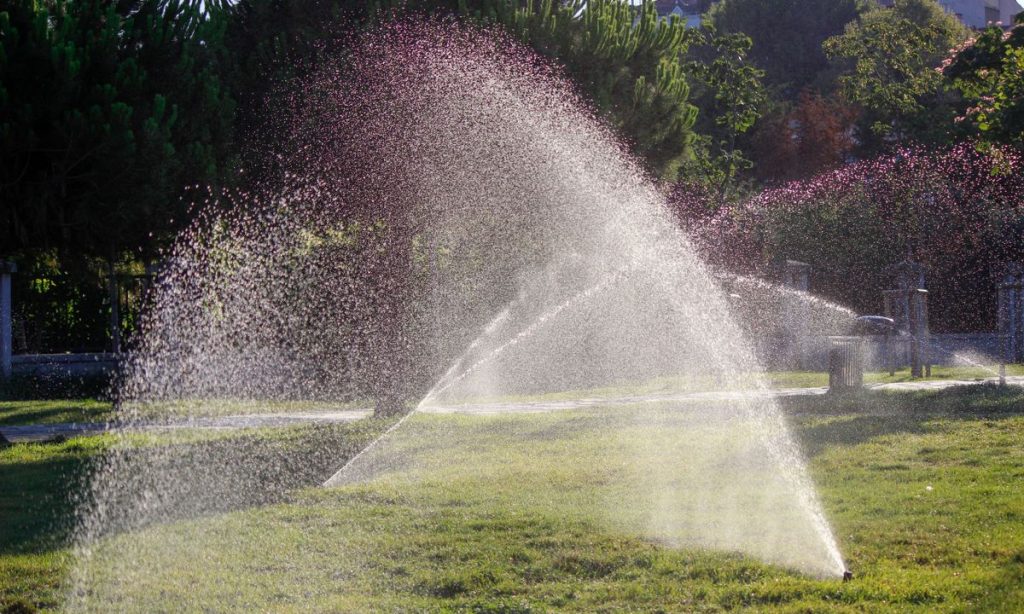
A motion-triggered sprinkler can discourage unwanted visits to a garden without applying chemicals. Yet the location matters as much as the water burst. An exposed hose may trip a visitor, while a poorly aimed spray can soak a public walkway or surprise a passing cyclist. This guide explains how to place a motion-activated sprinkler without creating hazards for people, pets, or wildlife. It covers aim, hoses, testing, weather, and maintenance.
Start by identifying a specific patch of soil or approach route, not the whole property. The Motion Activated Sprinkler For Cats overview introduces this type of garden deterrent. Here, the focus is risk-aware placement and responsible operation. A brief spray should leave an animal free to turn away. No system should target a sidewalk, doorway, road, or neighboring home. If the layout cannot support a safe spray zone, choose a physical barrier instead.
Map the Spray Zone Before Setting Equipment
Draw a simple plan showing the problem area, garden paths, property boundary, front steps, doors, windows, outdoor electrical outlets, and hoses. Mark where people and pets commonly walk. Remember that a sprinkler sprays through an arc, not always at the exact spot that activates the sensor. Compare the planned coverage with actual distances and the manufacturer’s recommended operating conditions. Check whether shifting sun, wind, or foliage could change how well the motion detector works.
Choose a location with clear sightlines but no direct spray toward shared spaces. A narrow planted border may be easier to protect than an open front lawn. Do not mount the sprinkler where an escaping animal could run into a fence, road, pool, or other hazard. The safest position encourages a harmless turn away from the bed. An experienced gardener might first mark the proposed spray boundary with stones or flags, then test it without people or animals inside. Those markers should not create trip hazards themselves.
Aim Away From People and Slip Risks
Keep the spray completely off sidewalks, driveways, stairs, patios used for walking, and neighboring property. A burst of water can startle someone carrying groceries or make smooth paving slippery. Consider delivery workers, children, wheelchair users, and visitors who may not expect water. A front path that appears unused during setup may become busy at another time. When learning how to place a motion-activated sprinkler without creating hazards, include other people’s routines in the placement decision.
Also protect windows, electrical fixtures, outdoor furniture, and door thresholds from repeated wetting. A sensor may activate when birds, windblown branches, or people cross its detection zone. Avoid aiming at public traffic even if the intended target is a cat visiting after dark. Adjust the nozzle and detection sensitivity following the equipment instructions. Recheck the actual spray arc after each adjustment. If water reaches a walkway or crosses the property line, move the device rather than accepting collateral spray.
Secure Hoses and Water Connections
Lay the garden hose along a protected edge rather than across a path. Where a crossing is unavoidable, use an appropriate protected route or relocate the device. Do not leave loose loops around stakes, benches, or children’s play areas. Check that the supply connection does not leak and that the device remains stable in soil. An unstable sprinkler may fall, shift its aim, or become a tripping obstacle. Secure it according to the installation directions without driving stakes through buried utilities.
Keep water away from damaged power cords, outdoor receptacles, extension cables, and powered garden tools. The garden needs both water and electricity in many places, so separation is essential. Disconnect and inspect equipment before changing a hose connection where water could reach electrical components. Never place a sprinkler beside an exposed live connection. Follow utility-locating requirements before installing anything that penetrates the ground. A small stake is no reason to assume subsurface lines are absent.
Test the Detector Safely
Perform the first test with the area clear of animals, children, and bystanders. Walk around the perimeter of the intended detection zone, using the device’s approved test mode if available. Check which movements trigger the water and where the stream actually lands. Sensitivity and spray distance can differ from the numbers printed on packaging. If a test hits a public path, window, or door, switch off the water and correct the aim before use.
Repeat the test at another time of day. Low sunlight, moving shadows, vegetation, or passing animals may affect triggering. Maintain a safe path for cats and other wildlife to leave without being repeatedly sprayed. If the sensor activates too frequently, narrow coverage or switch to a barrier. FYI, a device that soaks everyone except the intended garden visitor is not a successful setup. Good placement requires real-world observation, not simply a tidy-looking arrangement on the first afternoon.
Respect Cats and Other Garden Wildlife
Water-based deterrence should interrupt an unwanted garden visit rather than trap an animal or deliver prolonged exposure. Use the gentlest suitable operation and avoid directing a stream at the face. Do not activate near kittens, injured animals, or cats unable to retreat. Consider birds and small mammals that share the garden. A narrowly aimed zone reduces accidental triggering. The overview of garden deterrent methods for cats provides background on the broader topic, although actual placement requires site-specific checks.
If a cat repeatedly panics, falls, or becomes cornered, stop using the sprinkler in that location. A physical planting cover may protect the same bed with fewer surprises. Keep another safe travel route available where practical. Observe how visitors respond before leaving the system active unattended. Humane use depends on conditions, not simply on a label. A brief burst may be appropriate in one open garden and unsuitable beside a busy sidewalk or enclosed courtyard.
Review Weather, Water Use, and Neighborhood Needs
Turn the device off during freezing conditions. Standing water and hoses can freeze, split, or create patches of ice. Wind can blow spray into unintended places. In drought-prone areas, check local watering restrictions and consider how frequent triggers affect water use. A leaking connection also wastes water and can wash soil away from plants. Adjust the schedule around household activity, gardening work, and times when delivery workers or neighbors may pass nearby.
Inform household members about the system and show them the safe shutoff. If a guest needs to enter the area, disable the device first. Do not surprise children as a joke or treat the sprinkler as a prank. Check local rules and property boundaries before installation. If the deterrent causes a dispute, move it or choose another method rather than aiming spray toward neighbors. The goal is garden protection with minimal disturbance.
Maintain the Setup as the Garden Changes
Inspect the sprinkler after storms, mowing, planting, and other yard work. Growing foliage can block the sensor or redirect the stream. Loose fittings may change pressure and range. Clean the nozzle and housing according to instructions, then retest the coverage. Check stakes, hoses, and nearby ground for instability or erosion. Record any repeated false triggers. A safe position in spring may not remain safe after shrubs reach full summer height.
When the protected bed no longer needs deterrence, remove or store the device instead of leaving an unused hose stretched across the lawn. Keep maintenance tools away from pets and children. To understand how to place a motion-activated sprinkler without creating hazards, think of placement as an ongoing decision rather than a one-time setting. The installation is only complete when it remains safe under normal weather, foot traffic, and garden use.
Frequently Asked Questions
The best placement protects a specific area and respects shared space. Most preventable problems involve overspray, loose hoses, false triggers, or seasonal conditions. The following answers help identify which adjustments matter first.
If a device cannot stay within a safe zone, do not operate it there. Physical barriers, covered beds, and other non-chemical changes may be safer. Always reassess when the garden layout or nearby pedestrian use changes.
Can a motion sensor spray a public sidewalk?
It should not. Reposition or reduce the coverage so both detection and water stay within the safe private garden zone.
Where should the hose go?
Route it along protected edges, away from walking and play areas. Inspect for leaks, loose loops, and damage after yard work.
Should I leave the sprinkler on during freezing weather?
No. Freezing water can damage equipment and make nearby surfaces dangerously icy. Drain and store equipment as instructed.
How can I prevent false triggers?
Reduce overlapping movement from vegetation or public traffic and test detector sensitivity. Wind, sunlight, and moving branches can affect activation.
What if cats appear frightened or trapped?
Shut off the system, provide an unobstructed escape, and use a less startling method. Do not repeatedly spray a vulnerable animal.
Final Words
Knowing how to place a motion-activated sprinkler without creating hazards starts with mapping people, pets, pathways, and property boundaries. Aim the water at the smallest necessary zone, secure the hose, and test the full spray arc. Watch for false triggers and maintain an escape route for visiting animals. Turn the system off whenever weather or household activity makes its use unsafe.
The Motion Activated Sprinkler For Cats guide provides related background, but the final decision belongs to your garden’s layout. Check the position after changes in plants, wind, or water pressure. A humane deterrent should prevent unwanted digging without soaking neighbors, creating slip hazards, or trapping wildlife.









