
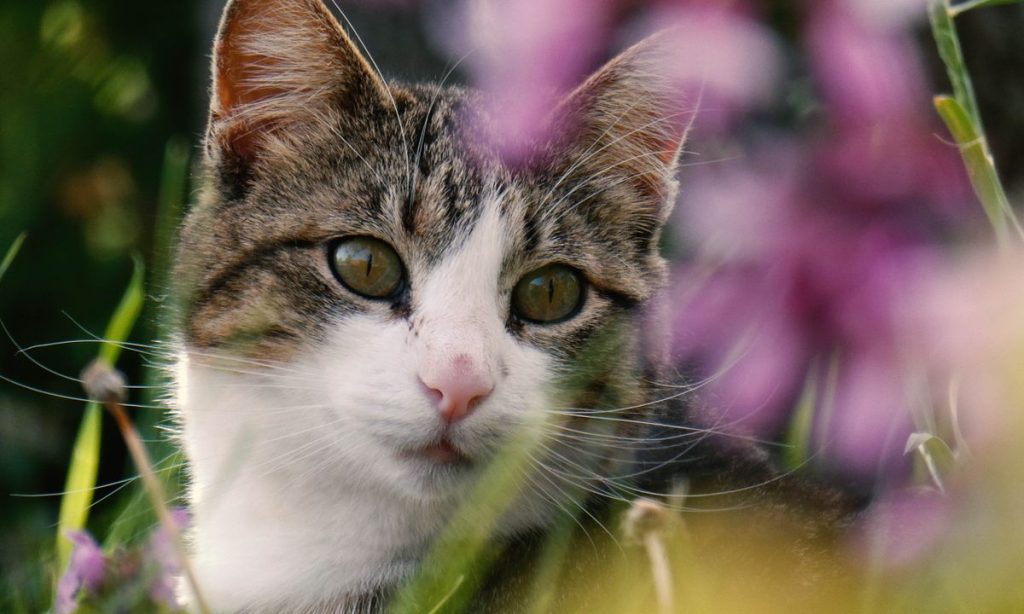
A garden bed can look like an inviting litter area to a neighborhood cat. Freshly turned soil is soft, and dense planting offers shelter. Protect seedlings without harming animals. This guide explains how to keep cats out of a garden with humane deterrents. It focuses on changing access and making digging less appealing, rather than frightening or hurting animals. A practical plan can protect plants while keeping cats, children, and wildlife safe.
Begin by identifying which areas actually attract visits. Loose vegetable beds, sandy corners, and routes beside fences may need different solutions. A Motion Activated Sprinkler For Cats can sometimes discourage visits to a small zone. Physical barriers often offer a more predictable starting point. Humane deterrence means encouraging cats to choose another route, not punishing them. Check that every method leaves animals a safe way to retreat and does not create hazards for neighbors or pets.
Identify the Attraction Before Changing the Garden
Inspect the soil for shallow digging, disturbed mulch, paw prints, or repeatedly flattened plants. Observe from a distance rather than approaching a visiting cat aggressively. You may discover that the same animal uses a warm path as a shortcut but only digs in one flower bed. Protecting the actual problem area is usually less disruptive than trying to exclude every animal from the entire yard. When learning how to keep cats out of a garden with humane deterrents, start with the behavior you want to change.
Check whether food scraps, open garbage, scattered bird seed, or accessible water attracts animals. Remove leftover food and keep feeding stations clean. If a neighbor cares for outdoor cats, a respectful conversation may reveal a manageable solution. Avoid blaming a particular cat without seeing what happens; raccoons and other animals also disturb soil. The guide to outdoor cat safety addresses some broader risks faced by outdoor cats. The aim is a safer neighborhood environment, not a contest with wildlife.
Protect Loose Soil With Gentle Barriers
Cover freshly planted beds with securely anchored garden netting or a rigid mesh guard that cannot entangle animals. For bare soil, use smooth river stones, coarse mulch, or closely spaced plant supports with blunt ends. Any mesh must have edges folded down or protected. Never leave sharp wire ends pointing into a path. A small raised-bed cover can protect seeds until plants establish. These measures make the soil less appealing for digging while allowing light and water through.
Place barriers where the problem occurs, and check them after rain or wind. Flexible plastic garden mats should not have sharp points, and they should not snag paws. Avoid loose loops of string, exposed hooks, and netting gaps that could trap birds or small mammals. Choose materials compatible with gardening tools and foot traffic. A bed cover is useful only if people can tend the plants safely. For humane deterrents in a shared garden, visibility and neat installation help prevent accidental injuries.
Consider Motion-Activated Water Carefully
A brief burst of water can interrupt a cat’s approach without using chemicals. An appropriately placed sensor can focus on an entry route or digging area rather than soaking the whole yard. Effectiveness varies with the animal, weather, sensor sensitivity, and garden layout. The motion-activated sprinkler overview explains the general format. Use a gentle setting when available and ensure the animal can move away freely. The goal is discouragement, not repeated soaking or startling an animal into danger.
Do not point a sprinkler at sidewalks, public paths, doors, windows, driveways, or a neighbor’s yard. A wet walkway can become slippery. Keep hoses away from pedestrian routes and inspect connections for leaks. Turn the system off during freezing weather or whenever children will be playing within the spray zone. If a cat is very young, sick, or unable to escape, do not activate the device near it. Motion detection can also surprise beneficial wildlife, so aim narrowly and monitor unintended triggers.
Avoid Harmful Shortcuts and Unreliable Scents
Do not scatter mothballs, poison, pepper, hot spices, broken glass, or sharp objects in garden beds. These materials can injure or poison cats, children, and other wildlife. Essential oils are not automatically pet-safe; concentrated oils may be hazardous to cats. Strong scents may also damage plants or annoy neighbors. A substance being natural does not make it humane or effective. Mechanical exclusion and sensible site changes are safer first choices than improvised chemical mixtures.
Anecdotes about citrus peel, coffee grounds, and other household smells vary greatly. Rain, soil conditions, and a cat’s individual tolerance can change results. Do not rely on scent alone to protect valuable plants. If using any garden substance, check plant safety and applicable labels first. Never place a chemical where a cat can lick or ingest it. When considering how to keep cats out of a garden with humane deterrents, weigh effectiveness against unintended exposure, maintenance, and safety.
Use Community-Friendly Prevention
If you know the cat’s caregiver, describe the specific garden issue calmly and suggest practical adjustments. A neighbor may be willing to redirect feeding away from the beds or create a preferred resting area on their property. Do not trap, relocate, or handle someone else’s cat yourself. Local animal welfare groups can advise on legal and humane community-cat practices. Stable food management, clean yards, and clear boundary conversations often reduce conflict better than escalating deterrents.
Community cats may not have an identifiable owner. In that case, work with a reputable animal welfare organization rather than attempting a dangerous capture. Consider the wider setting, including birds, hedgehogs, and other garden visitors. Barriers should not block necessary wildlife movement or create traps. The guide to keeping outdoor cats safer provides related context. A good garden plan addresses the particular digging problem while preserving a reasonable balance between plant care and animal welfare.
Monitor Results and Adjust the Smallest Area
Take a simple before-and-after note of disturbed beds, tracks, and plant damage. Review the same spots at similar times of day. Start with one or two low-risk interventions and give them time to work. If cats shift to another area, adjust the barrier rather than enlarging the deterrent zone indiscriminately. Recheck covers and sensor aim after storms, gardening work, or seasonal growth. The best method may change as plants fill out and bare soil becomes less exposed.
You can often reduce interventions once seedlings are established. Store hoses safely when not in use and remove temporary spikes or support stakes that are no longer needed. If a cat appears injured, disoriented, or trapped, stop the deterrent and contact an appropriate local animal welfare service. IMO, a tidy protective bed beats a yard full of elaborate traps. Humane exclusion should stay simple, reversible, and easy to inspect. Protecting tomatoes is not a reason to endanger a curious visitor.
Frequently Asked Questions
Garden protection works best when it addresses the reason cats enter a particular area. Soil texture, shelter, food, and routine travel routes all affect behavior. The following questions address safety and the limits of common non-harmful methods.
No humane deterrent works perfectly for every cat or garden. Combine secure planting barriers with patient observation rather than escalating to harmful substances. Maintain an escape path and protect household members from hoses or slippery surfaces.
Will a fence keep every cat out?
No barrier is universally effective, but a well-fitted cover around the affected bed can reliably protect seedlings. Check gaps and escape routes.
Are mothballs safe as a cat repellent?
No. Mothballs are toxic and should not be scattered where animals or children can encounter them.
Can I use essential oils around the beds?
Avoid relying on concentrated oils. Some are hazardous to cats, and effectiveness as garden deterrents is uncertain.
Will motion-activated water harm a cat?
A gentle, localized spray may discourage visits, but aim and conditions matter. Never create a trap, slippery public path, or freezing exposure.
What should I do if the visiting cat seems unwell?
Suspend deterrence near the animal and contact local animal welfare services or a veterinarian for guidance. Do not attempt unsafe handling.
Final Words
How to keep cats out of a garden with humane deterrents begins with observing visits and protecting vulnerable soil. Secure covers, blunt-edged barriers, cleaner food areas, and thoughtful neighbor communication can work together. Consider water-based deterrence only when the spray remains localized and cannot threaten people or animals. Check the garden frequently so a temporary solution does not create a permanent hazard.
If you choose a Motion Activated Sprinkler For Cats, review its placement and shutoff practices before use. Adjust gradually, document what helps, and avoid chemicals or sharp objects. A healthy garden and compassionate treatment of visiting cats are compatible goals. The most useful solution keeps plants growing while allowing animals to move away unharmed.









