
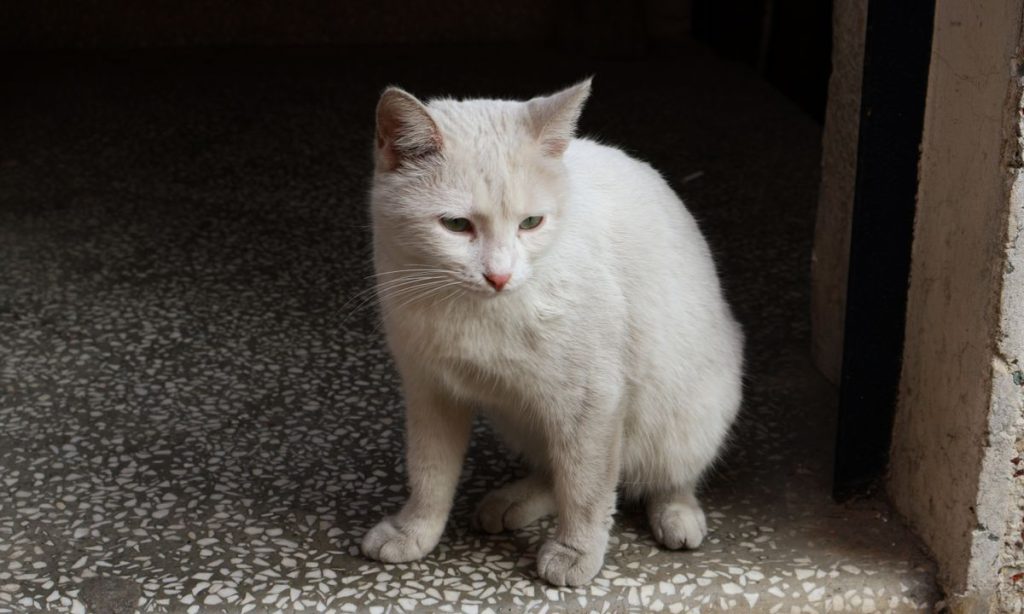
An indoor passage can help a cat move between rooms, but only if the opening remains safe. A poorly fitted frame may snag fur, scrape skin, or become loose after repeated use. A flap can also frighten a cat if it closes too sharply. These safety checks for using cat door with cats with interior wall arrangements begin with a careful inspection of both the wall and the animal’s route. They apply before first use and during routine maintenance.
The existing Cat Door For Interior Wall guide covers common passage choices. This article focuses instead on checking a finished installation and recognizing hazards. A safe wall opening needs smooth edges, secure components, sensible access, and a patient introduction. Hidden structural or electrical problems cannot be cleared through a visual inspection alone. When the installation history is uncertain, ask a qualified professional to examine the surrounding wall before allowing unsupervised use.
Inspect the Finished Wall Opening
Begin with a bright light and look closely at both faces of the opening. Every edge should be smooth, covered, and free of sharp metal or splintered wood. The tunnel lining should conceal cut drywall, exposed insulation, and internal wall layers. Check for projecting screws and gaps that could catch claws. Move the frame gently by hand; it should not wobble or separate from the wall. If trim has loosened, suspend access until it is repaired properly.
Pay attention to cracking, moisture stains, unusual odors, or exposed wiring. Interior partitions can conceal pipes, cables, framing, and protected fire-separation materials. A passage through a garage wall or required fire-rated wall may be inappropriate or prohibited. Do not assume a door frame is safe because its trim covers the opening. Obtain advice from a contractor or local building official if the type of wall or previous cutting method is unknown. Decorative repair cannot correct damaged fire protection or structural framing.
Test the Flap Without the Cat
Move the flap by hand in both directions before inviting your cat near it. It should swing freely without scraping the frame, snapping against a hard edge, or trapping an object in a narrow gap. Check hinges, magnets, locking tabs, and any movable cover for looseness. A missing fastener or cracked plastic component can become a choking or injury hazard. Follow the manufacturer’s instructions for adjustment and cleaning. Do not improvise repairs with wire or exposed adhesive.
Test the lock in all intended positions and then confirm that it opens as expected. A partly engaged latch can leave the flap unexpectedly difficult to push. Notice whether the door makes a sharp noise that might startle a nervous cat. If the mechanism sticks, block access until corrected. These safety checks for using cat door with cats with interior wall installations matter even if the passage is used only a few times daily. Repeated movement gradually reveals wear that may not be obvious on installation day.
Check the Cat’s Fit and Movement
Observe the cat near an open, unobstructed passage. The animal should not have to compress its shoulders, twist sharply, or jump over an unusually high threshold. Long fur, a large body, or limited mobility can make an apparently generous opening restrictive. Compare the actual clear passage, not merely the external frame dimensions, with the cat’s comfortable movement. If you have multiple cats, assess the largest animal and watch how each individual approaches. Never push a reluctant cat through.
Older cats and cats with joint discomfort may need particularly easy routes. The guide to accessible home spaces for senior cats explains related mobility concerns. A cat that pauses, crouches painfully, cries, or seems unable to turn comfortably may need another route. Sudden reluctance can also reflect illness or fear unrelated to the door. Observe rather than diagnosing from the doorway alone. If limping, pain, or behavioral changes accompany the problem, arrange veterinary advice.
Make Both Rooms Safe Destinations
Inspect the rooms on either side. The opening should not lead to accessible chemicals, medication, electrical cords, hot appliances, open windows, or other hazards. Consider whether a conventional room door can close and leave the cat unable to return. Keep food, water, litter, and resting areas accessible through safe alternative routes when possible. A tunnel from a hallway into a laundry room may appear convenient, but appliance access and stored substances require careful assessment.
Check the approach from floor level. A loose rug, narrow gap behind a cabinet, or protruding table leg may make entry awkward. Children should not use the tunnel as a play space or attempt to reach through it while a cat passes. For multi-cat homes, watch whether one animal guards the route. The multi-cat litter box location guide illustrates why access to essential resources should not depend on a single contested passage. Safe routing includes the rooms, not only the door.
Introduce the Route at the Cat’s Pace
Begin when the home is quiet and the cat is relaxed. Let it sniff the frame and investigate the other room voluntarily. If the manufacturer permits a stable training position, hold the flap open in the approved manner. Do not use an improvised support that can fall. Reward calm approaches in a way your cat enjoys, and allow retreat. A cat might need several brief sessions before moving through an unfamiliar tunnel. Patience is more useful than trying to complete the introduction in one day.
Watch for flattened ears, freezing, frantic scrambling, a tucked tail, or repeated withdrawal. These behaviors suggest discomfort or fear, not defiance. End the session, examine the passage, and make the next attempt easier. Do not trap the cat on the other side or close its escape route. The low-stress cat grooming guide describes a similar principle: let a cat set the pace during unfamiliar handling. If discomfort persists, reevaluate whether the location is suitable.
Set a Repeatable Maintenance Routine
Check the opening during regular household cleaning and after any impact. Look for scratched edges, loose screws, bent hinges, torn seals, trapped fur, and moisture or dust buildup. Wipe surfaces according to the manufacturer’s instructions and allow them to dry. A flap that was quiet last month may begin sticking after debris accumulates. Record any repairs so a recurring defect is not mistaken for normal wear. Replace damaged components with suitable parts instead of making temporary fixes.
If the passage must be closed for cleaning or repair, provide an accessible alternative route to food, water, litter, and resting spaces. Tell household members about the closure to avoid confusion. If the frame loosens repeatedly, ask an installer to review the attachment and wall condition. Safety checks for using cat door with cats with interior wall passages should remain a simple household habit. Checking before visible failure is easier than discovering a problem when an animal becomes trapped or frightened.
Know When to Stop and Seek Help
Stop use immediately if the frame breaks, a flap traps fur or skin, or the wall shows new cracking, exposed wires, or water damage. Keep pets and children away from the area until an appropriate repair is completed. A qualified building professional should evaluate suspected structural damage or unsafe work inside the wall. Do not cut additional material or remove a protective assembly simply to widen the opening. A different route may be safer than rebuilding the same passage.
Consult a veterinarian for an injury, unexpected limping, vocalization during passage, or sudden avoidance accompanied by other illness signs. A cat may be afraid of a noise, but pain also requires consideration. Restore access slowly after the physical problem has been resolved. When in doubt, favor a temporary closed route over continued exposure to a suspected hazard. Your safety plan should protect both the animal and everyone using the rooms.
Frequently Asked Questions
A good daily checklist looks for stable framing, smooth edges, freely moving hardware, and calm voluntary passage. Maintenance should also consider room access and changes in an individual cat’s mobility. These questions address practical problems that can appear after installation.
If an inspection reveals damage, stop use until the cause is understood. A visible opening cannot prove the absence of hidden wiring or structural problems. Use qualified help where the wall itself is involved, and do not force the animal through a difficult flap.
Can my cat use the door right after installation?
Only after the finished opening and surrounding wall have been checked. Introduce the flap gradually and let the cat choose whether to pass.
What if fur catches in the flap?
Stop access and inspect clearances, hinges, and moving edges. Repair or replace the defective mechanism before allowing more attempts.
Are garage walls suitable for cat passages?
They may be required fire and fume barriers. Obtain qualified local guidance before altering such a wall, even when the passage appears simple.
How frequently should I inspect the door?
Check it after installation, during normal cleaning, and whenever you notice new resistance, noise, visible wear, or a change in the cat’s behavior.
Why did a cat suddenly stop using the passage?
A sticking flap, stress, blocked access, or pain may be responsible. Inspect the route and contact a veterinarian when other illness or mobility signs appear.
Final Words
Safety checks for using cat door with cats with interior wall passages should be part of normal home care. Check both faces of the wall, test the flap, and watch how the cat moves. Review the rooms beyond the opening and respond promptly to damage or distress. An apparently minor fault can become important when a pet relies on the passage every day.
Use the Cat Door For Interior Wall overview for general fit context, then judge the actual installation on its own merits. Seek expert help for questionable wall construction or signs of pain. The safest outcome is a smooth, dependable route the cat chooses willingly, with no hidden hazards or pressure to squeeze through.









