
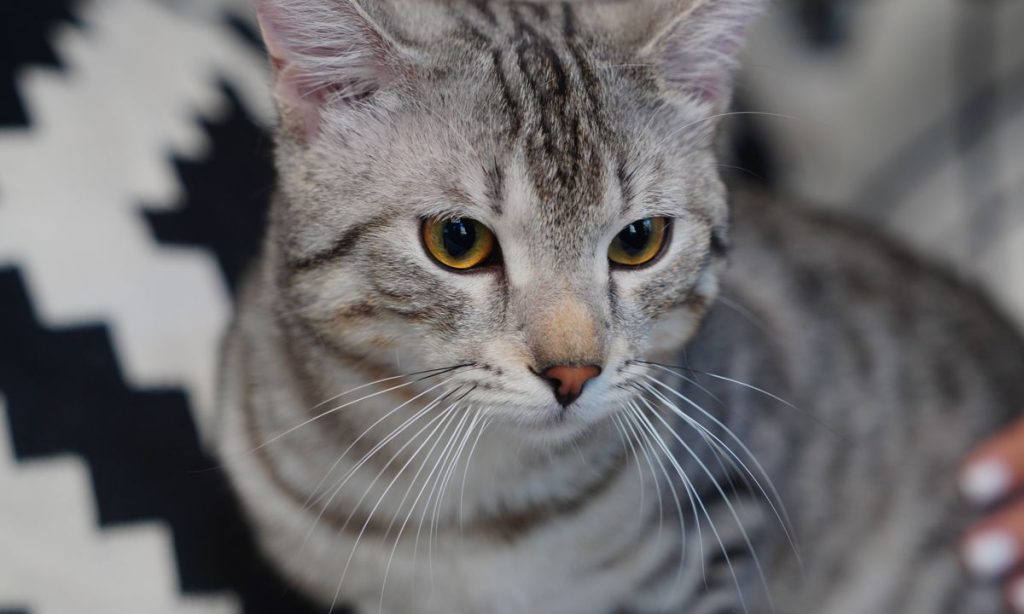
Knowing how to use brush in a low-stress grooming routine can turn a dreaded task into a brief, predictable interaction. Cats are especially sensitive to restraint, unfamiliar tools, and painful pulling. A cat that avoids brushing does not need to be held down until the job is finished. Instead, introduce the brush gradually and allow the cat to control the pace. You can start by rewarding curiosity before touching the fur.
This guide focuses on how to use brush in a low-stress grooming routine for cats, including brush introduction, gentle strokes, reward timing, and clear stop signals. The related article about a brush for cats that hate to be brushed explores tool suitability, but comfort comes before brush selection. With short sessions and realistic expectations, you can maintain coat care without creating unnecessary anxiety or a wrestling match.
Begin with comfort and the cat’s body language
Choose a familiar surface where your cat already rests willingly. Leave escape routes open and avoid a noisy room. Put the brush nearby without making contact. Some cats sniff it; others ignore it completely. Reward a calm glance or a comfortable approach with a small treat, gentle verbal praise, or a favorite interaction. Never place a brush against a cat while they are sleeping, hiding, or eating unless that context is already clearly welcomed.
Signs of consent include relaxed posture, soft eyes, leaning gently into touch, and remaining voluntarily in place. Watch for tense shoulders, tail swishing, skin twitching, ears flattening, growling, or turning toward the brush to bite. These are reasons to stop. A cat that freezes may be stressed rather than accepting the procedure. The first rule of how to use brush in a low-stress grooming routine is to listen to the animal’s signals before moving the brush.
Select a gentle stroke and comfortable starting area
For early practice, choose an easy area such as the shoulders or upper back if your cat enjoys being petted there. Avoid sensitive spots near the belly, tail base, and tangled areas until the cat is comfortable. Make one light stroke in the direction of hair growth, lift the brush, then reward. Do not scrape the skin, press firmly, or repeatedly pull through knots. Brushing should feel more like an invitation than an inspection.
Stop after one or two successful strokes during the first sessions. Gradually increase the number only when the cat remains relaxed. The coat type matters: short coats may tolerate light surface passes, while long coats may need more careful sectioning and occasional professional assistance. Check whether the brush has damaged tips or packed fur that could catch. When learning how to use brush in a low-stress grooming routine, technique and pressure are more important than speed.
Build a repeatable three-stage training plan
Stage one is simply seeing the tool and receiving a reward. Stage two is accepting the brush near the body, then touching the coat briefly. Stage three adds one smooth stroke followed by a pause. Repeat the easiest stage until your cat shows comfortable anticipation. If a session becomes tense, return to an earlier stage next time. Many cats need days or weeks of patient progress; a deadline can undermine the training.
Use a predictable verbal cue before each action. Offer a tiny reward after the tolerated contact, not only after a complete grooming session. A helper should not hold the cat tightly to make things easier. If two people are present, one may calmly offer rewards while the other brushes, provided the cat remains relaxed. For owners learning how to use brush in a low-stress grooming routine, ending while the cat is still comfortable is a key skill.
Handle tangles without pulling on painful skin
A small knot can tug painfully when the brush catches it. Pause when you feel resistance rather than pulling harder. Gently separate loose strands with your fingers if your cat tolerates it; support the fur near the base to reduce skin tension. Dense mats close to the skin should be evaluated by a trained groomer or veterinarian. Never use scissors against tight mats because feline skin is thin and easy to injure, especially when it folds beneath the knot.
For long-haired cats, use short daily visual checks around the collar, behind the legs, and near the rear. The site has a separate guide to long-haired cat care between sessions that discusses prevention between formal sessions. If your cat resists touching a certain spot, consider pain, skin irritation, or arthritis. Do not assume the cat is stubborn. A careful approach to how to use brush in a low-stress grooming routine protects both coat and skin.
Keep sessions short and make progress measurable
Consider a session successful when your cat voluntarily stays for one comfortable stroke. Use a quiet routine at roughly the same time each day, without forcing a schedule. Write down the tolerated area, brush movement, reward, and first sign of discomfort. After several easy sessions, add another stroke or move a few inches along the coat. Increase only one challenge at a time, such as duration or a different body area. This makes improvement visible.
Grooming should not compete with play, food, or rest when your cat is overstimulated. A calm cat may cooperate better after a relaxed meal, but avoid making eating feel like a trap. Clean loose hair from the brush after each use, and inspect its teeth for bent or rough edges. Our guidance on cleaning and storing grooming tools supports tool hygiene. The point of how to use brush in a low-stress grooming routine is steady comfort, not the amount of fur in one sitting.
Recognize when the plan needs professional support
Sudden hostility to a previously accepted brush can indicate pain. Check for obvious sores, redness, swelling, clumps of shed fur, or skin parasites without forcing an examination. Changes in grooming habits can also reflect dental pain, obesity, mobility problems, or illness. Arrange a veterinary visit if the coat deteriorates rapidly or the cat no longer tolerates ordinary petting. Professional groomers experienced with cats may help with difficult coat maintenance once medical problems are addressed.
Ask a veterinarian or a qualified feline behavior professional about cooperative-care training if fear remains intense. Avoid home sedation or human medications. A welfare-focused plan may involve several shorter appointments rather than one prolonged visit. You do not need to conquer every tangle during a single session. IMO, the best grooming routine is the one your cat can repeat calmly. That captures how to use brush in a low-stress grooming routine without unnecessary conflict.
Frequently Asked Questions
The questions below focus on brush handling and training rather than product buying. Each cat’s coat, physical comfort, and preferences are different.
If you see pain, skin injury, or escalating fear, stop training and seek veterinary advice before continuing. Consent matters even during ordinary home care.
How long should my first brushing session last?
It may last only a few seconds. Reward one calm contact and end before your cat shows discomfort. Add time slowly.
Should I brush against the direction of hair growth?
Generally begin with gentle strokes along the natural coat direction. Avoid actions that tug, scrape, or distress the cat.
What if my cat bites the brush?
Stop and reduce the difficulty. Practice seeing the brush without contact and reward calm responses rather than continuing a stressful session.
Can I cut out a tight mat with scissors?
No. Tight mats often hide folded skin. Ask a groomer or veterinarian for safe removal, particularly when the area is painful.
Does a cat need a full-body brush every day?
Not necessarily. Coat type and tolerance differ. Short, regular sessions and spot checks are often more useful than forced complete grooming.
Final Words
Understanding how to use brush in a low-stress grooming routine means treating brushing as cooperative care. Start with a relaxed setting, use very light strokes, reward small successes, and stop at the first clear sign of distress. A small, voluntary interaction repeated often may prevent bigger grooming battles later.
If you are considering a brush for cats that hate to be brushed, remember that the tool cannot replace patient training. Keep an eye on mats and painful areas, and ask for qualified help when necessary. Gentle technique remains central to how to use brush in a low-stress grooming routine.









