
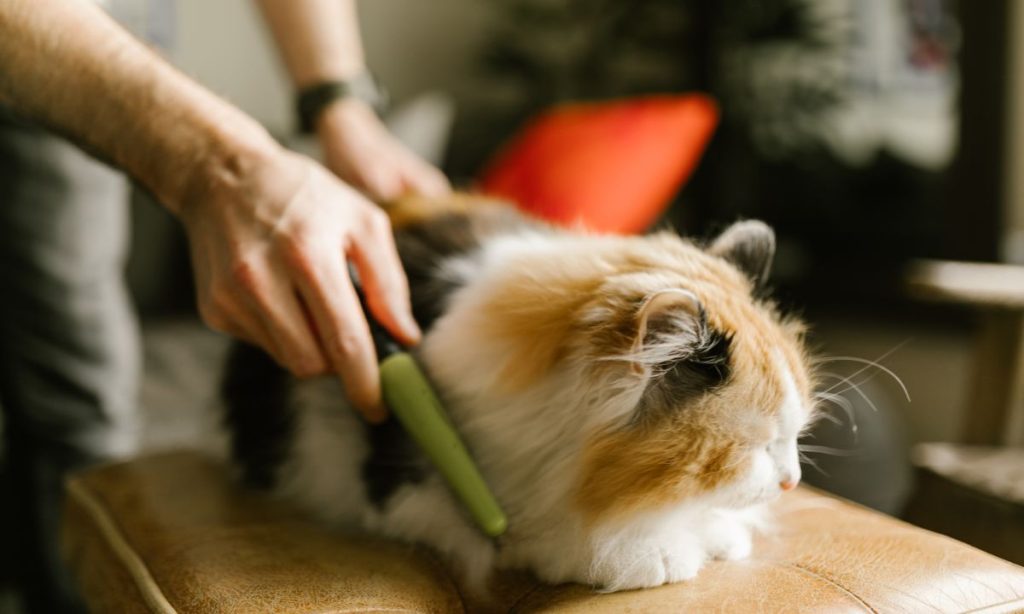
Knowing how to care for cats that hate to be brushed between grooming sessions means keeping the coat healthy without turning every day into a struggle. A cat may dislike the pulling sensation, unfamiliar grooming tools, being held, or contact around a sore area. Meanwhile, loose hair, hidden knots, and skin problems can still develop. Small checks and a calmer home routine can help protect comfort between professional grooming appointments.
This guide explains how to care for cats that hate to be brushed between grooming sessions with practical coat checks, safe housekeeping, and early warning signs. The companion article about a brush for cats that hate to be brushed addresses equipment context, but a new tool alone will not solve fear or pain. Focus first on what your cat will tolerate voluntarily, and seek professional help when a coat problem cannot be managed safely.
Understand the cause of brushing avoidance
Some cats are startled by the sound or sight of a grooming tool. Others dislike being lifted onto a table, brushed against the hair, or having knots pulled. A cat with arthritis, obesity, skin irritation, or a painful wound may also resist touch. Think about exactly when the reaction begins: when the brush appears, when a particular area is touched, or only after several strokes. That distinction is valuable because the next step depends on the trigger.
Avoid calling the cat difficult or stubborn. Hissing, a swishing tail, flattening ears, freezing, or turning to bite are signs that a session is too stressful. A quiet cat can still be afraid. If resistance appears suddenly, arrange a veterinary assessment to rule out painful conditions. Learning how to care for cats that hate to be brushed between grooming sessions begins with treating avoidance as information, not a battle of wills.
Do a gentle daily coat check without forcing brushing
Observe the coat while your cat rests or moves naturally. Look for new clumps, dull patches, grease, flaky skin, visible parasites, and areas the cat licks excessively. If the cat enjoys petting, you can briefly feel for small tangles around the chest, behind the forelegs, or near the tail. Stop if the skin twitches or the body tenses. Do not pull the cat out of a hiding place just to check the coat. A calm observation counts as care.
You can take a quick photograph of a suspicious spot and compare it with later changes. For long-haired cats, pay attention to the areas where fur rubs together. Our separate guide to care for long-haired cats between grooming sessions addresses coat maintenance with additional detail. If mats feel tight or seem attached close to skin, do not cut them with scissors. Thin cat skin can be folded into the mat and injured unexpectedly. Safe checks are central to how to care for cats that hate to be brushed between grooming sessions.
Keep bedding and favorite resting places clean
Cats shed hair on blankets, beds, window perches, and furniture. Wash washable bedding regularly with a mild detergent suitable for the household and dry it fully. Vacuum the places where your cat sleeps, especially if loose hair collects heavily. This will not replace grooming, but it reduces accumulated hair and helps you notice fleas or unusual debris. Keep resting areas comfortable and avoid strongly scented sprays or oils that might irritate the cat.
Make home cleaning predictable rather than using a loud vacuum beside a sleeping cat. Move the pet to a calm space if they are startled by noise. Clean litter areas frequently and watch whether feces or litter are sticking to fur around the rear. Persistent soiling can indicate coat, mobility, digestive, or weight concerns. Maintaining the environment is one of the overlooked parts of how to care for cats that hate to be brushed between grooming sessions.
Use calm contact rather than completing a full groom
If your cat welcomes stroking with a bare hand, use that as a gentle way to inspect the surface coat. Do not rub against tangled fur or turn petting into a surprise brushing session. Some cats tolerate a brief damp-hand pass on loose surface hair, but use only a slightly moistened hand and avoid soaking the coat. Stop if the cat dislikes the sensation. A short peaceful interaction is more valuable than trying to collect every loose hair.
Set up a grooming area that the cat can leave at any time. Offer a favorite reward after simple, voluntary contact and keep tools out of sight until the cat is relaxed around them. For a separate method of carefully reintroducing grooming contact, see introducing a comb without stress. FYI, a two-second voluntary check can reveal more than a frantic two-minute chase. This approach respects the cat’s preferences while meeting basic monitoring needs.
Prevent mats and hair-related discomfort
Small tangles are easier to manage than large mats, but not every knot can be handled at home. Avoid tugging, ripping, or shaving close to the skin with household clippers. Dense mats can conceal wounds, parasites, or moisture-related irritation. A professional groomer with feline experience may be able to remove them safely. If the cat is painful, fearful, or has heavily matted skin, ask a veterinarian about the safest plan before an appointment.
Long-haired and senior cats may need closer monitoring because self-grooming can change with age, dental pain, arthritis, or weight gain. Cats that suddenly stop washing themselves require a health check, not simply a different brush. Routine nails, ears, and skin observations can be done separately from coat brushing if the cat tolerates them. Keeping sessions narrow in purpose helps with how to care for cats that hate to be brushed between grooming sessions without overwhelming the animal.
Protect skin and watch for fleas or unusual changes
Frequent scratching, small scabs near the neck or tail, redness, and sudden overgrooming can indicate flea exposure, allergies, or other skin problems. A cat may also stop grooming because a joint or tooth hurts. Ask your veterinarian about parasite prevention suitable for cats; never apply a dog-only flea treatment to a cat. Avoid human shampoos, essential oils, and home remedies on a sensitive coat. The goal is to detect change and seek a diagnosis.
If you notice a wound, persistent dandruff, bald patches, strong odor, or greasy coat, arrange professional advice. The site’s discussion of common concerns about sensitive feline skin can provide general background, but it does not replace skin examination. Take notes on how long the problem has lasted and whether it affects sleep, appetite, or movement. Early recognition is part of how to care for cats that hate to be brushed between grooming sessions, even if no brushing occurs.
Prepare for professional grooming without a stressful trip
Choose a groomer experienced with cats and willing to explain how they minimize fear. Describe your cat’s triggers, painful areas, medical conditions, and previous reactions before the appointment. Ask whether shorter visits, quiet scheduling, or a veterinary referral would be safer. Do not administer sedatives or calming medications without a veterinarian’s instructions. If the cat has significant matting, the clinic may need to assess skin damage before arranging removal.
After grooming, monitor for redness, discomfort, or new avoidance of touch. Ask which areas matted fastest and how often they need checking at home. A simple note about the coat after each visit can improve future planning. Avoid treating the appointment as permission to skip all checks until the next scheduled groom. How to care for cats that hate to be brushed between grooming sessions is a continuous, low-pressure process.
Frequently Asked Questions
Owners often worry that refusing a brush means a cat cannot be kept clean. These answers focus on safe alternatives and spotting problems, not forcing grooming.
Cats usually perform much of their own coat care, but changes in grooming ability or matted fur need attention. Match your help to the individual cat.
Can I skip brushing if my short-haired cat looks healthy?
Some short-haired cats manage well with limited assistance. Continue regular coat checks and ask a veterinarian if shedding, skin condition, or self-grooming changes.
Should I hold my cat still to remove a knot?
No. Force can increase fear and cause injury. Tight or painful mats should be evaluated by a feline-experienced groomer or veterinarian.
Can a damp cloth replace brushing completely?
No. Light surface wiping may collect some loose hairs, but it will not safely remove dense tangles or treat skin disease.
Why did my older cat suddenly stop grooming?
Pain, arthritis, dental disease, obesity, and illness can interfere with grooming. Arrange a veterinary examination for a noticeable change.
How often should I check for mats?
Brief daily checks can help with long or dense coats, especially at friction areas. Adjust the routine to the cat’s coat and tolerance.
Final Words
How to care for cats that hate to be brushed between grooming sessions is mainly about safe monitoring and a low-pressure environment. Check the coat gently, keep sleeping places clean, and notice early tangles, skin changes, or discomfort. Never sacrifice trust or safety to complete a grooming task.
For context on gentle tools, the article about a brush for cats that hate to be brushed may help you frame future questions. Seek a veterinarian or feline-aware groomer when pain or mats are involved. Practical observation and consistent kindness are what make how to care for cats that hate to be brushed between grooming sessions sustainable.









