
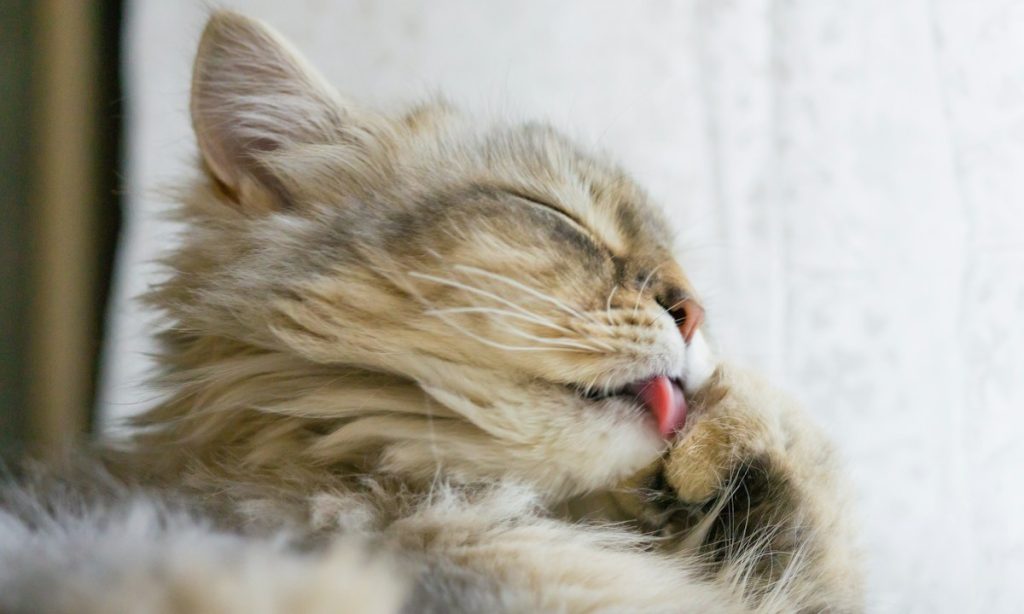
Learning how to use comb in a low-stress grooming routine begins before the comb touches your cat. The goal is to remove loose hair and small tangles while helping the cat feel safe. Rushing, pulling through mats, or holding a struggling cat tightly can make later sessions harder. Start with a quiet space, a suitable tool, and short periods of gentle handling. Let the cat leave when it needs a break.
A comb for long hair cats may help check deeper coat layers, but its teeth must match the animal’s coat and sensitivity. Not every cat welcomes the same pressure or amount of brushing. This guide covers preparing the space, choosing a comb shape, introducing touch gradually, working through easy areas, watching body language, and recognizing when a mat needs professional care. A calm routine builds cooperation one brief success at a time.
Choose the Right Grooming Conditions
Select a time when the cat is relaxed, awake, and not eating or sleeping deeply. Sit in a familiar room with good lighting and a stable surface. A nonslip mat or your lap may be comfortable, depending on the cat’s preference. Keep treats or part of the regular food available if appropriate. Do not turn the session into a chase around the house.
Before you start, check for skin redness, painful areas, wounds, or obvious mats. A comb is not a substitute for veterinary assessment when the coat hides a sore spot. Set a small goal, such as touching one shoulder or making two comfortable passes. Success is measured by the cat’s response, not the amount of hair removed. A relaxed cat with a few loose hairs remaining is a better result than a frightened one with a spotless coat.
Understand Comb Teeth and Coat Type
A wide-toothed comb may pass more easily through long or thick coats, while finer teeth can help identify small tangles once the coat is separated. Rounded, smooth tips reduce the chance of scratching during ordinary use. Inspect the comb for bent teeth or rough edges. Avoid tools that snag, cut, or scrape without clear need and trained handling.
Long coats may need a combination of gentle surface brushing and careful comb checks, but there is no one perfect tool for every breed. A comb for long hair cats should reach the area being checked without pulling against the skin. For coat-type context, see our long-haired cat brush guide. If the coat is heavily matted, ask a veterinarian or qualified groomer before using sharp tools. Cat skin is thin and can be injured when a mat is pulled tight.
Introduce the Comb Without Pressure
Place the comb on the floor near the cat and allow voluntary sniffing. Reward calm interest, then move the tool away. In the next short session, let the comb touch the shoulder briefly without pulling through hair. Praise calm behavior or offer an appropriate reward. Repeat until the cat is comfortable with the approach. This gradual process is especially valuable for nervous cats or animals with unpleasant grooming memories.
Watch the ears, tail, body tension, and willingness to remain nearby. A cat who moves away is communicating that the session needs a pause. Do not follow and corner the animal. If the cat responds with relaxed posture and voluntary reapproach, try one short stroke along the direction of hair growth. FYI, a five-second grooming session can be a very good start.
Comb Comfortable Areas First
Begin at a low-sensitivity area, often along the shoulders or upper back. Support the hair lightly and move the comb in the direction of the coat. Use small strokes without dragging on the skin. Avoid repeated passes over the same spot. Stop if the comb catches. Ease the teeth out gently rather than pulling harder.
After a few successful strokes, check another easy area such as the sides. Do not force the abdomen, tail base, inner thighs, or armpits if the cat dislikes contact there. Those regions can be more sensitive, and the skin may be delicate. When handling long hair, separate a small section with your fingers and inspect it carefully before combing. A calm routine gradually expands the areas the cat tolerates.
Handle Small Tangles Without Tugging
If you feel a small knot, stop and assess it before continuing. Use your fingers to gently separate loose strands near the ends, while supporting the hair close to the skin to reduce pulling. A wide-toothed comb may help once the section is loose. Avoid cutting mats with scissors near a cat’s skin. The skin can be drawn into the mat and easily nicked.
Large, tight, painful, or skin-adjacent mats deserve professional attention. A veterinarian or experienced groomer can assess whether safe clipping or another plan is needed. Do not bathe a heavily matted cat to soften the coat without advice; water may make some mats tighten. For deeper tangles, stop the home session early. Learning how to use comb in a low-stress grooming routine includes knowing when not to comb.
Reward Calm Behavior and End Well
Keep early grooming sessions brief and predictable. Finish after a calm moment rather than waiting for the cat to struggle. A suitable food reward, gentle voice, or favorite resting place can follow a successful pass. Use the same sequence each time: invite, touch, comb briefly, and end. Consistency helps the cat anticipate that the experience has a clear finish.
If the cat begins swishing its tail rapidly, flattening its ears, growling, or trying to bite, stop without scolding. Reassess the comb, pressure, length of the session, and possible pain. Shorten the next practice and return to an easier step. IMO, doing less but doing it comfortably usually beats a marathon grooming attempt that leaves everyone annoyed.
Create a Practical Weekly Grooming Plan
The ideal frequency depends on coat length, shedding, mobility, age, and the cat’s ability to self-groom. Some long-haired cats benefit from brief daily coat checks, while short-haired cats may need less frequent combing. Check commonly tangled areas gently and note any recurring knots. Work in short blocks instead of trying to finish the entire body in one sitting.
Seniors, overweight cats, and cats with arthritis may struggle to groom certain areas. A sudden decline in grooming, greasy coat, skin irritation, or new sensitivity should prompt veterinary advice. For routine inspection, see cat coat and skin inspection. For safe equipment care, follow cleaning and storing a grooming comb. Clean tools help keep sessions pleasant and make damage easier to spot.
When a Cat Refuses Grooming
Refusal is information, not a challenge to win. Check whether the environment is noisy, the cat is startled, the comb pulls, or handling exposes an uncomfortable body area. Offer easier practice with the comb nearby and a reward for calm approach. If the cat swats or hides, give it space and do not force immediate repetition.
If a previously tolerant cat suddenly reacts to light touch, arrange a veterinary visit. Pain, skin disease, dental discomfort, and mobility problems can alter grooming tolerance. Some cats benefit from professional behavior advice or grooming assistance. Never sedate a cat or use human calming products to make grooming easier without veterinary direction.
Frequently Asked Questions
Grooming questions often involve session length and how much resistance is normal. The safest response depends on the cat’s comfort and coat condition, not a universal timetable.
These answers offer starting points for routine care. Painful mats, wounds, or unexpected behavioral changes should be assessed by a qualified professional.
How long should the first session last?
Only long enough for a calm success, sometimes a few seconds. Gradually extend sessions if the cat remains comfortable.
Can I comb against the direction of fur growth?
Start with gentle strokes in the direction of coat growth. Avoid forceful reverse combing that pulls or irritates skin.
What if I find a tight mat?
Do not yank or cut it close to the skin. Ask a veterinarian or experienced groomer about safe removal.
Is a comb better than a brush for all cats?
No. Coat types and individual tolerance differ. A comb can help inspect deeper layers, but the tool must suit the cat.
Should I hold my cat still if it tries to leave?
Do not force routine grooming. Pause, allow space, and restart with an easier step later.
Final Words
How to use comb in a low-stress grooming routine is mainly about patience, gentle pressure, and respecting a cat’s signals. Prepare a comfortable setting, start with an easy area, and finish while the cat remains relaxed. Escalate difficult mats or pain to a professional instead of forcing a comb through them.
A comb for long hair cats can support routine coat care when used in short, comfortable sessions. Check your tools, watch for tangles, and adjust expectations for age and health. Regular, calm grooming helps you notice changes without turning every coat check into a struggle.









