
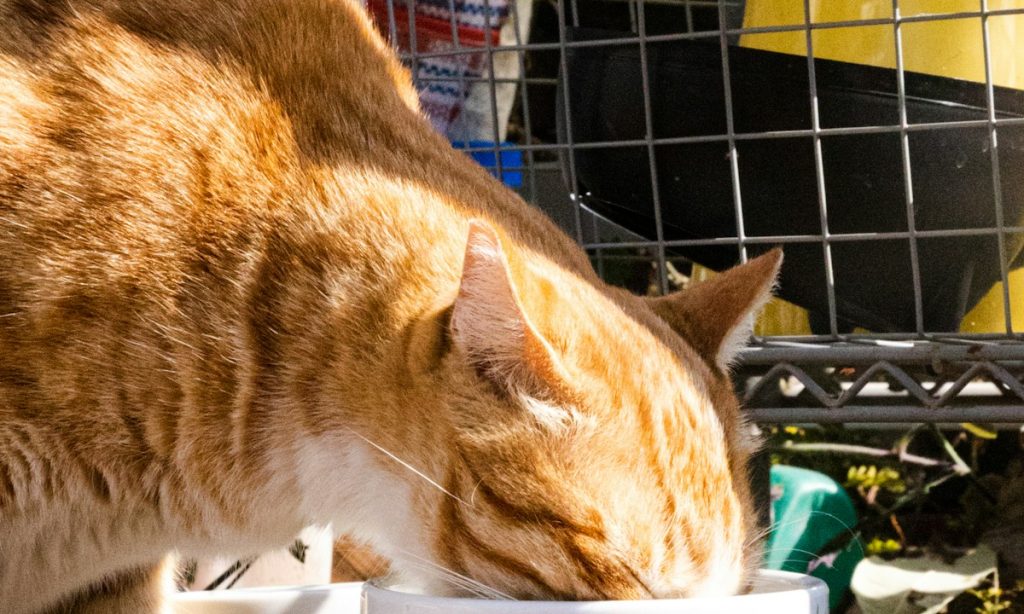
Learning how to estimate daily portions of cat food begins with calories, not the size of a bowl. Two foods that look similar can deliver different energy in a scoop or can. Age, current weight, body condition, activity, and health affect your cat’s needs. A feeding chart is a starting estimate, not a permanent prescription. The useful approach is to measure food consistently and check whether your cat maintains a healthy body condition over time.
Special circumstances matter too. Families researching cat food for FIV positive cat should discuss nutrition and weight changes with a veterinarian. FIV status alone does not determine a universal serving size. This guide explains calorie labels, simple portion calculations, mixed meals, treats, and useful weight tracking. It also shows when a feeding estimate requires professional adjustment. You can establish a predictable routine without guessing how full the dish should be.
Find an Individual Daily Calorie Target
Ask your veterinarian for a daily calorie goal appropriate to your cat. The cat’s ideal body weight may differ from its current weight, particularly if it is overweight or underweight. Age, neuter status, activity, and body condition affect the estimate. Kittens, pregnant or nursing cats, and animals with medical conditions may have very different requirements. Published calculators provide estimates, but cannot automatically account for every animal’s history and health.
Write the goal in kilocalories per day, usually abbreviated kcal. This includes energy from meals, treats, and other edible extras combined. A common mistake is treating a calculated number as exact without watching the cat’s condition. If your cat has recently lost weight or eats inconsistently, obtain veterinary advice before imposing restrictions. How to estimate daily portions of cat food becomes much easier once the individualized energy target is understood.
Locate the Food’s Calorie Statement
Look for the calorie statement on the food package. Dry food commonly lists kcal per cup and sometimes per kilogram. Wet food may list kcal per can, pouch, or kilogram. Be careful with serving units: one large can does not contain the same calories as a smaller package. Photograph the label before transferring food to a storage bin. The calorie density may change when a manufacturer reformulates food.
Also check whether the food is complete and balanced for your cat’s life stage, unless a veterinarian has prescribed a specific plan. Ingredient lists alone do not show how much should be fed. If the package’s calorie information is unclear, contact the manufacturer or veterinary team. Never assume every cup of dry food supplies the same energy. The label’s actual kcal figure is the key number needed for calculation.
Calculate a Daily Serving
Divide the veterinarian-approved daily calorie target by the calories in a measured unit of food. For illustration, if the target is 200 kcal and a dry food contains 400 kcal per cup, the result is 200 divided by 400, or one-half cup before treats. This is a mathematical example, not a recommendation that your particular cat should receive 200 kcal.
For wet food, divide the daily target by the calories per can or pouch. If a can contains 100 kcal and the example target is 200 kcal, the calculation gives two cans daily before extras. Use the numbers printed on the food you actually serve. Measuring cups can be imprecise for small portions. A kitchen scale helps produce repeatable dry-food amounts if you know the food’s calories per gram. Accurate measurements matter more than the number of scoops.
Combine Wet and Dry Food
If your cat eats both wet and dry food, first decide how many calories should come from each within the daily goal. For example, allocate half the energy to wet food and half to dry food, then divide each amount by that food’s calorie density. The specific split can differ, especially when a veterinarian recommends a particular diet. Count both foods together, rather than treating them as two separate feeding allowances.
A frequent mistake is giving a full dry-food portion plus a full wet-food portion. That can greatly exceed the intended energy budget. Record what you serve and any leftovers. If multiple cats share a bowl, separate feeding may be necessary to know actual intake. Small extra meals from different caregivers add up. How to estimate daily portions of cat food requires knowing what the individual cat eats, not only what is placed in a shared bowl.
Include Treats, Toppers, and Rewards
Treats, training rewards, food used to give medicine, and table food all add calories. A common guideline is to keep extras below roughly ten percent of daily calories, unless your veterinarian advises otherwise. The rest should usually come from complete and balanced food. For cats on prescription or diagnostic diets, even small extras may be inappropriate for reasons beyond calorie intake.
Read treat calorie statements and count the number offered. Ask everyone in the household to use a shared record. When several people feed a cat independently, accidental overfeeding becomes easy. Our guide to counting treats in daily cat calories explains the arithmetic. FYI, a treat does not stop counting because it was given as a reward for excellent behavior.
Choose a Repeatable Meal Schedule
A feeding schedule should fit both the cat and the household. Some cats do well with two measured meals, while others prefer smaller meals spread through the day. A single daily allowance can be divided into several meals without changing total calories. A stable schedule also makes missed meals easier to notice. Always provide drinking water and maintain clean dishes.
If the cat eats too quickly, ask whether smaller meals or a feeding arrangement change could help. Avoid prolonged fasting or abrupt food restriction, especially for an overweight cat. Reduced appetite can become medically serious. When using free feeding, measure the starting food and the leftovers. This helps distinguish actual intake from the amount offered. Frequent weighing or measuring is more reliable than deciding portions by eye.
Track Weight and Body Condition
Check body weight regularly on a consistent scale if possible. A veterinarian can demonstrate body condition scoring by assessing rib coverage, waist shape, and abdominal contour. Weight alone may hide muscle loss. Senior cats sometimes lose muscle despite appearing round or fluffy. Keep a log with weight, appetite, stool changes, and activity. Consider photographs taken from similar angles to record gradual changes.
Review trends before making modest changes to portions. If a cat gains unintended weight, discuss the feeding goal. If it loses weight unexpectedly, becomes weak, or stops eating, contact a veterinarian promptly. For senior cats, feeding routines and portion needs for older cats explains additional monitoring. The purpose of how to estimate daily portions of cat food is to support health, not to hit a fixed number at any cost.
Adapt the Estimate for FIV-Positive Cats
An FIV-positive cat may do well for years with appropriate veterinary care, but illness, oral discomfort, and weight loss can affect food intake. Daily calorie needs depend on the individual cat’s health and body condition. A positive FIV test alone does not identify a special number of calories or a food guaranteed to improve immunity. Track actual appetite and ask the veterinarian about unexpected changes.
Veterinarians commonly advise against raw-meat diets for cats with FIV because foodborne infections can create additional risks. Use hygienic handling and an appropriate nutritionally complete diet. If the cat develops a medical problem, its feeding target may need revision. When deciding how to estimate daily portions of cat food for an FIV-positive cat, use veterinary input rather than a standard chart meant for healthy adults.
Frequently Asked Questions
Food calculations are useful only when combined with real observations. These answers address everyday portion questions without suggesting that one number is correct for every cat.
Keep calorie labels and weight records available for follow-up. They can help the veterinarian evaluate whether the diet supports an appropriate body condition.
Is the feeding chart on a food bag enough?
It is a starting guide. Your cat’s body condition, age, activity, and health may justify a different amount.
How do I calculate cups per day?
Divide the daily calorie goal by the food’s kcal per cup. Account for treats and wet food first.
Should each wet and dry food reach the full daily allowance?
No. Add all meal calories together. Both foods must fit within the combined individualized goal.
What if the cat leaves food uneaten?
Measure leftovers to estimate actual intake. Seek veterinary advice for a sudden or prolonged appetite drop.
Can two similar-sized cats have the same portions?
Not automatically. Their ideal weight, metabolism, activity, and health can differ substantially.
Final Words
How to estimate daily portions of cat food comes down to four habits: set an individualized energy target, read the calorie statement, measure what is served, and monitor the cat’s condition. Treat the result as an informed starting point rather than an exact prescription. Adjust your plan based on observations and veterinary guidance, particularly if weight or appetite changes.
For cats with special health needs, including those whose families are researching cat food for FIV positive cat, coordinate portions with the veterinarian. Avoid unsupported claims about special ingredients or immune boosting. Consistent measurements and careful follow-up are more dependable than guessing at the bowl.









